
The question of distance between two vibrant Texas cities, San Antonio and Austin, is a common one for travelers, locals, and anyone planning a road trip or a strategic relocation. While seemingly close on the map, understanding the exact mileage, driving times, and the myriad of experiences that lie between them enriches the journey itself. This article delves into the practicalities of this short but significant Texas interstate hop, exploring the best routes, approximate travel times, and the unique attractions that make the drive between these two cultural powerhouses a worthwhile adventure.
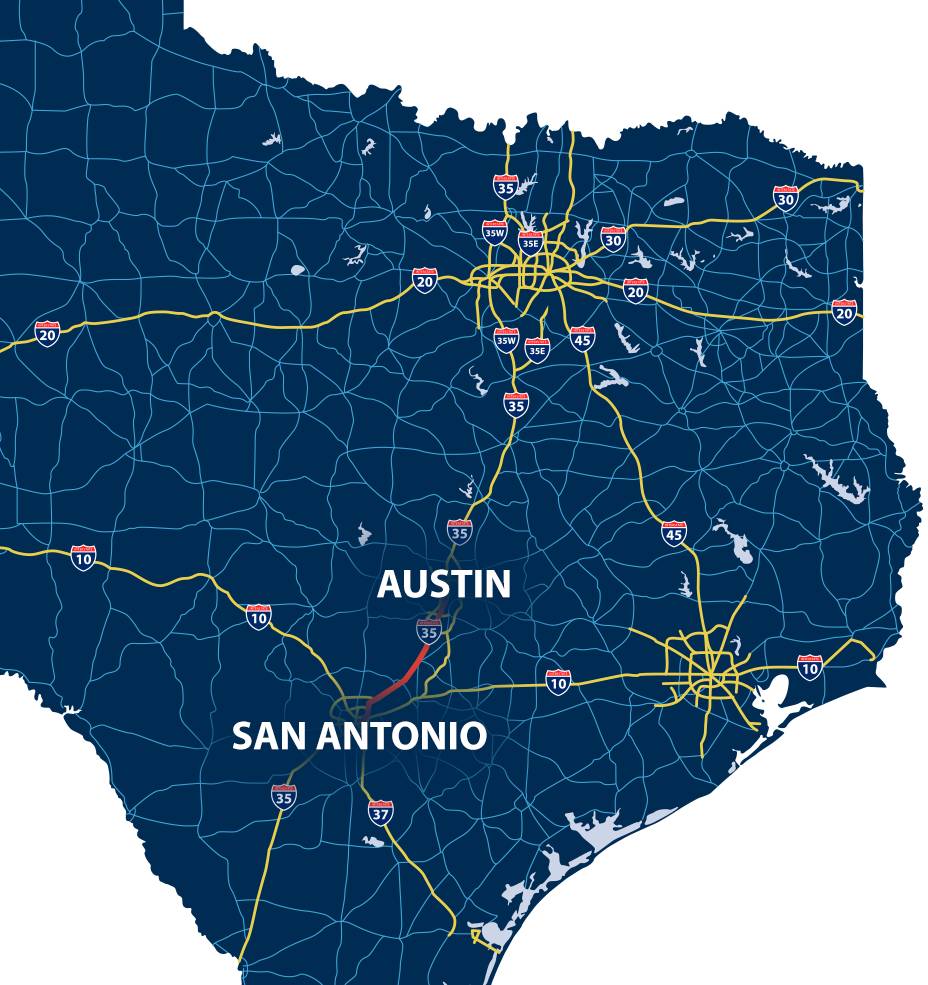
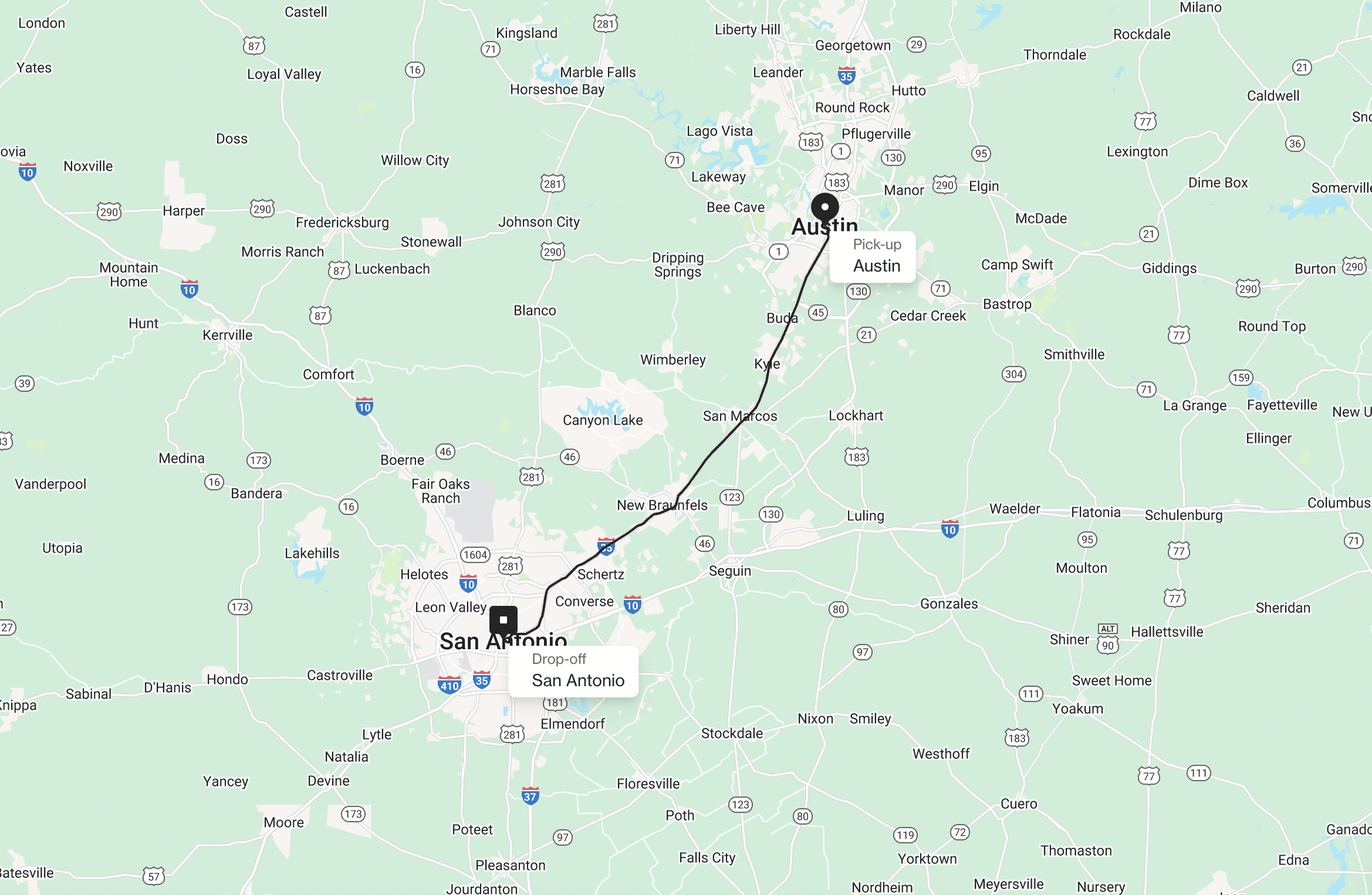
The distance between San Antonio and Austin, Texas, is approximately 80 miles. This translates to a driving time of roughly 1 hour and 30 minutes under ideal traffic conditions. However, like any major metropolitan corridor, factors such as rush hour, road construction, and the sheer volume of vehicles can extend this time. The primary artery connecting these two cities is Interstate 35 (I-35), a bustling highway that also serves as a vital economic and cultural link between many Texas communities.
Planning Your Journey: Routes and Considerations
The journey from San Antonio to Austin is straightforward, predominantly following I-35 North. This interstate is well-maintained and offers ample services, including gas stations, rest stops, and dining options. For those who prefer a slightly more scenic or less direct route, alternative paths exist, though they typically add significant time to the trip.
The Direct Route: Interstate 35 North
The most direct and commonly used route is I-35 North. This highway takes you directly from the heart of San Antonio towards Austin, passing through several smaller towns and emerging landscapes. The drive itself is characteristic of Central Texas – rolling hills, scattered ranches, and an increasing density of development as you approach the vibrant capital.
- Mileage: Approximately 80 miles.
- Estimated Driving Time: 1 hour 30 minutes to 2 hours (highly dependent on traffic).
- Key Towns Along the Way: You’ll pass through areas like New Braunfels and San Marcos, both of which offer their own unique attractions and can serve as excellent pit stops.
New Braunfels, for instance, is renowned for its German heritage and family-friendly attractions like Schlitterbahn Waterpark and the historic town square. San Marcos is famous for its outlet malls, offering extensive shopping opportunities, and is also home to Texas State University.
Navigating Traffic and Peak Travel Times
Understanding traffic patterns is crucial for an efficient journey. I-35 is a major trucking route and a commuter highway, meaning congestion can be significant, especially during weekday mornings and late afternoons. Traveling outside of these peak hours will generally result in a smoother and faster drive.
- Morning Rush Hour (Weekdays): Typically 7:00 AM – 9:00 AM. Expect slower speeds and potential delays.
- Evening Rush Hour (Weekdays): Typically 4:00 PM – 6:30 PM. Traffic can build up significantly as commuters head home.
- Weekend Traffic: Can be heavy, particularly on Friday afternoons and Sunday evenings, as people travel for leisure or return home.
If your travel plans are flexible, aiming for mid-day travel or traveling on weekends during off-peak hours can make a substantial difference in your overall travel time.
Alternative Routes and Scenic Detours
While I-35 is the most efficient, a desire for a more leisurely pace or a different perspective might lead you to explore other options. These routes often involve state highways and county roads, offering a glimpse into the rural beauty of Central Texas.
- US Highway 290 East: This route is not a direct connector from San Antonio to Austin but is a common route to reach Austin from the west. If you were coming from further west of San Antonio, you might consider taking 290 East. For the San Antonio to Austin journey specifically, it’s not the most practical direct option.
- Farm to Market (FM) Roads and Ranch Roads (RR): For the truly adventurous seeking a deeply scenic experience, exploring the network of FM and RR roads can be rewarding. However, these routes are significantly slower, require detailed map knowledge or GPS navigation, and are not recommended for those on a tight schedule. They often wind through picturesque countryside, passing by ranches and small communities, offering a stark contrast to the bustle of the interstate.
Important Note: While these alternative routes offer charm, they are not designed for speed and can add hours to your travel time. For the most efficient and practical journey from San Antonio to Austin, I-35 North remains the undisputed choice.
Experiencing the Journey: Attractions Between San Antonio and Austin
The roughly 80-mile stretch between San Antonio and Austin is far from a monotonous drive. It’s a region rich in history, natural beauty, and burgeoning culture. Several notable destinations lie directly along or are a short detour from I-35, making them perfect stops for a break, a meal, or even an overnight stay.

A Glimpse into Central Texas Charm
The towns and landscapes you’ll encounter are indicative of the broader Central Texas experience. This region is known for its Hill Country vistas, a unique geological area characterized by rolling hills, clear rivers, and a landscape dotted with live oak trees. As you travel north from San Antonio, the urban sprawl gradually gives way to this more pastoral setting.
Key Towns and Their Appeal
-
New Braunfels: As mentioned, this town is a major draw for families and fun-seekers. Its proximity to the Guadalupe River and the Comal River makes it a popular spot for tubing and water activities during warmer months. The town itself boasts a vibrant downtown area with shops, restaurants, and a strong connection to its Texas German heritage. The Historic Downtown New Braunfels district is a delightful place to stroll and soak in the atmosphere.
-
San Marcos: More than just a shopping destination, San Marcos is an ecotourism hub. The San Marcos River is one of the clearest and most biologically diverse rivers in the Southwest, offering opportunities for kayaking, swimming, and snorkeling. The Meadows Center for Water and the Environment at Texas State University provides educational tours showcasing the river’s unique ecosystem. The San Marcos River State Park is a beautiful place to relax and enjoy the natural surroundings. For shoppers, the San Marcos Premium Outlets are a massive complex offering a wide array of designer brands at discounted prices.
-
Kyle and Buda: These are rapidly growing suburban communities that offer a more modern Texas feel. While they might not boast the historical depth of New Braunfels or the natural wonders of San Marcos, they provide essential services and a look into the expanding Austin metropolitan area. They are increasingly becoming residential hubs for those working in Austin.
Natural Wonders and Recreational Opportunities
The natural landscape is a significant part of the appeal of this corridor. Beyond the rivers in San Marcos and New Braunfels, the broader Central Texas region offers opportunities for outdoor enthusiasts.
-
Rivers and Lakes: The Guadalupe River and Comal River are central to the identity of New Braunfels, offering year-round recreational possibilities. Further afield, but accessible with a slight detour, are other significant waterways that define the Texas Hill Country.
-
State Parks and Natural Areas: While not directly on I-35, nearby state parks offer a more immersive nature experience. For those looking to stretch their legs and enjoy the Texas outdoors, a short drive off the interstate can lead to beautiful hiking trails, picnic spots, and opportunities to observe local flora and fauna.
Destination Austin: The Vibrant Capital
Upon arriving in Austin, you enter a city known for its unique blend of live music, culinary innovation, outdoor recreation, and a distinctly independent spirit. Known as the “Live Music Capital of the World,” Austin offers an unparalleled cultural experience.
What Awaits You in Austin
-
Live Music Scene: From world-renowned venues on Sixth Street to intimate clubs in the Red River Cultural District, Austin pulses with music 24/7. You can find almost any genre here, often performed by local artists who have gone on to achieve international fame.
-
Culinary Delights: Austin is a food lover’s paradise. Famous for its barbecue and Tex-Mex, the city also boasts a burgeoning food truck scene, innovative farm-to-table restaurants, and a growing appreciation for international cuisines. Don’t miss out on trying some authentic Texas barbecue or exploring the diverse food truck parks scattered throughout the city.
-
Outdoor Activities: The city is blessed with an abundance of green spaces and waterways. Lady Bird Lake offers kayaking, paddleboarding, and a scenic hike and bike trail that circles the water. Zilker Park is a vast urban oasis home to the iconic Barton Springs Pool, a natural spring-fed swimming pool that remains a constant, refreshing temperature year-round. Mount Bonnell provides panoramic views of the city and Lake Austin, especially stunning at sunset.
-
Iconic Landmarks and Attractions: Beyond its natural beauty and musical heritage, Austin is home to significant landmarks. The Texas State Capitol Building is a magnificent structure offering tours and a glimpse into the state’s political heart. The Congress Avenue Bridge is famous for its nightly spectacle of thousands of Mexican free-tailed bats emerging at dusk during the warmer months. The South Congress Avenue (often called “SoCo”) is a vibrant street known for its eclectic boutiques, vintage shops, live music venues, and street art.
Conclusion: A Short Drive, A World of Experiences
The distance between San Antonio and Austin, Texas, is a mere 80 miles, a journey that can be completed in under two hours. Yet, this relatively short drive traverses a landscape rich with opportunities for discovery. Whether you’re looking for a quick transfer between two major Texas hubs, a weekend getaway, or the beginning of a longer exploration, the corridor between these two dynamic cities offers a compelling blend of natural beauty, historical resonance, and modern Texas culture. Understanding the routes, anticipating traffic, and being aware of the charming towns and natural wonders along the way can transform a simple drive into a memorable part of your Texas adventure. Both San Antonio and Austin offer unique attractions that cater to a wide range of interests, making the journey between them as rewarding as the destinations themselves.
LifeOutOfTheBox is a participant in the Amazon Services LLC Associates Program, an affiliate advertising program designed to provide a means for sites to earn advertising fees by advertising and linking to Amazon.com. Amazon, the Amazon logo, AmazonSupply, and the AmazonSupply logo are trademarks of Amazon.com, Inc. or its affiliates. As an Amazon Associate we earn affiliate commissions from qualifying purchases.