
New Mexico, a state steeped in history, vibrant culture, and breathtaking landscapes, is a tapestry woven from diverse geographical regions and a rich human story. When planning a trip to the Land of Enchantment, understanding its administrative divisions can significantly enhance your exploration. While many visitors focus on iconic destinations and thrilling activities, a deeper appreciation for the state’s structure, including its counties, can unlock hidden gems and provide a more comprehensive travel experience. So, how many counties are in New Mexico, and why does this matter to the intrepid traveler?
The answer is straightforward: New Mexico is divided into 33 counties. Each of these counties holds its own unique character, contributing to the state’s overall appeal. From the sprawling deserts of the south to the majestic mountains of the north, these counties are the building blocks that define the state’s diverse offerings, from the charming adobe villages to the bustling urban centers.
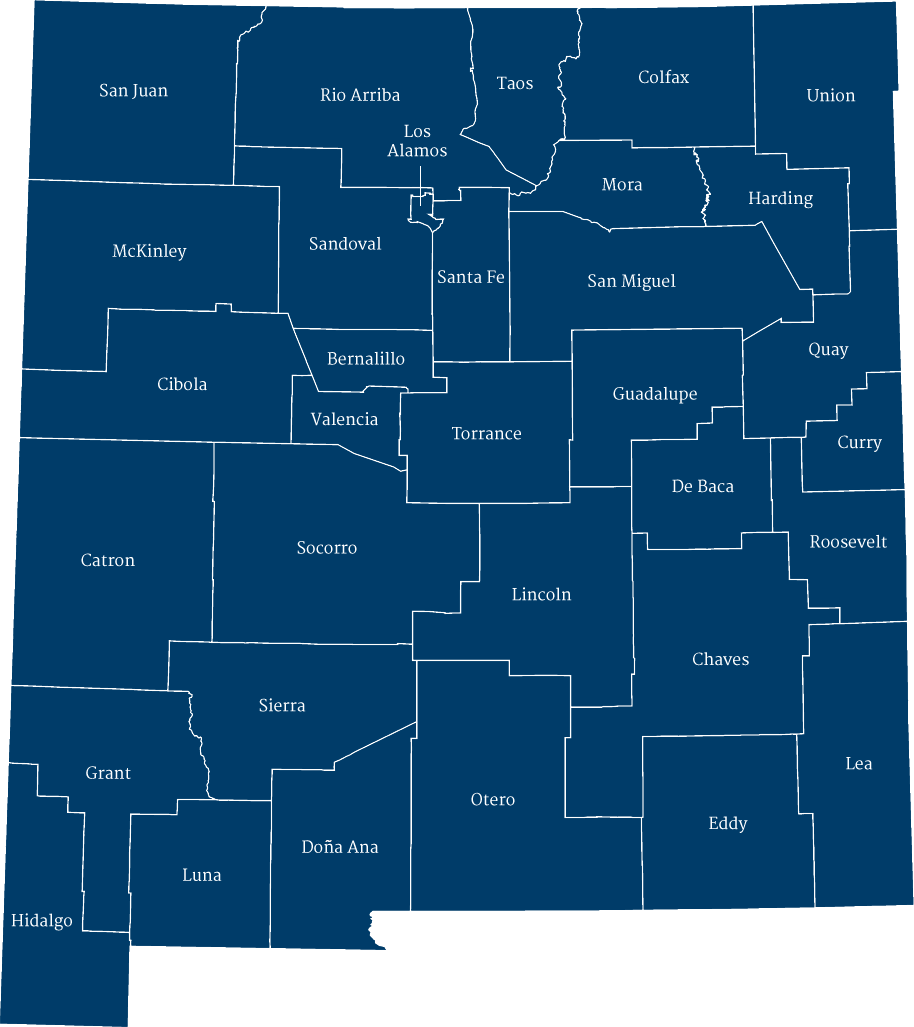
Exploring New Mexico: A County-by-County Journey
Understanding the county structure of New Mexico can transform a simple vacation into a curated adventure. Instead of just visiting a famous landmark, you can explore the county it resides in, uncovering its surrounding attractions, local eateries, and lesser-known historical sites. This approach allows for a more immersive experience, connecting you with the authentic spirit of the Land of Enchantment.
Northern New Mexico: Peaks, Pueblos, and Artistic Havens
Northern New Mexico is often the first image that comes to mind when people think of the state. This region is characterized by its stunning mountain ranges, including the Sangre de Cristo Mountains, and its deep-rooted Native American and Spanish colonial history.
Santa Fe County is a prime example of the allure of Northern New Mexico. Its namesake, the city of Santa Fe, is not only the state capital but also a global hub for art, culture, and history. Here, visitors can wander through the historic Santa Fe Plaza, marvel at the unique architecture of the Loretto Chapel with its miraculous staircase, and explore countless art galleries showcasing both traditional and contemporary works. The county itself offers access to the Santa Fe National Forest, providing opportunities for hiking, camping, and enjoying the crisp mountain air. For those seeking accommodation, Santa Fe offers a range of options, from luxurious resorts like La Fonda on the Plaza to charming boutique hotels and cozy bed and breakfasts, catering to every lifestyle and budget.
Adjacent to Santa Fe County is Taos County, home to the iconic Taos Pueblo, a UNESCO World Heritage Site and one of the oldest continuously inhabited communities in North America. The town of Taos itself is renowned for its vibrant arts scene, its distinctive Pueblo Revival architecture, and its stunning natural beauty. Visitors can explore the Taos Art Museum, visit the historic Kit Carson Home and Museum, and drive the scenic Enchanted Circle Scenic Byway, which winds through picturesque towns and offers breathtaking views of the Sangre de Cristo Mountains. Accommodation in Taos ranges from rustic inns to contemporary hotels, often reflecting the artistic and cultural spirit of the area.
Further north, Rio Arriba County offers a more rugged and remote experience. This county is rich in Native American heritage and is dotted with numerous Pueblos, including Ohkay Owingeh Pueblo, the historic capital of the Pueblo of New Mexico. The Rio Grande carves its way through this county, creating dramatic landscapes and offering opportunities for whitewater rafting and kayaking. For history buffs, the Bandelier National Monument in Sandoval County (though often associated with Northern New Mexico’s exploration) showcases ancient cliff dwellings and archeological sites, providing a glimpse into the lives of the ancestral Pueblo people.
Central New Mexico: The Heart of the State
Central New Mexico is a dynamic region that balances urban energy with historical significance and natural wonders. This area is home to the state’s largest city and serves as a gateway for many travelers.
Bernalillo County is dominated by Albuquerque, the most populous city in New Mexico. Albuquerque is a melting pot of cultures, evident in its culinary scene, its festivals, and its architectural styles. The Old Town Albuquerque district is a must-visit, with its historic adobe buildings, shops, and restaurants. The Indian Pueblo Cultural Center offers deep insights into the traditions and history of the 19 Pueblos of New Mexico. For a unique perspective, the Sandia Peak Tramway ascends the Sandia Mountains, offering panoramic views of the city and the surrounding landscape. Albuquerque boasts a wide array of hotels, from budget-friendly motels to upscale hotels and extended-stay apartments, making it a convenient base for exploring the region. Its proximity to the Petroglyph National Monument also provides an opportunity to witness ancient rock carvings.

Just to the south of Bernalillo County lies Valencia County. While perhaps less visited than its northern neighbor, Valencia County offers a more tranquil experience, with agricultural lands and a strong connection to its Spanish colonial past. Towns like Belen offer a glimpse into traditional New Mexico life.
Southern New Mexico: Desert Vistas and Cosmic Wonders
Southern New Mexico is a land of vast deserts, dramatic mountain ranges, and a rich scientific and military history. This region offers a different kind of enchantment, characterized by its wide-open spaces and unique geological formations.
Doña Ana County is home to Las Cruces, the second-largest city in New Mexico. Situated in the Mesilla Valley, Las Cruces is known for its sunny climate, its proximity to the Organ Mountains-Desert Peaks National Monument, and its vibrant agricultural community, particularly its famous chile peppers. The historic town of Mesilla, just south of Las Cruces, is a National Historic Landmark and was once the capital of the Confederate Arizona Territory. Visitors can explore its charming plaza, browse antique shops, and enjoy authentic Southwestern cuisine. Las Cruces offers a variety of accommodation options, from comfortable hotels to vacation rentals.
Further east, Otero County is home to the world-renowned White Sands National Park. This surreal landscape of gypsum dunes offers unparalleled opportunities for photography, sledding down the powdery slopes, and stargazing. The park’s unique environment is a testament to the geological forces that have shaped this region. Nearby, Alamogordo serves as a gateway to White Sands, and is also home to the New Mexico Museum of Space History, celebrating the state’s contributions to space exploration.
Eddy County in southeastern New Mexico is home to Carlsbad Caverns National Park. This subterranean wonderland features over 119 caves, including the immense Big Room, a testament to millions of years of geological activity. Visitors can explore the caves on self-guided tours or join ranger-led programs. The nearby city of Carlsbad offers amenities and accommodation for visitors.
Beyond the Major Destinations: Exploring the Full Spectrum of New Mexico Counties
While the major cities and iconic landmarks often capture the spotlight, each of New Mexico’s 33 counties offers a unique narrative waiting to be discovered. From the rugged beauty of the Gila National Forest in Catron County to the vast ranches of Chaves County, these lesser-known areas provide authentic experiences for the adventurous traveler.
For those interested in budget travel, exploring the smaller towns and rural areas within each county can lead to unexpected delights and significant savings on accommodation and dining. These areas often preserve local traditions and offer a more intimate glimpse into the New Mexico lifestyle.
Family trips can benefit from understanding county geography to plan routes that incorporate diverse activities. For instance, a trip that starts in the mountains of Northern New Mexico could then descend into the desert landscapes of the south, all within a manageable driving distance, allowing children to experience the state’s dramatic environmental shifts.
Luxury travel can also be enhanced by county-level knowledge. Many high-end resorts and boutique accommodations are located in areas known for their natural beauty or artistic heritage, which are often defined by their respective counties. Exploring areas like Santa Fe County or Taos County for their artistic retreats, or Doña Ana County for its wine regions, can provide bespoke luxury experiences.
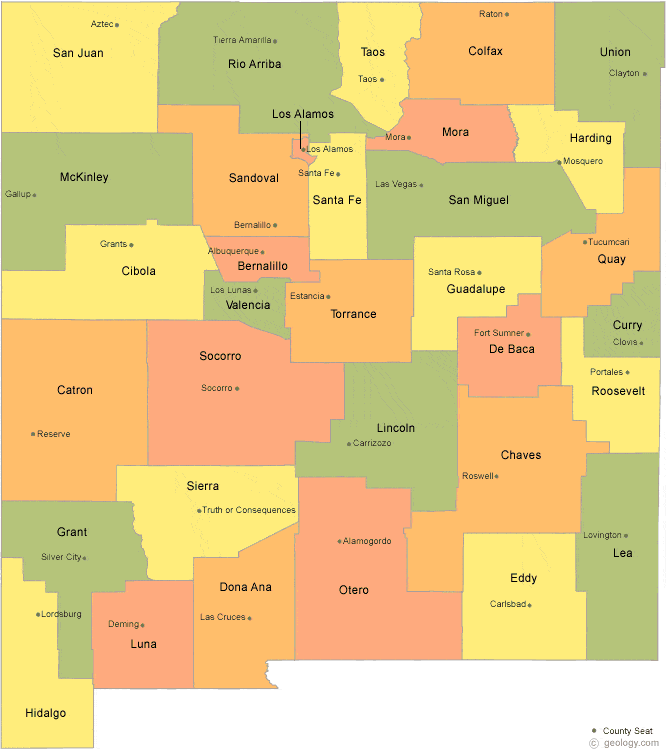
Conclusion: The Enduring Allure of New Mexico’s Counties
So, how many counties are in New Mexico? The answer remains 33. But this number is more than just a statistic; it represents a rich mosaic of landscapes, cultures, histories, and experiences. Whether you are drawn by the art galleries of Santa Fe, the ancient wonders of Taos Pueblo, the cosmic allure of White Sands, or the subterranean marvels of Carlsbad Caverns, understanding New Mexico’s county structure can elevate your journey from a simple visit to an immersive exploration. Each county is a chapter in the state’s compelling story, inviting you to delve deeper and discover the true enchantment of the Land of Enchantment. From the meticulous planning of a business stay to the spontaneous joy of a family road trip, knowing these divisions can unlock a more profound connection with this extraordinary state.
LifeOutOfTheBox is a participant in the Amazon Services LLC Associates Program, an affiliate advertising program designed to provide a means for sites to earn advertising fees by advertising and linking to Amazon.com. Amazon, the Amazon logo, AmazonSupply, and the AmazonSupply logo are trademarks of Amazon.com, Inc. or its affiliates. As an Amazon Associate we earn affiliate commissions from qualifying purchases.