
The journey between San Diego and Los Angeles is perhaps the most iconic corridor in the United States. Spanning the sun-drenched coastline of Southern California, this route connects two of the country’s most vibrant metropolitan areas. Whether you are a business traveler commuting for meetings or a tourist looking to experience the contrast between the laid-back surf culture of the south and the cinematic glamour of the north, understanding the logistics of this trip is essential. The distance is relatively short, but in this part of the world, distance is measured more by minutes than by miles.
Understanding the Distance and Geographical Context
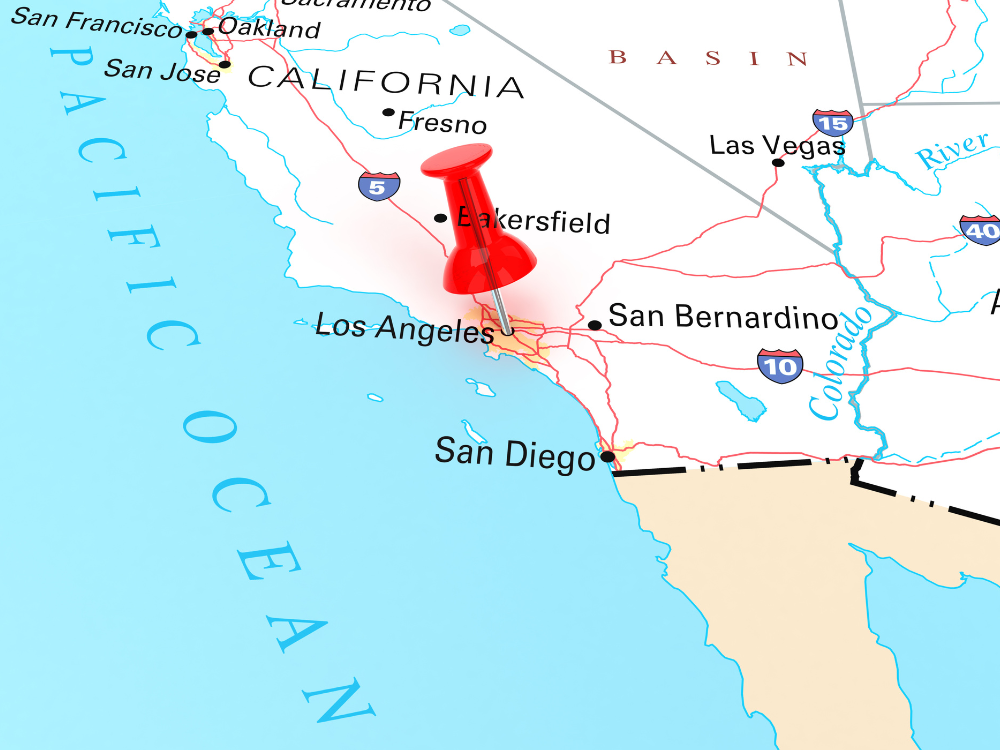
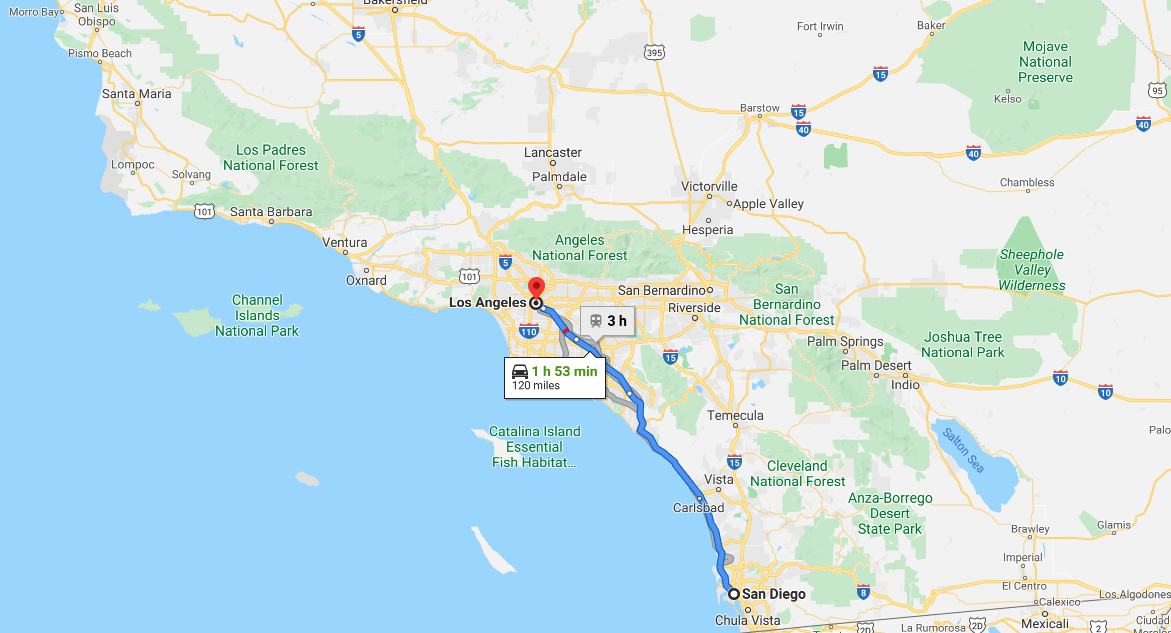
At its most basic level, the distance between downtown San Diego and downtown Los Angeles is approximately 120 miles (193 kilometers). However, because both cities are sprawling urban giants, the actual “door-to-door” distance can vary significantly depending on your specific starting point and destination.
The Direct Route via Interstate 5
The most common way to traverse the distance is via Interstate 5, often referred to by locals as “The 5.” This major artery runs directly through the heart of California. When traffic is light—typically in the very early morning or late at night—the drive can be completed in about two hours. The route takes you through a diverse landscape, from the coastal bluffs of northern San Diego County through the Marine Corps Base Camp Pendleton and into the residential and commercial hubs of Orange County.
The Scenic Coastal Alternative
For those who prioritize aesthetics over speed, the Pacific Coast Highway (PCH), or Highway 1, offers a more leisurely experience. While it does not run continuously as a single highway for the entire stretch between the two cities, large portions of the drive can be shifted onto coastal roads that hug the Pacific Ocean. Taking this route essentially doubles your travel time, but it replaces concrete barriers and multi-lane congestion with views of crashing waves, surfers, and iconic seaside towns.
Transportation Options from San Diego to Los Angeles
There are several ways to bridge the gap between these two cities, each catering to different budgets, schedules, and preferences for comfort.
Driving the Pacific Coast Highway and Freeways
For most travelers, renting a car or driving a personal vehicle is the preferred method of travel. Driving offers the most flexibility, allowing for spontaneous detours to beach towns or inland shopping centers. However, driving in Southern California requires a strategic mindset. You are not just navigating miles; you are navigating the habits of millions of commuters. If you choose to drive, it is vital to stay updated on real-time traffic conditions, as accidents or construction can easily turn a two-hour trip into a four-hour ordeal.
Riding the Pacific Surfliner Train
One of the most relaxing and scenic ways to travel is via Amtrak and its Pacific Surfliner service. This train route is world-renowned for its stunning coastal views, particularly the section between Oceanside and San Clemente, where the tracks run directly alongside the beach. The train ride typically takes about 2 hours and 45 minutes, arriving at the historic Union Station in Los Angeles. With onboard Wi-Fi, a cafe car, and comfortable seating, it is an excellent choice for those who want to avoid the stress of traffic.
Luxury Coach and Bus Services
Several bus lines operate between the two cities, ranging from budget-friendly options like Greyhound and FlixBus to more upscale shuttle services. Many of these buses offer direct routes with minimal stops, making them a cost-effective and relatively efficient way to travel. For business travelers, luxury motorcoaches provide a “first-class” experience with reclining seats, extra legroom, and power outlets, allowing for a productive journey.
Best Places to Stop Along the Route
If you aren’t in a rush, the journey between San Diego and Los Angeles is dotted with incredible destinations that are worth a visit.
Coastal Gems: La Jolla and Carlsbad
Just north of downtown San Diego, you will find La Jolla. Known as the “Jewel” of San Diego, it offers breathtaking sea caves, upscale dining, and the famous La Jolla Cove where seals and sea lions sunbathe. Continuing north, Carlsbad is another essential stop, especially for families. It is home to LEGOLAND California and the stunning Flower Fields at Carlsbad Ranch, which bloom spectacularly in the spring.
The Charm of San Juan Capistrano
As you cross into Orange County, a stop in San Juan Capistrano is highly recommended. This historic town is home to the Mission San Juan Capistrano, a landmark founded in 1776. The “Jewel of the Missions” offers a serene look at California history with its beautiful gardens and crumbling stone ruins. The surrounding Los Rios District is the oldest continuously inhabited neighborhood in the state, filled with quaint cafes and boutiques.
Exploring Laguna Beach and Newport Beach
Moving further north along the coast, Laguna Beach is a world-famous artist colony known for its hidden coves and high-end art galleries. It is a perfect place for a sunset walk or a sophisticated lunch. Just a short drive from there is Newport Beach, where you can visit Balboa Island. Taking the small ferry across the harbor or walking along the boardwalk with a frozen banana—a local tradition—is a quintessential Southern California experience.
Navigating Southern California Traffic and Logistics
The question of “how far” is always tempered by the reality of Southern California infrastructure. Understanding the logistics can save hours of frustration.
Peak Hours and Commuter Patterns
Traffic flows in specific patterns that any traveler should memorize. Rush hour in Los Angeles generally starts as early as 6:00 AM and lasts until 10:00 AM, with the afternoon rush beginning around 3:00 PM and stretching until 7:00 PM. On Fridays, the “afternoon” rush can begin as early as midday as people flee the city for the weekend. The Interstate 5 and the 405 Freeway are particularly notorious for bottlenecks, especially near the Orange County and Los Angeles border.
Best Times to Depart for a Smooth Journey
For the smoothest drive, aim to leave San Diego after 10:00 AM and before 2:00 PM, or after 8:00 PM. If you are heading south from Los Angeles to San Diego, the same rules apply. Weekend travel is also tricky; Saturday mornings often see heavy traffic as people head to attractions like Disneyland Resort in Anaheim or the beaches of Del Mar. Using navigation apps like Google Maps or Waze is non-negotiable for real-time updates and rerouting.

Conclusion: Making the Most of Your SoCal Road Trip
The distance from San Diego to Los Angeles is more than just a line on a map; it is a gateway to some of the most famous sights in the world. From the rugged beauty of Torrey Pines State Natural Reserve to the urban excitement of Santa Monica and Hollywood, the journey offers a cross-section of the American Dream.
By choosing the right mode of transportation and timing your departure carefully, you can turn a simple transit into a memorable travel experience. Whether you choose to speed along the freeway or take the slow path through Dana Point and Huntington Beach, the trip between these two iconic cities remains a must-do for anyone visiting the Golden State. The 120 miles may pass quickly, but the memories of the shimmering Pacific Ocean and the palm-lined horizons will stay with you long after you reach your destination.
LifeOutOfTheBox is a participant in the Amazon Services LLC Associates Program, an affiliate advertising program designed to provide a means for sites to earn advertising fees by advertising and linking to Amazon.com. Amazon, the Amazon logo, AmazonSupply, and the AmazonSupply logo are trademarks of Amazon.com, Inc. or its affiliates. As an Amazon Associate we earn affiliate commissions from qualifying purchases.