
The vibrant San Francisco Bay Area, a region renowned for its innovation, natural beauty, and distinct urban centers, often prompts questions about the precise distances and travel times between its prominent cities. Among the most frequently asked is the proximity of San Francisco to San Jose, California. Understanding this distance is crucial for anyone planning a visit, a business trip, or simply exploring the diverse offerings of Northern California.
Navigating the Distance: Direct Routes and Travel Times
The geographical relationship between San Francisco and San Jose is one of close adjacency, yet the specific mileage and time it takes to traverse between them can vary significantly based on the chosen mode of transportation and prevailing traffic conditions. These two major hubs of economic and cultural activity are separated by approximately 50 miles (about 80 kilometers) when measured along the most common driving routes.

Driving Distances and Factors Affecting Travel Time
The primary arterial connecting San Francisco and San Jose is U.S. Route 101 (US-101), also known as the Bayshore Freeway. This route offers a relatively direct path and is the most popular option for motorists. The actual driving time, however, is a dynamic entity.
- Ideal Conditions: Under optimal circumstances, with light traffic, the drive can take as little as 45 minutes to an hour. This is typically experienced during off-peak hours, such as late at night or very early in the morning on weekends.
- Rush Hour Realities: The San Francisco Bay Area is notorious for its traffic congestion, particularly during weekday morning and evening commutes. When traveling between San Francisco and San Jose during these periods, the travel time can easily extend to 1.5 to 2 hours, and in severe cases, even longer. Factors contributing to this include the high volume of commuters, the concentration of businesses in both cities, and occasional accidents or construction.
- Alternative Routes: While US-101 is the most direct, other routes are available, though they may add to the mileage or time. Interstate 280 (I-280), known for its scenic beauty as it winds through the hills, offers an alternative. However, it generally adds a few miles and can still be subject to traffic delays. The choice between US-101 and I-280 often depends on the specific starting and ending points within each city and the driver’s preference for scenery versus directness.
Public Transportation: A Reliable Alternative
For many travelers, public transportation offers a more predictable and often less stressful way to commute between San Francisco and San Jose, bypassing the vagaries of road traffic.
- Caltrain: The Caltrain commuter rail service is the backbone of north-south transit in the San Francisco Bay Area. Its route runs directly between downtown San Francisco (at the 4th and King Street Station) and downtown San Jose (at the Diridon Station).
- Travel Time: A typical Caltrain journey takes approximately 1 hour and 15 minutes to 1 hour and 30 minutes, depending on the number of stops the train makes. Express services can reduce this time slightly.
- Frequency: Trains run frequently throughout the day, especially during commuter hours, making it a convenient option for business travelers and tourists alike.
- Advantages: Traveling by Caltrain allows passengers to relax, work, or enjoy the scenery without the stress of driving and parking. It also offers a more environmentally friendly alternative.
- BART (Bay Area Rapid Transit): While BART primarily serves San Francisco and the East Bay, it connects to San Jose via a partnership with Caltrain at the Milpitas Station.
- Route: Passengers can take a BART train from San Francisco to Milpitas Station and then transfer to Caltrain for the remainder of the journey to San Jose.
- Combined Travel Time: This combined journey can take around 1 hour and 45 minutes to 2 hours, depending on transfer times.
- Considerations: This option is often chosen by those whose starting or ending point is closer to a BART station in San Francisco.
Other Travel Options
Beyond driving and public transit, other transportation methods can bridge the gap between these two Californian cities.
- Ride-Sharing Services: Services like Uber and Lyft are readily available in both San Francisco and San Jose. The cost and time for these services will mirror driving times and can fluctuate significantly based on demand and surge pricing.
- Shuttles and Buses: Various private shuttle services and intercity bus lines operate between the two cities, offering another set of options with varying price points and schedules. These can sometimes be a more economical choice than ride-sharing, though travel times might be longer due to multiple stops.
- Air Travel: While not practical for the relatively short distance, it’s worth noting that both cities have major airports. San Francisco International Airport (SFO) and San Jose International Airport (SJC) serve the region, but direct flights between them are nonexistent due to the proximity. Travel to and from these airports from their respective city centers also adds significant time.
The Context: Why This Distance Matters
The proximity of San Francisco and San Jose is a defining characteristic of the Silicon Valley region. This close geographical relationship fosters a unique economic and cultural synergy, making it possible for professionals to commute between the tech hubs of San Francisco and the more sprawling tech campuses of San Jose.
Business and Technology Nexus
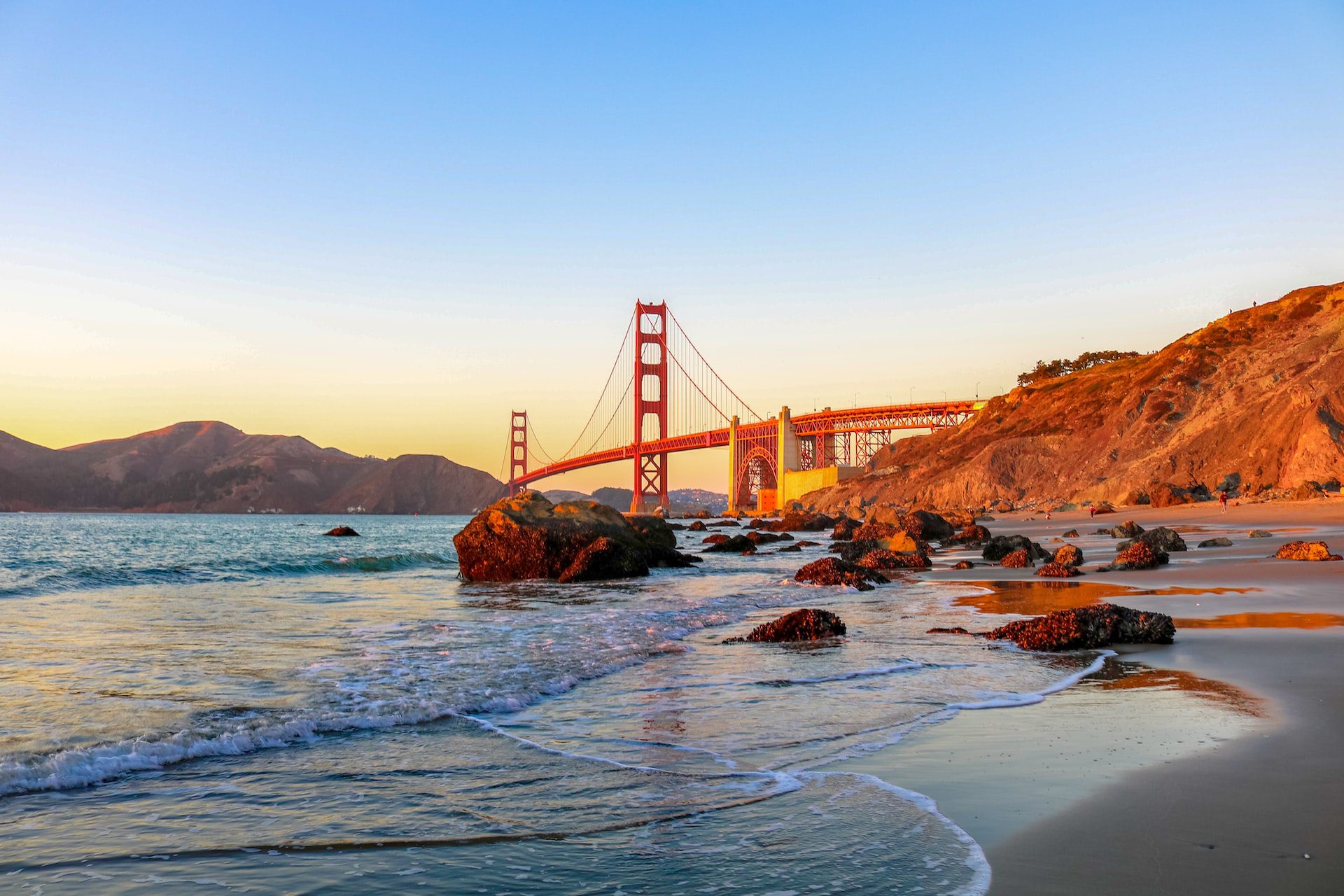
San Francisco has long been a global center for finance, technology, and innovation, housing numerous startups, venture capital firms, and established tech giants. San Jose, often dubbed the “Capital of Silicon Valley,” is home to a dense concentration of major technology companies, research and development facilities, and a burgeoning startup scene. The relatively short distance allows for seamless collaboration, talent mobility, and the exchange of ideas between these two vital economic engines. Many individuals who work in San Francisco choose to live in San Jose or vice-versa, a decision heavily influenced by housing costs, lifestyle preferences, and commute tolerance.
Exploring the Bay Area: A Tale of Two Cities
For visitors and residents alike, understanding the distance between San Francisco and San Jose is key to planning comprehensive tours and day trips.
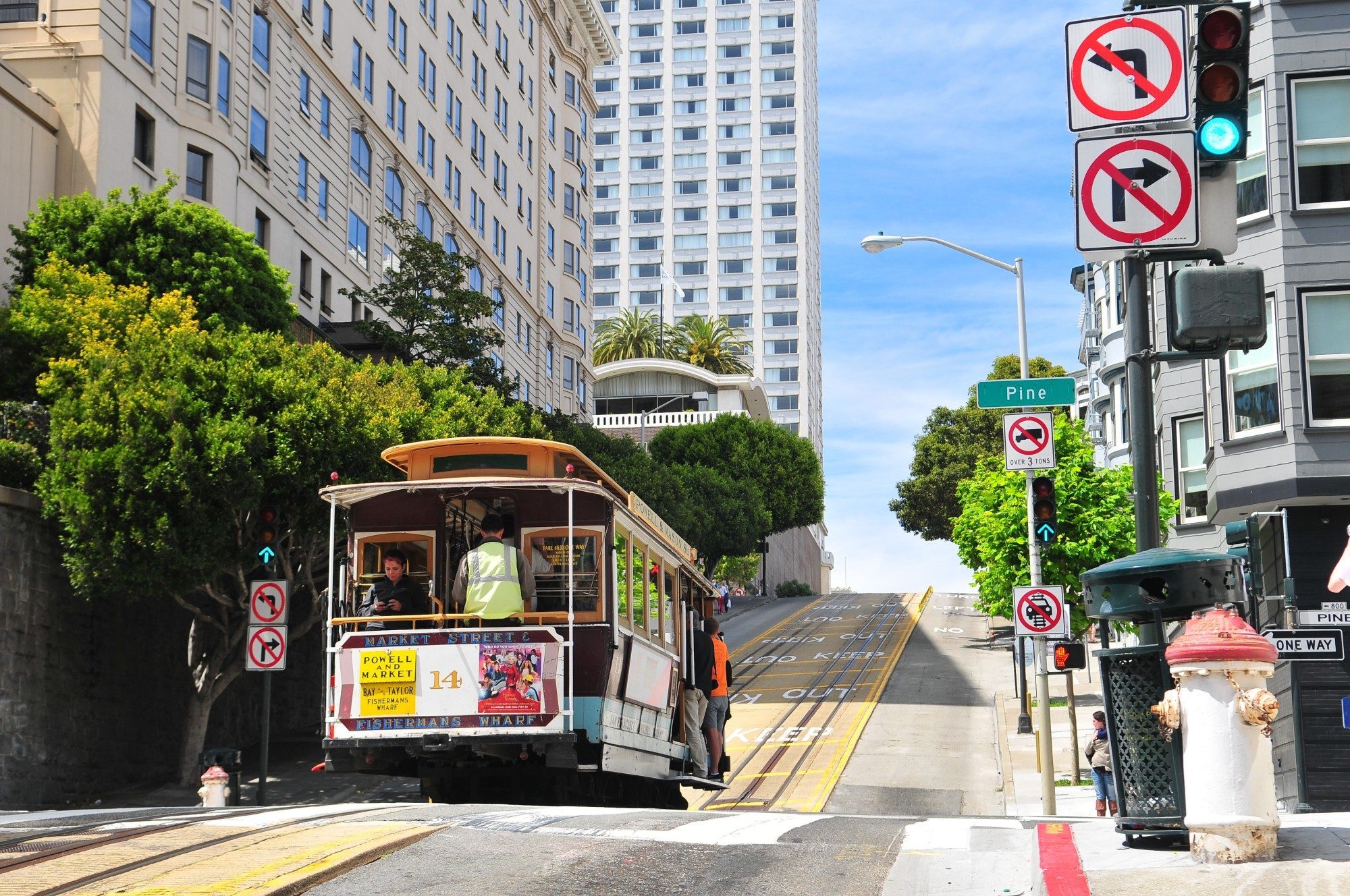
- San Francisco is celebrated for its iconic landmarks such as the Golden Gate Bridge, Alcatraz Island, and its diverse neighborhoods like Chinatown and North Beach. It offers a compact, hilly urban landscape with a rich history and a vibrant cultural scene.
- San Jose, on the other hand, provides a different experience. It is known for its more Mediterranean climate, extensive park systems like Guadalupe River Park, and attractions such as the Tech Interactive museum and the historic Winchester Mystery House. Its layout is more spread out, characteristic of many California cities.
The ability to easily travel between these distinct urban environments within a reasonable timeframe allows travelers to experience the full spectrum of what the San Francisco Bay Area has to offer, from the historic charm and iconic vistas of San Francisco to the innovative spirit and sunny disposition of San Jose.
Planning Your Journey: Practical Considerations
When planning travel between San Francisco and San Jose, several practical considerations can help ensure a smooth and efficient journey.
Choosing the Right Mode of Transport
The best mode of transport depends on individual priorities.
- For Speed and Flexibility: Driving offers the most flexibility, allowing you to depart and arrive at your desired times and make stops along the way. However, you must factor in potential traffic delays and the cost of gas and parking.
- For Predictability and Relaxation: Caltrain is an excellent choice for a predictable travel time, especially during peak hours. It’s also ideal if you prefer not to deal with driving and parking in congested urban areas.
- For Budget-Conscious Travelers: Intercity buses or ride-sharing can sometimes offer more economical options, though travel times may be extended.
Leveraging Technology for Real-Time Information
In the San Francisco Bay Area, real-time information is invaluable.
- Navigation Apps: Utilize apps like Google Maps or Waze when driving. These applications provide live traffic updates, suggest alternative routes to avoid congestion, and offer accurate estimated travel times.
- Public Transit Apps: For Caltrain and BART, check their official websites or use transit apps for real-time train schedules, delays, and service alerts.
Accommodation and Logistics
If your visit involves staying in one city while frequently visiting the other, consider where you choose to book your accommodation. Staying in a location with easy access to Caltrain stations in either San Francisco or San Jose can significantly ease your intercity travel. Many hotels in both cities cater to business travelers and tourists, offering varying amenities and price points.
By understanding the distances, transportation options, and practicalities, travelers can confidently navigate the connection between San Francisco and San Jose, maximizing their experience of this dynamic and captivating region of California.
LifeOutOfTheBox is a participant in the Amazon Services LLC Associates Program, an affiliate advertising program designed to provide a means for sites to earn advertising fees by advertising and linking to Amazon.com. Amazon, the Amazon logo, AmazonSupply, and the AmazonSupply logo are trademarks of Amazon.com, Inc. or its affiliates. As an Amazon Associate we earn affiliate commissions from qualifying purchases.