
For many travelers exploring the diverse culinary landscape of the United States, the quest for familiar comfort food or a taste of “Americana” is often part of the journey. Among the various fast-casual and quick-service establishments that dot the nation, Boston Market once held a significant, if not iconic, position. Known for its rotisserie chicken, mashed potatoes, and an array of home-style sides, it represented a particular segment of American dining culture. Its presence, or indeed its absence, can significantly influence a tourist’s perception of local food options and contribute to their overall travel narrative. The question of “how many Boston Markets are left?” is not merely a quantitative inquiry for a corporate spreadsheet; it’s a reflection of evolving dining trends, the resilience of a beloved brand, and how accessible a particular culinary experience remains for those traversing the country. Its diminishing footprint tells a story about the challenges of maintaining a unique identity in a hyper-competitive food industry and the nostalgia that often accompanies the search for familiar tastes in unfamiliar places.
The Culinary Footprint of Boston Market in American Tourism
For decades, Boston Market carved out a distinct niche in the American dining scene, offering an alternative to traditional fast food that resonated with travelers seeking something akin to a home-cooked meal without the fuss. Its menu, centered around whole rotisserie chickens and a generous selection of sides like creamed spinach, sweet potato casserole, and cornbread, provided a comforting familiarity often sought by visitors far from home. This unique positioning allowed it to become a subtle, yet integral, part of the broader American food experience for tourists.
A Legacy of Home-Style Dining
Founded in 1985 in Newton, Massachusetts (originally as Boston Chicken), the chain quickly expanded, promising a healthier, more wholesome meal option than many of its contemporaries. For tourists, this meant an accessible point of entry into a specific type of American comfort food culture. Unlike the pervasive burger joints or pizza parlors, Boston Market offered a taste of Sunday dinner any day of the week. This appealed to families on road trips, business travelers looking for a quick yet substantial meal, and international visitors curious about everyday American dining beyond the Golden Arches or deep-fried offerings. Its consistent menu across various states provided a reliable option, a gastronomic touchstone for those navigating unfamiliar culinary territories. This reliability became a form of comfort, reducing decision fatigue and offering a predictable, satisfying meal experience.
From Rotisserie Chicken to Tourist Nostalgia
The chain’s popularity peaked in the mid-1990s, with hundreds of locations nationwide. During this era, encountering a Boston Market was a common occurrence, making it a recognizable part of the roadside landscape for travelers. For many, stopping at a Boston Market became entwined with travel memories—a quick dinner before checking into a hotel, a convenient lunch stop between attractions, or a simple, satisfying meal after a long day of sightseeing. The aroma of roasting chicken became synonymous with a pit stop, an oasis of dependable flavor amidst the unfamiliar. As the number of locations began to dwindle in the 21st century, these memories transformed into a sense of nostalgia. For repeat visitors to the United States or domestic travelers revisiting old routes, the search for a surviving Boston Market often becomes a pilgrimage—a way to reconnect with past travel experiences and savor a taste that evokes a specific time and place. This adds a layer of cultural significance, positioning the remaining restaurants as informal landmarks of a particular period in American dining history.
Navigating the Evolving Landscape: Where to Find Boston Market Today
The narrative of Boston Market is one of boom, bust, and persistent struggle, a story that profoundly impacts its visibility and accessibility for today’s tourists. The answer to “how many are left?” is a moving target, reflective of dynamic shifts in consumer preferences, economic pressures, and corporate restructuring. For the contemporary traveler, locating a Boston Market requires more intentional effort than it once did, transforming the dining experience from a casual stop to a purposeful destination for those seeking its specific brand of comfort food.
The Decline and Resurgence Narrative
Following its rapid expansion in the 1990s, Boston Market faced significant financial challenges, leading to bankruptcy in 1998 and subsequent acquisitions. The chain saw a drastic reduction in its store count from over 1,100 at its peak to several hundred by the early 2000s. While there have been periods of attempted revitalization, particularly under new ownership, the overall trend has been one of contraction. The COVID-19 pandemic further exacerbated these challenges, leading to additional closures across the United States. This decline means that what was once a ubiquitous option for travelers is now a more elusive find. For food tourists or those nostalgic for the brand, knowing the current status is crucial. The remaining locations represent not just a business operation, but a remnant of a culinary era, making them points of interest for a certain demographic of traveler. Checking online directories and recent reviews becomes an essential step for anyone hoping to incorporate a Boston Market stop into their travel plans, underscoring its shift from a convenience to a curated experience.
Geographic Concentrations and Tourist Accessibility
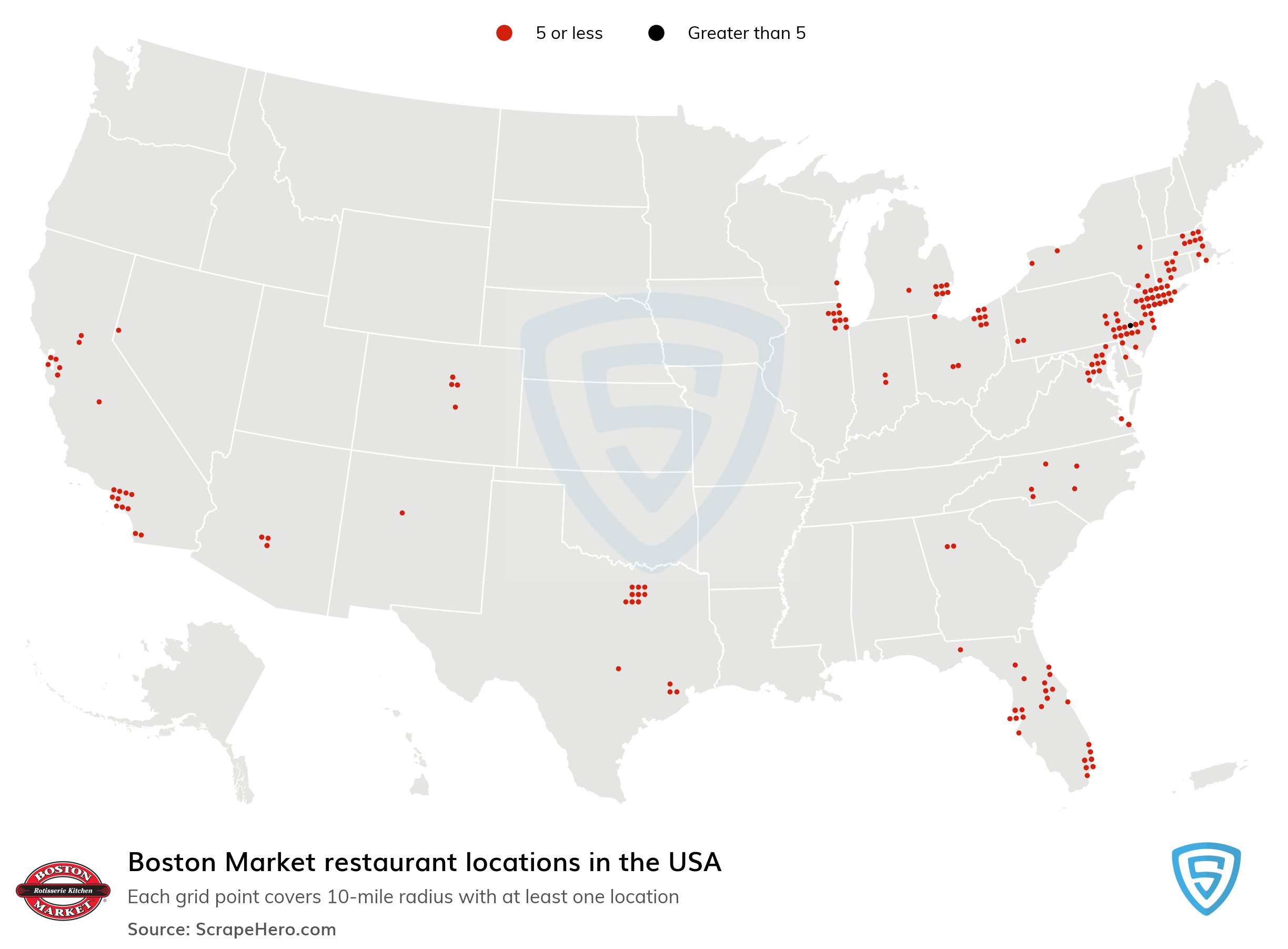
While precise, up-to-the-minute numbers are fluid, reports typically indicate a fluctuating presence of fewer than 100 operating Boston Market restaurants across the nation. These remaining locations are not evenly distributed. They tend to be concentrated in specific regions and metropolitan areas that historically demonstrated strong customer loyalty or strategic importance for the brand. Travelers are more likely to encounter a Boston Market in states like California, Florida, Texas, and the Northeast, particularly in suburban commercial centers rather than prime tourist districts.

For example, a tourist exploring the beaches of Florida or the theme parks of California might still find a Boston Market within a short drive from major attractions, offering a familiar dining alternative amidst diverse local cuisines. Conversely, in regions where the chain had less penetration or experienced significant closures, like parts of the Midwest or the Pacific Northwest, the chances of stumbling upon one are significantly diminished. This geographic unevenness requires tourists to plan ahead if their itinerary includes a craving for Boston Market’s signature rotisserie chicken, making each operational location a small beacon for those in the know.
Boston Market as a Cultural Landmark for Travelers
Beyond its menu, Boston Market embodies a certain aspect of American culinary culture—a blend of convenience, comfort, and mass appeal. For travelers, especially international visitors, exploring the diverse array of chain restaurants is as much a part of understanding local culture as visiting historical sites or museums. These establishments, including the dwindling number of Boston Market locations, offer a window into everyday American life and dietary habits, making them informal cultural landmarks in their own right.
A Taste of Americana: Why it Matters to Visitors
For many tourists, particularly those from outside the United States, the idea of “American food” extends far beyond fine dining or regional specialties. It encompasses the accessible, everyday meals consumed by millions. Boston Market, with its focus on roasted meats and classic sides, offers a distinctive “taste of Americana” that differs from the ubiquitous burgers and fries. It represents a specific approach to quick, hearty, family-style meals that is culturally resonant. Experiencing a Boston Market meal allows visitors to participate in a common American dining ritual, providing insight into the comfort food preferences of the nation. It’s an opportunity to observe how Americans dine casually, what kind of value and convenience they seek, and the types of flavors that are considered universally appealing. This experiential learning is a valuable component of cultural tourism, enriching a traveler’s understanding of the country beyond its major attractions.
Integrating Local Dining into Travel Itineraries
For intrepid foodies or cultural explorers, seeking out surviving Boston Market locations can be an intentional part of their travel itinerary. It transforms a simple meal into a cultural quest, a hunt for a disappearing icon. This approach mirrors the broader trend in tourism where travelers actively seek authentic local experiences, which can include unique or historically significant dining establishments, even if they are part of a national chain. For domestic travelers, particularly those who remember the chain’s heyday, visiting a Boston Market can be an act of culinary nostalgia, revisiting childhood memories or past road trips. This type of dining experience bridges the gap between historical observation and personal connection, making the meal itself a memorable part of the journey. Whether for a quick, familiar bite or as a deliberate cultural exploration, the remaining Boston Market restaurants continue to hold a unique place in the broader American tourism landscape.
The Future of a Beloved Brand in the Tourism Ecosystem
The ongoing existence of Boston Market is a testament to its enduring appeal, yet its reduced footprint raises questions about its long-term viability and its role within the evolving tourism ecosystem. As travel trends shift towards greater emphasis on health, sustainability, and unique local experiences, how does a legacy chain like Boston Market adapt to remain relevant to contemporary tourists? The answer lies in its ability to innovate while retaining the core elements that originally endeared it to generations of diners and travelers.
Adapting to Modern Palates and Travel Trends
Modern travelers are increasingly health-conscious and seek transparent sourcing, fresh ingredients, and diverse dietary options. While Boston Market’s rotisserie chicken can be perceived as a healthier fast-food alternative, the chain faces pressure to update its menu and brand image to align with current consumer preferences. This could involve introducing more plant-based options, emphasizing the quality and origin of its ingredients, or offering customizable meal kits that cater to different dietary needs. For tourists, an updated Boston Market could re-emerge as a viable and attractive dining option, especially in areas with limited choices. Furthermore, the rise of digital ordering, delivery services, and contactless dining experiences, accelerated by the COVID-19 pandemic, presents both challenges and opportunities. Integrating these technologies can enhance convenience for travelers, allowing them to easily access comfort food from their hotel rooms or while on the go, making the brand more accessible and appealing to a new generation of visitors.

Preservation of Culinary Heritage
Despite its challenges, the mere survival of Boston Market in certain locations allows for the preservation of a particular aspect of American culinary heritage. For tourists, especially those interested in cultural anthropology through food, these remaining restaurants are living museums of fast-casual dining evolution. They offer a tangible link to a past era of American road trips and family meals. As other regional or national chains vanish, the establishments that endure become more significant.
The brand has demonstrated resilience, even in the face of significant adversity, highlighting a loyal customer base that includes travelers seeking a consistent and familiar dining experience. For the tourism industry, understanding the continued appeal of such brands is crucial. Boston Market represents a form of culinary stability, a dependable option amidst a sea of ever-changing dining trends. While the number of locations continues to fluctuate, each remaining restaurant serves as a reminder of its journey and its ongoing, albeit niche, place in the heart of America’s diverse food landscape, ready to welcome travelers seeking a taste of the familiar.
LifeOutOfTheBox is a participant in the Amazon Services LLC Associates Program, an affiliate advertising program designed to provide a means for sites to earn advertising fees by advertising and linking to Amazon.com. Amazon, the Amazon logo, AmazonSupply, and the AmazonSupply logo are trademarks of Amazon.com, Inc. or its affiliates. As an Amazon Associate we earn affiliate commissions from qualifying purchases.