
Navigating the distances between two popular Texas cities is a common consideration for travelers and locals alike. Understanding the proximity of San Marcos to Austin, Texas, is crucial for planning day trips, weekend getaways, or simply commuting. While these cities are distinct in their own right, their close geographical relationship makes them easily accessible to one another, offering a wealth of experiences for those who venture between them. This exploration delves into the precise distance, the various travel times, and the factors that influence the journey, providing a comprehensive guide for anyone looking to bridge the gap between these two vibrant Texas hubs.

The Core Distance: Miles and Metrics
The most straightforward answer to “How far is San Marcos from Austin, Texas?” lies in the measured mileage between their respective city centers. The driving distance from downtown Austin to downtown San Marcos is approximately 30 miles. This figure, while a solid baseline, can fluctuate slightly depending on the exact starting and ending points within each city. For instance, if you’re departing from a northern suburb of Austin or heading to the western edge of San Marcos, the mileage will naturally increase.
Understanding the Primary Route
The predominant and most efficient route connecting Austin and San Marcos is via Interstate 35 (I-35). This major North-South freeway serves as the primary artery for traffic flowing between these two cities and extends much further north into Dallas and south towards San Antonio. For the majority of the journey, drivers will be on I-35 South when traveling from Austin to San Marcos, and I-35 North when making the return trip. The highway is well-maintained and typically offers multiple lanes in each direction, designed to handle significant traffic volumes.
Alternative Routes and Considerations
While I-35 is the most direct path, there are sometimes alternative routes that might be considered, particularly if traffic on the interstate is exceptionally heavy or if one prefers a more scenic, albeit slower, journey.
- State Highway 812 (SH 812): This route can offer a slightly less direct but potentially less congested alternative, especially for those traveling from the southeastern parts of Austin. It eventually merges with other local roads that lead into San Marcos.
- Farm to Market (FM) Roads and Local Streets: For very specific starting and ending points, a combination of local roads, FM roads, and smaller state highways might be utilized. These routes are generally slower and require more navigation but can be useful for bypassing major traffic bottlenecks.
However, for the standard traveler seeking the quickest and most efficient way, I-35 remains the undisputed champion.
Travel Time: The Dynamic Factor
While the physical distance is a constant, the time it takes to travel between San Marcos and Austin is highly variable. Several factors can significantly influence your journey time.
The Influence of Traffic Conditions
Texas has experienced significant population growth, and its major urban corridors, including I-35, are often subject to considerable traffic congestion.
- Peak Hours: Commuting during typical rush hours—morning (roughly 7:00 AM to 9:00 AM) and evening (roughly 4:00 PM to 6:30 PM) on weekdays—can dramatically increase travel time. During these periods, the 30-mile drive could extend to anywhere from 45 minutes to over an hour, or even longer in severe cases.
- Special Events: Major events in either Austin (like the Austin City Limits Music Festival or a Texas Longhorns football game at Darrell K. Royal–Texas Memorial Stadium) or San Marcos (such as the San Marcos River Festival) can also lead to localized traffic increases.
- Construction: Road construction is a persistent reality on I-35 as the corridor undergoes continuous expansion and improvements to accommodate growing traffic volumes. Unexpected construction zones can create significant delays.
Typical Travel Times
Under optimal conditions, with light to moderate traffic, the drive from Austin to San Marcos can be completed in approximately 30 to 40 minutes. This is the benchmark for a smooth, unimpeded journey.
Utilizing Navigation Tools
To best manage travel time, it is highly recommended to use real-time navigation applications such as Google Maps, Waze, or Apple Maps. These tools constantly monitor traffic conditions, suggest alternative routes if necessary, and provide up-to-the-minute estimated arrival times, allowing you to make informed decisions about your departure and route.
Modes of Transportation: Beyond the Personal Vehicle
While driving a personal vehicle is the most common method of travel between San Marcos and Austin, other options are available and worth considering depending on individual needs and preferences.
Public Transportation Options
Public transit options are somewhat limited for direct inter-city travel between San Marcos and Austin, but they do exist.
- Greyhound Bus: Greyhound operates regular bus services between the two cities. This can be a cost-effective option, particularly for those who prefer not to drive or are traveling without a car. The bus journey time can be comparable to or slightly longer than driving, depending on the number of stops and traffic.
- University of Texas at Austin Shuttle (Limited): While not a direct public transit line for general commuters, the University of Texas at Austin sometimes offers shuttle services that might connect to areas accessible to San Marcos students or staff, though these are typically for enrolled individuals.
Ride-Sharing Services
Ride-sharing platforms like Uber and Lyft operate extensively in the Austin metropolitan area and are available in San Marcos.
- Convenience: For a door-to-door service without the hassle of parking, ride-sharing can be a convenient choice. The cost will, of course, be higher than public transport or driving oneself, especially during peak times or surge pricing.
- Availability: While readily available in Austin, availability of drivers in San Marcos might be more sporadic, especially for immediate pickups, so planning ahead is advised.
Cycling and Walking (for the Adventurous)
While not a practical primary mode of transport for the 30-mile distance, for those seeking an extreme adventure or specific training, cycling the route is technically possible. However, due to the high speeds and traffic volume on I-35 and even some connecting roads, this is strongly discouraged due to safety concerns. Localized cycling within each city is, of course, a popular and enjoyable activity.
The Interconnectivity: What Lies Between
The short distance between San Marcos and Austin is not just about mileage; it’s about the seamless integration of experiences and the easy access to a diverse range of attractions. Understanding this proximity enhances the appeal of visiting both cities.
A Gateway to Hill Country Adventures
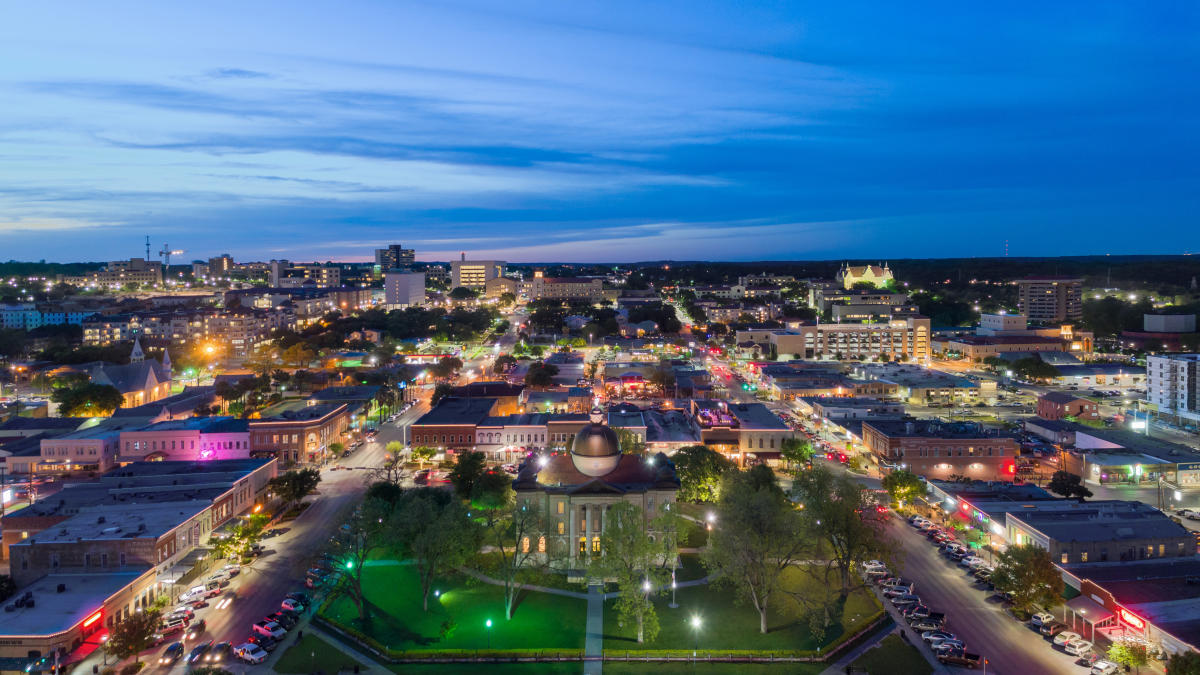
San Marcos itself is a vibrant city known for its beautiful San Marcos River, a popular destination for tubing, kayaking, and swimming. Its historic downtown area offers unique shopping opportunities, including the San Marcos Premium Outlets, a major shopping destination.
- Nature and Recreation: Beyond the river, the surrounding Texas Hill Country offers stunning landscapes, wineries, and opportunities for hiking and exploring.
- University Town Charm: As home to Texas State University, San Marcos possesses a youthful energy, with a lively music scene and diverse culinary offerings.
Proximity to Austin’s Urban Excitement
Austin, the state capital, is renowned for its live music scene, innovative culinary landscape, outdoor activities, and thriving tech industry.
- Live Music Capital of the World: Exploring iconic venues like The Continental Club or catching a show on South Congress Avenue is a quintessential Austin experience.
- Culinary Delights: From world-class barbecue to a burgeoning vegan food scene, Austin offers a gastronomic journey for every palate.
- Outdoor Pursuits: Lady Bird Lake, Zilker Park, and the Greenbelt provide ample opportunities for recreation within the city limits.

A Strategic Location for Exploration
The short distance means travelers can easily base themselves in one city and explore the other without significant travel time. This strategic positioning makes the area an excellent hub for experiencing the best of both worlds: the laid-back charm and natural beauty of San Marcos and the dynamic, cosmopolitan energy of Austin. Whether planning a visit for leisure, business, or to simply soak in the unique culture of Central Texas, the proximity of these two cities offers unparalleled convenience and a wealth of diverse experiences.
LifeOutOfTheBox is a participant in the Amazon Services LLC Associates Program, an affiliate advertising program designed to provide a means for sites to earn advertising fees by advertising and linking to Amazon.com. Amazon, the Amazon logo, AmazonSupply, and the AmazonSupply logo are trademarks of Amazon.com, Inc. or its affiliates. As an Amazon Associate we earn affiliate commissions from qualifying purchases.