
The Boston Marathon: A Quintessential Bostonian Experience
The Boston Marathon is not just a race; it’s an institution, a symbol of resilience, and a vibrant cultural celebration deeply embedded in the identity of Boston and the broader Massachusetts community. Held annually on Patriots’ Day, the third Monday in April, this iconic event draws hundreds of thousands of spectators and some 30,000 runners from across the globe. For tourists, experiencing the Boston Marathon is an unparalleled opportunity to witness history in motion, feel the electric energy of the crowd, and engage with the local spirit. Understanding the race’s schedule, particularly its staggered start times, is paramount for anyone planning to immerse themselves in this unique spectacle.

The marathon’s rich history, dating back to 1897, makes it the world’s oldest annual marathon. Its challenging 26.2-mile course, stretching from Hopkinton to Boston’s Boylston Street finish line, has become legendary, particularly for its infamous Heartbreak Hill in Newton. As a tourist, knowing when the various divisions begin allows for strategic planning, ensuring you don’t miss the thrilling start of the elite runners or the inspiring determination of the citizen athletes. Without a clear grasp of the timing, you might find yourself waiting for hours or, worse, missing the moments you traveled to witness.
Decoding the Marathon Schedule: Start Times for Every Category
The Boston Marathon employs a wave start system to manage the massive number of participants, ensuring safety and a smoother race flow. For tourists, this means that the action isn’t concentrated at a single moment; it unfolds over several hours, offering multiple opportunities to catch different segments of the race. While exact times can vary slightly year to year, the general sequence and approximate timings remain consistent.
Official Start Times and Why They Matter to Spectators
The earliest starts are typically reserved for the specialized divisions, followed by the professional athletes, and then the general waves of qualified amateur runners. Here’s a typical breakdown:
- Wheelchair Division: The professional men’s and women’s wheelchair races typically kick off the day, often around 9:00 AM. These athletes are incredibly fast, and their race can be a blur if you’re not positioned early. Catching them at the start or early segments requires early arrival.
- Handcycle & Duos: Following the wheelchairs, the handcycle and duo participants usually start around 9:05 AM.
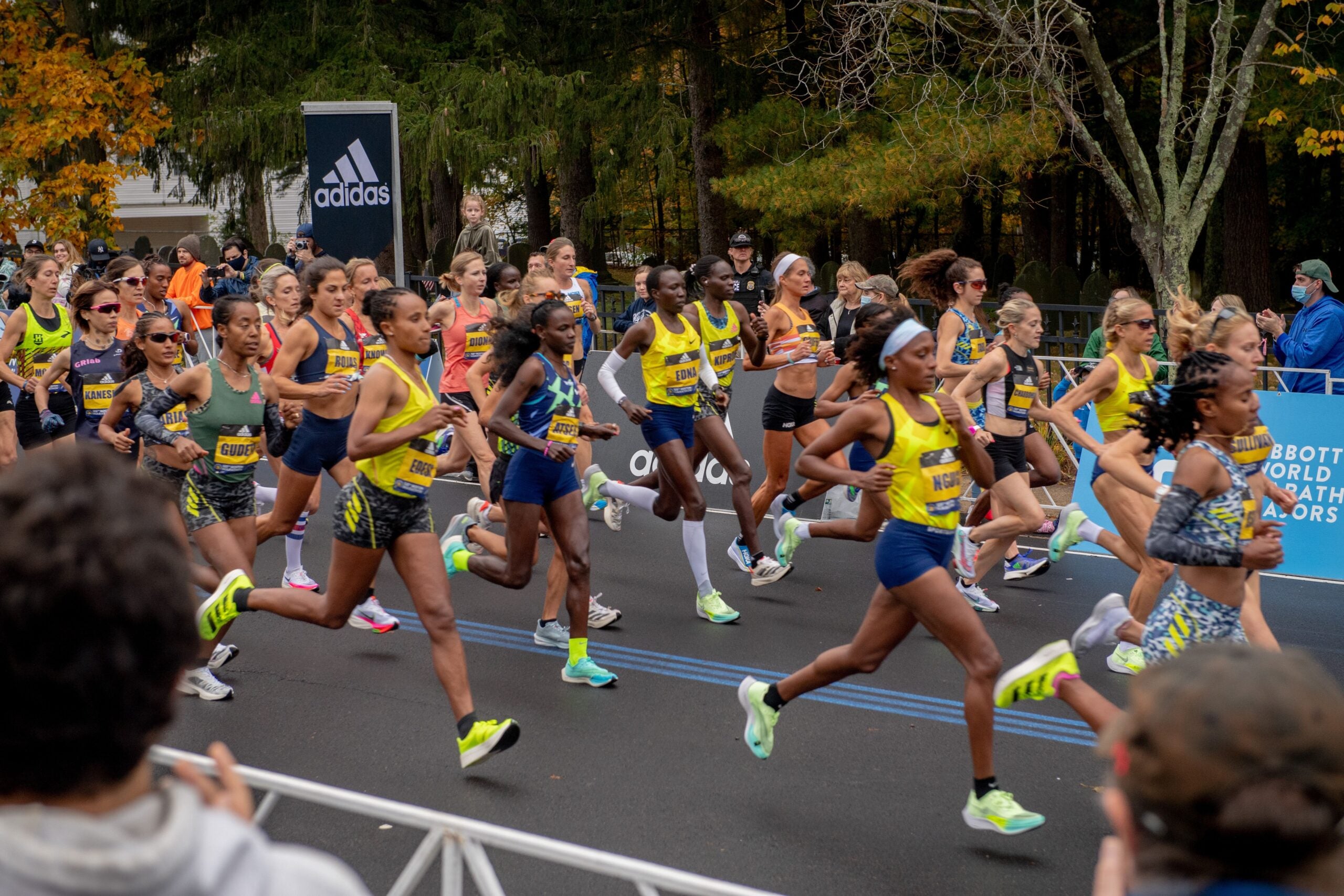
- Professional Women: The elite female runners, a spectacle of speed and strategy, usually start their race around 9:30 AM. Their pace is blistering, and watching them pass by is an exhilarating experience.
- Professional Men: The world’s top male marathoners typically begin their quest for glory around 10:00 AM. This is often the most anticipated start for many spectators, featuring global running legends.
- Para Athletics Divisions: Various para athletics divisions often start around 10:25 AM, showcasing incredible athletic diversity.
- Wave 1: The first wave of general field runners (the fastest qualifiers) usually sets off around 10:40 AM.
- Wave 2: The second wave typically begins around 11:00 AM.
- Wave 3: This wave usually starts around 11:25 AM.
- Wave 4: The final wave of runners embarks on their journey around 11:50 AM.
These staggered starts are crucial for tourists. If you want to see the elite athletes, you need to be in position well before their designated start times. If your interest lies more in the sheer volume and diverse stories of the general field, knowing the later wave times allows you to plan your arrival at a viewing spot to coincide with the bulk of the runners.
Planning Your Day Around the Waves
To truly maximize your experience, consider a viewing strategy that accounts for these timings. For example, if you wish to see the professional men and women, staking out a spot along the first few miles in Hopkinton or Framingham early in the morning is essential. Alternatively, if you prefer the festive atmosphere of the later miles, such as Brookline or the finish area, you can time your arrival to see the mid-pack runners or even the final finishers, who often cross the line well into the afternoon. Public transportation will be heavily impacted, so understanding the timings helps you navigate the city efficiently.
Maximizing Your Marathon Day as a Tourist
Experiencing the Boston Marathon as a tourist requires thoughtful planning, especially concerning viewing spots, transportation, and local sustenance. The entire city of Boston transforms into a giant festival, and knowing how to navigate it will enhance your day significantly.
Strategic Viewing Spots Along the Course

Choosing your viewing spot wisely is key to an unforgettable marathon experience. Each section of the course offers a distinct atmosphere:
- The Start in Hopkinton: Getting to Hopkinton is an adventure in itself, often requiring early morning travel via shuttle or pre-arranged transport, as road closures are extensive. However, witnessing the excitement and anticipation at the start line, particularly for the elite athletes, is electric.
- The Scream Tunnel at Wellesley College: Approximately halfway through the race, the runners pass through Wellesley. The students of Wellesley College create the famous “Scream Tunnel,” offering high-fives and deafening cheers. It’s an incredibly lively and unique spot, easily accessible by commuter rail to Wellesley Square (though expect crowds).
- Newton Hills (Including Heartbreak Hill): This infamous stretch between miles 16 and 21 is where the marathon truly tests its participants. While challenging for runners, it offers a dramatic viewing experience for spectators. Heartbreak Hill, the last of the four hills, is a focal point of resilience. Getting here requires some planning, but the raw emotion on display is palpable.
- Boston Common and Copley Square: As the race enters the city, the atmosphere intensifies. Areas around Boston Common and the Boston Public Library in Copley Square offer excellent vantage points for the final miles.
- The Boylston Street Finish Line: This is the most coveted and hardest-to-access spot. Security is incredibly tight, and viewing requires credentials or arriving many hours in advance to claim a spot behind barriers, often with limited visibility. Many prefer to watch the finish from nearby restaurants or bars with televisions.
Transportation and Logistics for Spectators
Public transportation, primarily the MBTA (Boston’s subway and bus system), is the recommended way to get around on Patriots’ Day. However, be prepared for severe overcrowding, delays, and planned route adjustments or station closures along the marathon course. Familiarize yourself with the MBTA map and check for real-time alerts. Driving is highly discouraged due to extensive road closures and nonexistent parking. Walking between viewing spots in the city center is often the most reliable option, but wear comfortable shoes!
Local Food and Refreshments Along the Route
Many restaurants and cafes along the marathon route embrace the festive spirit, offering special menus or extended hours. In Newton and Brookline, local eateries will be bustling. Once in Boston, the options are endless. Consider grabbing a classic Boston clam chowder or a lobster roll. If you’re near the North End, indulge in some Italian pastries or a hearty meal. Always carry water and snacks, as finding refreshments can be challenging amidst the crowds, especially if you’re settled into a prime viewing spot.
Beyond Race Day: Immersing in Boston’s Culture During Marathon Weekend
While race day is the highlight, the entire marathon weekend offers a wealth of activities for tourists to dive into Boston’s unique culture.
The John Hancock Sports & Fitness Expo: Typically held at the Hynes Convention Center in the days leading up to the race, this expo is a must-visit. Even if you’re not running, it’s a vibrant hub where you can pick up official merchandise, learn about running technology, and soak in the pre-race excitement. It’s an excellent way to feel connected to the event.
Patriots’ Day Celebrations: Remember, the marathon falls on Patriots’ Day, a Massachusetts state holiday commemorating the Battles of Lexington and Concord. You can experience historical reenactments in towns like Lexington and Concord earlier in the morning, which provides a fascinating glimpse into American history before the marathon begins.
Exploring Boston’s Historical Landmarks: Take advantage of your visit to explore Boston’s iconic sites. Walk the Freedom Trail, visit Faneuil Hall, or stroll through the Boston Common and Public Garden. Many of these sites are either directly on the marathon course or just a short walk away, allowing you to combine sightseeing with marathon viewing.
Dining and Entertainment: Boston’s culinary scene is robust. Beyond the immediate marathon route, explore diverse neighborhoods. Enjoy fresh seafood in the Seaport District, classic Italian fare in the North End, or sophisticated dining in the Back Bay. Booking restaurant reservations in advance is highly recommended, as the city will be bustling.
Essential Tips for First-Time Marathon Tourists
- Dress in Layers: New England spring weather can be unpredictable. Be prepared for anything from warm sunshine to chilly rain.
- Wear Comfortable Shoes: You’ll be doing a lot of walking, both to and from viewing spots and along the course.
- Stay Hydrated: Carry a reusable water bottle. Many establishments will refill it for you, and it’s essential amidst the crowds.
- Have a Meeting Plan: If you’re with a group, establish clear meeting points and times, as cell service can be spotty with so many people.
- Respect Runners and Residents: Maintain clear paths for runners and be mindful of private property along the route. Cheer enthusiastically but respectfully.
- Arrive Early: For prime viewing spots, especially along the city sections, arriving several hours before the first runners are expected is crucial.
- Utilize Technology: Follow official Boston Marathon social media channels and download the official app for real-time updates on runner tracking and event information.
- Be Mindful of Security: Expect heightened security. Follow instructions from law enforcement and volunteers. Large bags are generally discouraged.
By understanding the start times and planning your visit with these tips in mind, you’re set for an incredible tourist experience at the Boston Marathon, an event that truly showcases the spirit and vibrancy of Boston.
LifeOutOfTheBox is a participant in the Amazon Services LLC Associates Program, an affiliate advertising program designed to provide a means for sites to earn advertising fees by advertising and linking to Amazon.com. Amazon, the Amazon logo, AmazonSupply, and the AmazonSupply logo are trademarks of Amazon.com, Inc. or its affiliates. As an Amazon Associate we earn affiliate commissions from qualifying purchases.