
Embarking on a journey from the vibrant, neon-lit entertainment capital of Las Vegas, Nevada, to the serene, spiritual red rock country of Sedona, Arizona, is a popular choice for travelers seeking a profound contrast in their experiences. While Las Vegas offers a whirlwind of excitement and indulgence, Sedona invites introspection, natural beauty, and outdoor adventure. Understanding the logistics of this trip—primarily the distance and various travel options—is crucial for planning an unforgettable desert escape. This guide will delve into every aspect of traveling from Las Vegas to Sedona, ensuring a smooth and enjoyable transition between these two iconic Southwestern destinations.

The Journey Unveiled: Distance and Driving Time
The distance between Las Vegas and Sedona is a key consideration for any traveler. While seemingly straightforward, the actual mileage and time can vary based on the chosen route and how many scenic detours one decides to take. Generally, the trip is an enjoyable drive through diverse desert landscapes and mountainous terrain, offering plenty of opportunities for exploration.
The Direct Route: I-40 East
The most common and direct driving route from Las Vegas to Sedona covers approximately 280-300 miles, depending on the exact starting and ending points. This route typically takes about 4.5 to 5 hours of pure driving time, not accounting for stops for fuel, food, or sightseeing. Travelers will primarily head southeast out of Las Vegas on U.S. Route 93 (US-93) South, passing through areas like Hoover Dam and Kingman, Arizona. From Kingman, the journey continues east on Interstate 40 (I-40) towards Flagstaff. Once near Flagstaff, drivers will exit I-40 and take Arizona State Route 89A South, a scenic road that winds directly into Sedona, offering stunning red rock views as a dramatic introduction to the town. This path is straightforward, mostly highway driving, making it efficient for those eager to reach their destination.
Scenic Alternatives: Exploring the Southwest
For those with more time and a desire for scenic exploration, there are alternative routes that add both mileage and character to the journey. One popular detour involves a visit to the Grand Canyon National Park. Instead of continuing directly to Flagstaff from I-40 near Williams, travelers can head north on AZ-64 to the South Rim of the Grand Canyon. This detour significantly extends the trip, adding several hours to the drive and necessitating an overnight stay to truly experience the canyon’s grandeur. From the Grand Canyon Village, one can then head south through Flagstaff to Sedona. This route transforms a simple drive into a multi-day adventure, showcasing one of the world’s most breathtaking natural wonders. Another option could involve exploring sections of Historic Route 66 between Kingman and Williams, passing through charming towns like Seligman and Ash Fork, offering a nostalgic glimpse into America’s past.
Factors Influencing Travel Time
Several factors can influence the actual travel time from Las Vegas to Sedona. Traffic, especially when leaving Las Vegas on a Friday afternoon or returning on a Sunday evening, can add considerable delays. Construction zones are also common on major interstate highways and can slow down progress. Weather conditions, particularly during winter months, can impact travel, especially on higher elevation roads around Flagstaff and the Grand Canyon, where snow and ice are possible. Finally, personal preferences for stops—whether for food, gas, or simply to stretch your legs and admire the views—will extend the total journey time. It is always wise to factor in extra time beyond the estimated pure driving duration.
Navigating the Path: Transportation Options
Traveling from Las Vegas to Sedona offers a variety of transportation choices, catering to different budgets, preferences, and travel styles. Each option presents its own set of advantages, from the flexibility of driving oneself to the convenience of guided tours.
Driving Yourself: Freedom on the Open Road
Renting a car and driving yourself is by far the most popular and recommended method for this journey. Rental car agencies such as Hertz, Avis, Enterprise Rent-A-Car, and National Car Rental are readily available at Harry Reid International Airport in Las Vegas. The primary benefit of driving is the unparalleled flexibility it offers. Travelers can stop whenever and wherever they please, whether it’s to visit Hoover Dam, explore a ghost town like Oatman on Historic Route 66, or simply pull over for a scenic photograph. Having a car in Sedona is also highly advantageous, as many trailheads and attractions are spread out and not easily accessible by public transport. Ensure your rental agreement allows for unlimited mileage and check for any potential one-way drop-off fees if you plan not to return to Las Vegas.
Bus Services: A Budget-Friendly Choice
While there are no direct bus services from Las Vegas directly to Sedona, travelers can opt for intercity bus routes that connect major hubs. Typically, this involves taking a bus from Las Vegas to Flagstaff or Phoenix, and then arranging for a separate shuttle or local transport to Sedona. Companies like Greyhound operate routes to Flagstaff. This option is generally more budget-friendly than renting a car or flying, but it comes at the cost of time and convenience. The overall journey will be significantly longer, and transfers can be cumbersome, especially with luggage. It is most suitable for solo travelers on a tight budget who are not pressed for time.
Private Shuttles and Tours: Convenience and Comfort
For those who prefer not to drive but still desire comfort and convenience, private shuttle services and guided tours are excellent alternatives. Several companies offer direct shuttle services from Las Vegas to Sedona, often using comfortable vans or smaller buses. These services typically offer door-to-door pickup and drop-off, removing the stress of navigation and parking. Similarly, multi-day tours often combine the journey with stops at attractions like the Grand Canyon, providing an all-inclusive experience. While generally more expensive than driving or taking a public bus, these options offer a stress-free way to enjoy the scenery and arrive refreshed, making them ideal for families, groups, or travelers who simply want to relax and enjoy the ride.
Flying: The Quickest Option (and its Caveats)
While there are no direct flights to Sedona itself (which has a small regional airport for private planes), the quickest way to cover the distance is to fly from Las Vegas (Harry Reid International Airport) to Phoenix Sky Harbor International Airport (PHX). Airlines such as Southwest Airlines, American Airlines, Delta Air Lines, and United Airlines offer frequent short flights (around 1 hour). Once in Phoenix, travelers would then need to rent a car or arrange a shuttle service for the remaining 2-hour drive to Sedona. While the flight itself is quick, the total travel time, including airport transfers, security checks, and the drive from Phoenix to Sedona, often makes it comparable to or even longer than simply driving directly, especially when factoring in costs. This option is best suited for those connecting from another flight or who have a strong aversion to long drives.
Why Make the Trip? The Allure of Sedona
Beyond the practicalities of distance and travel, the fundamental question for many remains: why travel from Las Vegas to Sedona? The answer lies in the profound contrast and complementary experiences these two Southwestern gems offer, making the journey an essential part of any comprehensive Arizona or Nevada itinerary.
Red Rock Landscapes and Vortex Energy
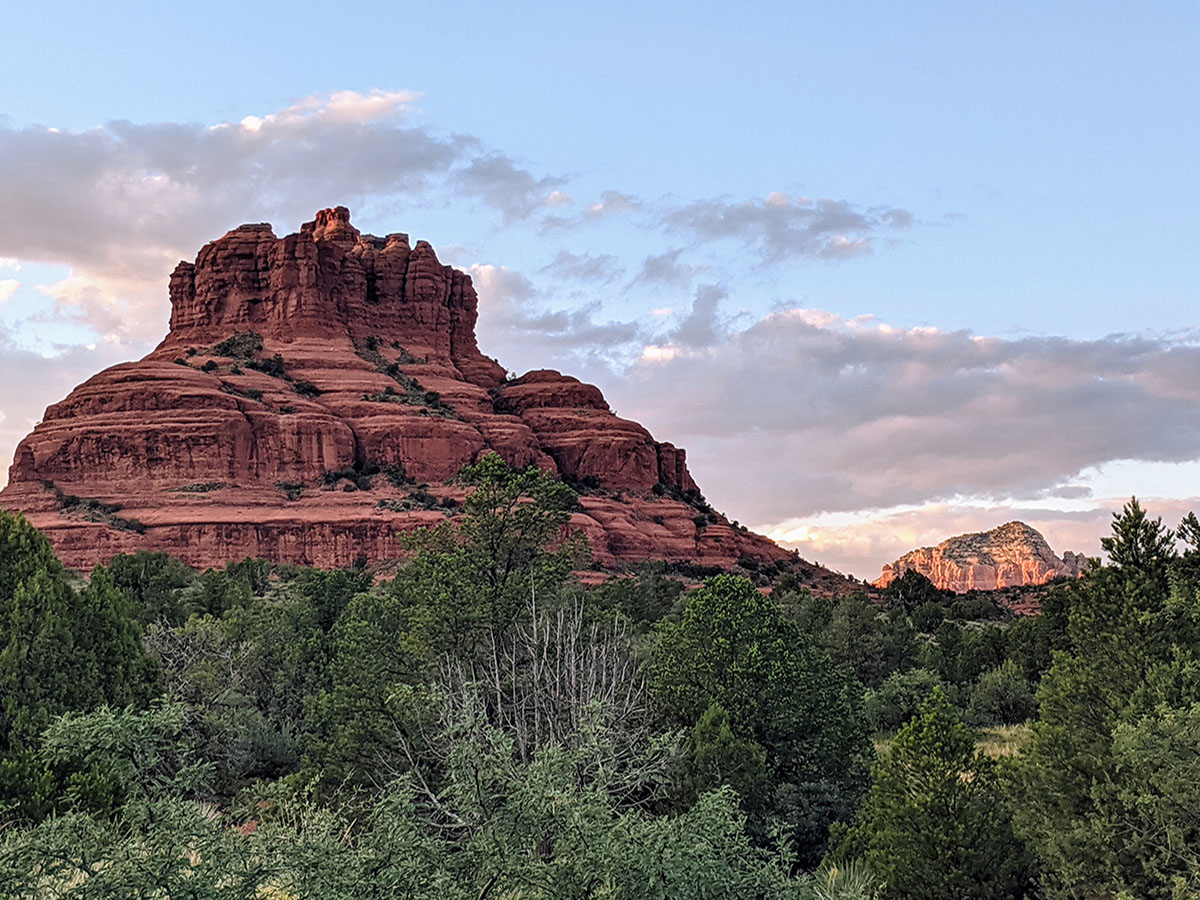
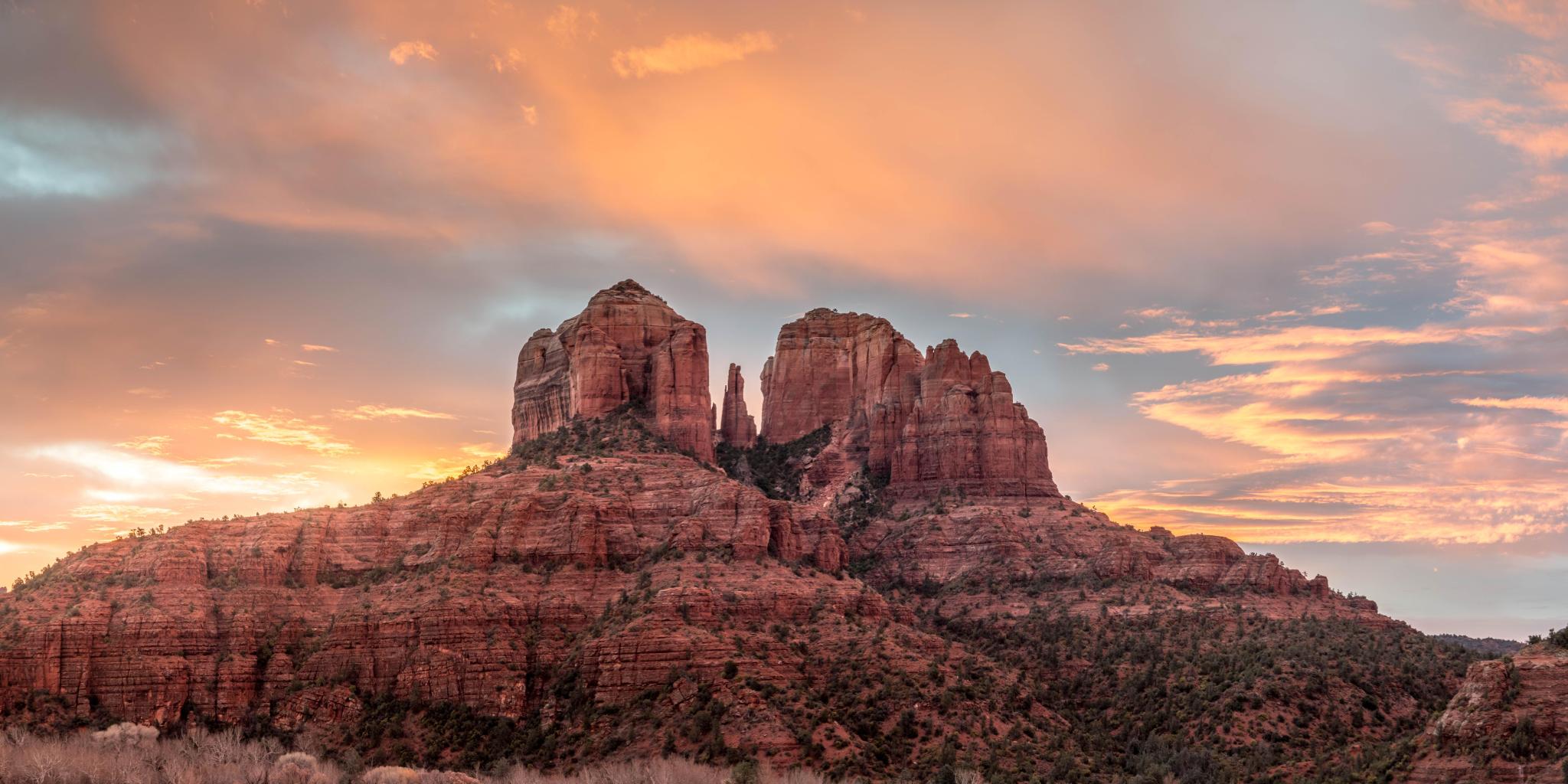
Sedona’s primary draw is its absolutely breathtaking natural beauty. The town is nestled amidst towering crimson cliffs, mesas, and buttes that glow with an ethereal warmth at sunrise and sunset. These iconic red rock formations, like Bell Rock, Cathedral Rock, and Courthouse Butte, create a landscape unlike any other, inviting wonder and awe. Beyond their visual splendor, Sedona is widely renowned for its energy vortexes—sites believed to be swirling centers of subtle energy conducive to healing, meditation, and spiritual enlightenment. Many visitors come specifically to experience these vortexes, which are often found at specific geological locations, enhancing the sense of peace and connection to nature.
Outdoor Adventures: Hiking, Biking, and More
For the active traveler, Sedona is an outdoor paradise. The region boasts an extensive network of trails suitable for all skill levels, from gentle strolls to challenging hikes. Popular hiking trails include those leading to Devil’s Bridge, Boynton Canyon, and West Fork Trail. Mountain biking is another major draw, with world-class trails carving through the red rock terrain. Beyond these, visitors can enjoy rock climbing, jeep tours that explore rugged backcountry, horseback riding, and even hot air balloon rides for a panoramic view of the stunning landscape. The opportunities for adventure are virtually endless, making it a perfect destination for those seeking to reconnect with nature and challenge themselves physically.
Art, Culture, and Wellness
Sedona’s appeal extends beyond its natural environment to its vibrant arts and culture scene. The town is home to numerous art galleries showcasing local and regional artists, often inspired by the surrounding landscape. From Native American crafts to contemporary paintings and sculptures, there is a rich artistic tapestry to explore. Furthermore, Sedona has cultivated a strong reputation as a wellness destination. Complementing the spiritual energy of the vortexes, the town offers an array of spas, meditation centers, yoga studios, and holistic healing practitioners. Visitors can indulge in massages, reiki sessions, sound healing, and a variety of workshops designed to promote well-being and inner peace. This unique blend of natural beauty, adventure, and spiritual enrichment makes Sedona a profoundly rejuvenating escape.
Making the Most of Your Journey: Stopovers and Sights
The drive from Las Vegas to Sedona isn’t just a means to an end; it’s an opportunity to explore some of the Southwest’s most iconic landmarks and hidden gems. Thoughtful planning can transform the drive into an integral part of your vacation experience.
Grand Canyon National Park: A Must-See Detour
Undoubtedly the most famous and spectacular detour is to the Grand Canyon National Park. Located about 2 hours north of Flagstaff (and thus slightly off the direct route to Sedona), the Grand Canyon offers unparalleled vistas that are truly a wonder of the natural world. Many travelers choose to dedicate at least a full day, if not an overnight stay, to explore the South Rim, visit viewpoints like Mather Point and Lipan Point, and perhaps even hike a short distance down one of its famous trails. Combining Las Vegas, the Grand Canyon, and Sedona creates a quintessential Southwest itinerary that showcases the region’s diverse beauty.
Historic Route 66 Towns: A Glimpse into the Past
For history enthusiasts and those nostalgic for classic Americana, a detour onto sections of Historic Route 66 provides a charming step back in time. After passing Kingman, Arizona, you can exit I-40 and drive through towns like Seligman, often referred to as the “birthplace of Historic Route 66.” These towns are replete with vintage diners, quirky gift shops, and roadside attractions that preserve the spirit of the Mother Road. Further along, before reaching Flagstaff, the town of Williams also sits directly on Route 66 and serves as the gateway to the Grand Canyon Railway. These stops offer a delightful contrast to the modern highways and provide unique photo opportunities.
Hoover Dam and Lake Mead: Engineering Marvels
Located just outside Las Vegas on the way to Sedona, the Hoover Dam is an impressive engineering feat that warrants a stop. Visitors can take a tour of the dam, walk across its top, and marvel at the sheer scale of this concrete arch-gravity dam that spans the Colorado River. Adjacent to the dam is Lake Mead, one of the largest reservoirs in North America, offering opportunities for boating, fishing, and enjoying the desert oasis scenery. A visit to the Hoover Dam can easily add 1-2 hours to your travel time but is well worth it for its historical significance and awe-inspiring views.
Planning Your Desert Escape: Essential Tips
A successful trip from Las Vegas to Sedona hinges on thoughtful preparation. Considering a few key factors will enhance your journey and stay, ensuring a seamless and memorable experience in the Arizona desert.
Best Time to Travel
The ideal time to travel from Las Vegas to Sedona is during the spring (March to May) and fall (September to November) months. During these periods, the weather is pleasantly mild, with warm days and cool evenings, perfect for outdoor activities like hiking and sightseeing. Spring brings blooming wildflowers, while fall showcases beautiful autumn foliage, particularly in the Oak Creek Canyon area near Sedona. Summer can be extremely hot, especially in Las Vegas and along the desert sections of the drive, making outdoor activities less comfortable. Winter, while offering cooler temperatures and fewer crowds, can bring snow and icy conditions to Flagstaff and the higher elevations around Sedona, potentially impacting driving conditions and trail access.
Accommodation in Sedona
Sedona offers a wide range of accommodation options, from luxurious resorts and boutique hotels to charming bed and breakfasts and vacation rentals. It’s advisable to book your lodging well in advance, especially if traveling during peak season, as popular options fill up quickly. Consider the type of experience you seek: some resorts offer full-service spas and fine dining, while others provide direct access to hiking trails or offer stunning red rock views from every room. Areas like Uptown Sedona offer proximity to shops and restaurants, while West Sedona is closer to many popular trailheads.
What to Pack
Given the diverse activities and varying temperatures, packing strategically is essential. Regardless of the season, layers are key. Even in summer, evenings can be cool. Essential items include comfortable hiking shoes, sun protection (hat, sunglasses, high-SPF sunscreen), a reusable water bottle to stay hydrated, and a camera to capture the incredible landscapes. Depending on the time of year, consider a light jacket or fleece for cooler mornings and evenings, and rain gear for unexpected showers. If you plan to visit any of Sedona’s wellness centers or spas, consider packing appropriate attire.
The journey from Las Vegas to Sedona is more than just a commute; it’s an adventure that promises diverse landscapes, rich history, and spiritual renewal. By understanding the distance, choosing the right transportation, and planning insightful detours, travelers can seamlessly transition from the vibrant energy of the Strip to the serene majesty of Arizona’s red rock country.
LifeOutOfTheBox is a participant in the Amazon Services LLC Associates Program, an affiliate advertising program designed to provide a means for sites to earn advertising fees by advertising and linking to Amazon.com. Amazon, the Amazon logo, AmazonSupply, and the AmazonSupply logo are trademarks of Amazon.com, Inc. or its affiliates. As an Amazon Associate we earn affiliate commissions from qualifying purchases.