
Florida, renowned for its sun-drenched beaches and vibrant theme parks, often surprises visitors with its rich and diverse natural landscape, making it a premier destination for outdoor enthusiasts. Among the myriad of recreational opportunities, waterfowl hunting stands out as a cherished tradition for many, offering a unique blend of challenging sport and profound connection with nature. For those keen to experience the thrill of a Florida duck hunt, understanding the nuances of the season dates, regulations, and prime locations is paramount. This guide delves into everything you need to know about planning your next waterfowl adventure in the Sunshine State, offering insights into the regulatory framework, the best spots, and essential preparations, ensuring a memorable and successful experience.
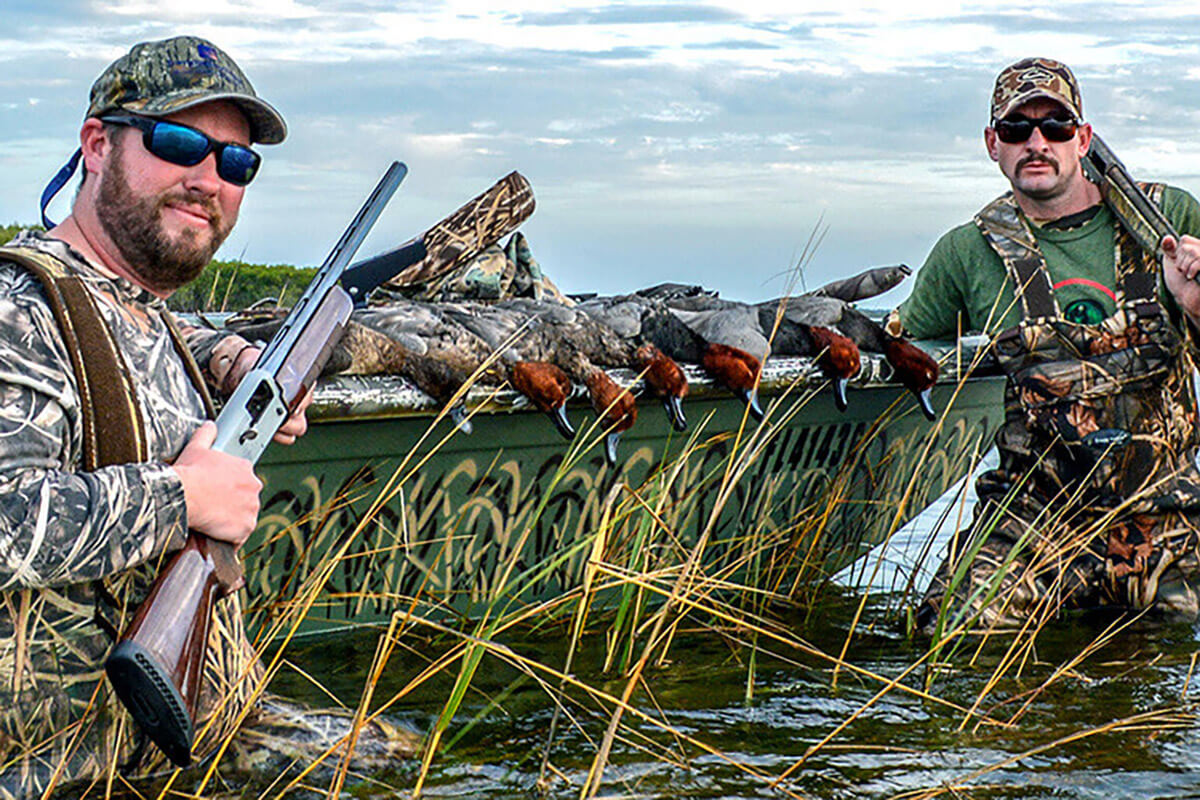
Understanding Florida’s Waterfowl Hunting Seasons
The timing of duck season in Florida is a carefully orchestrated affair, designed to align with migratory patterns and ensure sustainable populations. Unlike a single, continuous period, the season is typically divided into segments, accommodating both early arrivals and the main migration waves. Navigating these dates requires attention to detail, as they can vary slightly year to year.
General Duck Season Dates
Florida’s duck season generally follows a “split season” format, meaning there are distinct periods open for hunting, separated by temporary closures. This structure allows for a more tailored approach to managing waterfowl populations and hunter experiences. While specific dates are set annually by the Florida Fish and Wildlife Conservation Commission (FWC) in coordination with federal guidelines, a typical season often unfolds as follows:
- Early Migratory Bird Season (Teal/Wood Duck): This usually kicks off in September, offering a brief but exciting window primarily for blue-winged teal and wood ducks. This early season is highly anticipated by hunters eager to start their waterfowl pursuits, capitalizing on the initial wave of migratory birds passing through or resident populations. The weather during this period can still be quite warm, requiring hunters to adjust their strategies and gear accordingly, often focusing on dawn and dusk hunts.
- Main Duck Season (Split into two or more phases): The bulk of the season typically runs from November through January, often broken into two or three distinct segments. For instance, there might be an initial period in November, followed by a closure, and then reopening for an extended period spanning December and January. These dates are meticulously planned to coincide with the peak arrival of various duck species from their northern breeding grounds. Hunters during these later segments can expect a wider variety of species, cooler temperatures, and often more challenging hunting conditions due to increased bird wariness.
- Late Season: Sometimes, there’s a final, shorter segment in late January, particularly for species that migrate later or linger in Florida’s temperate climate before heading north. This period can offer excellent opportunities, especially for divers like scaup and ring-necked ducks, which are abundant in Florida’s large, open water bodies.
It’s crucial for any prospective hunter to consult the official Florida Fish and Wildlife Conservation Commission (FWC) regulations each year, as exact dates are subject to change and are announced well in advance of the hunting periods. This ensures compliance and provides the most up-to-date information for planning.
Special Hunting Opportunities
Beyond the general duck season, Florida offers specific programs designed to introduce new hunters to the sport and manage certain populations.
- Youth Waterfowl Days: Typically held in early February, these special days provide an invaluable opportunity for young hunters (usually under 16) to experience waterfowl hunting under the guidance of a licensed adult. These events are often structured to reduce hunting pressure and provide an educational, supportive environment for skill development, fostering the next generation of conservationists and ethical hunters.
- Conservation Orders: While less common for ducks in Florida compared to snow geese in other states, hunters should always be aware of any special conservation orders or expanded seasons that might be implemented for specific species if their populations warrant it. These are usually communicated clearly by the FWC.
Regulatory Bodies and Resources
The ultimate authority for waterfowl hunting regulations in Florida is the Florida Fish and Wildlife Conservation Commission (FWC). They publish annual hunting regulations booklets, available online and at license vendors, which detail season dates, bag limits, shooting hours, and specific rules for various public hunting areas. Hunters are legally obligated to be familiar with and adhere to these regulations. The FWC website (MyFWC.com) is an indispensable resource, offering the most current information, licensing portals, and contact information for further inquiries.
Prime Locations for Duck Hunting in Florida
Florida’s diverse aquatic environments, from vast freshwater lakes to intricate marshlands, provide an array of habitats that attract a wide variety of migratory and resident waterfowl. Identifying the right location is key to a successful hunt, and Florida boasts several regions known for their exceptional duck hunting opportunities.
North Florida Wetlands
The northern reaches of Florida are often the first to experience the influx of migratory ducks from the Atlantic and Mississippi flyways. These areas are characterized by cypress swamps, shallow marshes, and large freshwater lakes, providing ideal feeding and resting grounds.
- Lake Miccosukee and Lake Iamonia: Located near Tallahassee, these lakes are historically renowned for their excellent duck hunting, particularly for pintails, wigeons, and wood ducks. Their expansive shallow water areas with abundant vegetation make them prime wintering grounds for dabbling ducks. Access often requires a shallow-draft boat or airboat, and local knowledge can be invaluable.
- Apalachee Bay Coastal Wetlands: The coastal marshes and tidal flats of Apalachee Bay also attract a significant number of waterfowl, including scaup and other diving ducks, especially during cooler fronts. These areas can be challenging to navigate but offer rewarding experiences for those willing to explore.
Central and South Florida Waterways
As you move south, the landscape shifts, but the duck hunting opportunities remain robust, with different species dominating the scene.
- Lake Okeechobee: As the largest freshwater lake in Florida and the second largest entirely within the United States, Lake Okeechobee is a magnet for vast numbers of waterfowl. It’s particularly famous for ring-necked ducks, scaup, and mottled ducks. The sheer size of the lake means diverse hunting environments, from open water to vegetated fringes. Hunters often use airboats or large mud boats to access prime spots within its vastness.
- Stick Marsh/Farm 13: Located in Indian River County, this managed reservoir system is an acclaimed trophy bass fishing spot but also offers fantastic duck hunting, especially for teal, wood ducks, and mottled ducks. Its intricate network of submerged timber and hydrilla beds provides excellent cover and feeding areas.
- The Everglades Water Conservation Areas: The vast, unique ecosystem of the Everglades offers a truly distinctive duck hunting experience. Areas like the Arthur R. Marshall Loxahatchee National Wildlife Refuge and various Water Conservation Areas (WCAs) provide habitat for mottled ducks, teal, and a mix of other species. Hunting in the Everglades typically involves airboats and navigating through sawgrass marshes, requiring specialized equipment and often local expertise.
Public Hunting Areas and Wildlife Management Areas (WMAs)
Florida boasts an extensive system of Wildlife Management Areas (WMAs) managed by the FWC, offering public access for hunting. Many of these WMAs have specific waterfowl hunting regulations, including quota hunts, daily permits, or restricted access, designed to manage pressure and enhance the quality of the experience.

- T.M. Goodwin Waterfowl Management Area: Located in Brevard County, this WMA is specifically managed for waterfowl and provides excellent opportunities, often through a quota hunt system. It’s known for attracting a variety of dabbling ducks.
- Three Lakes WMA, DuPuis Management Area, and others: Numerous WMAs across the state offer waterfowl hunting. It is essential to check the specific regulations and access requirements for each WMA, as some may require special permits or have designated hunting days. The FWC website provides detailed maps and rules for all WMAs.
Hunting in public areas requires diligent scouting, adherence to specific WMA rules, and often competition with other hunters. However, they offer accessible and often highly productive hunting grounds for those who do their homework.
Essential Preparations for a Successful Florida Duck Hunt
A successful and enjoyable duck hunt in Florida hinges on thorough preparation, encompassing everything from legal requirements to the right gear and safety protocols.
Licensing and Permits
Before even considering gear, ensuring you are legally authorized to hunt is paramount.
- Florida Hunting License: All hunters, unless exempt, must possess a valid Florida hunting license. Non-residents will need to purchase a non-resident license, which can be for a specific number of days or an annual permit.
- Migratory Bird Permit: In addition to a state hunting license, hunters pursuing migratory birds (including ducks) must obtain a Florida Migratory Bird Permit. This permit helps the FWC track migratory bird harvest data.
- Federal Duck Stamp: A Federal Migratory Bird Hunting and Conservation Stamp, commonly known as a “Federal Duck Stamp,” is required for all waterfowl hunters 16 years of age or older. This stamp is an essential contribution to conservation, with 98 cents of every dollar used to acquire or lease wetlands and wildlife habitat for the National Wildlife Refuge System.
- WMA Permits: If hunting in a specific Wildlife Management Area, additional permits or quota applications may be required. These often have application deadlines, so planning ahead is critical.
All licenses and permits can typically be purchased online through the FWC website, at tax collectors’ offices, or at most sporting goods stores.
Gear and Equipment
Florida’s unique environment dictates specific gear choices.
- Waders and Waterproof Gear: Depending on the location, chest waders are often indispensable for navigating shallow marshes and setting decoys. Waterproof outer layers are crucial, especially during unexpected rain showers.
- Decoys and Calls: A good spread of decoys, including common Florida species like teal, ringnecks, and mottled ducks, is essential. A reliable duck call, with practiced skill, can significantly enhance your chances.
- Firearms and Ammunition: A 12-gauge or 20-gauge shotgun is standard. Crucially, only federally approved non-toxic shot (steel, bismuth, tungsten alloy) is permitted for waterfowl hunting. Lead shot is strictly prohibited. Ensure you have ample ammunition and that it matches the regulations for the species you intend to hunt.
- Boat or Airboat: Accessing many of Florida’s prime duck hunting spots, especially in the larger lakes and the Everglades, necessitates a reliable boat. Airboats are common in shallow, vegetated areas, while mud boats or traditional jon boats are suitable for other wetlands. Always ensure your boat is properly registered and equipped with all required safety gear.
- Camouflage and Blinds: Effective concealment is vital. Camouflage patterns that blend with Florida’s diverse vegetation (greens, browns, tan) are recommended. Portable blinds or natural cover can be utilized.
- Safety Gear: Personal flotation devices (PFDs) for all boat occupants, a whistle, a first-aid kit, communication devices (fully charged phone, satellite messenger in remote areas), and a GPS or reliable navigation app are all non-negotiables.
Safety and Ethics
Responsible hunting prioritizes safety and ethical conduct above all else.
- Firearms Safety: Always follow the four fundamental rules of firearm safety: treat every firearm as if it were loaded, always point the muzzle in a safe direction, keep your finger off the trigger until ready to shoot, and be sure of your target and what is beyond it.
- Boating Safety: Florida’s waterways can be vast and unpredictable. Be aware of weather changes, file a float plan, and operate your vessel responsibly.
- Weather Awareness: Florida weather can change rapidly. Monitor forecasts and be prepared for rain, wind, and sudden temperature drops, even if starting warm.
- Ethical Hunting: Respect bag limits, retrieve all downed birds, and avoid sky-busting (shooting at birds too far away). Be mindful of other hunters and private property. Pack out everything you pack in, leaving no trace.
The Florida Duck Hunting Experience: Beyond the Harvest
While the ultimate goal for many is a successful harvest, the Florida duck hunting experience encompasses far more, offering a deep appreciation for the state’s natural beauty and contributing to vital conservation efforts.
Species to Expect
Florida’s location on the Atlantic Flyway means it hosts a wide array of waterfowl. Common species encountered include the fast-flying Blue-winged and Green-winged Teal, the distinctively marked Ring-necked Duck, Lesser Scaup, the resident Mottled Duck, the vibrant Wood Duck, Gadwall, and Wigeon. Each species offers a unique challenge and beauty, adding to the richness of the hunt.
Guided Hunts and Local Knowledge
For newcomers to Florida or those unfamiliar with specific hunting grounds, hiring a local guide can be an invaluable investment. Florida’s waterways can be complex, and local guides possess an intimate knowledge of bird patterns, prime locations, safe navigation routes, and effective hunting strategies. They can provide equipment, expertise, and significantly enhance the safety and success of your trip, turning a potentially frustrating outing into a memorable adventure. Many guides operate around Lake Okeechobee, the Everglades, and other major waterfowl areas.
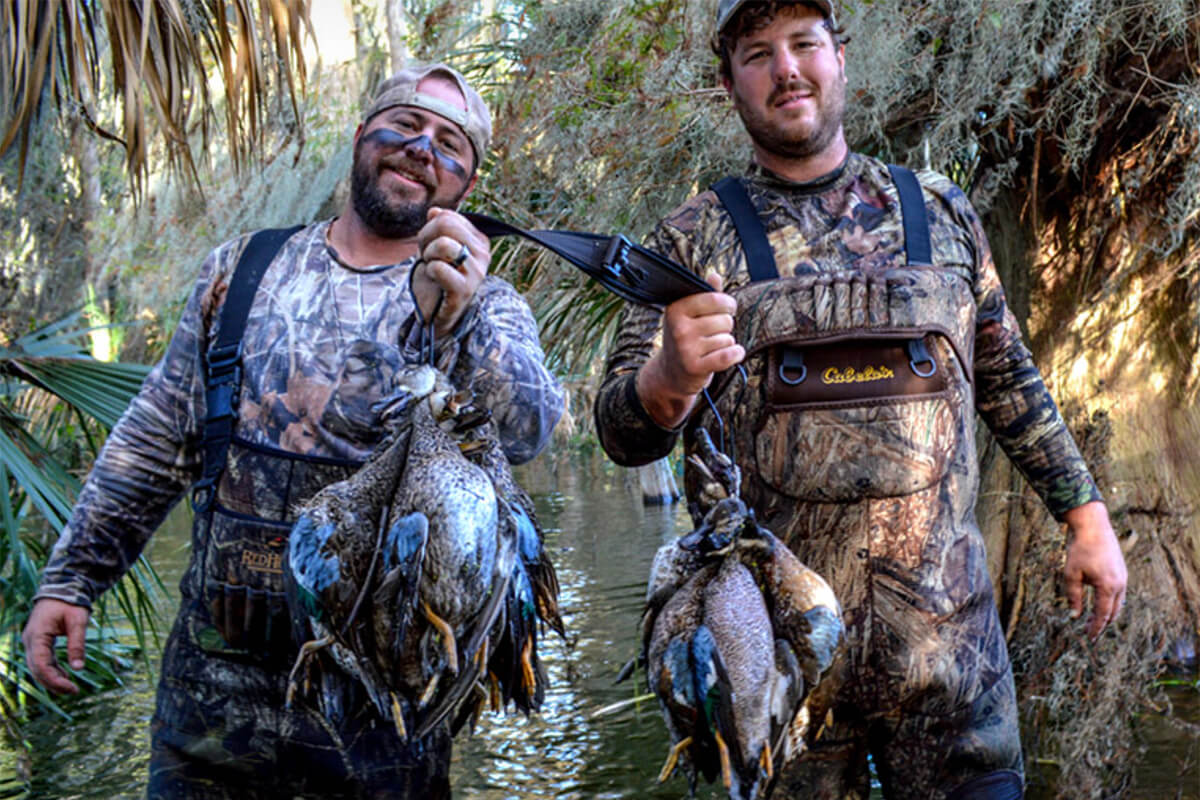
Conservation and Contribution
Every duck hunter in Florida plays a direct role in waterfowl conservation. The purchase of hunting licenses, migratory bird permits, and the Federal Duck Stamp directly funds critical research, habitat restoration, and land acquisition programs that benefit not only ducks but countless other wildlife species. This “user-pays, user-benefits” model is a cornerstone of wildlife management in North America, ensuring the sustainability of waterfowl populations for future generations. Engaging in duck hunting is not just a recreational activity; it’s a contribution to the health and preservation of Florida’s invaluable wetland ecosystems.
In conclusion, duck season in Florida offers a dynamic and rewarding experience for those prepared to embrace its unique challenges and natural beauty. By understanding the annual season dates, exploring the diverse hunting locations, meticulously preparing with the right gear and permits, and adhering to strict safety and ethical guidelines, hunters can enjoy an unforgettable adventure in one of the nation’s premier waterfowl destinations. Beyond the thrill of the hunt, it’s an opportunity to connect with nature, contribute to vital conservation efforts, and create lasting memories in the heart of the Sunshine State.
LifeOutOfTheBox is a participant in the Amazon Services LLC Associates Program, an affiliate advertising program designed to provide a means for sites to earn advertising fees by advertising and linking to Amazon.com. Amazon, the Amazon logo, AmazonSupply, and the AmazonSupply logo are trademarks of Amazon.com, Inc. or its affiliates. As an Amazon Associate we earn affiliate commissions from qualifying purchases.