
The question of “How far is Tacoma to Seattle?” is a common one for anyone planning a trip to the vibrant Puget Sound region. These two prominent cities, while distinct in their character and offerings, are remarkably close, making it easy to experience the best of both worlds. Understanding the distance and the various ways to travel between them is key to maximizing your visit, whether you’re interested in exploring the urban sophistication of Seattle or the more laid-back, artistic atmosphere of Tacoma.
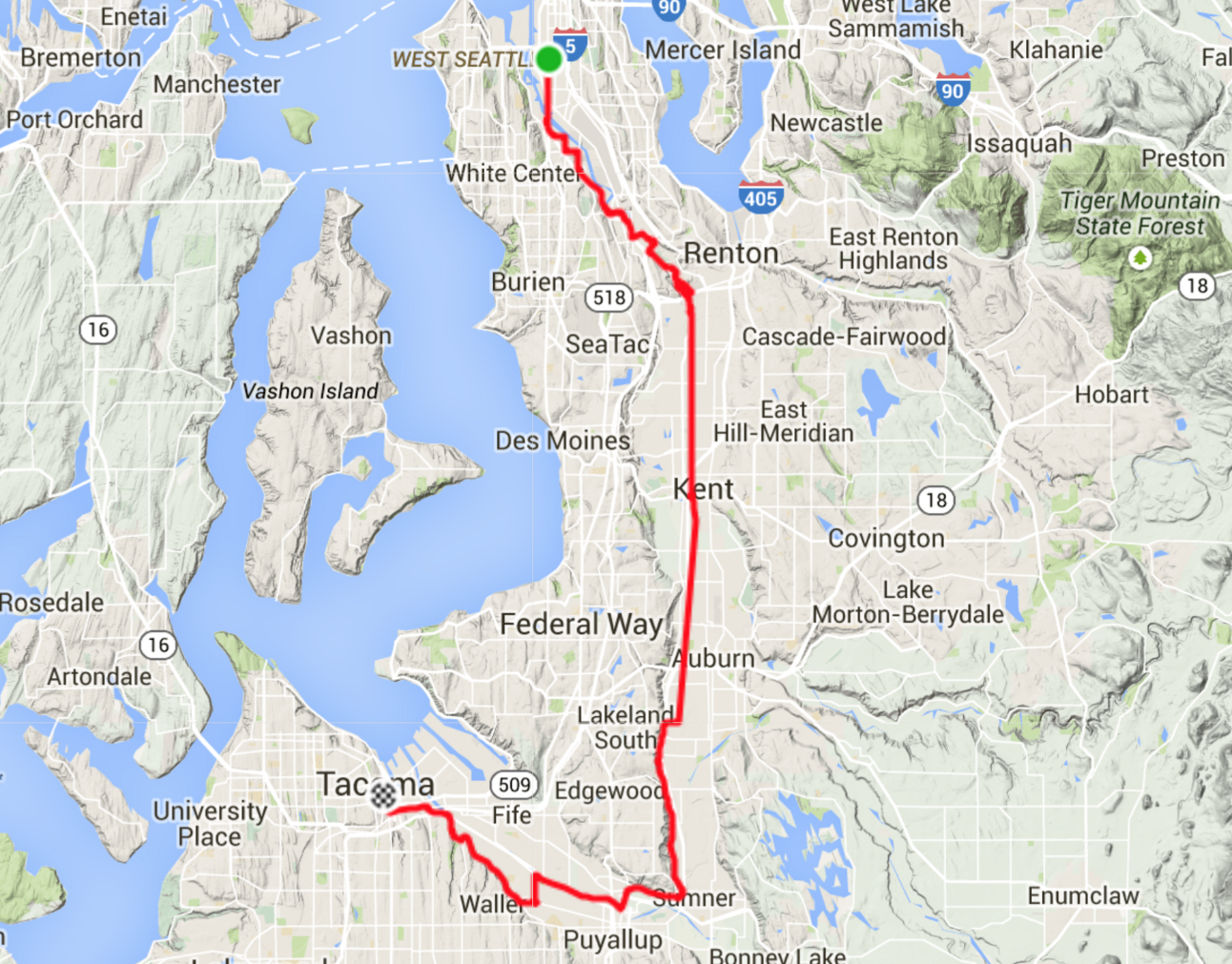
The geographical proximity is a significant advantage for travelers. Tacoma and Seattle are separated by approximately 30-35 miles, or about 50-56 kilometers, depending on the specific starting and ending points within each city. This relatively short distance translates into manageable travel times, allowing for seamless day trips or efficient transfers between accommodations. The primary route connecting the two is Interstate 5 (I-5), a major north-south freeway that serves as the backbone of transportation in Western Washington.
Navigating the Distance: Transportation Options
The journey from Tacoma to Seattle is best understood through its various transportation methods, each offering a unique experience and catering to different traveler needs. Whether you prioritize speed, cost-effectiveness, or the scenic route, there’s an option that will suit your travel style.
Driving
Driving is arguably the most flexible and common method for traveling between Tacoma and Seattle. The drive typically takes between 30 minutes to an hour, heavily influenced by traffic conditions. During peak commute hours, especially on weekday mornings and evenings, I-5 can become congested, potentially extending travel times. It’s advisable to check real-time traffic updates using GPS applications before setting off.
Pros of Driving:
- Flexibility: Depart and arrive on your own schedule, make spontaneous stops, and easily explore areas outside the immediate city centers.
- Convenience for Luggage: Ideal if you have significant luggage or are traveling with family and need extra space.
- Access to Attractions: Allows for easier exploration of attractions located outside the downtown cores of either city, such as parks or specific neighborhoods.
Cons of Driving:
- Traffic: Seattle’s notorious traffic can be a significant deterrent, especially during rush hour.
- Parking: Finding and paying for parking in downtown Seattle can be expensive and challenging.
- Rental Car Costs: If you don’t own a vehicle, rental car fees and fuel add to the overall expense.
When driving, you’ll primarily utilize I-5 North. As you approach Seattle, the freeway offers glimpses of the city skyline, including iconic landmarks like the Space Needle. Exits are well-marked, guiding you to various parts of Seattle, from the downtown core to neighborhoods like Capitol Hill or the University District.
Public Transportation
For travelers seeking a more economical and potentially stress-free way to travel, public transportation offers excellent alternatives. Both Sound Transit (Washington’s regional transit authority) and local bus services connect Tacoma and Seattle.
Sound Transit Link Light Rail
The most significant public transit development in recent years is the expansion of the Sound Transit Link Light Rail. While the light rail line currently extends from Northgate in Seattle south to Angle Lake near Sea-Tac Airport, the Tacoma Link offers a separate, but connected, experience. Travelers can utilize the Tacoma Link to reach the Tacoma Dome Station, where they can then board a Sound Transit bus or, in the future, a direct light rail connection to Seattle.
The current primary public transit option between the cities involves a bus connection. Sound Transit operates express bus routes, such as the ST Express 590 and 594, which run between the Tacoma Dome Station and downtown Seattle. These buses offer a comfortable ride, with dedicated lanes on I-5 for much of their route, helping them bypass some of the worst congestion.
- Travel Time: Approximately 50-70 minutes, depending on traffic and stops.
- Frequency: Buses run frequently, especially during peak hours, making it a reliable option.
- Cost: Significantly cheaper than driving, especially when factoring in parking costs in Seattle. Fares can be paid using the ORCA card or through the Transit GO Ticket app.
- Stops: Buses typically stop at key locations in downtown Seattle, such as the King Street Station area and various transit hubs, providing easy access to other public transportation options within the city.
Pros of Public Transportation:
- Cost-Effective: Generally the cheapest way to travel between the cities.
- Stress-Free: Avoid the hassle of driving in traffic and searching for parking.
- Environmentally Friendly: A more sustainable choice compared to individual car travel.
- Productivity: Use your travel time to read, work, or relax.
Cons of Public Transportation:
- Schedule Dependent: You are bound by the bus schedules.
- Less Flexibility: Cannot make spontaneous detours or stops along the way.
- Luggage Limitations: Carrying large amounts of luggage can be cumbersome.
Amtrak Cascades Train
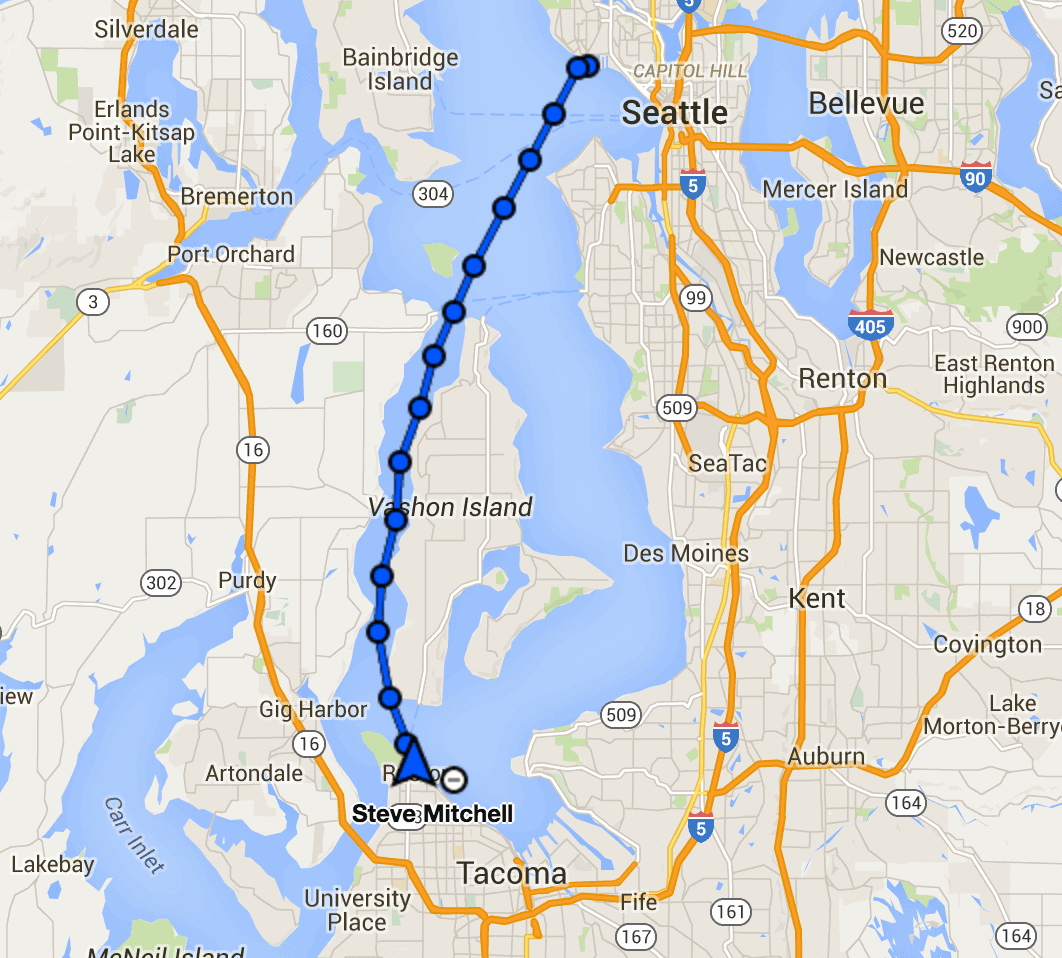
For a scenic and comfortable journey, the Amtrak Cascades train offers a compelling option. The train line runs along the waterfront for much of its route, providing beautiful views of the Puget Sound and surrounding landscapes. The train departs from Tacoma’s Freighthouse Square Station and arrives at Seattle’s King Street Station, both conveniently located in the heart of their respective cities.
- Travel Time: Approximately 40-60 minutes, depending on the specific train and any potential delays.
- Comfort: Trains offer spacious seating, onboard Wi-Fi, and dining car services, making it a pleasant travel experience.
- Scenery: The route is particularly picturesque, offering a different perspective of the region than the highway.
- Cost: Generally more expensive than the bus but often comparable to or less than driving when factoring in parking and potential traffic delays. Booking in advance can often secure better fares.
Pros of Amtrak Cascades:
- Comfortable and Relaxing: Ample legroom, reclining seats, and onboard amenities.
- Scenic Views: Enjoy the beautiful Pacific Northwest landscape.
- Convenient Stations: Both stations are centrally located and well-connected to local transit.
- Reliable: Trains are generally less affected by road traffic than buses.
Cons of Amtrak Cascades:
- Higher Cost: Can be more expensive than bus or driving in some cases.
- Less Frequent: Train schedules are less frequent than bus services.
Planning Your Trip: Key Considerations
When planning your travel between Tacoma and Seattle, several factors should influence your choice of transportation and timing.
Time of Day and Traffic
As mentioned, traffic on I-5 is a major consideration. Traveling between 6:00 AM and 9:00 AM, and again between 3:00 PM and 6:30 PM on weekdays, will almost certainly result in longer travel times by car or bus. If your travel plans are flexible, opting for mid-day travel, evenings, or weekends can significantly improve your journey. Public transit, especially the express buses, are designed to mitigate some of this congestion, but even they can experience delays during severe traffic.
Purpose of Your Visit
Your reason for traveling between the cities will also dictate the best approach.
- Day Trip to Seattle from Tacoma: If you plan to spend a full day exploring Seattle and returning to Tacoma in the evening, taking the Amtrak Cascades or the ST Express bus might be ideal. You can avoid parking hassles in Seattle and focus on sightseeing.
- Commuting for Work or Business: For regular travel, the ST Express bus or driving (if your workplace offers parking) are common choices. The light rail is an evolving option as expansions continue.
- Moving or Relocating: Driving a personal vehicle or rental truck offers the most practicality for transporting belongings.
- Leisure Travel with Family: A car provides the most flexibility for a family, allowing for stops at roadside attractions or for children’s needs. However, the train can be a fun experience for children.
Budget
Your budget will play a significant role. Driving involves costs for fuel, potential tolls (though not common on I-5 between these cities), and parking in Seattle. The ST Express bus is typically the most budget-friendly option. Amtrak Cascades falls in the middle, offering a balance of cost and comfort.
Exploring the Cities
Once you’ve arrived in your destination city, the proximity of Tacoma and Seattle allows for a rich exploration of the entire region.
In Tacoma
Tacoma itself boasts a thriving cultural scene. The Museum of Glass is a must-visit, showcasing stunning glass art and interactive exhibits. The LeMay – America’s Car Museum is another prominent attraction, celebrating automotive history. For nature lovers, Point Defiance Park offers extensive trails, a zoo, and beautiful waterfront views. The revitalized downtown area features shops, restaurants, and the historic Union Station with its impressive glass art installations.

In Seattle
Seattle is a global city with iconic landmarks. The aforementioned Space Needle offers panoramic city views, while the historic Pike Place Market is a sensory delight with fresh produce, artisan crafts, and the famous fish-throwing vendors. The Museum of Pop Culture (MoPOP) is a vibrant space dedicated to music, science fiction, and pop culture. Exploring neighborhoods like the artsy Fremont with its troll under the bridge, or the bustling Pioneer Square with its historic architecture, provides a deeper understanding of the city’s diverse character.
The ability to easily traverse between Tacoma and Seattle enhances the travel experience in the Puget Sound area, offering a perfect blend of urban excitement and regional charm. Whether you’re commuting, visiting for leisure, or simply exploring, the answer to “How far is Tacoma to Seattle?” is always “close enough to enjoy both.”
LifeOutOfTheBox is a participant in the Amazon Services LLC Associates Program, an affiliate advertising program designed to provide a means for sites to earn advertising fees by advertising and linking to Amazon.com. Amazon, the Amazon logo, AmazonSupply, and the AmazonSupply logo are trademarks of Amazon.com, Inc. or its affiliates. As an Amazon Associate we earn affiliate commissions from qualifying purchases.