
For discerning travelers dreaming of an idyllic escape to the Pacific, the allure of both Tahiti and Hawaii is undeniable. These two archipelagos, synonymous with pristine beaches, vibrant cultures, and unparalleled natural beauty, represent the epitome of island paradise. However, for those planning a multi-destination adventure or simply weighing their options for an unforgettable getaway, a fundamental question often arises: just how far apart are these captivating destinations? Understanding the geographical distance, travel logistics, and the distinct experiences each offers is crucial for crafting the perfect itinerary.
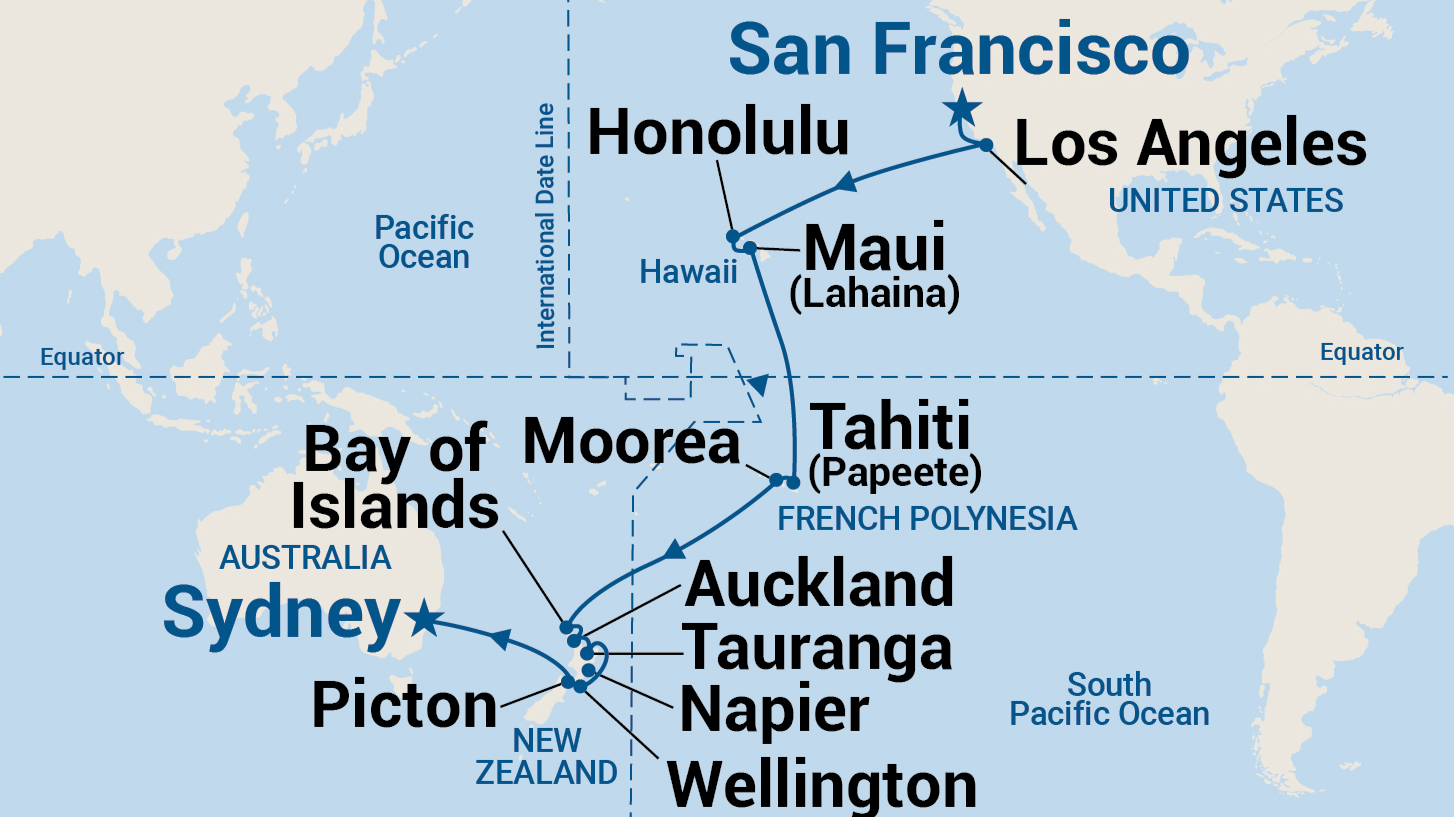
The straightforward answer to “How far is Tahiti from Hawaii?” is approximately 2,500 nautical miles (around 2,875 miles or 4,627 kilometers). This significant expanse across the vast Pacific Ocean means that while both share the allure of tropical bliss, the journey between them requires careful planning and a sense of adventure. This distance places them in different hemispheres and time zones, carving out unique identities and travel considerations for each.

Bridging the Pacific: The Geographic Divide
The sheer scale of the Pacific Ocean often surprises travelers. When looking at a map, Tahiti and Hawaii might appear to be neighboring tropical havens, but in reality, they are separated by a substantial stretch of water. This geographical isolation has profoundly influenced their natural evolution, cultural development, and, of course, the logistics of travel.
Calculating the Nautical Miles
The exact distance from Papeete, the capital of French Polynesia (located on Tahiti), to Honolulu, the capital of Hawaii (on the island of Oahu), is approximately 2,500 nautical miles. This translates to a direct flight time of roughly 5 to 6 hours. However, direct flights are not always readily available, often requiring layovers that extend the total travel duration significantly.
Historically, navigating this distance was a testament to the incredible seafaring skills of ancient Polynesians. Today, modern air travel has made the journey accessible, transforming what was once an epic voyage into a matter of hours. Yet, the sense of crossing a vast ocean remains, underscoring the remoteness and pristine nature of these island paradises.
A Tale of Two Archipelagos
While both are jewels of the Pacific, Tahiti and Hawaii belong to distinct geographical and political entities, each with its own rich tapestry of history and culture.
Tahiti is the largest island in French Polynesia, an overseas collectivity of France. Situated in the Southern Hemisphere, southeast of Hawaii, French Polynesia is comprised of 118 islands and atolls spread over an area as large as Europe. Its islands are typically characterized by dramatic volcanic peaks, lush rainforests, and vibrant coral reefs encircling tranquil lagoons, epitomized by famous locales like Bora Bora and Moorea.
Hawaii, on the other hand, is the 50th state of the United States of America. Located in the Northern Hemisphere, it comprises eight main islands and numerous smaller islets and atolls, forming the northernmost archipelago in Polynesia. The Hawaiian Islands are renowned for their active volcanoes, diverse landscapes ranging from black sand beaches to snow-capped mountains, and iconic surf breaks. Major islands like Oahu, Maui, and Kauai draw millions of visitors annually.
This fundamental difference in geopolitical status means that travelers will encounter distinct legal, currency, and cultural frameworks, each shaping the travel experience in unique ways.
The Journey Between Paradises: Travel Logistics and Experience
Traveling between Tahiti and Hawaii isn’t as simple as a quick hop. Due to the significant distance and the routing of international flights, the journey itself becomes part of the adventure. Understanding the major travel hubs, airline options, and the implications of crossing time zones is key to a smooth transition.
Navigating Air Routes and Gateways
The primary international gateway to French Polynesia is Papeete Faa’a International Airport (PPT) on Tahiti. For Hawaii, the main hub is Daniel K. Inouye International Airport (HNL) in Honolulu, Oahu.
While direct flights between PPT and HNL have been historically sporadic or seasonal, the most common route for travelers involves a layover, typically on the North American West Coast. Major transit points include Los Angeles International Airport (LAX) and San Francisco International Airport (SFO).
Airlines frequently operating these routes include:
- To/From Tahiti: Air Tahiti Nui is the national carrier, offering flights to Los Angeles, Seattle, Paris, Auckland, and Tokyo. Other carriers like Air France also connect Papeete to major international cities.
- To/From Hawaii: Hawaiian Airlines is the primary inter-island and trans-Pacific carrier, with extensive routes across the USA, Asia, and Australia/New Zealand. Major international airlines such as United Airlines, Delta Air Lines, American Airlines, Qantas, and Air New Zealand also provide comprehensive service to Honolulu and other Hawaiian airports.
A journey from Tahiti to Hawaii (or vice versa) could involve flying from Papeete to Los Angeles (approx. 8 hours), then a connecting flight from Los Angeles to Honolulu (approx. 5-6 hours). Factoring in layover times, the entire journey can easily span 15-20 hours or more, making it a significant travel day. For those traveling from Australia or New Zealand, direct flights to either destination are available (e.g., Sydney Airport or Auckland Airport to Papeete or Honolulu), but connecting between the two archipelagos would still likely involve a North American stop.
Time Zones and Crossing the International Date Line
One of the most intriguing aspects of traversing the Pacific is the encounter with time zones and, potentially, the International Date Line. Tahiti (and French Polynesia) operates on Tahiti Time (TAHT), which is UTC-10. Hawaii also operates on Hawaii Standard Time (HST), which is also UTC-10. This means that, unlike many other international flights, a direct flight between Tahiti and Hawaii would not involve a significant time zone shift in terms of actual clock time.
However, the complication arises when routing through a third country, such as the continental USA. For example, traveling from Tahiti to Los Angeles involves moving forward in time by several hours. Then, flying from Los Angeles to Hawaii involves moving backward in time. Travelers must also be aware that traveling westward across the International Date Line means gaining a day, while traveling eastward means losing a day. While Tahiti and Hawaii are on the same side of the International Date Line (relative to North America), complex itineraries involving Asia or Australia could involve crossing it, which requires careful planning to avoid missing connections or bookings.
Beyond Distance: Comparing the Allure of Tahiti and Hawaii

While the distance and travel logistics are important, the true decision for many travelers comes down to the distinct ambiance, culture, and experiences each destination offers. Both promise paradise, but they deliver it in wonderfully different packages, catering to varied travel styles and preferences.
Distinct Cultures and Landscapes
The cultural tapestries of Tahiti and Hawaii are deeply rooted in their Polynesian heritage, yet they have evolved divergently due to external influences.
Tahiti and French Polynesia:
The culture here is a captivating blend of ancient Tahitian traditions and sophisticated French influences. The official languages are French and Tahitian, and you’ll find a European flair in the cuisine, fashion, and infrastructure, particularly in Papeete. The islands are often described as more tranquil and intimate, with a focus on pristine natural beauty. Landmarks include the dramatic volcanic peaks of Moorea, the iconic turquoise lagoon of Bora Bora dotted with luxurious overwater bungalows, and the black sand beaches of Tahiti. Visitors revel in activities like snorkeling in coral gardens, diving with manta rays, pearl farm visits, and exploring ancient marae (stone temples). The pace of life is decidedly relaxed, exuding an air of understated elegance and romance.
Hawaii and the Hawaiian Islands:
Hawaii’s culture is a vibrant mosaic of indigenous Hawaiian traditions, deeply influenced by waves of immigration from Asia, Europe, and the mainland USA. English is the primary language, though Hawaiian is undergoing a resurgence. The islands offer a broader spectrum of landscapes, from the bustling cityscapes and world-famous Waikiki Beach on Oahu to the dramatic cliffs of Kauai’s Na Pali Coast and the volcanic wonders of Maui’s Haleakala. Hawaii caters to a wide array of activities: legendary surfing at Pipeline, hiking volcanic craters, exploring historical sites like Pearl Harbor, attending a luau, or simply relaxing on golden sand beaches. The atmosphere tends to be more energetic and diverse, offering both solitude and lively entertainment.
Travel Style and Experiences: From Luxury to Adventure
The choice between Tahiti and Hawaii often aligns with a traveler’s preferred style, budget, and desired level of activity.
Tahiti & French Polynesia: The Quintessential Romantic Escape
Often considered a luxury destination, French Polynesia excels in delivering an exclusive, serene, and romantic experience.
- Accommodation: Famous for its iconic overwater bungalows at world-class resorts (e.g., St. Regis Bora Bora, Conrad Bora Bora Nui), boutique hotels, and guesthouses.
- Activities: Ideal for honeymooners, couples, and those seeking relaxation, privacy, and water-based activities like snorkeling, diving, paddleboarding, and sailing. Cultural immersion typically involves pearl farming, local markets, and traditional dances.
- Lifestyle: Leans towards luxury travel, peace, and unparalleled natural beauty. It’s less about bustling nightlife and more about intimate experiences.
Hawaii & the Hawaiian Islands: Diverse Adventures for Every Traveler
Hawaii offers a broader appeal, from budget-conscious travelers to those seeking opulent luxury, families, and adventure seekers.
- Accommodation: A vast range from sprawling resorts and upscale hotels to mid-range vacation rentals, budget hostels, and charming boutique hotels. There are options for every price point and group size.
- Activities: Caters to active travelers with exceptional surfing, hiking trails (volcanoes, rainforests), golf courses, and a wide variety of watersports. It also offers significant cultural attractions, historical sites, shopping districts, and vibrant nightlife options, particularly on Oahu and Maui.
- Lifestyle: A blend of adventure, family-friendly fun, luxury, and cultural exploration. Its infrastructure is well-developed to handle a higher volume of tourists.
Cost of Travel and Budgeting Considerations
Generally, French Polynesia is perceived as a more expensive destination than Hawaii. This is primarily due to its remote location, the prevalence of luxury resorts, and the cost of importing goods. Accommodation, dining, and activities can carry a premium.
Hawaii, while not cheap by any means (especially in popular areas like Waikiki), offers a wider range of options to suit different budgets. Travelers can find more affordable accommodation, dining (food trucks, local eateries), and free or low-cost activities (hiking, public beaches). The sheer volume of visitors also means more competitive pricing in certain sectors.
For those planning to visit both, combining these destinations within a single trip would require a substantial budget for flights, inter-island travel, and accommodations in both locations.
Planning Your Pacific Island Escape
Whether you choose Tahiti, Hawaii, or embark on the grand journey to experience both, careful planning is essential for a seamless and memorable trip.
When to Visit and What to Pack
Both destinations enjoy warm, tropical climates year-round, but have distinct peak and off-peak seasons:
- Tahiti: The dry season (May to October) is ideal, with cooler temperatures and less humidity, though it’s also the busiest and most expensive. The wet season (November to April) brings higher humidity and more rain but offers lush landscapes and fewer crowds.
- Hawaii: Peak season is generally December to April and June to August. Shoulder seasons (April-May, September-November) offer good weather and fewer crowds. The winter months can bring larger surf on the north shores.
Packing essentials for both: Lightweight clothing, swimwear, reef-safe sunscreen, insect repellent, wide-brimmed hat, sunglasses, comfortable walking shoes or sandals, and a light rain jacket. For French Polynesia, a nicer outfit for evening dining is often appreciated. For Hawaii, consider hiking gear and perhaps a warmer layer for higher elevations.
Visa and Entry Requirements
- French Polynesia: As an overseas collectivity of France, entry requirements generally follow those for France or the Schengen Area, though there are specific nuances for different nationalities. US citizens typically do not need a visa for stays up to 90 days. Always check the latest requirements well in advance of travel.
- Hawaii: As a state of the USA, entry requirements are the same as for the continental USA. This typically means a visa for most foreign nationals or an approved ESTA (Electronic System for Travel Authorization) for eligible countries under the Visa Waiver Program.
Making the Choice: Tahiti or Hawaii?
The choice between Tahiti and Hawaii ultimately depends on your travel aspirations:
- Choose Tahiti for: An ultra-romantic honeymoon, luxurious solitude, an intimate connection with pristine lagoons and dramatic volcanic backdrops, a blend of French sophistication and Tahitian serenity, and unparalleled overwater bungalow experiences.
- Choose Hawaii for: A diverse family adventure, active pursuits like surfing and hiking, a vibrant mix of cultures, a broader range of dining and accommodation options, and a more accessible, well-developed tourist infrastructure.
While geographically separated by a considerable distance, both Tahiti and Hawaii stand as testaments to the breathtaking beauty and rich cultural heritage of the Pacific. The journey between them is an adventure in itself, highlighting the vastness of our world and the unique character of its hidden gems. Whether you opt for the tranquil elegance of French Polynesia or the lively spirit of the Hawaiian Islands, your escape to paradise promises memories that will last a lifetime. For those who yearn to explore both, the rewarding experience of traversing the Pacific will offer an unparalleled comparison of two of the world’s most desired destinations.
LifeOutOfTheBox is a participant in the Amazon Services LLC Associates Program, an affiliate advertising program designed to provide a means for sites to earn advertising fees by advertising and linking to Amazon.com. Amazon, the Amazon logo, AmazonSupply, and the AmazonSupply logo are trademarks of Amazon.com, Inc. or its affiliates. As an Amazon Associate we earn affiliate commissions from qualifying purchases.