
The Golden State of California is renowned for its vibrant culture, stunning natural landscapes, and innovative spirit. From the bustling metropolises of Los Angeles and San Francisco to the serene vineyards of Napa Valley and the majestic peaks of the Sierra Nevada, it offers a lifestyle that many aspire to. For those dedicated professionals shaping the minds of the next generation – teachers – the question of salary is often at the forefront, especially when considering the state’s notoriously high cost of living. Understanding teacher salaries in California isn’t just about a number; it’s about comprehending the lifestyle it affords, the travel opportunities it can unlock, and the ability to truly experience the richness of life, whether through local adventures or international explorations. On a platform dedicated to travel, hotels, and a fulfilling lifestyle, examining how California teachers fare financially becomes crucial, shedding light on their capacity to engage with the world beyond the classroom.
The Financial Landscape for California Educators
Teaching is a calling, a profession that demands passion, resilience, and a deep commitment to student success. In California, this dedication is often met with salaries that vary significantly based on a multitude of factors. While the allure of the state’s geography and diverse communities is undeniable, the financial realities for educators are complex, impacting everything from daily living to their leisure and travel aspirations.
Average Salaries Across the Golden State
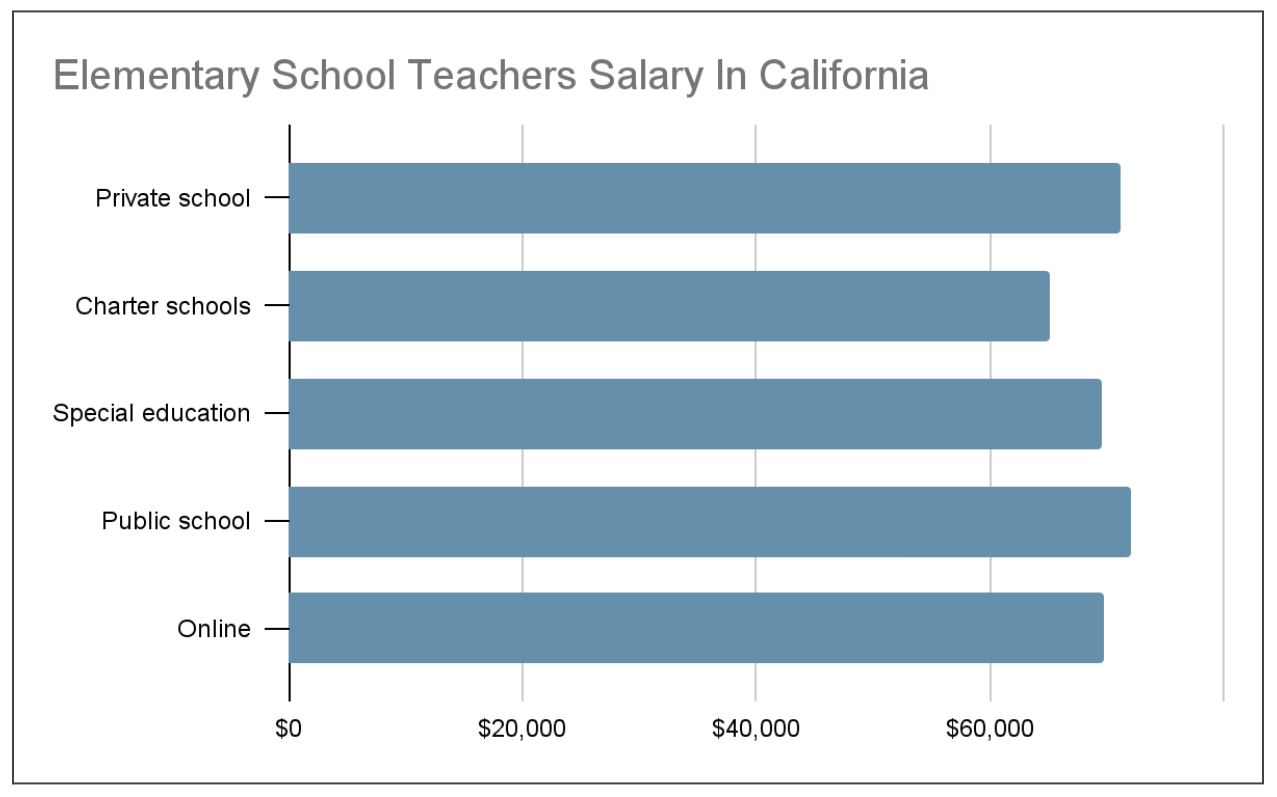
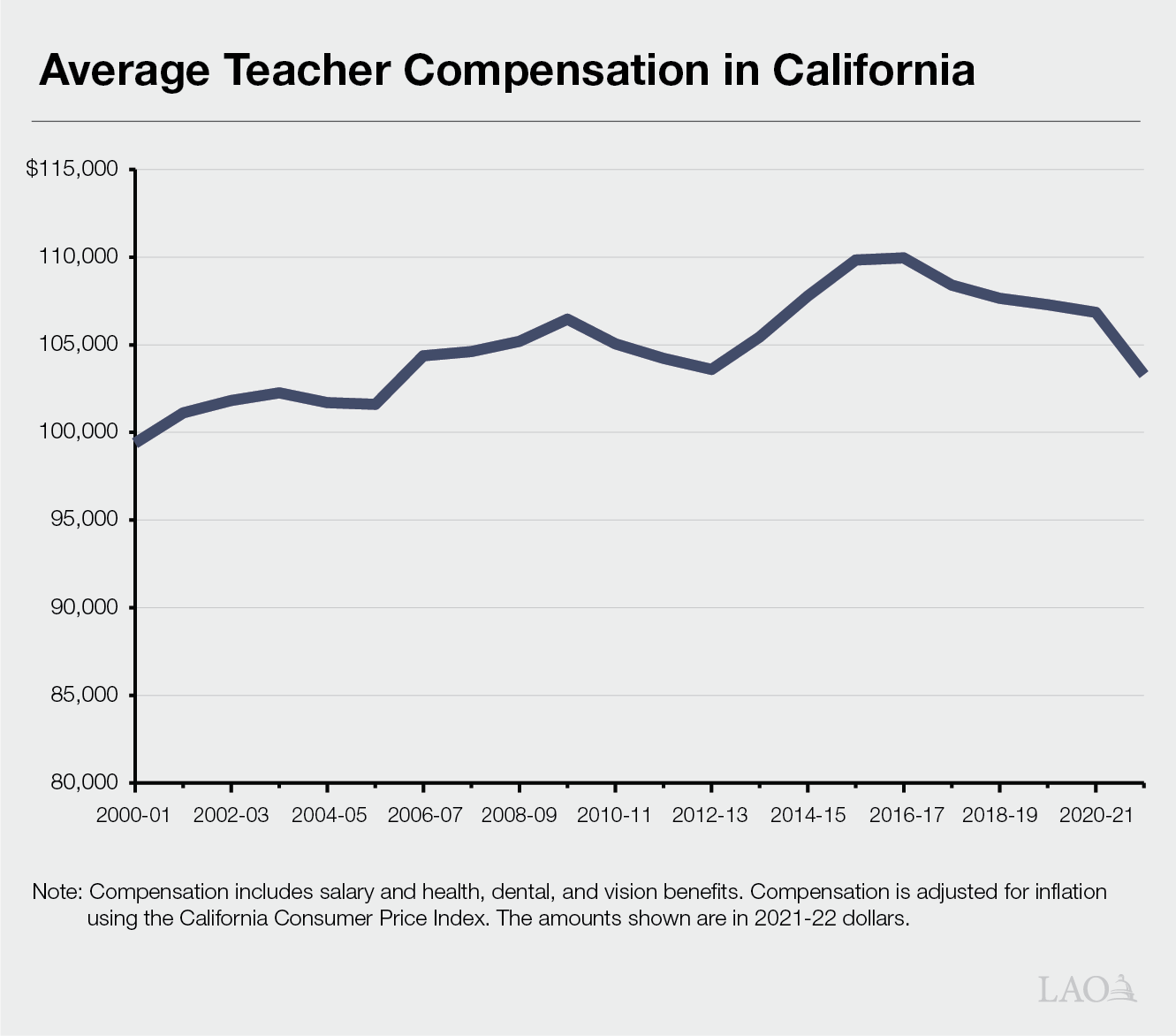
Pinpointing a single average salary for California teachers can be misleading, as the figures span a considerable range. However, generally, entry-level teachers with a bachelor’s degree and no prior experience might start in the low to mid-$50,000s annually. As educators gain experience, pursue advanced degrees or certifications, and move up salary schedules, their earnings can climb substantially. Experienced teachers, especially those with master’s degrees and several decades in the classroom, can reach salaries exceeding $90,000, and in some of the wealthier or higher cost-of-living districts, even surpass $100,000 or $110,000 per year. Districts like those in the Bay Area or certain affluent communities in Southern California often offer more competitive pay scales to attract and retain talent in highly expensive regions. For instance, a veteran teacher in a district near San Jose might earn significantly more than one in a rural part of the Central Valley, reflecting the stark economic differences within the state.
Factors Influencing Teacher Pay
Several key factors determine a teacher’s salary in California. The most significant are:
- District Location: As mentioned, geographical location plays a huge role. Urban centers and areas with a higher cost of living (like San Francisco, Los Angeles, Orange County, and San Diego) typically offer higher salaries than rural districts to offset expenses.
- Education and Credentials: Teachers with master’s degrees, doctorates, or specialized credentials (e.g., in special education, bilingual education, or specific STEM fields) often qualify for higher pay steps on the salary schedule.
- Years of Experience: Longevity in the profession is consistently rewarded. Most districts have salary schedules that automatically increase pay based on years of service.
- Additional Responsibilities: Stipends for coaching sports, leading extracurricular clubs, serving as department chairs, or taking on administrative roles can supplement a teacher’s base salary.
- District Funding and Union Contracts: The financial health of a school district, often tied to local property taxes and state funding, directly impacts its ability to offer competitive wages. Strong teacher unions also play a critical role in negotiating salary increases and benefits packages for their members. The financial stability of a district in a city like Sacramento might be different from a smaller, less populated area.
Navigating California’s High Cost of Living
While teacher salaries in California can appear generous on paper, especially when compared to national averages, the state’s notoriously high cost of living presents a significant challenge. This economic reality impacts every aspect of an educator’s life, from their daily commute to their long-term financial planning, and critically, their ability to enjoy the travel and lifestyle experiences often highlighted on platforms like ours.
Housing, Essentials, and Disposable Income
Housing is, without a doubt, the biggest financial hurdle in California. Rent for a modest apartment in cities like San Francisco or Los Angeles can easily consume 40-50% or more of a teacher’s gross income, even for those earning above average salaries. Homeownership, a common aspiration, often feels out of reach for many educators, particularly single-income households. Beyond housing, the cost of essentials such as groceries, utilities, transportation (especially with high gas prices), and childcare also tends to be significantly higher than the national average.
These elevated expenses directly impact a teacher’s disposable income – the money left over after essential bills are paid. For many, this leaves a tight budget, requiring careful financial planning and often necessitating living further away from their workplaces, leading to longer commutes. The dream of a spontaneous weekend getaway to Lake Tahoe or a stay at a luxurious Hyatt resort can quickly dissolve when faced with mounting monthly expenses.
The Impact on Lifestyle Choices
The high cost of living inevitably shapes lifestyle choices. For some teachers, this might mean choosing roommates well into their careers, delaying major life milestones like starting a family, or foregoing certain luxuries. It often requires a conscious effort to find affordable entertainment, dining, and activities. While California offers an abundance of free or low-cost natural attractions – from hiking trails in Malibu to exploring the beaches of Santa Monica – accessing more curated travel experiences or staying in premium accommodations requires meticulous budgeting and saving.
This financial squeeze can lead to a trade-off: a fulfilling career in an inspiring state, but with constrained spending power for discretionary items, including travel. However, it also fosters creativity and smart financial habits, encouraging educators to seek out value, leverage rewards programs, and plan their adventures with a strategic eye – skills that are highly relevant to savvy travelers everywhere.
Unlocking Travel Opportunities on a Teacher’s Salary
Despite the financial pressures, California teachers are uniquely positioned to embrace travel, thanks in large part to their extended breaks, particularly the coveted summer vacation. While budget considerations are paramount, a well-planned approach allows educators to explore destinations, immerse themselves in local cultures, and enjoy enriching experiences, proving that a fulfilling travel lifestyle is within reach.
Smart Budgeting and Destination Selection
The key to successful travel on a teacher’s salary lies in strategic budgeting and thoughtful destination selection. Instead of aiming for extravagant luxury, many educators prioritize value, authenticity, and experiences. This might mean:
- Off-Peak Travel: Whenever possible, traveling during shoulder seasons or just outside of peak holiday periods can significantly reduce costs for flights and accommodations.
- Budget-Friendly Destinations: Choosing destinations known for their affordability, whether domestic (e.g., exploring Oregon or Arizona instead of pricier coastal California towns) or international (e.g., Southeast Asia, Central Europe, or Mexico), allows for longer trips and richer experiences without breaking the bank.
- Local Exploration: California itself is a treasure trove of destinations. Teachers can explore stunning landmarks like Yosemite National Park, the Golden Gate Bridge, or Death Valley National Park through camping, road trips, or budget-friendly stays, turning their own backyard into an adventure playground. This also includes visiting attractions like Disneyland with family or enjoying the vibrant culture of Hollywood.
- Travel Hacking: Leveraging credit card rewards, airline miles, and hotel points from chains like Marriott or Hilton can turn aspirational trips into achievable realities. Many teachers meticulously plan their spending to accrue points for flights or free nights.
Maximizing Breaks: Summer Adventures and Beyond
The summer break is arguably the greatest perk of the teaching profession when it comes to travel. With 2-3 months off, educators have an unparalleled opportunity to embark on extended journeys that most other professionals can only dream of. This allows for:
- Longer Immersive Trips: Instead of fleeting weekend trips, teachers can spend weeks exploring a region, truly diving into local culture, learning a new language, or volunteering abroad.
- Family Travel: Summer provides ample time for family trips, creating lasting memories. Teachers can plan elaborate road trips along Highway 1 to Big Sur, enjoy theme parks, or explore national parks.
- Professional Development with a Twist: Some teachers combine travel with professional development, attending conferences in interesting cities or participating in educational tours that count towards their continuing education.
- Weekend and Holiday Getaways: Beyond summer, shorter breaks throughout the school year (winter break, spring break) offer chances for quick escapes, whether it’s a ski trip to Mammoth Lakes or a cultural visit to San Diego.
Accommodation Strategies for Educators
Accommodation costs can be a significant portion of any travel budget. Teachers, being resourceful, often employ various strategies to minimize these expenses:
- Vacation Rentals (e.g., Airbnb): Platforms like Airbnb offer more affordable options than traditional hotels, especially for longer stays or when traveling with family or a group. They often include kitchens, allowing for self-catering and further savings on dining.
- Hostels and Guesthouses: For solo travelers or those seeking a more communal experience, hostels in major cities and guesthouses in smaller towns provide very economical lodging.
- Camping and RV Travel: Given California’s stunning natural beauty, camping in national parks or renting an RV for a road trip is a popular and cost-effective way to explore.
- House Sitting and Home Swaps: Some educators explore house-sitting opportunities or home exchange programs, offering free accommodation in exchange for caring for a home and pets.
- Hotel Rewards Programs: For those who prefer hotels, loyalty programs from major chains like Marriott Bonvoy or Hilton Honors can yield free nights or significant discounts after accumulating points from everyday spending.
Teacher Lifestyle: Balancing Passion and Practicality
The lifestyle of a California teacher is a testament to balancing a demanding profession with a deep desire for exploration and personal enrichment. While salaries may not always grant extravagant luxury, the freedom of extensive breaks, coupled with smart financial planning, opens doors to a lifestyle rich in experiences, learning, and connection, aligning perfectly with the ethos of a travel and lifestyle-focused platform.
Embracing Local California Gems
One of the greatest advantages of being a teacher in California is the sheer abundance of world-class attractions within easy reach. The state itself is a microcosm of global travel experiences. Teachers can spend weekends hiking in the Redwood National Park forests, exploring the artistic communities of Carmel-by-the-Sea, or enjoying the vibrant food scene in Oakland. Day trips to iconic sites or less-traveled natural wonders become feasible, fostering a deep appreciation for their home state without the need for extensive budgets. This local tourism is often deeply embedded in the teacher’s lifestyle, supplementing larger trips and providing continuous opportunities for discovery and relaxation.
The Joy of Travel: Making It Possible
Ultimately, the question of “How much do teachers make in California?” isn’t just about financial figures, but about the quality of life these figures enable. For many educators, the joy of travel, the immersion in new cultures, and the rejuvenation that comes from exploring new horizons are non-negotiable aspects of a fulfilling life. By being intentional about their finances, leveraging their unique work schedule, and embracing a mindset of smart, experiential travel, California teachers consistently find ways to make their travel dreams a reality. They demonstrate that a career dedicated to service can indeed coexist with a vibrant, adventurous lifestyle, proving that passion and practicality can beautifully intertwine to create a life well-lived.
In conclusion, while the financial landscape for teachers in California requires careful navigation due to the high cost of living, competitive salaries in many districts, combined with strategic planning and the invaluable gift of extended breaks, empower educators to pursue a rich life filled with travel and unforgettable experiences. It’s a testament to their resourcefulness and dedication, not just in the classroom, but in how they choose to experience the world.
LifeOutOfTheBox is a participant in the Amazon Services LLC Associates Program, an affiliate advertising program designed to provide a means for sites to earn advertising fees by advertising and linking to Amazon.com. Amazon, the Amazon logo, AmazonSupply, and the AmazonSupply logo are trademarks of Amazon.com, Inc. or its affiliates. As an Amazon Associate we earn affiliate commissions from qualifying purchases.