
The Sunshine State, a vast and diverse tapestry of landscapes and vibrant cityscapes, beckons travelers with its unique blend of subtropical charm and cosmopolitan energy. For those planning an exploration of Florida’s prominent urban centers, understanding the spatial relationships between them is paramount for efficient itinerary planning. This guide delves into the practicalities of traversing the distance between two of Florida’s most significant cities: the state capital, Tallahassee, and the bustling international metropolis of Miami. Beyond mere mileage, we will explore the various modes of transport available, the estimated travel times, and the scenic considerations that transform a simple journey into an integral part of the Florida travel experience.

Understanding the Geographical Divide
Tallahassee, situated in the Florida Panhandle, offers a distinct atmosphere characterized by its historic architecture, rolling hills, and proximity to the Gulf Coast. Its northern location positions it as a gateway to the southeastern United States. In contrast, Miami, nestled at the southeastern tip of the peninsula, is a global hub renowned for its Art Deco splendor, Latin American influences, and sun-drenched beaches. This geographical separation, while significant, is precisely what makes understanding the journey between them so crucial for a comprehensive Florida road trip or multi-city vacation.
The Direct Distance
The approximate driving distance between Tallahassee and Miami is around 460 miles (approximately 740 kilometers). This figure can vary slightly depending on the specific routes taken and the starting and ending points within each city. This substantial distance highlights that the journey is not a casual day trip but rather a significant undertaking, best approached with proper planning.
Navigating the Route: Modes of Transportation
The considerable distance between Tallahassee and Miami necessitates a consideration of the most effective and enjoyable ways to make the journey. Each mode of transport offers a unique perspective and set of advantages, catering to different travel styles and priorities.
By Car: The Classic Florida Road Trip
Driving is arguably the most popular and flexible method of travel between Tallahassee and Miami. This allows travelers to dictate their own pace, make spontaneous stops, and experience the diverse landscapes of Florida firsthand.
- Primary Route: The most common and direct driving route typically involves heading south from Tallahassee to connect with Interstate 10 (I-10) East. I-10 will then lead you towards Orlando, where you will transition to Florida’s Turnpike South (SR 91). The Turnpike is a toll road that provides a relatively swift passage directly into the Miami metropolitan area.
- Estimated Driving Time: Under optimal conditions, with minimal traffic and few stops, the drive can take approximately 7 to 8 hours. However, it is prudent to budget for longer, especially considering potential traffic delays, especially as you approach the major urban centers of Orlando and Miami, and the necessity of rest stops. Many travelers opt to break up the journey with an overnight stay, often in or around the Orlando area, transforming the drive into a two-day exploration.
- Scenic Alternatives and Stops: While the Turnpike is efficient, it bypasses much of Florida’s heartland. For those seeking a more scenic experience, alternative routes can be explored. Traveling through towns like Gainesville or even venturing closer to the Gulf Coast via U.S. Route 19 can offer a glimpse into Old Florida. Potential stops could include the Devils Garden Road (though less a destination and more a scenic stretch), the charming historic district of St. Augustine (requiring a significant detour north), or the natural beauty of the Everglades National Park as you approach Miami.
- Considerations for Driving: Be prepared for Florida’s weather, which can include sudden thunderstorms, especially during the summer months. Ensure your vehicle is in good condition, and be mindful of fuel stops, as services can be spread out on certain stretches. Tolls are a significant factor on the Turnpike, so having a SunPass or being prepared for cash payments is essential.
By Air: The Fastest Transition
For travelers prioritizing speed and efficiency, flying is the most direct method to bridge the gap between Tallahassee and Miami.
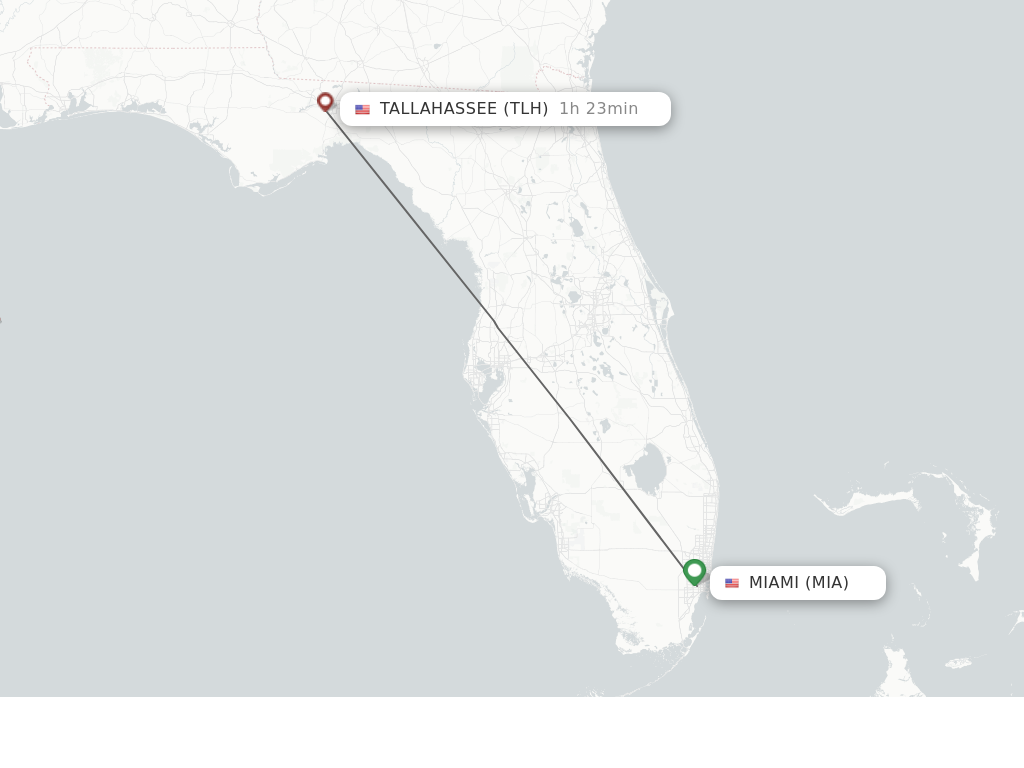
- Airports: Tallahassee International Airport (TLH) serves as the departure point, while Miami International Airport (MIA) is the primary arrival hub. Smaller airports in the Miami area, such as Fort Lauderdale–Hollywood International Airport (FLL), might also be considered depending on your final destination within the Miami region.
- Flight Duration: Direct flights between TLH and MIA are typically short, lasting around 1.5 to 2 hours.
- Total Travel Time: While the flight itself is brief, the overall travel time must include getting to the airport, check-in procedures, security, boarding, and then collecting luggage and navigating transportation from the arrival airport to your final destination in Miami. This entire process can realistically take 4 to 6 hours, making it significantly faster than driving for most.
- Airlines and Booking: Several major airlines operate routes connecting Tallahassee and Miami. Booking in advance is highly recommended, especially during peak travel seasons, to secure the best fares and flight times.
By Bus and Train: Budget-Friendly Options
For the budget-conscious traveler, bus and train services offer more economical alternatives, though they come with extended travel times.
- Bus Services: Companies like Greyhound offer bus routes connecting Tallahassee and Miami. This is typically the most budget-friendly option.
- Travel Time: The bus journey is considerably longer than driving or flying, often ranging from 10 to 14 hours, depending on the route and the number of stops.
- Comfort and Amenities: Bus travel has improved significantly, with many services offering reclining seats, Wi-Fi, and power outlets. However, it requires a greater degree of patience and a willingness to embrace the journey itself.
- Train Services: While there isn’t a direct Amtrak route that directly connects Tallahassee and Miami without significant transfers and extended travel times, it is worth checking Amtrak for potential routes that might involve buses or other connections, especially if you are seeking a different kind of travel experience. The primary Amtrak route through the panhandle, the Sunset Limited, heads west, and the Silver Meteor and Silver Star trains run down the east coast of Florida, meaning a connection would likely be required in central Florida.
- Travel Time: Due to the indirect nature of train travel between these two points, the journey can be exceptionally long, potentially exceeding 15-20 hours or more, including layovers.
- Experience: Train travel can offer a more relaxed and scenic experience compared to bus travel, with the ability to walk around and enjoy the passing landscapes.
Factors Influencing Travel Time and Experience
Beyond the mode of transport, several external factors can significantly influence your journey between Tallahassee and Miami.
Traffic Congestion
Florida is a popular destination, and its major thoroughfares, particularly around metropolitan areas like Orlando, Fort Lauderdale, and Miami, can experience considerable traffic congestion. This is especially true during rush hours, weekends, and major holidays. Driving through these areas without accounting for potential delays can add significant time to your trip.
Time of Year and Seasonality
The season in which you travel can also impact your journey. During peak tourist seasons, such as winter holidays and spring break, roads are busier, and flight and accommodation prices tend to be higher. Summer months can bring heavy, albeit often brief, afternoon thunderstorms that can affect driving conditions and flight schedules.

Personal Travel Style and Priorities
Ultimately, the “best” way to travel between Tallahassee and Miami depends on your individual priorities.
- For the time-pressed: Flying offers the quickest transit.
- For the independent explorer: Driving provides the most flexibility and opportunity for discovery.
- For the budget traveler: Bus services are the most economical choice.
By understanding the distances, exploring the available transportation options, and considering the influencing factors, travelers can meticulously plan their journey, ensuring a smooth and enjoyable transition between the historic charm of Tallahassee and the vibrant allure of Miami. Whether you choose the open road, the skies, or more economical ground transport, the adventure of traversing Florida awaits.
LifeOutOfTheBox is a participant in the Amazon Services LLC Associates Program, an affiliate advertising program designed to provide a means for sites to earn advertising fees by advertising and linking to Amazon.com. Amazon, the Amazon logo, AmazonSupply, and the AmazonSupply logo are trademarks of Amazon.com, Inc. or its affiliates. As an Amazon Associate we earn affiliate commissions from qualifying purchases.