
The question of whether a Real ID is mandatory in California is one that frequently arises for residents and frequent travelers alike. While the term “mandatory” can be interpreted in various ways, understanding the implications of the Federal REAL ID Act of 2005 and its implementation in the Golden State is crucial for navigating domestic air travel and accessing certain federal facilities. This guide will delve into the specifics, offering clarity for those planning their next adventure or simply needing to prove their identity for essential purposes.
Understanding the REAL ID Act and Its Purpose
The REAL ID Act was enacted by Congress in response to the September 11, 2001, terrorist attacks. Its primary objective is to establish minimum security standards for the issuance and production of state driver’s licenses and identification cards. The goal is to make these documents more reliable and harder to counterfeit, thereby enhancing national security. After several extensions, the deadline for compliant identification for boarding federally regulated commercial aircraft and entering certain federal facilities was set for May 7, 2025.
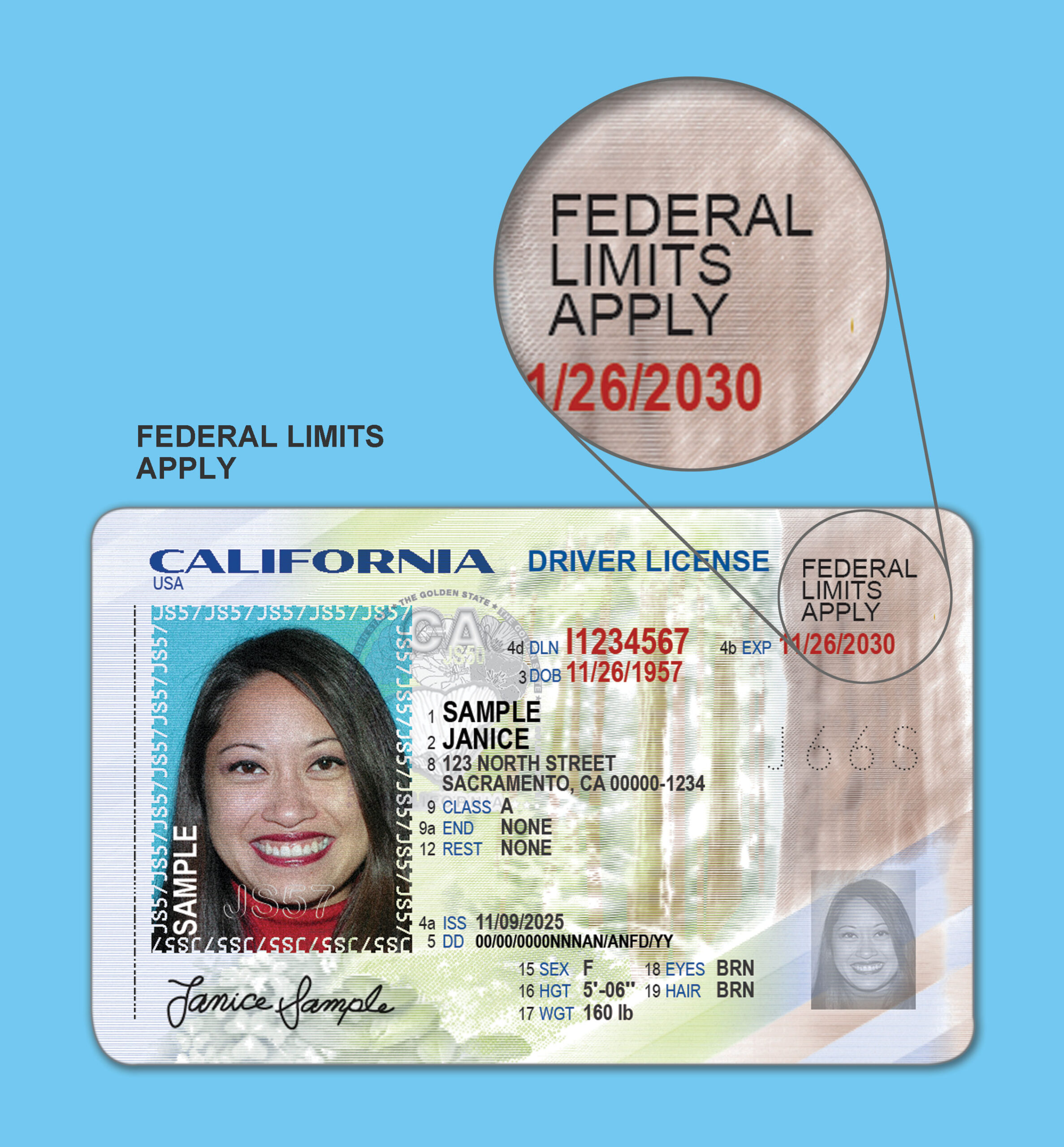
Before the REAL ID Act, identification documents varied significantly in their security features and the verification processes used by each state. This patchwork system created potential vulnerabilities. The act aims to create a unified national standard, ensuring that all states issue driver’s licenses and identification cards that meet stringent federal requirements for identity verification, document security, and issuance.
Key Provisions of the Act
The REAL ID Act mandates several key provisions for state-issued identification:
- Identity Verification: States must verify the identity, date of birth, and social security number of each applicant. This involves checking original or certified copies of documents.
- Database Check: Applicants must have their information checked against the state’s database of issued licenses and identification cards to prevent fraud and duplicate identities.
- Physical Security Features: Driver’s licenses and identification cards must incorporate security features designed to prevent tampering and counterfeiting.
- Machine-Readable Technology: The cards must include machine-readable technology (like barcodes or magnetic stripes) that allows for electronic verification of the information presented.
These measures are designed to ensure that the individual presenting the ID is who they claim to be, and that the document itself is legitimate.
California’s Response to the REAL ID Mandate
California began issuing REAL ID compliant driver’s licenses and identification cards on January 22, 2018, through the California Department of Motor Vehicles (DMV). These cards are visually distinct from standard licenses, featuring a gold bear in the upper right corner. Obtaining a REAL ID is an optional process for residents, but it comes with significant benefits for those who wish to use it for specific purposes.
It’s important to differentiate between a standard California driver’s license or ID and a REAL ID. Standard licenses and IDs will still be valid for driving and other state-specific identification needs. However, without a REAL ID or another federally accepted form of identification, Californians will eventually face limitations.
The Optional Nature and Benefits
The decision to obtain a REAL ID is voluntary. Residents can continue to use their existing, non-compliant California driver’s licenses or IDs for many everyday activities, such as driving, voting, or entering state and local government buildings. However, for specific federal purposes, a REAL ID will become necessary.
The primary benefit of having a REAL ID is its acceptance for boarding federally regulated commercial aircraft within the United States. This means that after the May 7, 2025, deadline, if you wish to fly domestically without presenting an alternative form of acceptable identification, your REAL ID will be essential. Furthermore, REAL ID compliant cards will be accepted for entry into federal facilities, including military bases and certain nuclear power plants.
What Happens If You Don’t Have a REAL ID?
The primary consequence of not obtaining a REAL ID by the May 7, 2025, deadline will be the inability to use your standard California driver’s license or ID for domestic air travel. Travelers will need to present an alternative form of federally accepted identification. Fortunately, there are several such alternatives available, meaning you won’t be completely grounded if you choose not to pursue a REAL ID.
The Transportation Security Administration (TSA) will continue to accept other forms of identification that meet federal standards. These include:
- U.S. Passport
- Passport Card
- DHS trusted traveler cards (Global Entry, NEXUS, SENTRI, FAST)
- U.S. Department of Defense ID, including IDs issued to dependents
- Permanent resident card
- Border crossing card
- State-issued Enhanced Driver’s License (EDL)
- Federally recognized, tribal-issued photo ID
- HSPD-12 PIV card
- Foreign government-issued passport
- Canadian provincial driver’s license or Indian and Northern Affairs Canada ID for U.S. citizens
- Transportation worker identification credential (TWIC)
- U.S. Citizenship and Immigration Services Employment Authorization Card (I-766)
- U.S. Merchant Mariner Credential
This list is not exhaustive, but it highlights the range of options available. For many frequent travelers, a U.S. passport is already a standard form of identification.
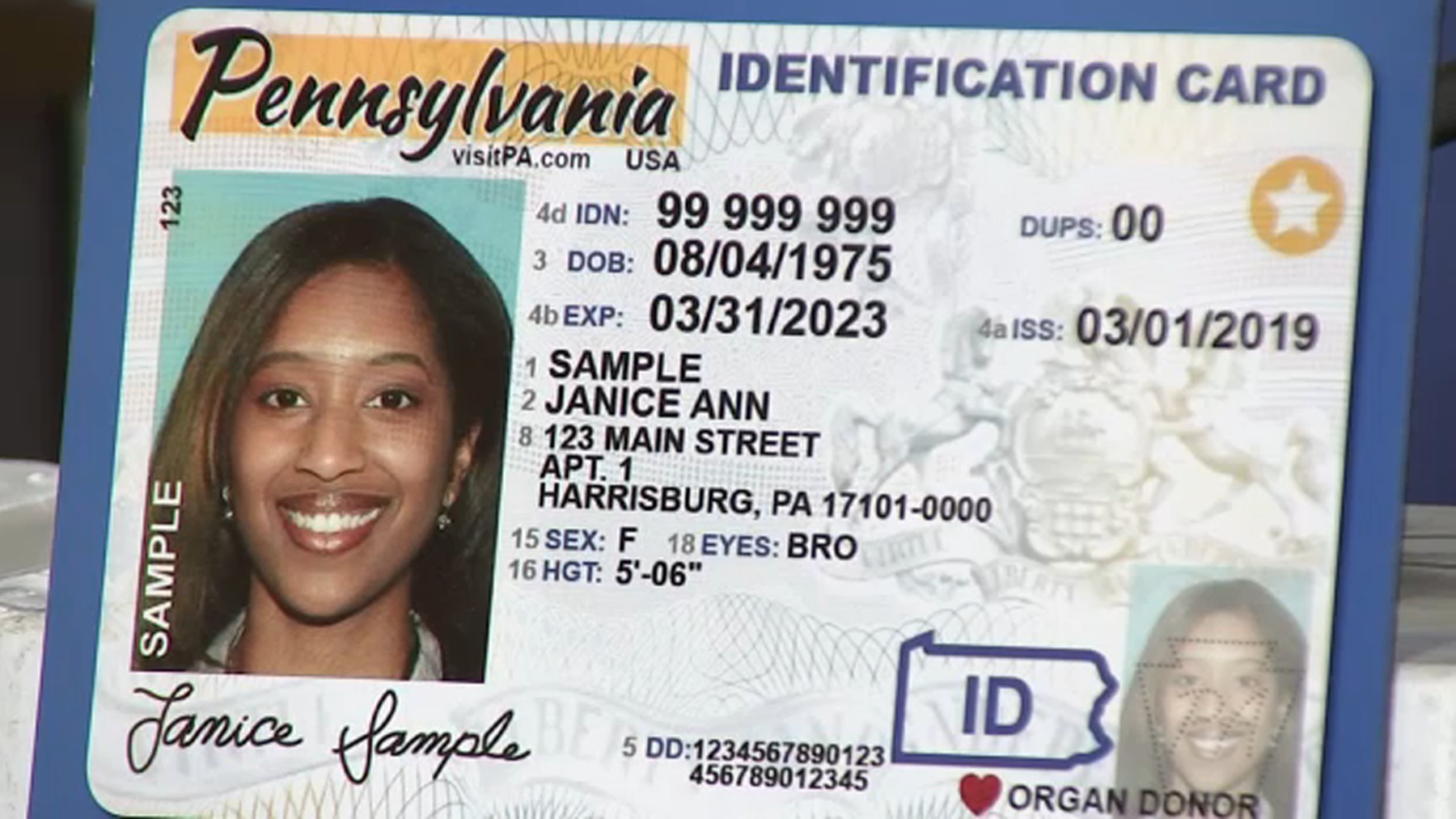
Alternatives for Travel and Access
If you don’t opt for a REAL ID, you will need to carry one of the aforementioned alternative documents when traveling by air domestically or seeking entry to secure federal facilities. For example, a U.S. passport can be used for both purposes and is a widely recognized and secure form of identification. Similarly, a passport card is a more compact and wallet-friendly alternative for many.
For individuals who do not possess any of these alternative forms of identification and have not obtained a REAL ID, their ability to board a commercial aircraft for domestic flights will be significantly impacted after the deadline. It’s crucial for all travelers to be aware of the accepted forms of identification and to plan accordingly.
Obtaining a REAL ID in California
The process of obtaining a REAL ID in California requires specific documentation and an in-person visit to a California DMV office. The DMV website provides a comprehensive checklist of acceptable documents, which generally fall into three categories: proof of identity, proof of social security number, and proof of California residency.
The key to a smooth application process is preparing thoroughly. Applicants will need to bring original or certified copies of documents that clearly establish their identity, date of birth, and social security number. This typically includes documents such as a birth certificate, passport, or Certificate of Citizenship for identity. For social security verification, a Social Security card, W-2 form, or pay stub with the full name and SSN is usually required.
Required Documentation and Application Process
To apply for a REAL ID, you will need to provide:
- Proof of Identity: One document that shows your full legal name and date of birth (e.g., U.S. Passport, birth certificate).
- Proof of Social Security Number: One document showing your full Social Security number (e.g., Social Security card, W-2 form).
- Proof of California Residency: Two different documents that show your current California address (e.g., utility bill, bank statement, rental agreement).
It is highly recommended to use the DMV’s online document selection tool to ensure you have the correct combination of documents. Walk-in appointments can be lengthy, so scheduling an appointment online in advance is strongly advised.
Frequently Asked Questions About REAL ID
The transition to REAL ID has prompted many questions from Californians. Understanding these common queries can help demystify the process and its implications.
Is a REAL ID Required for International Travel?
No, a REAL ID is not required for international travel. For international trips, you will continue to use your U.S. passport. The REAL ID is specifically for domestic air travel and access to certain federal facilities within the United States.
Will My Current California Driver’s License Be Valid After May 7, 2025?
Your current, standard California driver’s license or identification card will remain valid for driving and other state-related purposes. However, it will not be accepted for boarding federally regulated commercial aircraft or entering certain federal facilities after the May 7, 2025, deadline. You will need to present an alternative form of federally accepted identification, such as a U.S. passport.
How Much Does a REAL ID Cost in California?
The fee for a REAL ID is the same as the fee for a standard driver’s license or identification card. The California DMV fee structure can be found on their official website. The cost is typically associated with the issuance of a new license or ID, rather than an additional surcharge specifically for the REAL ID feature itself.

Can I Use My Passport Instead of a REAL ID for Domestic Flights?
Yes, a U.S. passport is one of the alternative forms of identification that the TSA will continue to accept for domestic air travel after the May 7, 2025, deadline. Many travelers may find it more convenient to use their passport if they already possess one, rather than obtaining a REAL ID.
In conclusion, while a REAL ID is not technically “mandatory” for all Californians, it will become a necessity for domestic air travel and access to certain federal facilities starting May 7, 2025, if you wish to use your driver’s license or ID for these purposes. Understanding the requirements and having a plan to either obtain a REAL ID or secure an alternative federally accepted form of identification is essential for smooth travel and access in the coming years.
LifeOutOfTheBox is a participant in the Amazon Services LLC Associates Program, an affiliate advertising program designed to provide a means for sites to earn advertising fees by advertising and linking to Amazon.com. Amazon, the Amazon logo, AmazonSupply, and the AmazonSupply logo are trademarks of Amazon.com, Inc. or its affiliates. As an Amazon Associate we earn affiliate commissions from qualifying purchases.