
The question of distance between two vibrant Florida locales, Tampa and Lakeland, is more than a simple geographical inquiry; it’s a gateway to understanding the interconnectedness of the Sunshine State’s urban centers and the diverse travel experiences they offer. Situated in the heart of Central Florida, these cities, while distinct in character, are remarkably proximate, making them ideal for day trips, weekend getaways, or as complementary stops on a broader Florida exploration. Understanding the mileage and travel times between them is the first step in planning an itinerary that capitalizes on the unique attractions each city presents.
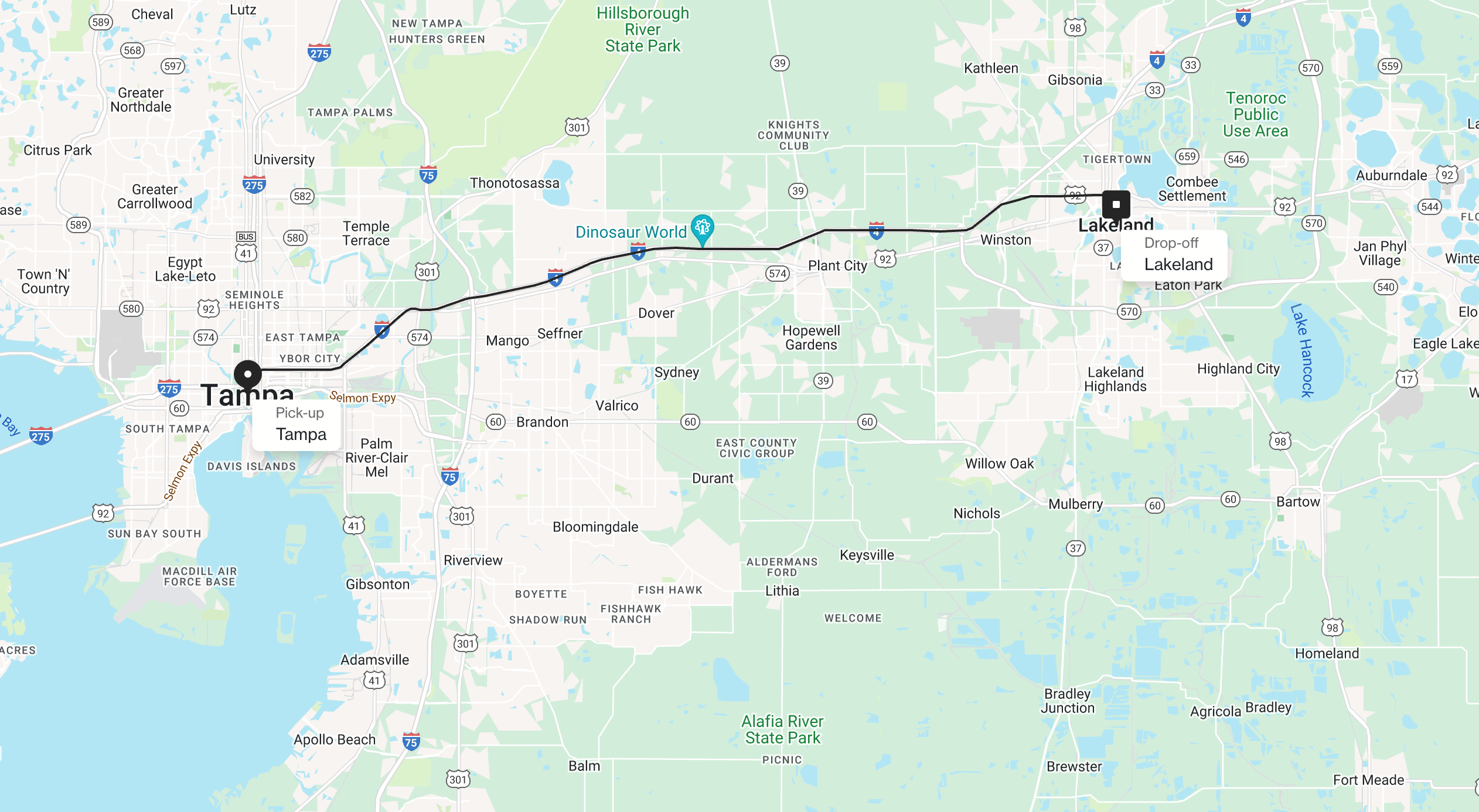
Navigating the Route: Distance and Travel Time
The direct distance between Tampa and Lakeland is a modest affair, typically falling between 30 to 40 miles, depending on the specific starting and ending points within each metropolitan area. This relatively short span makes the journey easily manageable for most travelers.
Driving Distances and Time Estimates
By car, the most common mode of transport for this route, the travel time is generally between 40 minutes to an hour. This estimate can fluctuate based on traffic conditions, especially during peak commuting hours or on major holidays. The primary artery connecting these two cities is Interstate 4 (I-4), a well-maintained highway that facilitates a smooth and direct passage.
-
I-4 Eastbound from Tampa to Lakeland: For those originating in the heart of Tampa, the drive to Lakeland primarily involves heading east on I-4. The journey typically takes around 45 minutes to an hour, with the distance hovering around 35 miles. Exits 31, 32, and 33 on I-4 serve as convenient access points to various parts of Lakeland.
-
I-4 Westbound from Lakeland to Tampa: Conversely, travelers departing from Lakeland will take I-4 westbound towards Tampa. The mileage remains similar, and the travel time is again in the 40-minute to one-hour range, heavily influenced by traffic density as one approaches the greater Tampa Bay area.
Alternative Routes and Considerations
While I-4 is the most direct and widely used route, alternative paths exist for those seeking a more scenic drive or wishing to avoid potential congestion. State Road 60 (SR 60) offers a more southerly option, though it generally takes longer due to lower speed limits and more local traffic. This route can be appealing for those who wish to experience more of the Floridian countryside. It’s always advisable to check real-time traffic applications, such as Google Maps or Waze, before commencing any journey, as conditions can change rapidly.
Exploring Tampa: A Metropolis of Attractions
Tampa, situated on the west coast of Florida, is a dynamic city that offers a wealth of attractions catering to diverse interests. Its proximity to Lakeland makes it an easily accessible destination for a day trip or a longer stay.
Bayshore Boulevard and Waterfront Experiences
One of Tampa’s most iconic features is Bayshore Boulevard, the longest continuous sidewalk in the world. This picturesque promenade offers stunning views of Tampa Bay and the city skyline, making it perfect for a leisurely stroll, jog, or bike ride. The waterfront is dotted with parks and opportunities for watersports, including kayaking and paddleboarding. Nearby, the Tampa Riverwalk provides a more urban, pedestrian-friendly experience, connecting several key cultural and recreational sites.
Ybor City: A Historic Cultural Enclave
A journey through Tampa would be incomplete without exploring Ybor City. This historic national landmark district, founded by Spanish and Cuban immigrants, is renowned for its cigar-making heritage. Visitors can immerse themselves in the vibrant culture through its museums, historic architecture, eclectic shops, and lively restaurants and bars. The district retains a unique European feel, particularly evident in the architecture and the aroma of handmade cigars that still permeates the air.
The Museum Scene and Performing Arts
Tampa boasts a rich cultural landscape, including the Tampa Museum of Art, which showcases a diverse collection of classical and contemporary art, and the Glazer Children’s Museum, an engaging space for younger visitors. For those interested in performing arts, the Straz Center for the Performing Arts hosts a wide array of Broadway shows, ballets, operas, and concerts, making it a cultural cornerstone of the city.

Theme Parks and Family Fun
While not directly within the city limits, Tampa serves as a prime gateway to some of the region’s most popular theme parks. Busch Gardens Tampa Bay offers a unique blend of thrilling roller coasters and exotic animal encounters, providing an unforgettable experience for families and adrenaline seekers alike. The park’s commitment to conservation and education adds another layer to its appeal.
Discovering Lakeland: Charm and Natural Beauty
Lakeland, known for its picturesque lakes and Frank Lloyd Wright-designed architecture, offers a more relaxed and intimate travel experience compared to its larger neighbor. Its proximity to Tampa allows for easy integration into a broader exploration of Central Florida.
The Chain of Lakes and Outdoor Recreation
Lakeland is aptly named, as it is surrounded by a system of beautiful lakes, thirty-five in total, forming what is known as the “Chain of Lakes.” These bodies of water provide ample opportunities for outdoor recreation, including boating, fishing, kayaking, and swimming. Parks surrounding the lakes, such as Combee Lake Park and Lakeland Lake Park, offer amenities like picnic areas, playgrounds, and walking trails, making them perfect for family outings and nature escapes.
The Architectural Marvels of Frank Lloyd Wright
A significant draw for architecture enthusiasts is Lakeland’s collection of buildings designed by the legendary architect Frank Lloyd Wright. The Annunciation Greek Orthodox Church and the Beth Sholom Synagogue are prime examples of his distinctive style, characterized by organic forms and integration with the natural environment. The city also houses the Florida Southern College campus, which features the largest collection of Frank Lloyd Wright buildings in the world, making it a pilgrimage site for admirers of his work. Guided tours are often available, providing in-depth insights into the design philosophy and historical context of these masterpieces.
Downtown Lakeland: A Hub of Activity
Downtown Lakeland has undergone a renaissance, transforming into a vibrant hub for arts, culture, and dining. The historic architecture of the buildings, many dating back to the early 20th century, provides a charming backdrop to the array of independent boutiques, art galleries, and innovative restaurants. The Polk Museum of Art, located in the heart of downtown, showcases a diverse collection of American, European, and contemporary art, further cementing Lakeland’s cultural appeal. Regular events, such as farmers’ markets and live music performances, add to the lively atmosphere.
Exploring Local Flavors and Culinary Delights
Lakeland offers a burgeoning culinary scene that reflects its community spirit. From casual cafes serving locally sourced ingredients to more upscale dining experiences, there are options to satisfy every palate. The city’s proximity to agricultural areas means fresh produce is often a highlight on menus. Exploring the downtown area will reveal charming eateries that offer a taste of Central Florida hospitality.
Planning Your Inter-City Excursion
The close proximity of Tampa and Lakeland makes them ideal companions for a multi-faceted travel experience. Whether you’re looking for the urban excitement of a major city or the serene beauty of a lakeside town, planning a trip that encompasses both is remarkably straightforward.
Creating a Day Trip Itinerary
A popular option is to dedicate a day to exploring one city and then driving to the other for an evening activity or a different set of attractions. For instance, one could spend the morning exploring the historic streets and cigar shops of Ybor City in Tampa, enjoy lunch with a view of Tampa Bay, and then drive to Lakeland in the afternoon to stroll around one of its scenic lakes or admire the Frank Lloyd Wright architecture. Alternatively, a morning spent visiting the Polk Museum of Art in Lakeland could be followed by an afternoon of adventure at Busch Gardens Tampa Bay.

Extended Stays and Regional Exploration
For those seeking a more immersive experience, considering an extended stay that includes both cities as bases is highly recommended. Visitors might choose to book accommodation in Tampa for a few nights to fully explore its museums, nightlife, and theme parks, and then relocate to a hotel or rental in Lakeland to enjoy its tranquil atmosphere, natural beauty, and unique architectural sites. This approach allows for a balanced itinerary, combining the thrill of the city with the relaxation of a smaller town. The relatively short driving distance means that the transition between the two locations is seamless, minimizing travel time and maximizing exploration opportunities. This combination provides a comprehensive glimpse into the diverse offerings of this dynamic region of Florida.
LifeOutOfTheBox is a participant in the Amazon Services LLC Associates Program, an affiliate advertising program designed to provide a means for sites to earn advertising fees by advertising and linking to Amazon.com. Amazon, the Amazon logo, AmazonSupply, and the AmazonSupply logo are trademarks of Amazon.com, Inc. or its affiliates. As an Amazon Associate we earn affiliate commissions from qualifying purchases.