
Navigating the process of notarizing a document in California might seem straightforward, but understanding the nuances ensures that your important paperwork is legally sound and accepted without a hitch. This guide aims to demystify the steps involved, covering everything from identifying notarial acts to the specific requirements for both the signer and the notary public. Whether you’re dealing with an affidavit, a power of attorney, or a deed, this comprehensive overview will equip you with the knowledge to confidently get your documents notarized across the Golden State.
Understanding Notarial Acts and Requirements
In California, a notary public is an impartial witness who verifies the identity of signers and witnesses the signing of important documents. Their role is crucial in deterring fraud and ensuring the integrity of legal transactions. Not all documents require notarization, but when they do, it’s essential to understand what a notary can and cannot do.

What is a Notarial Act?
A notarial act is a specific service that a notary public is authorized to perform. In California, the most common notarial acts include:
- Acknowledgments: The signer declares to the notary, in person, that they signed the document. The notary verifies the signer’s identity and ensures the signature is their own. This is often used for real estate documents, deeds, and contracts.
- Jurats: The signer swears or affirms to the notary, in person, that the contents of the document are true. The signer must sign the document in the presence of the notary, and the notary administers an oath or affirmation. This is common for affidavits, oaths, and declarations.
- Copy Certifications: A notary may certify a true copy of an original document. However, there are exceptions; you generally cannot certify copies of vital records (birth, death, marriage certificates) or public records that are already certified by the issuing agency.
- Protests: This is a more specialized act, typically related to negotiable instruments like checks or promissory notes that have been dishonored.
It’s important to distinguish between what a notary does and what they are qualified to advise on. A notary public cannot provide legal advice, explain legal documents, or draft legal documents. Their role is purely that of an impartial witness and identifier.
Who Can Act as a Signer?
For a document to be notarized, the person signing it must be the principal party to the document and must appear before the notary in person. This means the person whose signature is being notarized must be physically present with the notary. Online notarizations are now permitted in California, but specific requirements and platforms must be met.
The signer must also be aware of the nature of the document they are signing and willingly sign it. If a document requires multiple signatures, each signer must appear before the notary and present valid identification.
Identification Requirements
Perhaps the most critical aspect of a notary’s duty is verifying the identity of the signer. California law outlines acceptable forms of identification, which fall into two categories:
- Credible Witness: A credible witness is a person who is personally known to the notary and who can attest to the signer’s identity. They must also sign an affidavit affirming the signer’s identity.
- Government-Issued Identification: This is the more common method. The identification must be current, contain the signer’s name, photograph, and a physical description. Acceptable forms include:
- A California driver’s license or identification card
- A United States passport
- A driver’s license or identification card issued by another U.S. state
- A U.S. national or tribal area identification card
- A foreign passport
- A Mexican or Canadian driver’s license
- An identification card issued by the U.S. Department of Homeland Security or the U.S. Citizenship and Immigration Services
- A U.S. military ID card
- An inmate identification card issued by a California state or federal correctional institution
The notary must record the type of identification presented, the issuing agency, the serial number, and the expiration date in their journal.
The Step-by-Step Process of Notarization
Getting a document notarized in California involves a clear sequence of actions. Following these steps ensures that the notarization is valid and that the document meets all legal requirements.
Step 1: Prepare Your Document
Before you seek a notary, ensure your document is fully prepared.
- Fill in all blanks: Do not leave any spaces blank in the document. If a section is not applicable, it should be clearly marked as “N/A” (Not Applicable) or stricken through with the initials of all parties involved, depending on the document’s nature and any specific instructions.
- Do not sign the document beforehand: You must sign the document in the presence of the notary public. If the document is already signed, the notary may not be able to notarize it, and you might have to get a new document drafted.
- Know the type of notarization needed: Confirm with the entity that requested the document whether they require an acknowledgment, a jurat, or another type of notarial act. This will dictate how the notary will administer the service.
Step 2: Locate a California Notary Public
Notary publics are available in various locations throughout California. Common places to find them include:
- Banks and Credit Unions: Many financial institutions offer notary services to their customers, sometimes for free or a small fee. Examples include Bank of America, Wells Fargo, and Chase Bank.
- Shipping and Business Service Centers: Stores like The UPS Store and FedEx Office often have notaries on staff.
- County Clerk’s Offices: Your local county clerk’s office typically provides notary services, though availability and fees can vary.
- Courthouses and Law Offices: Some law firms and courthouses have notaries available, particularly for legal documents.
- Mobile Notary Services: If you cannot travel, consider hiring a mobile notary public who will come to your location. This is especially convenient for those who are homebound or need services outside of business hours.
- Online Notarization Platforms: For certain documents, California now permits remote online notarizations (RON). These require specialized platforms and adherence to strict identity verification protocols.
When choosing a notary, confirm their commission status and understand their fees. California law sets maximum fees for notary services, which are clearly posted by each notary.
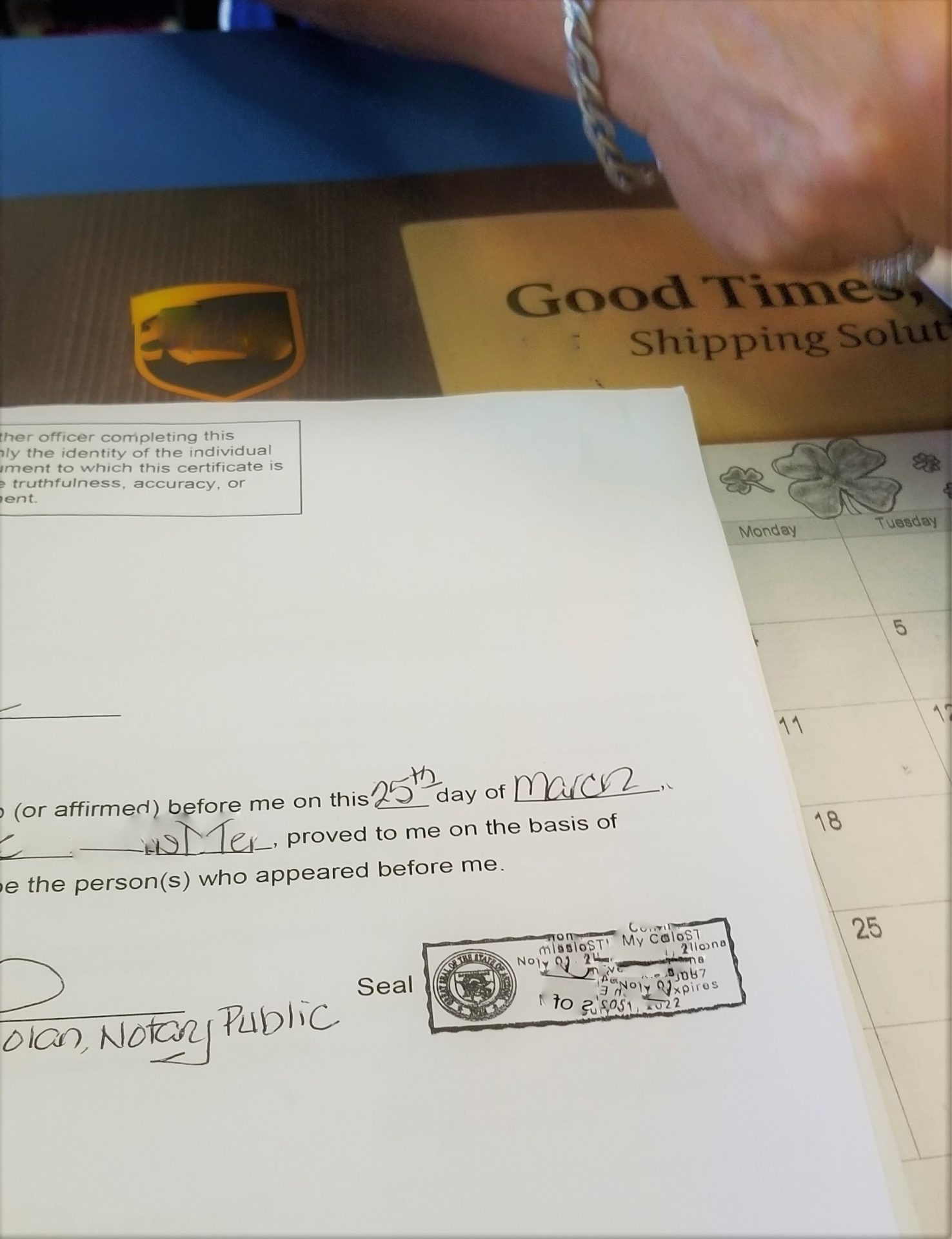
Step 3: Appear Before the Notary and Present Your Document
Once you have located a notary and prepared your document, you will need to schedule an appointment if necessary and appear before them.
- Bring the unsigned document: As mentioned, do not sign it until you are with the notary.
- Bring valid identification: Ensure your identification is on the list of acceptable forms and is not expired.
- Be prepared to sign and/or swear: Depending on the notarial act, you will be asked to sign the document and/or swear or affirm to its truthfulness.
Step 4: The Notary’s Actions
The notary will guide you through the rest of the process:
- Verify your identity: They will examine your identification and record the details.
- Administer oath or affirmation (for jurats): If it’s a jurat, they will ask you to swear or affirm that the statements in the document are true.
- Witness your signature: They will watch you sign the document.
- Complete the notarial certificate: This is the portion of the document that contains the notary’s seal and signature. The notary will fill in the date, location, type of notarial act, and their official information.
- Record in their journal: The notary is legally required to record every notarial act in a journal. This includes details about the document, the signer, the type of act, and the identification used.
Step 5: The Notary Seal and Signature
The notary’s seal is an embossed or stamped impression that contains their name, commission number, and expiration date. The seal, along with the notary’s signature and date, is affixed to the notarial certificate. This seal serves as official confirmation that the notary has performed their duties correctly.
Special Considerations for Notarizing Documents in California
While the general process is consistent, certain situations and document types may require additional attention to ensure a smooth notarization experience.
Remote Online Notarization (RON) in California
California has embraced remote online notarization, allowing notaries and signers to complete notarial acts virtually. This is a significant development, especially for individuals who may find it challenging to appear in person.
To perform a RON, a notary public must:
- Be commissioned as a notary public in California.
- Complete a RON training course approved by the California Secretary of State.
- Obtain a digital certificate and a secure electronic seal.
- Use an approved RON platform that meets strict security and identity verification standards.
The process typically involves the signer using a webcam and microphone to interact with the notary. Identity is verified through knowledge-based authentication (KBA) questions, credential analysis (scanning government-issued ID), and video verification. The document is then electronically signed and sealed by the notary. It is crucial to confirm with the recipient of the document that they accept electronically notarized documents, as some entities may still require traditional ink signatures.
Documents Requiring Specific Notarial Wording
Some documents come with pre-printed notarial certificates. It is vital that the wording of this certificate is correct for the type of notarization required. If the document has incorrect wording or no certificate at all, the notary may attach a separate loose certificate with the correct language. However, if the document requires a specific type of notarization (e.g., an acknowledgment for a deed), the pre-printed certificate must conform to that requirement.
Notarizing for Individuals with Disabilities or Language Barriers
California law requires notaries to make reasonable accommodations for signers with disabilities. This can include allowing a signer to use a power of attorney to appoint someone to sign on their behalf if they cannot physically sign the document themselves, or if they are unable to communicate their intent. The notary must ensure that the person granting the power of attorney is competent and understands the document.
For individuals with language barriers, the notary can only proceed if the signer understands the document and the notarial act. If the signer does not understand English, the notary must use a qualified interpreter who is not a party to the document. The interpreter must also be identified in the notary’s journal.

Refusal to Notarize
A notary public is authorized to refuse to notarize a document if:
- The signer cannot be properly identified.
- The signer does not appear to understand the document they are signing.
- The signer appears to be under duress or coercion.
- The document is incomplete or appears to be tampered with.
- The request is for a notarial act the notary is not authorized to perform.
This refusal is a safeguard to protect the public and maintain the integrity of the notarization process.
By understanding these components, obtaining a notarization in California becomes a more accessible and less daunting task, ensuring your important documents are legally recognized and processed without delay.
LifeOutOfTheBox is a participant in the Amazon Services LLC Associates Program, an affiliate advertising program designed to provide a means for sites to earn advertising fees by advertising and linking to Amazon.com. Amazon, the Amazon logo, AmazonSupply, and the AmazonSupply logo are trademarks of Amazon.com, Inc. or its affiliates. As an Amazon Associate we earn affiliate commissions from qualifying purchases.