
For anyone planning a visit to the dynamic Valley of the Sun in Arizona, a common and essential question arises: “How far is Tempe, Arizona from Phoenix?” The answer is crucial for travelers, whether they’re planning commutes for business, visiting family and friends, or embarking on a leisurely exploration of the region’s diverse attractions. The good news is that these two vibrant cities are not just neighbors; they are intimately connected, making travel between them remarkably straightforward and quick.
Tempe and Phoenix form integral parts of the expansive Phoenix metropolitan area, a sprawling urban landscape often referred to as the Valley of the Sun. This proximity means that visitors can easily leverage the unique offerings of both cities without significant travel hassles. From bustling downtown districts to scenic parks and a thriving cultural scene, the ease of movement between Tempe and Phoenix unlocks a wealth of experiences for travelers. This guide will delve into the precise distances, estimated travel times, various transportation options, and essential tips for navigating the journey, ensuring a seamless and enjoyable visit to this captivating Arizona destination.
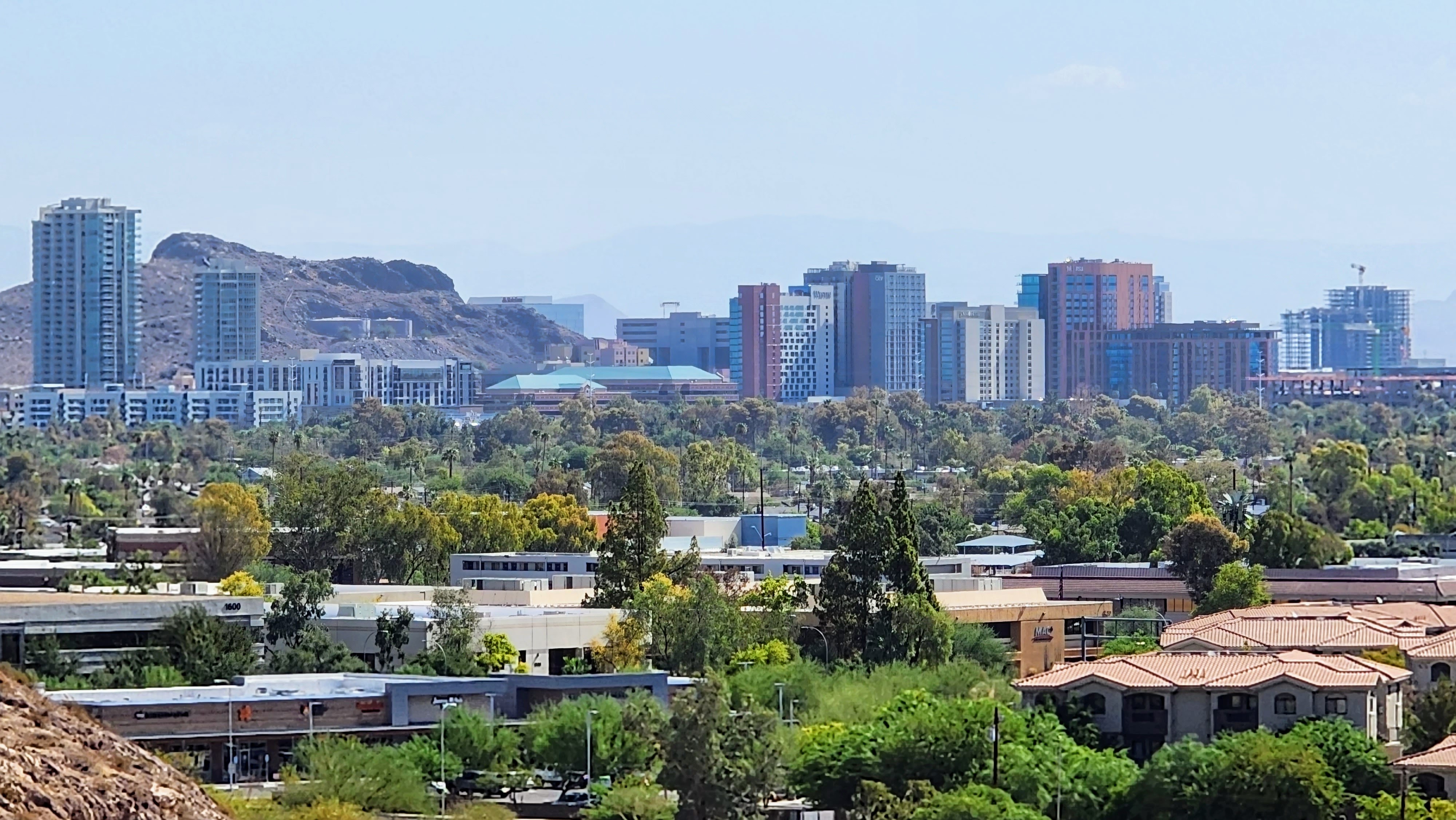
The Proximity Factor: Distance and Travel Time
Understanding the exact distance and expected travel time between Tempe and Phoenix is the cornerstone of efficient travel planning in the Valley of the Sun. While maps might show them as distinct entities, in practice, they function as parts of a cohesive urban fabric, with a journey between their centers being surprisingly short.
Straight Line vs. Driving Distance
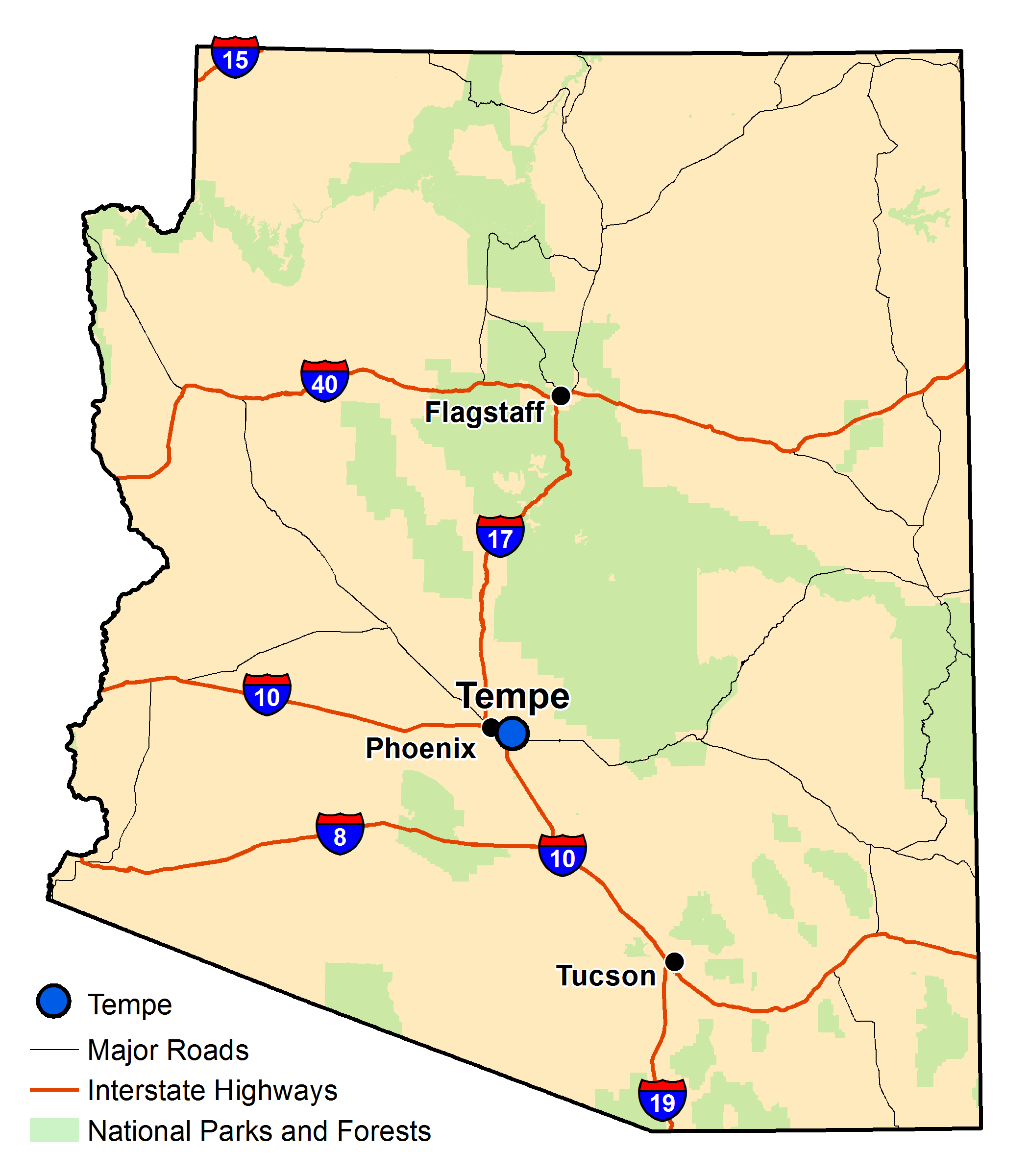
Geographically, Tempe borders Phoenix directly to the east. As such, the straight-line distance is minimal. However, for practical travel purposes, it’s the driving distance that matters, and this can vary slightly depending on your exact starting point in one city and destination in the other.
On average, the driving distance between the core areas of Downtown Tempe and Downtown Phoenix ranges from approximately 8 to 12 miles. For instance, a trip from the bustling Mill Avenue District in Tempe to the heart of Downtown Phoenix, near attractions like the Footprint Center or Chase Field, typically covers about 9-10 miles. Routes often utilize major freeways such as I-10 and Loop 202 (Red Mountain Freeway), as well as arterial roads like SR 143 (Hohokam Expressway) and University Drive.
Estimating Travel Duration
The most appealing aspect of travel between Tempe and Phoenix is the relatively short duration. Under normal traffic conditions, a drive between the city centers usually takes 15 to 30 minutes. This estimate, however, is highly contingent on the time of day and prevailing traffic patterns. During peak rush hours (typically 7-9 AM and 4-6 PM on weekdays), this travel time can extend to 40 minutes or even an hour, especially on congested freeway segments.
Factors such as ongoing road construction, special events drawing large crowds, or accidents can also significantly impact travel times. It’s always advisable to check real-time traffic updates using navigation apps before embarking on your journey, particularly if you have a scheduled appointment or flight to catch.
Key Connection Points
A crucial element in the seamless travel experience between the two cities is the presence of Phoenix Sky Harbor International Airport (PHX). Situated conveniently on the border of Phoenix and Tempe, PHX serves as a central hub, making it equally accessible from both. From the airport, Downtown Tempe is just a 5-10 minute drive, while Downtown Phoenix is typically a 10-15 minute drive, further highlighting the close integration of these urban areas. This strategic location minimizes travel stress for arriving or departing visitors, offering flexibility in choosing where to base their stay.
Navigating the Urban Sprawl: Transportation Options
The close proximity of Tempe and Phoenix means travelers have a variety of transportation methods at their disposal, each offering distinct advantages depending on individual preferences and itineraries. From the flexibility of personal vehicles to the eco-friendliness of public transit, options abound for traversing this vibrant urban corridor.
Driving: The Most Flexible Option
For many visitors to the Valley of the Sun, driving remains the preferred method of transportation due to its unparalleled flexibility. The region boasts an extensive network of well-maintained highways, including the primary arteries like I-10, Loop 202, and SR 143, which efficiently connect Tempe and Phoenix.
Rental Cars: If you’re flying into Phoenix Sky Harbor International Airport, renting a car is a popular choice, especially if you plan to explore areas beyond the immediate downtowns or venture into the wider Arizona landscape. Rental car facilities are easily accessible via the PHX Sky Train. Keep in mind that while driving offers freedom, parking in popular areas, especially Downtown Phoenix and the Mill Avenue District in Tempe, might require payment and can be challenging during peak hours or special events.
Ride-Sharing Services: For those who prefer not to drive, ride-sharing services like Uber and Lyft are readily available throughout the metropolitan area. They offer a convenient, on-demand solution for door-to-door transport, making them ideal for airport transfers, evening outings, or when you simply want to avoid the hassle of parking. Fares will vary based on distance, demand, and time of day, but typically offer a cost-effective alternative to taxis for shorter journeys.
Public Transportation: Valley Metro Rail and Bus Services
For budget-conscious travelers or those looking to avoid traffic and parking, the Valley Metro Rail and bus system provide excellent public transportation options.
Valley Metro Rail: This light rail system is a lifeline connecting major hubs across the Valley, including Downtown Phoenix, Tempe, and Mesa. It offers a reliable and efficient way to travel between these cities, operating on a fixed schedule. The rail line has multiple stops in Downtown Tempe, particularly convenient for accessing Arizona State University (ASU) and the Mill Avenue District, and continues directly into Downtown Phoenix, stopping near key attractions and business districts.
For airport access, the PHX Sky Train seamlessly connects to the Valley Metro Rail at the 44th Street/Washington Street Station, offering a convenient transit option for arriving and departing passengers. Travel time by rail between Downtown Tempe and Downtown Phoenix typically ranges from 25 to 35 minutes, a predictable duration regardless of surface traffic. Fares are affordable, with day passes available for unlimited rides.
Bus System: Complementing the light rail, the Valley Metro bus system extends reach to areas not directly served by the rail line. Numerous bus routes crisscross Phoenix and Tempe, offering comprehensive coverage. While bus travel might take longer than driving, it’s an economical way to navigate the cities and connect to various neighborhoods. Information on routes, schedules, and fares can be found on the Valley Metro website or via trip planning apps.
Cycling and Walking
While not practical for the full distance between Downtown Tempe and Downtown Phoenix for most, cycling and walking are excellent options for shorter segments and local exploration. Both cities are relatively flat, and Tempe in particular has a strong cycling culture with dedicated bike lanes and multi-use paths.
The area around Tempe Town Lake and Papago Park offers scenic routes for cyclists and pedestrians, including the Crosscut Canal Path which connects various parts of Tempe and extends towards Phoenix. Bike share programs are also available in Tempe, allowing visitors to rent bikes for short periods. For the full city-to-city journey, however, these options are generally reserved for dedicated fitness enthusiasts, though segments can be incorporated into multi-modal travel plans.
Travel Logistics and Planning Considerations
Successful travel between Tempe and Phoenix hinges on effective planning, especially when factoring in the metropolitan area’s dynamic rhythm. Considering traffic, special events, and your overall itinerary can significantly enhance your experience.
Traffic Hotspots and Peak Hours
As with any major metropolitan area, traffic can be a significant variable. The primary freeways connecting Tempe and Phoenix – notably I-10, Loop 202, and SR 143 – can become heavily congested during weekday morning (7-9 AM) and evening (4-6 PM) commutes. Specific bottlenecks often occur around interchanges and near the Phoenix Sky Harbor International Airport area.
To mitigate potential delays, it’s highly recommended to utilize real-time navigation apps such as Google Maps or Waze. These tools provide up-to-the-minute traffic conditions, suggest alternative routes, and offer accurate estimated arrival times, helping you plan your departure more effectively. If your schedule allows, traveling during off-peak hours can dramatically reduce your commute time and stress.
Special Events and Their Impact
The Valley of the Sun is a hub for numerous events, and these can have a substantial impact on local traffic and public transport usage. Arizona State University (ASU) in Tempe frequently hosts large gatherings, including football games at Sun Devil Stadium, graduation ceremonies, and concerts, particularly affecting the Mill Avenue District. Similarly, Phoenix draws crowds for events at its sports arenas like the Footprint Center and Chase Field, as well as major conventions and festivals.
Beyond local events, regional occurrences like Spring Training baseball (spanning multiple cities in the metro area) or major national sporting events (e.g., Super Bowl, NCAA Final Four) can cause widespread traffic disruptions and increased demand for all forms of transportation. Always check local event calendars for both Tempe and Phoenix during your travel dates. If a major event coincides with your travel, plan extra time, consider public transportation, or explore ride-sharing as alternatives to driving.
Accommodation Strategy for Dual Exploration
Given the ease of travel between Tempe and Phoenix, travelers have excellent flexibility when deciding where to stay. You can comfortably base yourself in one city and easily commute to the other for attractions, dining, or business.
Staying in Tempe: Tempe offers a vibrant, youthful atmosphere, largely thanks to ASU. It boasts a lively nightlife along Mill Avenue, proximity to Tempe Town Lake for outdoor activities, and quick access to Phoenix Sky Harbor International Airport. Hotels in Tempe can sometimes be more budget-friendly than those in Downtown Phoenix, especially during non-ASU event periods.
Staying in Phoenix: Phoenix offers a more metropolitan experience with a wider array of upscale dining, major museums like the Heard Museum and Phoenix Art Museum, and professional sports venues. Its central location also provides good access to other Valley attractions like the Desert Botanical Garden.
Ultimately, the choice of where to stay depends on your primary interests. Regardless of your base, the short distance and efficient transportation options ensure that the best of both cities is always within easy reach, allowing for a comprehensive and enriching travel experience.
Making the Most of Your Journey Between Phoenix and Tempe
The ease of travel between Phoenix and Tempe is one of the Valley of the Sun’s greatest assets, offering visitors the flexibility to experience a diverse range of attractions and activities without logistical headaches. Understanding why people travel between these two cities and armed with practical tips, you can transform a simple commute into an integral part of your Arizona adventure.
Why Travel Between Them? A Glimpse of Attractions (Traveler’s Context)
While the focus of this article is on the how of travel, it’s essential to briefly touch upon the why as it directly influences travel planning. The close proximity of Phoenix and Tempe allows travelers to seamlessly blend experiences, making the journey between them a gateway to discovering the multifaceted charm of the region.
In Phoenix: Visitors are drawn to world-class cultural institutions like the Desert Botanical Garden and Heard Museum, the vibrant arts scene at the Phoenix Art Museum, and the excitement of professional sports at the Footprint Center (home to the Suns and Mercury) and Chase Field (home to the Diamondbacks). The city also offers a sophisticated dining scene and extensive shopping options.
In Tempe: The presence of Arizona State University infuses Tempe with youthful energy, particularly evident in the bustling Mill Avenue District known for its nightlife, restaurants, and unique shops. Tempe Town Lake offers opportunities for kayaking, paddleboarding, and scenic walks, while Papago Park provides access to hiking trails and iconic red rock formations. Sports enthusiasts also frequent Sun Devil Stadium for college football games.
The short travel time between these diverse offerings means you could, for example, spend your morning exploring a museum in Phoenix, enjoy an afternoon stroll around Tempe Town Lake, and then head back to Phoenix for an evening concert or sporting event, all within a single day.

Insider Tips for a Smooth Trip
To ensure your journeys between Phoenix and Tempe are as smooth as possible, consider these practical tips:
- Utilize Navigation Apps: Always refer to real-time traffic apps like Google Maps or Waze before and during your drive. They are invaluable for avoiding congestion and finding the fastest routes.
- Consider Off-Peak Travel: If your schedule permits, aim to travel outside of the typical rush hours (7-9 AM and 4-6 PM on weekdays). This can cut your travel time significantly.
- Embrace Public Transportation: Don’t underestimate the efficiency of the Valley Metro Rail. It’s a fantastic option for direct travel between the downtowns of Tempe and Phoenix, especially if you’re attending an event or want to avoid parking hassles. Purchase a day pass if you plan multiple rides.
- Factor in Parking: If driving, research parking options and costs at your destination in advance. Many downtown areas offer garages or metered street parking, but costs and availability can vary.
- Stay Hydrated: Arizona’s climate is hot for much of the year. If you plan to walk or cycle, especially to and from public transport stops, ensure you carry water and dress appropriately.
In conclusion, the question “How far is Tempe, Arizona from Phoenix?” reveals a highly interconnected urban landscape where travel is characterized by convenience and efficiency. Whether you choose the flexibility of driving, the predictability of the light rail, or the convenience of ride-sharing, navigating between these two dynamic cities is a straightforward affair, making the entire Valley of the Sun readily accessible for all your travel endeavors.
LifeOutOfTheBox is a participant in the Amazon Services LLC Associates Program, an affiliate advertising program designed to provide a means for sites to earn advertising fees by advertising and linking to Amazon.com. Amazon, the Amazon logo, AmazonSupply, and the AmazonSupply logo are trademarks of Amazon.com, Inc. or its affiliates. As an Amazon Associate we earn affiliate commissions from qualifying purchases.