
Understanding the vast geography of the American Southwest is essential for any traveler planning a road trip across these iconic states. Because both Texas and New Mexico are expansive, the distance between them varies dramatically depending on your departure point and final destination. Spanning hundreds of miles of diverse desert landscapes, rugged mountains, and high plains, the journey from one to the other offers some of the most striking vistas in the United States.
Calculating Distances: The Geography of the Southwest
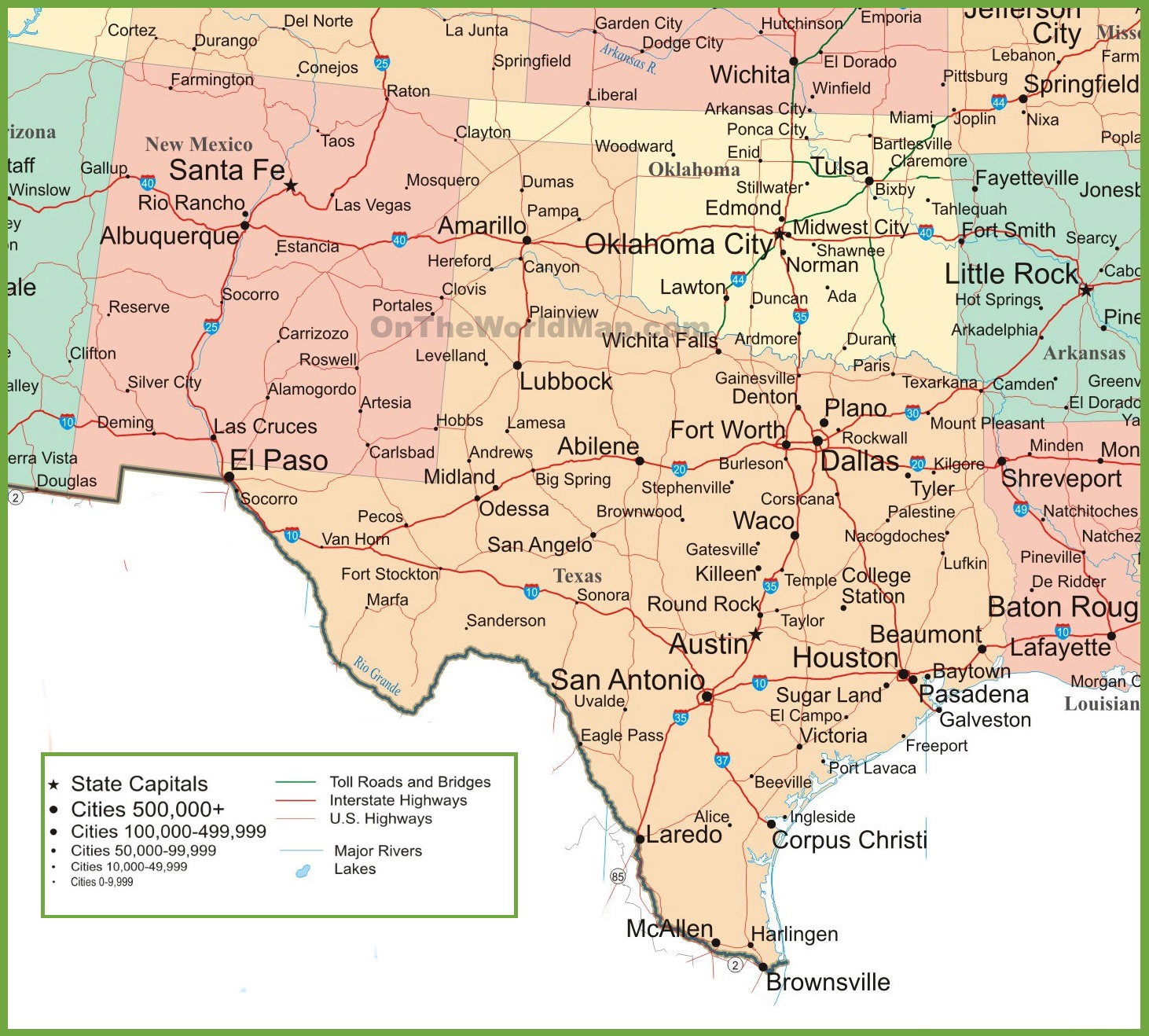
The border between these two states is quite extensive, running from the northern boundary of the Texas Panhandle down to the southern tip near the Rio Grande. Because they share a significant border, the distance can be as little as zero miles if you are crossing the state line on a highway, or well over 800 miles if you are traveling from the far eastern reaches of East Texas to the western edge of New Mexico.
Key Travel Corridors
If you are planning a trip, the most common route involves connecting major metropolitan hubs. For those traveling from Dallas to Santa Fe, the drive covers approximately 650 to 700 miles. This route typically follows Interstate 20 and eventually merges into highways that wind through the beautiful, arid landscapes of the high desert.
For travelers coming from Houston, the trip is significantly longer, often exceeding 800 miles to reach cities like Las Cruces. Conversely, a trip from El Paso—which sits directly on the border—into New Mexico can take you across the state line in a matter of minutes.
Understanding Drive Times vs. Mileage
It is important to remember that mileage does not always correlate to time in the Southwest. The open roads of West Texas often allow for higher cruising speeds, while the winding mountain passes near Cloudcroft or Ruidoso in New Mexico require a more cautious pace. Always check for road construction and weather conditions, especially during the winter months when mountain passes can become treacherous.
Popular Routes and Regional Highlights
The journey between these states is more than just getting from point A to point B; it is an experience rooted in the history of the Old West. Whether you are driving for business or leisure, there are several “must-see” corridors that define the transition from the Texas plains to the New Mexican plateaus.
The Route 66 Connection
For those seeking a nostalgic trip, segments of Route 66 cross through the Texas Panhandle and into the heart of New Mexico. This iconic path takes you through Amarillo, home to the famous Cadillac Ranch, before crossing into Tucumcari. This route is a favorite for road-trip enthusiasts who enjoy retro motels, classic diners, and the sprawling landscapes that inspired so much American folklore.
The Southern Route Through the Chihuahuan Desert
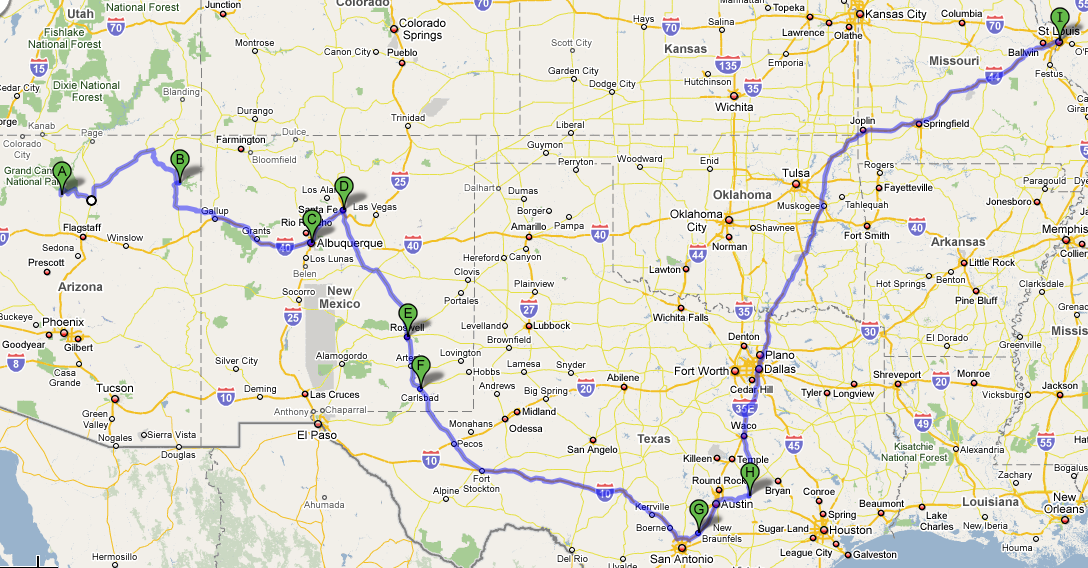
Travelers moving from San Antonio or Austin often find themselves navigating through the vast Chihuahuan Desert. This area is characterized by dramatic shifts in temperature and breathtaking sunsets. As you approach Guadalupe Mountains National Park, the elevation begins to climb, signaling your entry into the unique geological territory of southern New Mexico.
Practical Tips for Cross-State Travel
Driving between Texas and New Mexico requires preparation, particularly because of the vast, remote stretches where gas stations and cellular service can be sparse.
Preparing Your Vehicle
- Check Fluid Levels: The heat of the Southwest can be brutal on vehicles. Ensure your cooling system is in peak condition before departing.
- Tire Pressure: Temperature fluctuations between the low-lying plains and high-altitude mountain regions can affect tire pressure. Check it regularly.
- Emergency Kit: Always carry water, non-perishable snacks, a spare tire, and basic tools. In some parts of West Texas, you may go hours without seeing another vehicle.
Navigation and Infrastructure
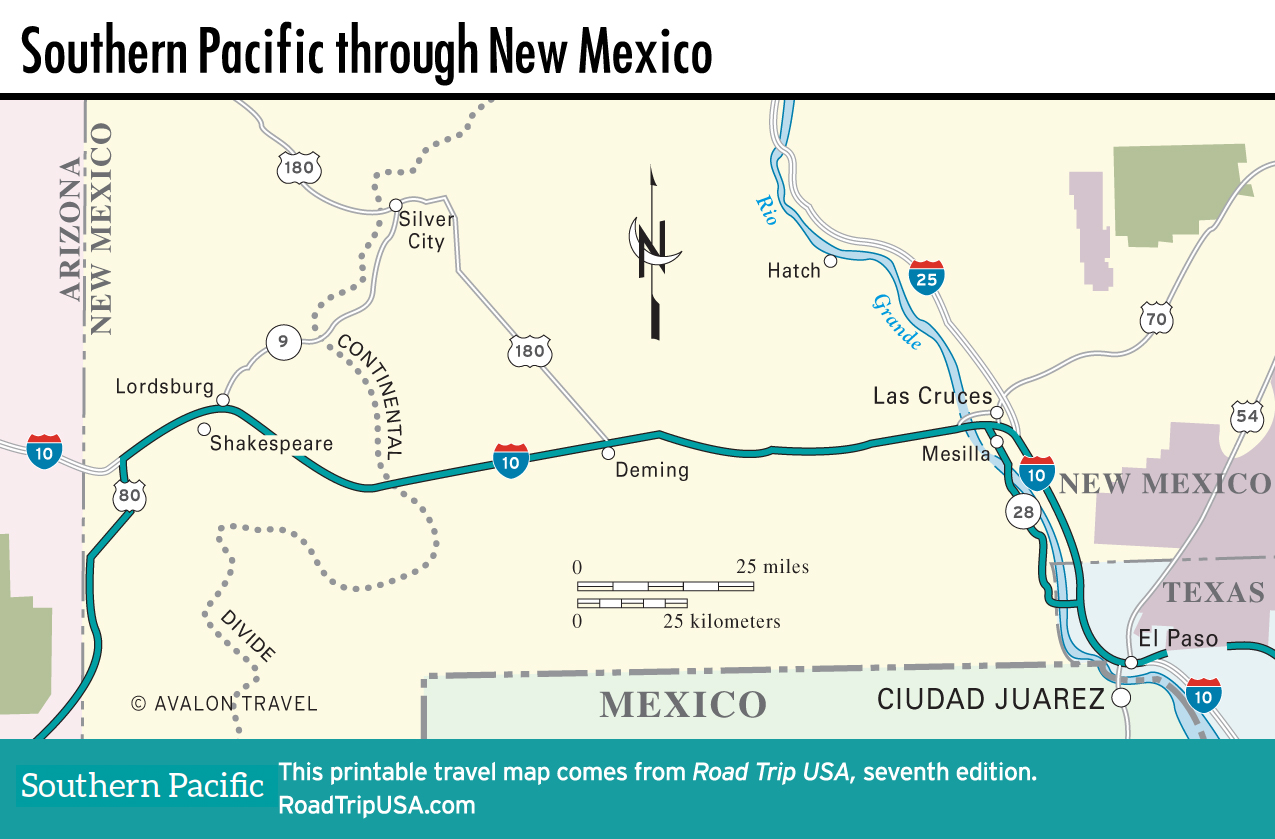
While modern GPS systems are reliable, it is wise to download offline maps for areas like the Lincoln National Forest or the remote stretches of Interstate 10. The vastness of the landscape often leads to signal dead zones. Furthermore, keep an eye on fuel levels; it is a common rule of thumb in the desert to refill whenever your tank hits the halfway mark, as service stations can be hundreds of miles apart.
Respecting the Environment
As you travel, you will notice the drastic change in topography, from the rolling Hill Country of Texas to the dramatic Sangre de Cristo Mountains of New Mexico. Both states prioritize the preservation of their natural beauty. Whether you are visiting Big Bend National Park or the White Sands National Park, always follow “Leave No Trace” principles to ensure these landscapes remain pristine for future travelers.
Selecting Your Destination: Where to Stop
If you are merely using the drive as a transit between two hubs, you might miss the cultural treasures located in the interstitial spaces. New Mexico, in particular, offers a stark contrast in architectural style and culinary traditions compared to its neighbor.
- Cultural Contrast: Santa Fe is world-renowned for its adobe architecture and thriving arts scene, a stark change from the skyscraper-dominated skylines of Dallas or Houston.
- Culinary Differences: While Texas is celebrated for its smoked brisket and Tex-Mex influence, New Mexico offers a unique gastronomic experience centered around the famous Hatch green chile.
- Historical Landmarks: Stops like Carlsbad Caverns National Park offer a glimpse into the natural wonders that exist right along the state border, bridging the gap between the two regions effectively.
Ultimately, the distance between Texas and New Mexico is a matter of perspective. While the odometer might register hundreds of miles, the change in atmosphere, culture, and landscape makes every mile worth the effort. Whether you are heading west for a skiing trip in Taos or east for the legendary barbecue of Central Texas, the journey across these states remains one of the most quintessential road-trip experiences in North America. With proper planning, a reliable vehicle, and a spirit of adventure, the distance becomes an invitation to explore the hidden gems of the American frontier.
LifeOutOfTheBox is a participant in the Amazon Services LLC Associates Program, an affiliate advertising program designed to provide a means for sites to earn advertising fees by advertising and linking to Amazon.com. Amazon, the Amazon logo, AmazonSupply, and the AmazonSupply logo are trademarks of Amazon.com, Inc. or its affiliates. As an Amazon Associate we earn affiliate commissions from qualifying purchases.