
Planning a trip to the vibrant heart of the American South requires more than just booking a flight or reserving a room in the French Quarter. Whether you are coordinating a business meeting, scheduling a dinner reservation at a world-class restaurant, or trying to catch the first jazz set of the evening, understanding the local time is essential. New Orleans, Louisiana, operates in the Central Time Zone, ensuring that travelers from across the United States and beyond can navigate their itineraries with ease.
Understanding the Central Time Zone
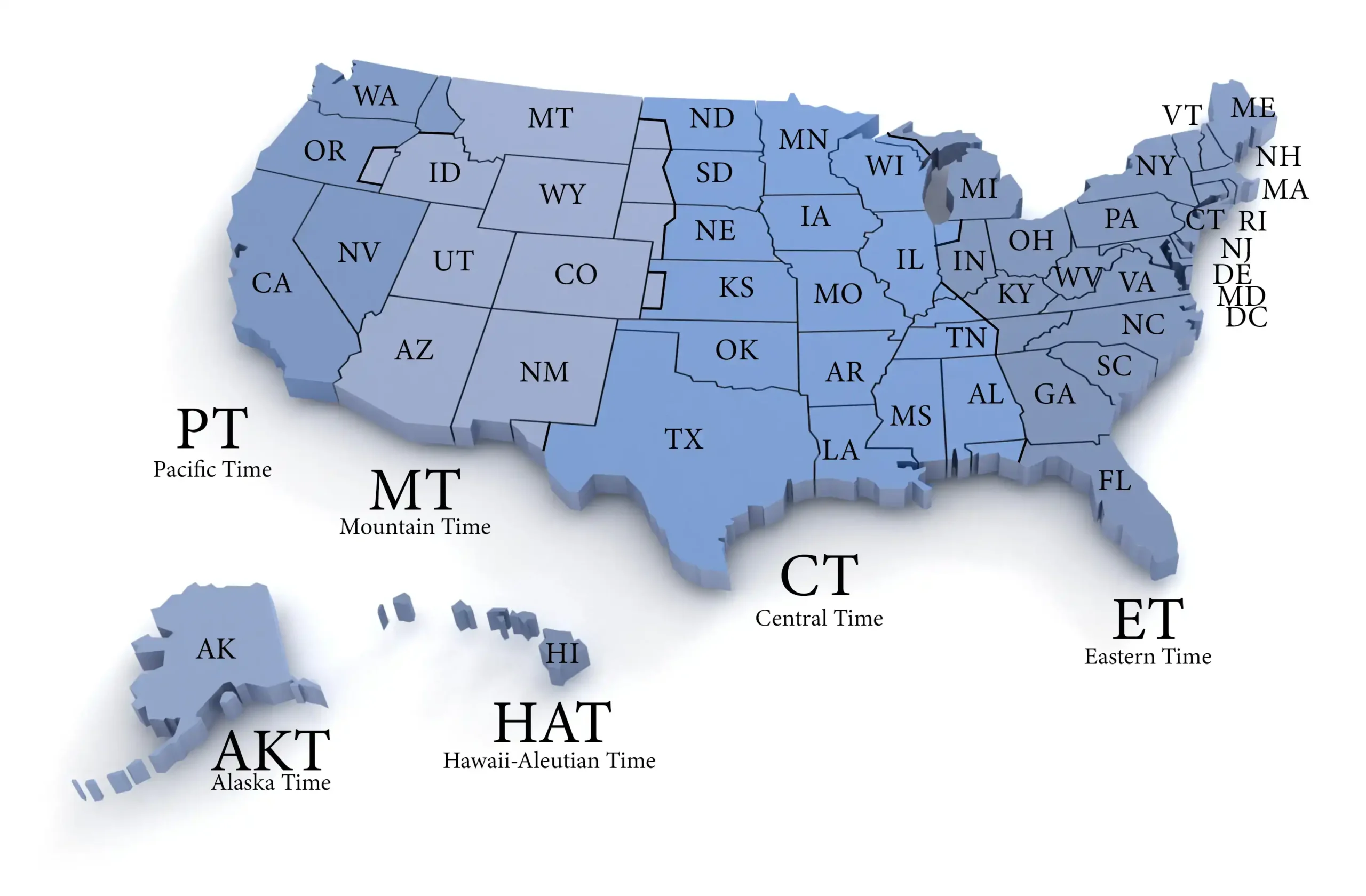
The Central Time Zone, commonly abbreviated as CT, covers a vast stretch of North America, reaching from the Gulf of Mexico up into the heart of Canada. When you arrive in the “Big Easy,” you are synchronized with this standard time.
Standard Time vs. Daylight Saving Time
It is important for visitors to note that New Orleans observes Daylight Saving Time (DST). From the second Sunday in March through the first Sunday in November, the city operates on Central Daylight Time (CDT), which is UTC-5. During the winter months, the region transitions to Central Standard Time (CST), or UTC-6.
For travelers arriving from the East Coast of the United States, this means you are one hour behind the Eastern Time Zone. Those arriving from the West Coast will find themselves two hours ahead of Pacific Time. Keeping these nuances in mind prevents the common travel headache of missing a tour departure or an early morning flight out of Louis Armstrong New Orleans International Airport.
Timing Your Adventures in the Crescent City
Once you have mastered the clock, you can better plan your exploration of this historic city. The rhythm of New Orleans is unique, often stretching well into the early morning hours, particularly when local festivals or seasonal events are in full swing.
Navigating Local Business Hours
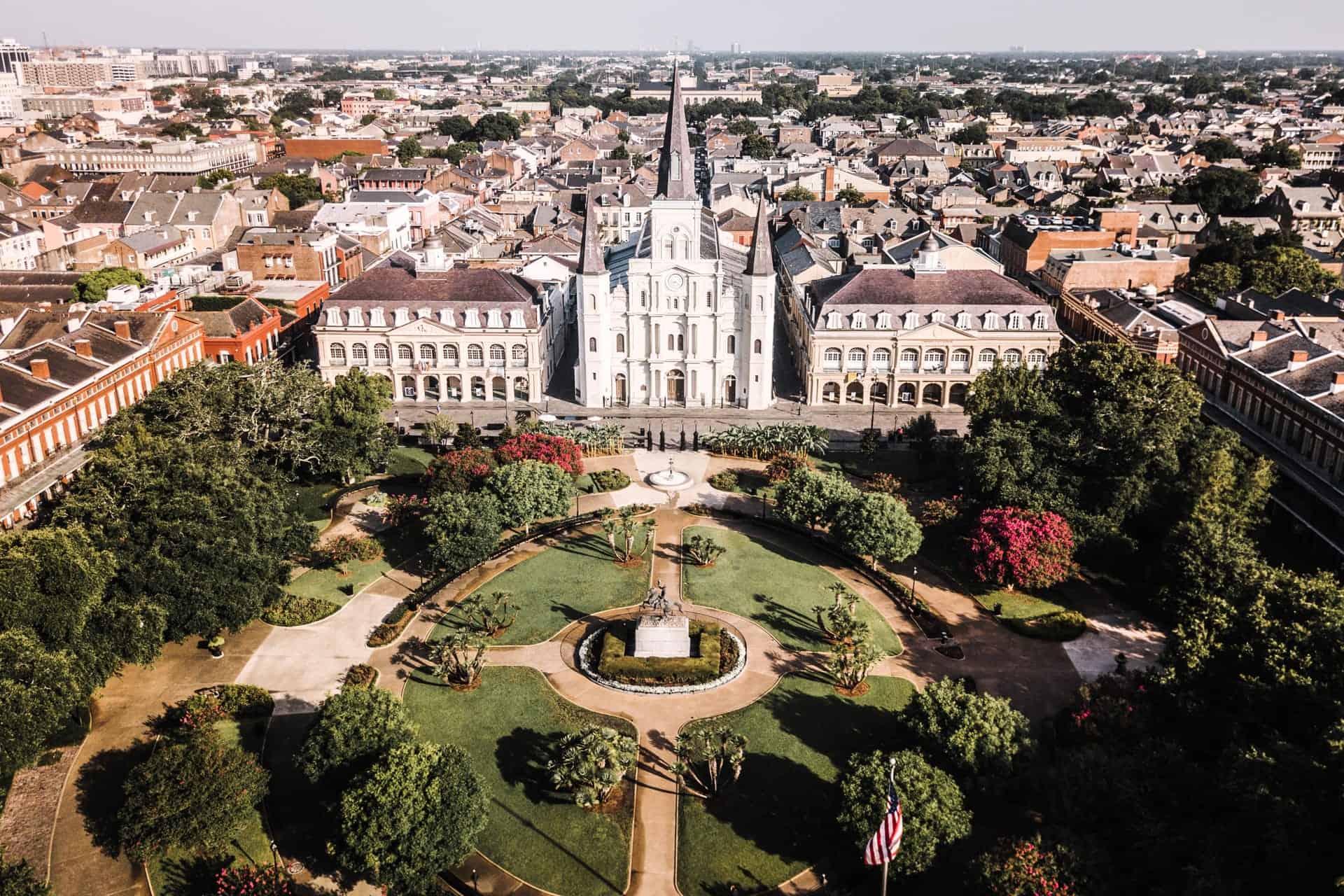
Most attractions and museums in the Garden District or near Jackson Square typically open between 9:00 AM and 10:00 AM. If you are planning a visit to St. Louis Cathedral or intending to walk the historic corridors of the Cabildo, arrive during these morning hours to avoid the peak heat and the largest crowds.

Dining, however, follows a different cadence. While lunch service is standardized, dinner in New Orleans is an experience to be savored. It is not uncommon for patrons to enjoy leisurely meals that last well into the night. If you have a specific restaurant in mind, such as those found on Bourbon Street or Royal Street, it is highly recommended to check their operating hours online, as many establishments remain open much later than the standard closing times found in other American cities.
Nightlife and Cultural Rhythms
The soul of New Orleans truly awakens after dark. When checking the time, remember that the music scene on Frenchmen Street doesn’t hit its peak until well after 9:00 PM. Many local musicians begin their sets later in the evening, aligning with the relaxed, unhurried pace of the city. Aligning your schedule with the local clock allows you to enjoy the full transition from the daytime bustle of Canal Street to the rhythmic, brass-filled nights that define the city’s character.
Seasonal Considerations for Travelers
The passage of time in Louisiana is often marked by the seasons and the shifting of the sun. Because the city is located in a lower latitude, the daylight hours vary slightly compared to northern regions.
Maximizing Your Daylight
In the heat of mid-summer, the sun rises early, often before 6:00 AM, and sets after 8:00 PM. This provides plenty of time for outdoor activities, such as exploring City Park or taking a steamboat cruise on the Mississippi River. During the winter months, daylight fades sooner, usually by 5:30 PM, making it the perfect time to duck into a cozy café for a beignet at Cafe Du Monde or to enjoy the historic architecture of the Faubourg Marigny as the gas lanterns begin to glow.
Coordinating with Festivals
If you are visiting during a major event, such as Mardi Gras or the New Orleans Jazz and Heritage Festival, time takes on a different meaning entirely. Parades, musical lineups, and street celebrations follow their own internal clock. It is vital to keep your watch or smartphone synced to Central Time to ensure you don’t miss a parade route or a specific artist’s stage time. In these instances, local transportation, such as the St. Charles Streetcar, may adjust its schedule or route, making accurate timekeeping essential for navigating the crowds.
Practical Tips for Staying on Time
To ensure your trip to New Orleans remains stress-free, consider these logistical tips regarding time management.
- Digital Synchronization: Most modern smartphones will automatically adjust to the Central Time Zone as soon as you land at Louis Armstrong New Orleans International Airport. However, it is prudent to verify your settings upon arrival, especially if you have manually set your clock during a previous international trip.
- Time Differences for Bookings: When booking tours of the Bayou or reservations at high-end dining establishments, confirm whether the time listed on your confirmation email is in Central Time. Most reputable tour operators in Louisiana will default to the local zone.
- The “Slow” Pace: Finally, embrace the local philosophy regarding time. While business is conducted on time, social interaction is often unhurried. Locals appreciate a relaxed approach to conversation and community. Even if you are perfectly on time for your dinner, allow yourself the flexibility to enjoy the moment rather than strictly counting the seconds.
By keeping these time-related details in mind, you are well-prepared to dive into the rich history, culture, and excitement that defines New Orleans. Whether you are here for the world-renowned cuisine, the soulful jazz, or the stunning colonial architecture, you can now rest easy knowing exactly where your watch—and your schedule—should be set.
LifeOutOfTheBox is a participant in the Amazon Services LLC Associates Program, an affiliate advertising program designed to provide a means for sites to earn advertising fees by advertising and linking to Amazon.com. Amazon, the Amazon logo, AmazonSupply, and the AmazonSupply logo are trademarks of Amazon.com, Inc. or its affiliates. As an Amazon Associate we earn affiliate commissions from qualifying purchases.