
The question “How far is The Boston Marathon?” carries a dual significance, often prompting inquiries not just about the race’s monumental distance, but also the journey required to experience one of the world’s most prestigious and historic road races. For runners, spectators, and avid travelers alike, the Boston Marathon represents more than just a physical challenge; it is a profound travel destination, an event that transforms the city of Boston into a vibrant hub of international athleticism and cultural celebration. Understanding the “distance” of this iconic event involves not only grasping the rigorous 26.2-mile course but also appreciating the travel logistics, destination appeal, and immersive experiences awaiting those who make the pilgrimage to Massachusetts each Patriot’s Day.

Unpacking the Distance: Race Logistics and Historic Significance
At its core, the Boston Marathon is defined by a specific, challenging distance that has captivated athletes for over a century. However, its “far-ness” extends beyond the simple measurement, encompassing a journey through historic towns and a legacy woven into the fabric of American sports.
The Iconic 26.2 Miles
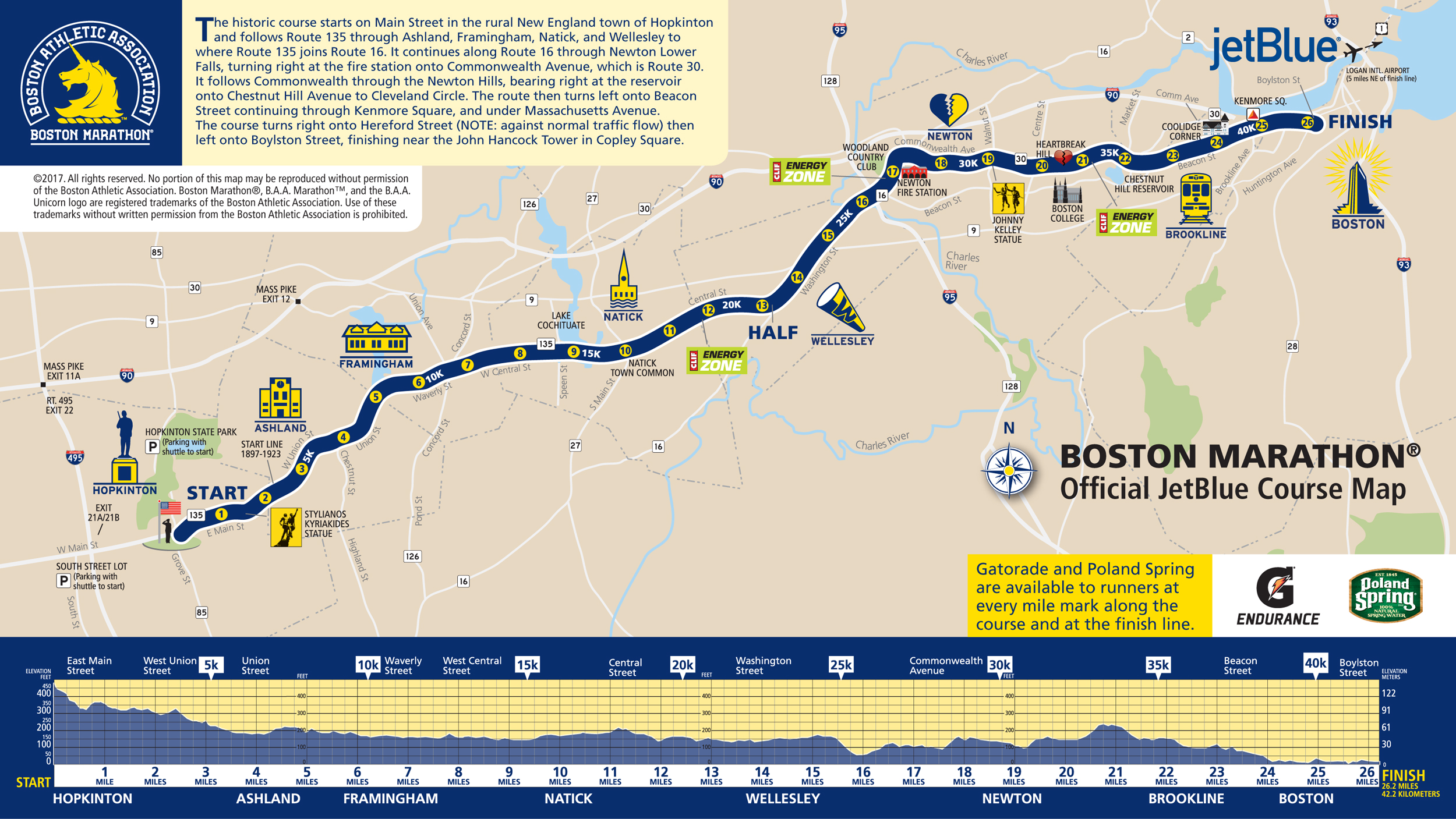
The literal answer to “How far is The Boston Marathon?” is 26.2 miles, or 42.195 kilometers. This standard marathon distance, officially adopted in 1921, traces a course that is both renowned for its difficulty and revered for its storied past. Unlike many other major marathons that feature relatively flat urban routes, Boston’s course is distinctively challenging, characterized by rolling hills, particularly the infamous “Heartbreak Hill” in Newton. This makes the race a true test of endurance and strategic pacing, attracting an elite field and dedicated amateur runners from every corner of the globe. The journey along this route is not merely a run; it is a traversal through history, resilience, and the unwavering support of hundreds of thousands of spectators.
From Hopkinton to Boston: Tracing the Route
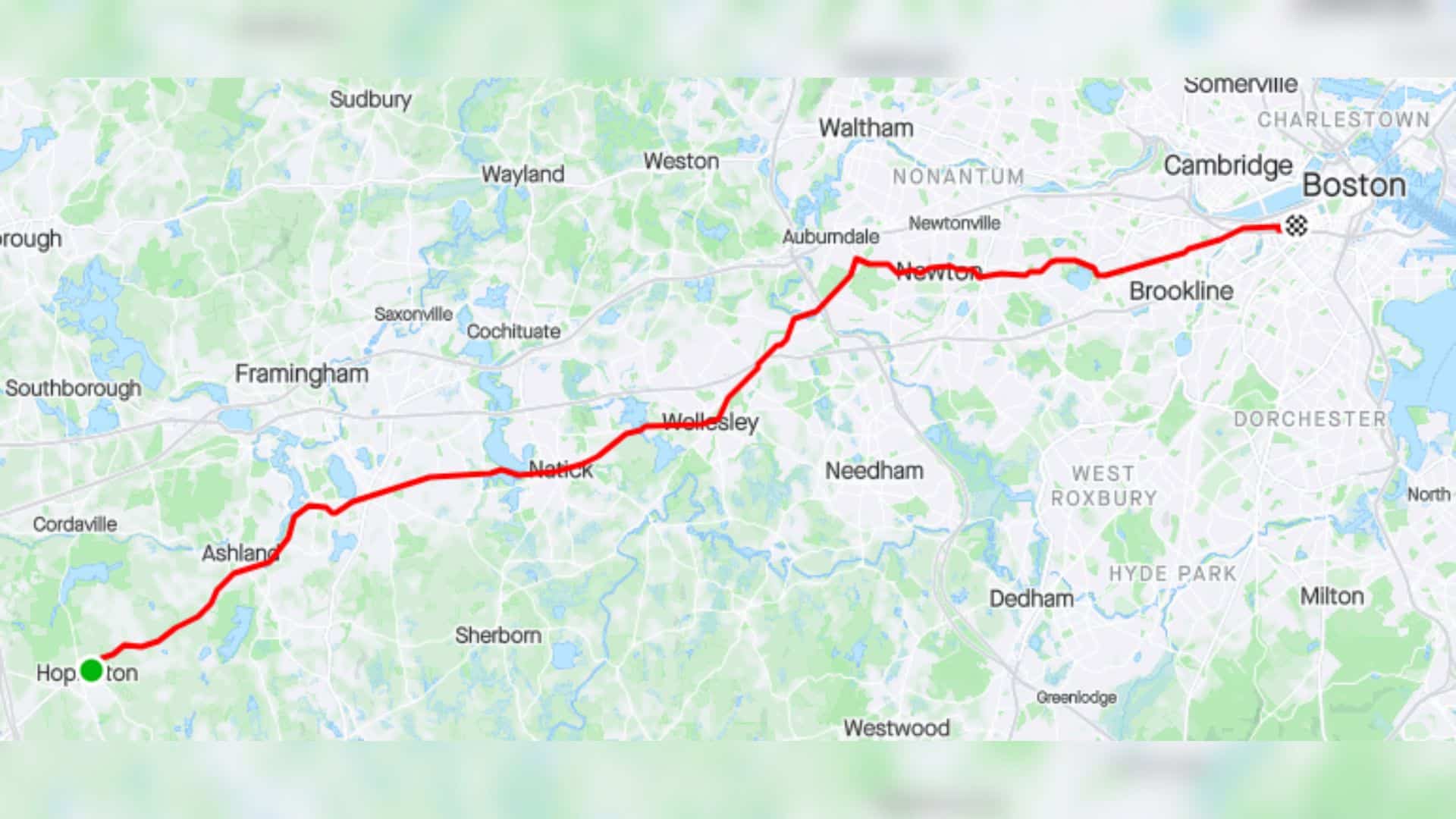
The Boston Marathon commences in the charming town of Hopkinton, approximately 26 miles west of downtown Boston. From the starting line on Main Street, the course unfolds through several quaint New England towns, each contributing to the unique character of the race. Runners pass through Ashland, Framingham, Natick, and Wellesley, where the iconic “Scream Tunnel” of Wellesley College students offers an unforgettable surge of energy.
The latter half of the race sees participants navigating the challenging hills of Newton, culminating in the ascent of Heartbreak Hill, a psychological and physical crucible. The final miles lead runners down Beacon Street and Commonwealth Avenue into the bustling heart of Boston, culminating in the triumphant finish line on Boylston Street in Copley Square. This progression from rural charm to urban grandeur makes the Boston Marathon not just a race, but a scenic tour and a profound exploration of Massachusetts’ diverse landscapes and communities.
A Legacy of Endurance and Travel
The Boston Marathon’s history, dating back to 1897, makes it the world’s oldest annual marathon. Its enduring appeal lies not only in its athletic challenge but also in the rich tapestry of stories, traditions, and resilience it represents. For many, participating in or spectating the Boston Marathon is a bucket-list travel experience, a pilgrimage to a destination steeped in running lore. The journey to Boston for this event is often years in the making, involving rigorous training for athletes to achieve qualifying times, and meticulous planning for spectators to secure prime viewing spots along the extensive course. This deep connection to history and personal achievement elevates the event beyond a mere competition, transforming it into a global travel magnet.
Traveling to the Marathon: Planning Your Boston Journey
For both participants and spectators, understanding the “distance” to the Boston Marathon also means navigating the travel logistics to get to and around the host city. Boston is a major metropolitan area, well-equipped to handle the influx of visitors, but careful planning is essential, especially for an event of this magnitude.
Air Travel and Logan International Airport
The primary gateway for most international and domestic travelers arriving for the Boston Marathon is Logan International Airport (BOS). Located just a few miles from downtown Boston, Logan offers extensive connections, making it highly accessible. For those flying in, it’s advisable to book flights well in advance, as demand surges around Patriot’s Day. From the airport, travelers have several convenient options to reach their accommodations, including taxis, ride-sharing services, and the efficient MBTA (Massachusetts Bay Transportation Authority) subway system’s Silver Line, which connects directly to South Station and other key areas.
Ground Transportation and MBTA Navigation
Once in Boston, navigating the city for marathon weekend primarily relies on public transportation. The MBTA, affectionately known as “the T,” offers subway, bus, and commuter rail services that are indispensable for getting around. The Green Line, for instance, runs parallel to much of the marathon course in the city, providing easy access to various viewing points. For runners, shuttle buses transport them from Boston Common to the starting line in Hopkinton on race morning, underscoring the logistical planning involved in managing the event’s extensive “distance.” Understanding the MBTA map and schedule is crucial for minimizing travel time and stress during this bustling period. While driving can be an option, extensive road closures and heavy traffic make public transit the recommended choice for spectators and even for general exploration of the city.
Accommodations: Strategic Stays for Spectators and Runners
Finding suitable accommodations is a critical component of marathon travel planning. Hotels near the finish line in Copley Square or along the MBTA Green Line are highly sought after. Areas like Back Bay, Downtown, and the Seaport District offer a range of hotel options, from luxury establishments to more budget-friendly stays. For those seeking a different experience, exploring options in Cambridge or other neighboring towns connected by the MBTA can provide excellent alternatives. Due to the high demand, it is imperative to book accommodations as far in advance as possible, often up to a year out, to secure preferred locations and competitive rates. Travel packages that include race entry and hotel stays are also popular, streamlining the planning process for many international travelers.
Beyond the Race: Exploring Boston as a Travel Destination
While the Boston Marathon is the undeniable draw, Boston itself is a world-class travel destination, rich in history, culture, and culinary delights. Extending your stay beyond race day allows for a deeper appreciation of this dynamic city, turning a marathon trip into a comprehensive New England travel experience.
Historic Sites and Cultural Attractions
Boston’s “distance” from its colonial past is remarkably short, as history is palpable around every corner. The Freedom Trail, a 2.5-mile walking path, guides visitors through 16 historically significant sites, including the Massachusetts State House, Faneuil Hall, and the Old North Church. Sports enthusiasts can visit Fenway Park, the oldest ballpark in Major League Baseball, to catch a Boston Red Sox game or take a historic tour. Museums like the Museum of Fine Arts and the Isabella Stewart Gardner Museum offer world-class collections, catering to diverse interests. Exploring these attractions adds significant depth to the travel experience, proving that the distance traveled for the marathon is just the beginning of what Boston has to offer.
Culinary Experiences and Neighborhood Charms
Boston’s culinary scene is as diverse as its history. The historic North End, Boston’s oldest residential neighborhood, is renowned for its authentic Italian restaurants and pastry shops. For fresh seafood, the Seaport District boasts an array of upscale dining options with stunning waterfront views. From traditional New England clam chowder to innovative farm-to-table cuisine, the city provides a gastronomic journey for every palate. Each neighborhood, from the brownstones of the Back Bay to the bohemian vibe of Cambridge’s Harvard Square, offers its own unique charm and attractions, inviting visitors to wander and discover.
Day Trips and Regional Exploration
For those with more time, Boston’s central location in New England makes it an ideal base for day trips and regional exploration. A short drive or train ride can take you to the historic witch city of Salem, the picturesque beaches of Cape Cod, or the scenic fall foliage routes of New Hampshire and Vermont. These excursions extend the travel “distance” in the best possible way, allowing visitors to experience the broader beauty and charm of the New England region, turning a marathon trip into an unforgettable regional adventure.
Essential Travel Tips for Marathon Weekend
Successfully navigating the Boston Marathon as a traveler requires strategic planning and an understanding of the unique environment surrounding such a massive event.
Booking Early and Budgeting
The primary piece of advice for any Boston Marathon traveler is to book everything – flights, accommodations, and potentially even restaurant reservations – as early as possible. Prices for travel services tend to skyrocket closer to Patriot’s Day. Budgeting effectively means accounting for increased costs during this peak travel period. Considering public transportation passes like a multi-day MBTA link pass can also save money compared to individual fares or taxis.
Navigating Crowds and Security
Marathon weekend attracts nearly a million spectators, creating significant crowds throughout the city. Be prepared for densely packed public transport, sidewalks, and viewing areas. Security measures are also notably heightened, especially near the start and finish lines. Adhering to official guidelines, arriving early for vantage points, and being patient are key to a smooth experience. Families traveling with children should establish meeting points in case of separation amidst the throngs.
Maximizing Your Boston Experience
To truly maximize the travel experience, integrate marathon viewing with Boston’s many other offerings. Attend the Marathon Expo at the Hynes Convention Center for a vibrant atmosphere and official merchandise. Explore the city’s neighborhoods, enjoy its diverse cuisine, and immerse yourself in its rich history. Consider arriving a few days before the race and staying a day or two after to fully embrace both the marathon excitement and the city’s broader appeal without feeling rushed. This approach ensures that the “distance” traveled is rewarded with a comprehensive and fulfilling journey.
The Enduring Allure of the Boston Marathon Journey
Ultimately, the question “How far is The Boston Marathon?” transcends a simple geographical or athletic measurement. It speaks to the comprehensive travel journey – from the miles covered by runners to the thousands of miles journeyed by spectators and enthusiasts. It is about the “distance” from ordinary life to an extraordinary event, the journey through history, the navigation of a bustling city, and the immersion in a culture of endurance and celebration.
Whether you are dreaming of crossing the finish line yourself, cheering on a loved one, or simply wishing to witness a piece of living history, the Boston Marathon offers an unparalleled travel experience. It is a destination that promises not just a race, but a profound adventure, leaving travelers with lasting memories and a deep appreciation for the spirit of Boston and the enduring human quest for achievement. The journey to the Boston Marathon is, in every sense, a truly remarkable one.
LifeOutOfTheBox is a participant in the Amazon Services LLC Associates Program, an affiliate advertising program designed to provide a means for sites to earn advertising fees by advertising and linking to Amazon.com. Amazon, the Amazon logo, AmazonSupply, and the AmazonSupply logo are trademarks of Amazon.com, Inc. or its affiliates. As an Amazon Associate we earn affiliate commissions from qualifying purchases.