
The drive from Miami to Key West is widely regarded as one of the most breathtaking road trips in the United States. Stretching across the shimmering turquoise waters of the Atlantic Ocean and the Gulf of Mexico, this journey takes travelers through the unique archipelago known as the Florida Keys. While the physical distance may seem manageable on a map, the experience is less about the odometer and more about the transition from the high-energy urban sprawl of Florida to the laid-back, “island time” philosophy of the southernmost point of the continental North America.
Understanding the Logistics of the Overseas Highway
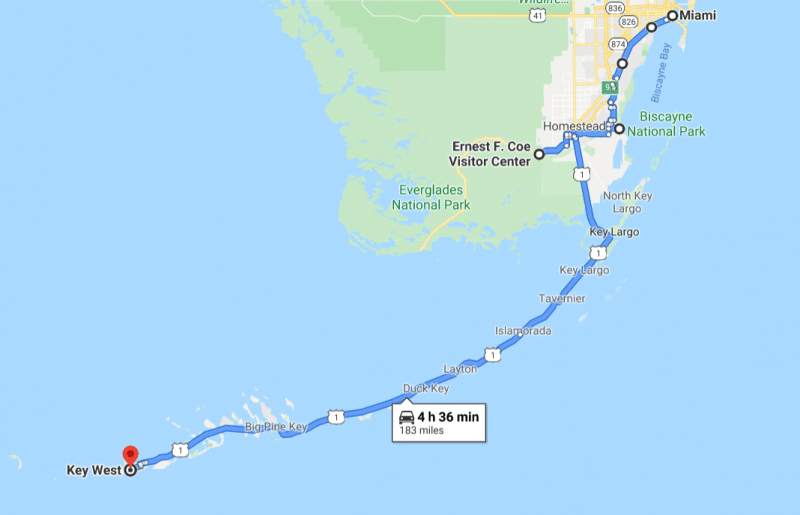
To answer the fundamental question: the distance from downtown Miami to the heart of Key West is approximately 165 miles. If you were to drive without stopping, the trip typically takes between 3.5 to 4 hours. However, the Overseas Highway, also known as U.S. Route 1, is a road that demands a slower pace.
Factors Influencing Travel Time
Traffic is the primary variable when planning this excursion. Because the Overseas Highway is largely a two-lane road once you leave the mainland, a single minor accident or a slow-moving recreational vehicle can add significant time to your journey. Weekends, particularly Friday afternoons heading south and Sunday afternoons heading north, see a heavy influx of local travelers from Fort Lauderdale and the Miami Metropolitan Area. During peak tourist seasons, such as winter or during events like Fantasy Fest, the drive can easily stretch to five or six hours.
The Route and Mile Markers
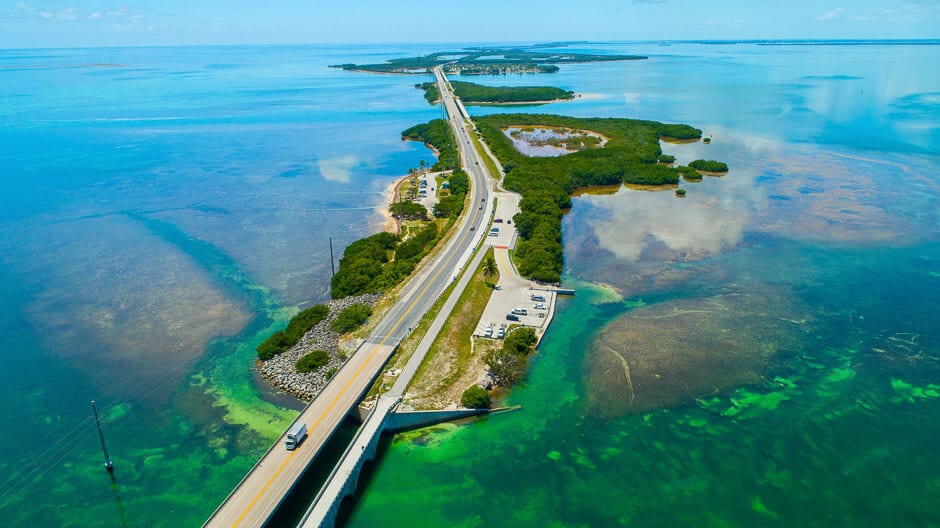
Navigation in the keys is simplified by the use of “Mile Markers” (MM). These small green signs line the highway, starting with MM 127 just south of Florida City and ending at MM 0 in Key West. Travelers use these markers to locate everything from hidden beaches to local eateries. The transition from the mainland into the first of the keys, Key Largo, involves crossing the Jewfish Creek Bridge, which offers the first expansive view of the surrounding mangroves and sea.
Essential Stops in the Upper and Middle Keys
The beauty of the drive lies in the diverse personalities of the various islands you pass through. To truly experience the travel culture of the region, one must treat the highway as a destination in itself.
Key Largo: The Diving Capital
As the first major island you encounter, Key Largo sets the tone for the trip. It is home to the John Pennekamp Coral Reef State Park, the first undersea park in the United States. Here, travelers can pause their drive to take a glass-bottom boat tour or go snorkeling to see the famous Christ of the Abyss statue. The lush tropical foliage of Dagny Johnson Key Largo Hammock Botanical State Park also offers a serene environment for a quick nature walk before continuing south.
Islamorada: The Sportfishing Epicenter
Continuing south to MM 80, you reach Islamorada, a village of islands known for its world-class fishing and vibrant maritime culture. A popular stop for families and nature enthusiasts is Robbie’s Marina, where visitors can hand-feed massive tarpon from the docks. For those interested in the history of the region, the History of Diving Museum provides a fascinating look at man’s attempts to explore the deep. Islamorada also marks the transition into the more open-water sections of the drive, where the land narrows and the horizon expands.
Marathon and the Middle Keys
Located in the heart of the chain, Marathon is a family-friendly community that offers several educational attractions. The Turtle Hospital is a must-visit, providing guided tours of their rehabilitation facility for injured sea turtles. Nearby, the Dolphin Research Center on Grassy Key offers insight into marine mammal behavior. Before crossing the most famous bridge of the trip, many travelers stop at Sombrero Beach for a swim in the calm, clear waters.
The Engineering Marvel: Seven Mile Bridge and Beyond
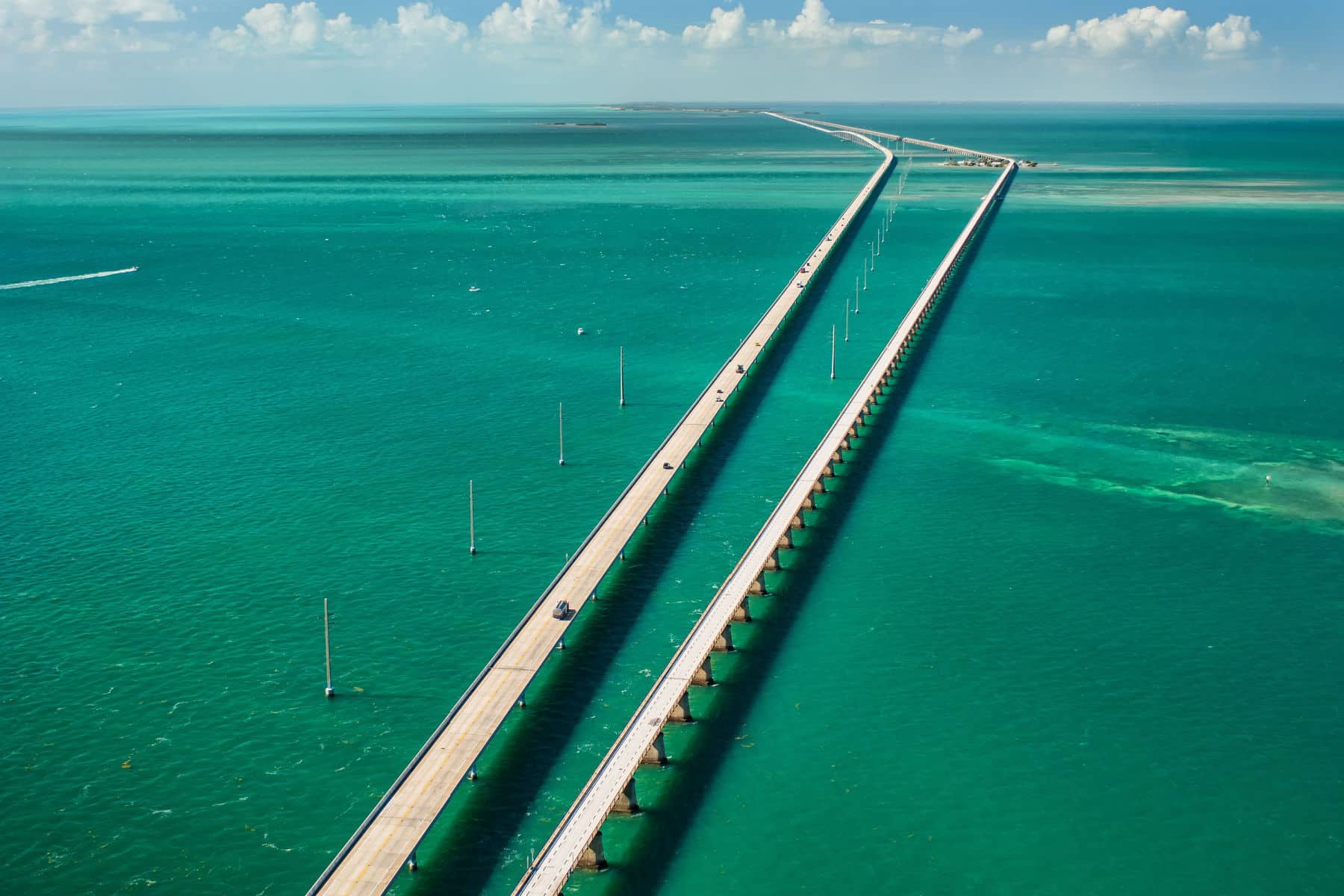
One of the most iconic segments of the drive is the Seven Mile Bridge. This architectural wonder connects Knight’s Key in the Middle Keys to Little Duck Key in the Lower Keys.
Crossing the Seven Mile Bridge
As you ascend the bridge, the sensation of “driving on water” becomes literal. To your right lies the Gulf of Mexico, and to your left, the Atlantic Ocean. Parallel to the modern highway sits the Old Seven Mile Bridge, a remnant of Henry Flagler’s Florida East Coast Railway. A section of this historic bridge is open to pedestrians and cyclists, leading to the tiny, historic Pigeon Key, which once housed the workers who built the Overseas Railroad.
Natural Beauty of Bahia Honda State Park
Immediately after descending from the Seven Mile Bridge, travelers arrive at Bahia Honda State Park. Often cited as having one of the best beaches in Florida, this park offers an excellent vantage point of the old railroad bridge trusses. It is a premier spot for kayaking and birdwatching. Moving further into the Lower Keys, the landscape changes again. On Big Pine Key, keep a close eye on the speed limit and the roadside, as this is the primary habitat for the endangered Key Deer, a diminutive species found nowhere else on Earth.
Arriving in Key West: The End of the Road
As the Mile Markers descend toward zero, the atmosphere shifts. The drive concludes as the highway enters the city of Key West, an island that feels worlds apart from Miami.
Exploring Old Town
Most of the island’s charm is concentrated in Old Town Key West. Once you park the car, the best way to travel is by bicycle or on foot. Duval Street serves as the main artery of the city, lined with historic architecture, vibrant bars, and eclectic boutiques. A visit to the Ernest Hemingway Home and Museum allows travelers to see where the famous author wrote many of his classics, surrounded by the descendants of his six-toed cats.
Iconic Landmarks and Sunsets
No trip to Key West is complete without a photo at the Southernmost Point Buoy, which marks the spot just 90 miles from Cuba. For history buffs, the Harry S. Truman Little White House offers a glimpse into the presidential history of the island. As evening approaches, the entire community gravitates toward Mallory Square for the Sunset Celebration. This daily ritual features street performers, local artisans, and a collective cheer as the sun dips below the horizon, marking a successful end to the long drive.
Practical Tips for the Miami to Key West Journey
To make the most of this 165-mile journey, a bit of preparation is essential. The drive is as much about the environment as it is about the destination.
Best Time to Depart
To avoid the worst of the traffic, aim to leave Miami early in the morning, ideally before 7:00 AM. This allows you to reach the Upper Keys just as businesses are opening and provides ample daylight for scenic stops. If you are flying into the region, you might consider arriving at Miami International Airport or even Key West International Airport if you prefer to do the drive in reverse or skip it entirely, though the road trip is highly recommended.
Vehicle Selection and Preparation
While any standard car can make the trip, a convertible or a vehicle with a sunroof enhances the experience of the salt air and coastal views. Ensure your fuel tank is topped off before leaving the mainland; while there are gas stations throughout the keys, prices tend to rise as you get further from Homestead. Additionally, bring plenty of sunscreen and water, as the Florida sun can be intense even while inside a vehicle.
Environmental Stewardship
The Florida Keys are a delicate ecosystem. When stopping at places like Everglades National Park (which is a short detour from the start of the drive) or any of the state parks, it is vital to follow “leave no trace” principles. The Florida Keys National Marine Sanctuary protects the waters surrounding the islands, and travelers are encouraged to use reef-safe sunscreen and respect local wildlife regulations.
The drive from Miami to Key West is more than just a transit route; it is a gateway to a different pace of life. Whether you are mesmerized by the engineering of the Seven Mile Bridge or the natural splendor of the Dry Tortugas National Park (accessible by ferry from Key West), the journey remains a quintessential travel experience that defines the spirit of the Sunshine State.
LifeOutOfTheBox is a participant in the Amazon Services LLC Associates Program, an affiliate advertising program designed to provide a means for sites to earn advertising fees by advertising and linking to Amazon.com. Amazon, the Amazon logo, AmazonSupply, and the AmazonSupply logo are trademarks of Amazon.com, Inc. or its affiliates. As an Amazon Associate we earn affiliate commissions from qualifying purchases.