
Florida, the Sunshine State, beckons millions of travelers each year with its pristine beaches, world-renowned theme parks, vibrant cities, and diverse natural landscapes. From the magical allure of Walt Disney World Resort in Orlando to the bustling nightlife of Miami and the tranquil shores of the Gulf Coast, there’s a slice of paradise for every kind of visitor. However, before you can soak up the sun or embark on an adventure, the first major hurdle for most travelers is understanding and budgeting for the cost of airfare. The question, “How much does it cost to fly to Florida?” is far from straightforward, as the answer is influenced by a multitude of dynamic factors.
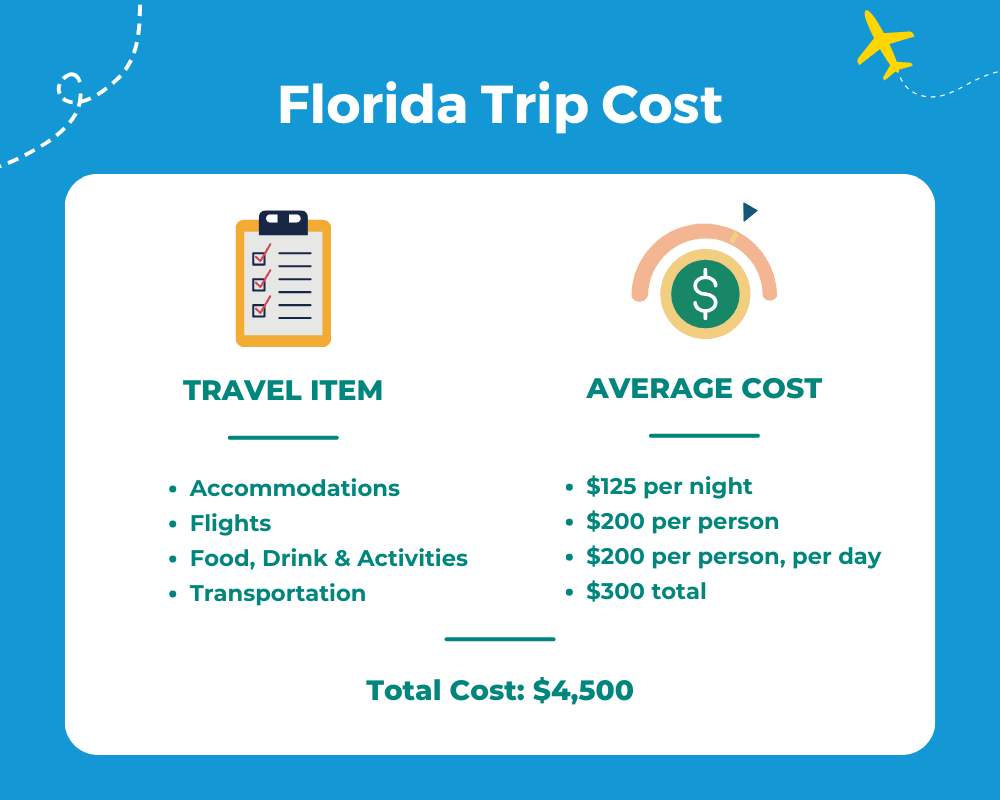
This comprehensive guide aims to demystify the complexities of flight pricing to Florida, offering insights into what drives costs, average price ranges to popular destinations, and actionable strategies to help you secure the best possible deal. Whether you’re planning a spontaneous getaway or a meticulously organized family vacation, understanding these variables is the first step toward a budget-friendly and enjoyable trip.
Understanding the Variables: What Influences Flight Prices?
The price of an airline ticket is a fluid entity, constantly shifting based on supply, demand, and a sophisticated array of algorithms. Several key factors play a pivotal role in determining how much you’ll pay to fly to Florida.
Departure Location and Time of Year
Your starting point significantly impacts the cost. Flying from a major hub city with numerous direct flight options will generally be cheaper than originating from a smaller regional airport requiring connections. For instance, a flight from New York or Chicago to Orlando will likely be more competitive than a flight from a less populated area.
Equally crucial is the time of year. Florida’s peak seasons, characterized by high demand, include school holidays, spring break (March-April), summer vacation (June-August), and the winter months (November-February), especially around Christmas and New Year’s. During these periods, prices can surge by 50% or more. Conversely, the shoulder seasons (late April to May, and September to early November, excluding holiday weekends) typically offer more affordable fares as tourist crowds thin out.
Booking Lead Time and Flexibility
A fundamental rule of airfare is that booking further in advance often yields lower prices. Airlines usually release tickets 11 months in advance, with the “sweet spot” for booking domestic flights generally falling between 1 to 3 months before your departure date. Booking too early can sometimes be more expensive as airlines initially price high to capture early planners, while booking last-minute almost invariably results in higher fares, particularly for popular routes.
Flexibility with your travel dates and even your exact destination within Florida can unlock significant savings. Flying on weekdays (Tuesday, Wednesday, Saturday) is often cheaper than flying on peak travel days like Fridays and Sundays. Similarly, being open to arriving at Fort Lauderdale-Hollywood International Airport instead of Miami International Airport if your final destination is South Florida could save you hundreds.
Airline Choice and Fare Class
The airline you choose is a major cost determinant. Legacy carriers like Delta Air Lines, American Airlines, and United Airlines often offer more amenities and services (like seat selection, carry-on bags, and in-flight entertainment included in the base fare), but at a higher price point. Budget airlines such as Spirit Airlines, Frontier Airlines, and Allegiant Air specialize in lower base fares but charge extra for nearly everything else, from checked bags and carry-ons to seat assignments and even water.
Within each airline, different fare classes exist, from basic economy (most restrictive and cheapest) to first class (most flexible and expensive). Understanding what each fare class includes – or, more importantly, doesn’t include – is crucial for an accurate budget.
Direct vs. Connecting Flights
While a direct flight is the most convenient, connecting flights can often be significantly cheaper, especially for less common routes or during peak travel times. The trade-off is usually a longer travel time and the potential for delays or missed connections. For some travelers, the time saved and peace of mind of a direct flight is worth the premium, while budget-conscious flyers might embrace a layover or two for the savings.
Average Flight Costs to Popular Florida Destinations
To provide a more concrete idea, let’s explore typical flight cost ranges to Florida’s most frequented gateways, keeping in mind these are estimates and subject to the variables discussed above. Prices are for round-trip, economy fares originating from major U.S. cities.
Flying to Orlando: The Theme Park Hub
Orlando International Airport (MCO) is one of the busiest airports in the U.S., primarily serving visitors to Walt Disney World Resort and Universal Orlando Resort.
- Off-peak: $80 – $180
- Shoulder seasons: $150 – $250
- Peak seasons: $250 – $450+, with holiday travel potentially exceeding $600.
Due to the high volume of traffic, Orlando often sees competitive pricing, especially from major Northeastern and Midwestern cities.
Miami’s Beaches and Culture: Costs to South Florida
Miami International Airport (MIA) and Fort Lauderdale-Hollywood International Airport (FLL) are the primary gateways to South Florida, offering access to Miami Beach, the Everglades, and cruises departing from the ports.
- Off-peak: $90 – $200
- Shoulder seasons: $180 – $300
- Peak seasons: $300 – $550+, often higher during major events like Art Basel or during winter.
Fort Lauderdale often provides slightly cheaper fares due to a stronger presence of budget airlines.
Tampa Bay and the Gulf Coast: A Different Perspective
Tampa International Airport (TPA) serves the Tampa Bay area, including St. Petersburg and the beautiful Gulf Coast beaches. It’s also a convenient entry point for Busch Gardens Tampa Bay.
- Off-peak: $70 – $170
- Shoulder seasons: $140 – $270
- Peak seasons: $250 – $450+
Flights to Tampa can sometimes be more affordable than Orlando or Miami, especially if your departure city has good connections with Southwest Airlines, which has a strong presence there.
Other Florida Destinations
For more niche destinations, prices can vary wildly.
- Jacksonville (JAX): Often similar to Tampa or Orlando from major hubs, sometimes slightly less.
- Key West (EYW): Significantly higher, often $300 – $700+, as it’s a smaller airport with fewer direct flights, usually requiring a connection through Miami or Fort Lauderdale.
- Southwest Florida International Airport (RSW) near Fort Myers/Naples: Prices usually fall between Tampa and Miami, but can spike during winter.
Strategies for Finding Cheaper Flights to Florida

Saving money on airfare requires a combination of smart planning and diligent searching. Here are some proven strategies:
Leveraging Flight Comparison Websites
Start your search with powerful aggregators like Google Flights, Skyscanner, Kayak, and Expedia. These platforms allow you to compare prices across multiple airlines and online travel agencies (OTAs) simultaneously. Key features to utilize include:
- “Flexible Dates” or “Calendar View”: See how prices change across an entire month or year.
- “Explore” or “Everywhere” search: If your destination is flexible, you might find deals to other Florida airports.
- Price alerts: Set up notifications for specific routes, and you’ll receive an email when the price drops.
Always cross-reference prices found on aggregators with the airline’s official website, as sometimes the airline directly offers a better deal, and booking directly can simplify changes or cancellations.
Being Flexible with Dates and Airports
As mentioned, flexibility is your greatest asset. If your schedule allows, consider:
- Mid-week travel: Flying on Tuesdays, Wednesdays, and Saturdays is typically cheaper.
- Off-peak seasons: Avoid major holidays and school breaks.
- Alternative airports: Check prices to nearby airports. For example, if aiming for Orlando, also check Sanford Airport (SFB) or even Tampa (TPA) if the savings are substantial and you don’t mind a drive.
Considering Budget Airlines
Don’t dismiss budget carriers like Spirit Airlines, Frontier Airlines, or Allegiant Air out of hand. While their base fares are often incredibly low, remember to calculate the total cost, including all potential fees for bags, seat selection, and any other extras you might need. Sometimes, a “cheap” budget airline ticket can end up costing more than a regular fare from a legacy carrier once all add-ons are factored in. However, for minimalist travelers or short trips, they can be unbeatable.
Setting Up Price Alerts
Most flight search engines and dedicated apps allow you to set up price alerts for specific routes and dates. This passive monitoring can be incredibly effective, notifying you the moment a significant price drop occurs. Act quickly when you receive an alert, as these deals can be fleeting.
Beyond the Airfare: Hidden Costs and Budgeting Tips
The sticker price of your flight is just one piece of the puzzle. Overlooking additional expenses can quickly derail your travel budget.
Baggage Fees and Seat Selection
This is where budget airlines often recoup their low base fares. A checked bag can cost anywhere from $30 to $70 each way, and even carry-on bags might incur fees on some carriers. Factor these costs into your total, especially if you’re traveling with family or for an extended period. Similarly, reserving a specific seat, especially an exit row or one with extra legroom, can add $10 to $50 per segment.
Transportation from the Airport
Once you land in Florida, you’ll need to get to your final destination. Consider the cost of rental cars, rideshares (Uber/Lyft), airport shuttles, or public transportation. For example, a taxi from Orlando International Airport to Walt Disney World Resort can be $60-$80. Pre-booking a shuttle or knowing your public transport options can save you money and hassle.
Travel Insurance Considerations
While not mandatory, travel insurance can be a wise investment, especially for significant trips. It can protect you against unforeseen circumstances like flight cancellations, lost luggage, medical emergencies, or trip interruptions. The cost varies based on coverage level and trip duration but is generally a small percentage of your total travel expenses.
Planning for On-board Purchases
While many airlines have scaled back complimentary services, don’t forget that snacks, meals, and alcoholic beverages on board often come with a price tag. Packing your own snacks and an empty reusable water bottle (to fill after security) can save you a few dollars.
Best Times to Book and Travel for Savings
Optimizing your timing can lead to substantial savings on flights to Florida.
Off-Peak Seasons for Florida Travel
The absolute cheapest times to fly to Florida are typically:
- Late January through February: After the New Year’s rush and before spring break.
- Late April through early May: After spring break and before summer vacation.
- September through early November: After summer and before the winter holidays (excluding Thanksgiving week).
During these periods, not only are flights cheaper, but accommodation and attractions also tend to have lower prices and fewer crowds. Be mindful that late summer/early fall is hurricane season, which can influence travel plans for some.
The Sweet Spot for Booking Windows
For domestic flights to Florida, the general consensus for the optimal booking window is 1 to 3 months (approximately 30-90 days) in advance. If you’re traveling during a peak season, extend this to 3-5 months out. For holiday travel, booking 6 months or more in advance is often recommended. Airlines often have complex pricing strategies, and prices can fluctuate daily, so consistent monitoring within this window is key.
Weekday vs. Weekend Departures
As a rule of thumb, flying on Tuesdays, Wednesdays, and Saturdays tends to be the cheapest. Thursdays and Mondays are mid-range, while Fridays and Sundays are typically the most expensive due to business travel and weekend getaways. If your schedule permits, shifting your departure or return by a day or two can yield noticeable savings.
In conclusion, the cost of flying to Florida is a dynamic equation influenced by a myriad of factors. By understanding these variables – from your departure city and time of year to your booking strategy and chosen airline – and by implementing smart search tactics, you can significantly reduce your airfare expenses. With a little planning and flexibility, your dream Florida vacation can be both unforgettable and budget-friendly. Safe travels!
LifeOutOfTheBox is a participant in the Amazon Services LLC Associates Program, an affiliate advertising program designed to provide a means for sites to earn advertising fees by advertising and linking to Amazon.com. Amazon, the Amazon logo, AmazonSupply, and the AmazonSupply logo are trademarks of Amazon.com, Inc. or its affiliates. As an Amazon Associate we earn affiliate commissions from qualifying purchases.