
The journey between Toronto, Ontario, Canada and Detroit, Michigan, United States is a common cross-border expedition for business travelers, tourists, and those visiting friends and family. While geographically proximate, the international border introduces unique considerations for travel time, documentation, and mode of transport. Understanding the various factors that influence this journey is key to planning a seamless and efficient trip. This comprehensive guide will delve into the distances, travel durations, and various transportation options available, offering insights to help you navigate this popular route.
Understanding the Distance and Geographical Context
The direct distance between Toronto and Detroit is relatively short, but actual travel involves navigating land routes and crossing an international border, which can significantly impact the journey.
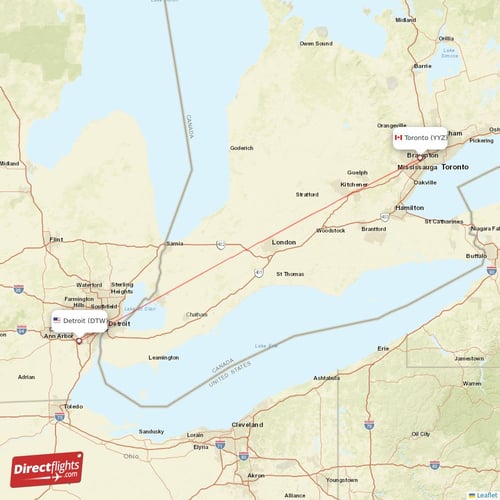
The Straight Line vs. Actual Travel Distance
As the crow flies, the distance between downtown Toronto and downtown Detroit is approximately 320 to 350 kilometers (about 200-217 miles). However, this direct line is impractical for travel due to the significant bodies of water, primarily Lake Erie, lying between the two cities.
The actual driving distance, which involves circumnavigating Lake Erie or crossing further north, is considerably longer. Depending on the specific route taken, the driving distance typically ranges from 370 to 400 kilometers (230 to 250 miles). This land-based journey requires travelers to pass through the southwestern Ontario peninsula, connecting to Detroit via the cities of Windsor, Ontario, and Detroit, Michigan, which are directly across the Detroit River from each other.
Border Crossing Considerations
A critical aspect of travel between Toronto and Detroit is the international border. Travelers must clear customs and immigration when moving between Canada and the United States. This process requires valid travel documents, such as a passport, an Enhanced Driver’s License (EDL) for land and sea travel, or a NEXUS card for expedited processing. Wait times at the border can vary significantly based on the time of day, day of the week, holidays, and current events. It is essential to factor in potential delays at the border crossings when estimating total travel time.
Key Waterways and Land Routes
The region is characterized by the Great Lakes system. While Lake Erie separates much of Ontario from Michigan, the narrow Detroit River and St. Clair River provide crucial points for crossing. The primary land routes connect Toronto to Windsor via Highway 401 in Canada, which then links to Detroit through either the Ambassador Bridge or the Detroit–Windsor Tunnel. These crossings are vital arteries for both commercial and passenger traffic.
Driving: The Most Common Mode of Transport
Driving is arguably the most popular way to travel between Toronto and Detroit due to its flexibility and the relative proximity of the cities. It offers the convenience of door-to-door travel and the ability to carry more luggage.
Optimal Routes and Estimated Driving Times
The most direct and widely used route from Toronto to Detroit is to take Highway 401 westbound. This well-maintained multi-lane highway stretches across southwestern Ontario directly to Windsor. From Windsor, travelers can choose between two main border crossings into Detroit:
- Ambassador Bridge: This is the busiest international border crossing in North America. It connects directly to I-75 in Detroit, offering straightforward access to the city’s freeway system.
- Detroit–Windsor Tunnel: This underwater tunnel leads directly into downtown Detroit, making it a convenient option for those heading to the central business district or sporting events. It is generally preferred for passenger vehicles over commercial trucks.
The average driving time for the 370-400 kilometer (230-250 mile) journey, excluding border wait times and significant stops, is approximately 3.5 to 4.5 hours. However, several factors can influence this:
- Traffic: Peak hour traffic in and around Toronto, Windsor, and Detroit can add substantial delays.
- Weather Conditions: Ontario and Michigan experience harsh winters, and snow or ice can significantly slow down travel.
- Construction: Road construction projects, especially on Highway 401, are common and can cause detours or bottlenecks.
Essential Border Crossing Tips
Preparing for the border crossing is crucial for a smooth journey:
- Documentation: Ensure all travelers have valid passports, NEXUS cards, or Enhanced Driver’s License (EDL) for land travel. Make sure children have their own documents or are listed on a parent’s passport.
- Declaration: Be prepared to declare all goods being brought into the United States, especially alcohol, tobacco, and any items purchased abroad.
- Restricted Items: Be aware of prohibited items (e.g., certain agricultural products, firearms). Check the Customs and Border Protection (CBP) website for the latest regulations.
- Wait Times: Check real-time border wait times through official government apps or websites (e.g., CBP Border Wait Times, Canada Border Services Agency (CBSA)).
- Fuel Up: Ensure your vehicle has sufficient fuel before approaching the border, as service stations might be less frequent directly at the crossing points.
Scenic Stops and Detours
While Highway 401 is primarily functional, travelers with extra time might consider brief detours. The towns along Lake Erie’s north shore offer charming small-town experiences. For instance, Port Stanley or Kingsville can provide a scenic break with lakeside views. However, these detours will add to the overall travel time and should only be considered if time is not a critical factor and the primary purpose of the trip remains getting from Toronto to Detroit.
Air Travel: For Speed and Convenience
For those prioritizing speed and willing to pay a premium, flying offers the quickest way to cover the distance between Toronto and Detroit.
Major Airports Serving Both Cities
Both cities are served by major international airports:
- Toronto:
- Toronto Pearson International Airport (YYZ): The busiest airport in Canada, offering numerous daily flights.
- Billy Bishop Toronto City Airport (YTZ): Located on an island close to downtown Toronto, primarily serves regional flights but offers some United States pre-clearance flights.
- Detroit:
- Detroit Metropolitan Wayne County Airport (DTW): A major hub for Delta Air Lines and a key international gateway.
Flight Duration and Connecting Flights
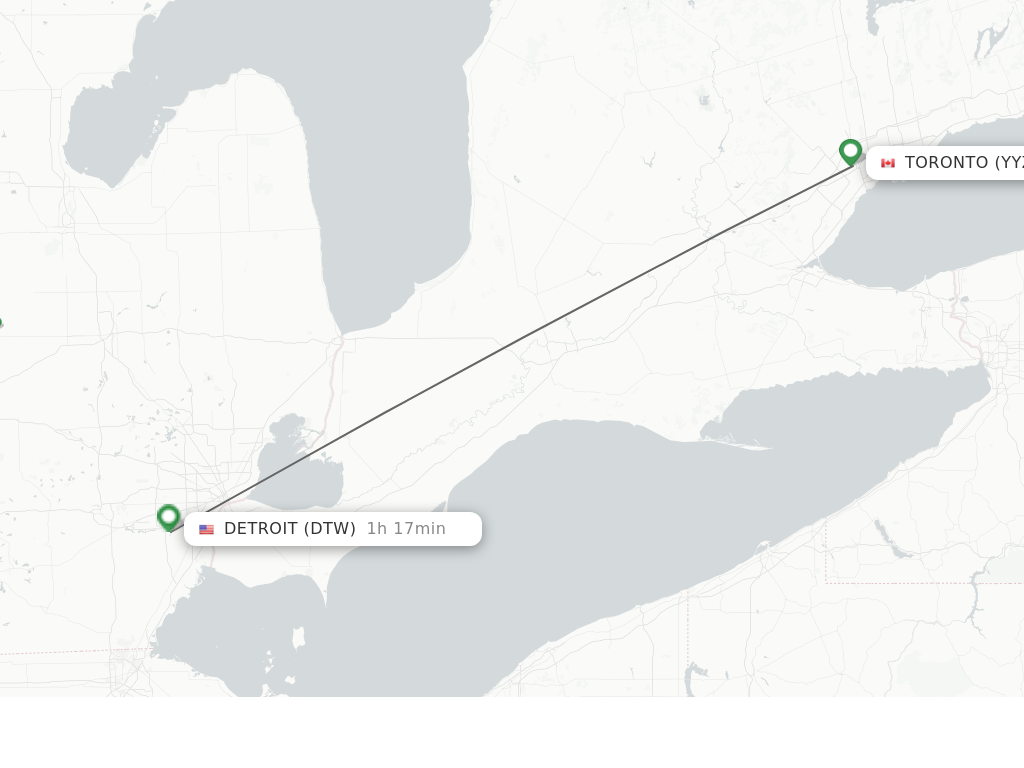
Direct flights between Toronto (primarily YYZ) and Detroit (DTW) are available and typically have an “airtime” of about 1 hour to 1 hour 15 minutes. Airlines like Air Canada, WestJet, and Delta Air Lines frequently operate on this route.
However, the total travel time extends beyond just the flight duration. Travelers must account for:
- Airport Check-in and Security: At least 2-3 hours before departure for international flights.
- Customs and Immigration: Pre-clearance is available at Toronto Pearson International Airport for flights to the United States, streamlining arrival in Detroit.
- Travel to and from Airports: Depending on traffic, getting to YYZ from downtown Toronto can take 30-60 minutes, and from DTW to downtown Detroit around 20-40 minutes.
Considering all these factors, the door-to-door travel time by air can easily be 4 to 6 hours, making it comparable to or slightly faster than driving, especially when border delays are substantial.
Factors Affecting Airfare
Airfare for the Toronto-Detroit route can fluctuate significantly based on several factors:
- Booking in Advance: Generally, booking several weeks or months ahead yields lower prices.
- Time of Year: Peak travel seasons (holidays, summer) usually see higher fares.
- Airline and Fare Class: Budget airlines may offer lower base fares but charge for extras, while full-service carriers include more amenities.
- Flexibility: Being flexible with travel dates and times can often lead to better deals.
- Layover vs. Direct: While most flights are direct, connecting flights might occasionally be cheaper, though they add to travel time.
Alternative Travel Options: Bus and Train
For budget-conscious travelers or those who prefer not to drive, bus and train services offer viable, albeit longer, alternatives.
Bus Services: Affordability and Schedule
Bus services provide an economical way to travel between Toronto and Detroit. Companies like Greyhound and FlixBus operate routes connecting the two cities. The journey involves stopping at the border for customs and immigration checks, where all passengers and their luggage must disembark and clear inspection.
- Travel Time: A bus journey typically takes 5 to 7 hours, depending on the route, number of stops, and border wait times.
- Cost: Bus tickets are usually the most affordable option, making them attractive for budget travelers.
- Comfort: While modern buses offer some amenities like Wi-Fi and power outlets, the comfort level is generally lower than private car travel or trains.
Train Journeys: Scenic Routes and Comfort
Train travel offers a more relaxed and scenic experience, though it’s often the longest option in terms of total travel time. Travelers would typically take a VIA Rail Canada train from Toronto to Windsor, and then transfer to an Amtrak service or a bus/taxi to cross into Detroit and continue their journey. There is no direct train service that crosses the international border without a transfer.
- Toronto to Windsor by VIA Rail Canada: This segment takes approximately 4 hours.
- Border Crossing and Transfer: This requires passengers to independently cross the border from Windsor to Detroit, typically by taxi or a local bus service, and then proceed to the Detroit Amtrak station if continuing by train. This transfer and border process can add 1-2 hours.
- Detroit by Amtrak: If connecting from Windsor, Amtrak serves Detroit as part of routes like the Wolverine service.
Due to the lack of direct cross-border rail service, the total door-to-door journey by train can easily extend to 6-8 hours or more, making it a slower option but one preferred for its comfort and the ability to avoid driving stress.
Comparing Costs and Travel Times
| Mode of Transport | Estimated Travel Time (door-to-door) | Average Cost Range (one-way) | Key Advantages | Key Disadvantages |
|---|---|---|---|---|
| Driving | 3.5 – 4.5 hours (excluding border) | Medium (fuel, tolls, car wear) | Flexibility, luggage, door-to-door | Border wait times, driving fatigue |
| Air Travel | 4 – 6 hours | High | Speed, convenience | Airport transfers, security checks |
| Bus | 5 – 7 hours | Low | Affordability, no driving stress | Longest journey, less comfort |
| Train | 6 – 8+ hours (with transfers) | Medium (can vary) | Comfort, scenic, no driving stress | Longest journey, requires transfers |
Note: Costs are approximate and can vary widely based on booking time, demand, and specific services.
Making Your Journey Seamless: Travel Tips and Planning
Regardless of your chosen mode of transport, a well-planned trip enhances the experience and minimizes stress when traveling between Toronto and Detroit.
Best Time to Travel
- Avoid Peak Hours and Holidays: If driving, avoid Friday afternoons/evenings, Sunday afternoons, and major holiday weekends when border crossings are busiest. Early mornings on weekdays are often the quickest.
- Shoulder Seasons: Spring (April-May) and Fall (September-October) offer pleasant weather and potentially fewer crowds than the summer peak season, whether driving or flying.
- Winter Travel: While beautiful, winter travel can be challenging due to snow and ice, especially for driving. Flights may also experience delays or cancellations.
What to Pack for a Cross-Border Trip
- Essential Documents: Always keep your passport, visa (if required), NEXUS card, or Enhanced Driver’s License (EDL) easily accessible.
- Currency: While credit cards are widely accepted, having some local currency (Canadian dollars in Canada, US dollars in the United States) can be useful for small purchases or tolls.
- Travel Insurance: Consider travel medical insurance, as your home country’s healthcare may not cover you abroad.
- Entertainment: For longer bus or train journeys, or potential border delays, bring books, music, or other forms of entertainment.
- Snacks and Water: Especially important for driving or bus trips, where stops might be infrequent.

Vehicle Requirements and Insurance
If driving your own vehicle, ensure it meets all legal requirements for both Canada and the United States.
- Insurance: Confirm with your insurance provider that your policy covers you for travel in both countries. Most Canadian policies extend coverage to the United States, but it’s always best to verify and carry proof of insurance.
- Vehicle Condition: Perform a basic check (tires, fluids, lights) before a long drive, especially in winter.
- Rental Cars: If renting a car in Canada and planning to drop it off in the [United States](https://lifeoutofthebox.com/united states) (or vice versa), be aware of potential significant one-way rental fees and confirm that cross-border travel is permitted by the rental company.
The journey between Toronto and Detroit offers a variety of travel experiences, each with its own benefits and considerations. By understanding the distance, travel times, and logistical nuances of border crossings and transportation options, you can effectively plan your trip and ensure a smooth and enjoyable cross-border adventure.
LifeOutOfTheBox is a participant in the Amazon Services LLC Associates Program, an affiliate advertising program designed to provide a means for sites to earn advertising fees by advertising and linking to Amazon.com. Amazon, the Amazon logo, AmazonSupply, and the AmazonSupply logo are trademarks of Amazon.com, Inc. or its affiliates. As an Amazon Associate we earn affiliate commissions from qualifying purchases.