
Embarking on a career in law enforcement within the Golden State is a noble pursuit, offering a path filled with challenges, rewards, and the profound satisfaction of serving your community. California, with its diverse landscapes, bustling urban centers, and unique cultural tapestry, presents an equally diverse range of opportunities for aspiring police officers. This comprehensive guide will illuminate the journey, outlining the qualifications, processes, and dedication required to don the badge and protect the residents of California.
The Call to Serve: Understanding the Role
Before diving into the mechanics of application, it’s crucial to understand the multifaceted role of a police officer and why serving in California holds particular significance.

What Does a Police Officer Do?
A police officer’s duties extend far beyond responding to emergencies and enforcing traffic laws. They are community guardians, problem-solvers, and first responders to a vast array of situations. Their daily responsibilities can include:
- Maintaining Public Order: Patrolling assigned areas, responding to calls for service, and preventing criminal activity.
- Investigating Crimes: Collecting evidence, interviewing witnesses, making arrests, and preparing reports for prosecution.
- Emergency Response: Providing immediate assistance in critical situations such as accidents, medical emergencies, and natural disasters.
- Community Engagement: Building relationships with residents, participating in community programs, and educating the public on safety and crime prevention.
- Traffic Enforcement: Regulating traffic flow, investigating accidents, and issuing citations to ensure road safety.
The role demands a unique blend of courage, empathy, critical thinking, and unwavering integrity. It’s a commitment to upholding justice and protecting the vulnerable, often under demanding and high-pressure circumstances.
Why California? A Unique Environment
Serving in California means joining one of the largest and most complex law enforcement systems in the United States. The state is home to a vast population, ranging from metropolitan hubs like Los Angeles and San Francisco to rural farming communities and expansive wilderness areas. This diversity translates into varied challenges and opportunities:
- Major Urban Policing: Departments like the Los Angeles Police Department (LAPD) and the San Francisco Police Department (SFPD) deal with high population densities, complex criminal networks, and diverse cultural populations.
- Statewide Highway Patrol: The California Highway Patrol (CHP) manages law enforcement on the state’s expansive freeway system, a critical component of California’s infrastructure.
- County Sheriff’s Departments: These agencies serve both unincorporated areas and often contract with smaller cities for police services, offering a blend of urban and rural policing experiences.
- Specialized Units: Opportunities abound for specialization in areas such as K9 units, SWAT, air support, narcotics, cybercrime, and community relations.
The dynamic nature of California means that police officers here are often at the forefront of evolving law enforcement practices, community policing models, and technological advancements.
Meeting the Prerequisites: Initial Qualifications
The journey to becoming a police officer in California begins with meeting a set of fundamental requirements established by individual agencies and the state’s regulatory body, the Commission on Police Officer Standards and Training (POST).
Age, Citizenship, and Education
- Age: Applicants must typically be at least 21 years old by the time of academy graduation. There is usually no upper age limit, but candidates must be able to meet the physical demands of the job.
- Citizenship: You must be a U.S. citizen or a permanent resident alien who is eligible for and has applied for U.S. citizenship.
- Education: A high school diploma or GED equivalent is the minimum educational requirement. However, many departments prefer or require a college degree (Associate’s or Bachelor’s) or a certain number of college credits. Higher education can often lead to quicker advancement and a broader understanding of complex issues. Military service can sometimes substitute for certain educational requirements.
Physical and Mental Fitness Standards
Law enforcement is physically and mentally demanding. Aspiring officers must demonstrate resilience in both areas.
- Physical Fitness: Candidates must be in excellent physical condition, capable of performing strenuous tasks such as running, jumping, climbing, lifting, and self-defense. Physical agility tests are a standard part of the application process.
- Vision and Hearing: Specific vision (uncorrected and corrected) and hearing standards must be met, as determined by a medical examination.
- Mental and Psychological Stability: Rigorous psychological evaluations are conducted to assess a candidate’s emotional stability, judgment, and suitability for the stresses of police work. This includes personality inventories and interviews with licensed psychologists.
Background Check: A Deep Dive
The background investigation is arguably the most intensive part of the application process. It scrutinizes nearly every aspect of an applicant’s life to ensure they possess the integrity, honesty, and judgment necessary for law enforcement.
- Criminal History: Applicants must have no felony convictions and generally no significant misdemeanor convictions. Certain minor offenses might be disqualifying depending on their nature and recency.
- Driving Record: A clean driving record is essential. Multiple traffic violations or DUIs can be disqualifying.
- Drug Use: Agencies have strict policies regarding past and current drug use. Any history of illicit drug use, particularly hard drugs, is typically disqualifying.
- Financial History: Applicants’ financial stability, including credit history and responsible debt management, is reviewed.
- Employment History: Previous employment records are thoroughly checked for honesty, reliability, and work ethic.
- Personal References: Friends, family, and associates may be contacted to verify information and assess character.
Transparency and honesty throughout the background check are paramount. Any attempts to conceal information will result in immediate disqualification.
The Application and Testing Process
Once the initial qualifications are met, candidates must navigate a multi-stage application and testing process designed to identify the most suitable individuals for police work.

Written Examination and Physical Agility Test
- Written Examination: This test assesses basic skills crucial for police work, including reading comprehension, written communication, analytical reasoning, and mathematical abilities. Many departments use standardized tests developed by POST or similar organizations.
- Physical Agility Test (PAT): The PAT evaluates a candidate’s physical readiness. It typically includes events such as obstacle courses, sprints, push-ups, sit-ups, and dummy drags, all designed to simulate physical demands encountered on the job. Passing scores are mandatory.
Oral Interview and Psychological Evaluation
- Oral Interview: Candidates will face an interview panel, often comprising experienced officers and department personnel. This stage assesses communication skills, judgment, problem-solving abilities, motivation for the career, and overall demeanor. Professionalism and the ability to articulate thoughts clearly are key.
- Psychological Evaluation: This involves a written psychological test (often a battery of personality assessments) followed by an interview with a licensed psychologist. The aim is to evaluate mental suitability, stress management capabilities, and potential behavioral issues.
Medical Examination and Background Investigation Interview
- Medical Examination: A comprehensive medical check-up is performed by a department-approved physician to ensure the candidate meets the physical health standards required for duty. This often includes drug screening.
- Background Investigation Interview: After the extensive background check, the candidate will typically have an in-depth interview with their assigned background investigator. This is an opportunity to clarify any information, discuss discrepancies, and reinforce their suitability for the role.
Academy Training and Beyond: Forging a California Officer
Successfully navigating the application process leads to the rigorous and transformative experience of the police academy.
The Police Officer Standards and Training (POST) Academy
In California, all aspiring police officers must complete a POST-certified academy. These academies are intensive, typically running for 4-6 months, and can be either “straight-through” (where you are hired by an agency before attending) or “modular” (where you attend on your own and seek employment after). The curriculum is comprehensive and covers:
- Criminal Law and Procedures: In-depth study of state and federal laws, constitutional law, and legal procedures related to arrest, search, and seizure.
- Patrol Procedures: Vehicle operations, traffic stops, crime scene management, and incident response.
- Firearms Training: Safe handling, maintenance, and tactical use of various firearms.
- Defensive Tactics and Physical Training: Hand-to-hand combat, arrest and control techniques, and continuous physical conditioning.
- Report Writing: Mastering the art of clear, concise, and legally defensible report documentation.
- Community Relations and Ethics: Emphasizing de-escalation, cultural sensitivity, and professional conduct.
Academy life is demanding, testing recruits physically, mentally, and emotionally, preparing them for the realities of law enforcement.
Field Training Program (FTO)
Upon graduation from the academy, new officers are typically assigned to a Field Training Program (FTO). This critical phase involves working alongside experienced Field Training Officers (FTOs) who provide practical, on-the-job training. The FTO program usually lasts several months, where recruits apply their academy knowledge in real-world scenarios, learning departmental policies, local nuances, and developing their decision-making skills under supervision. Successful completion of the FTO program leads to independent patrol duties.
Continuous Professional Development
The learning doesn’t stop after FTO. California police officers are required to engage in continuous professional development throughout their careers. This includes regular training in firearms proficiency, use-of-force policies, legal updates, tactical skills, and specialized courses. Opportunities for promotion, further specialization (e.g., detective, K9, SWAT), and leadership roles are available to dedicated officers.
Choosing Your Path: Agencies in California
California offers a broad spectrum of law enforcement agencies, each with its unique culture, jurisdiction, and career opportunities.
Local Departments: Los Angeles Police Department, San Francisco Police Department, and Others
Hundreds of municipal police departments operate across the state, from major metropolitan forces like the LAPD and SFPD to smaller departments serving cities like San Diego, Oakland, Sacramento, and Fresno. These departments focus on local crime prevention, community policing, and responding to incidents within their city limits. They offer a direct connection to the community they serve and a wide range of specialized units.
State Agencies: California Highway Patrol and Department of Justice
- California Highway Patrol (CHP): The CHP is a statewide agency primarily responsible for traffic enforcement on state highways and freeways, as well as providing law enforcement services in unincorporated areas. It’s a highly respected organization known for its professionalism and extensive jurisdiction.
- Department of Justice (DOJ): The California Department of Justice has various law enforcement divisions, including narcotics enforcement, criminal intelligence, and cybercrime. These roles often involve investigations with broader implications, supporting local agencies and tackling organized crime.
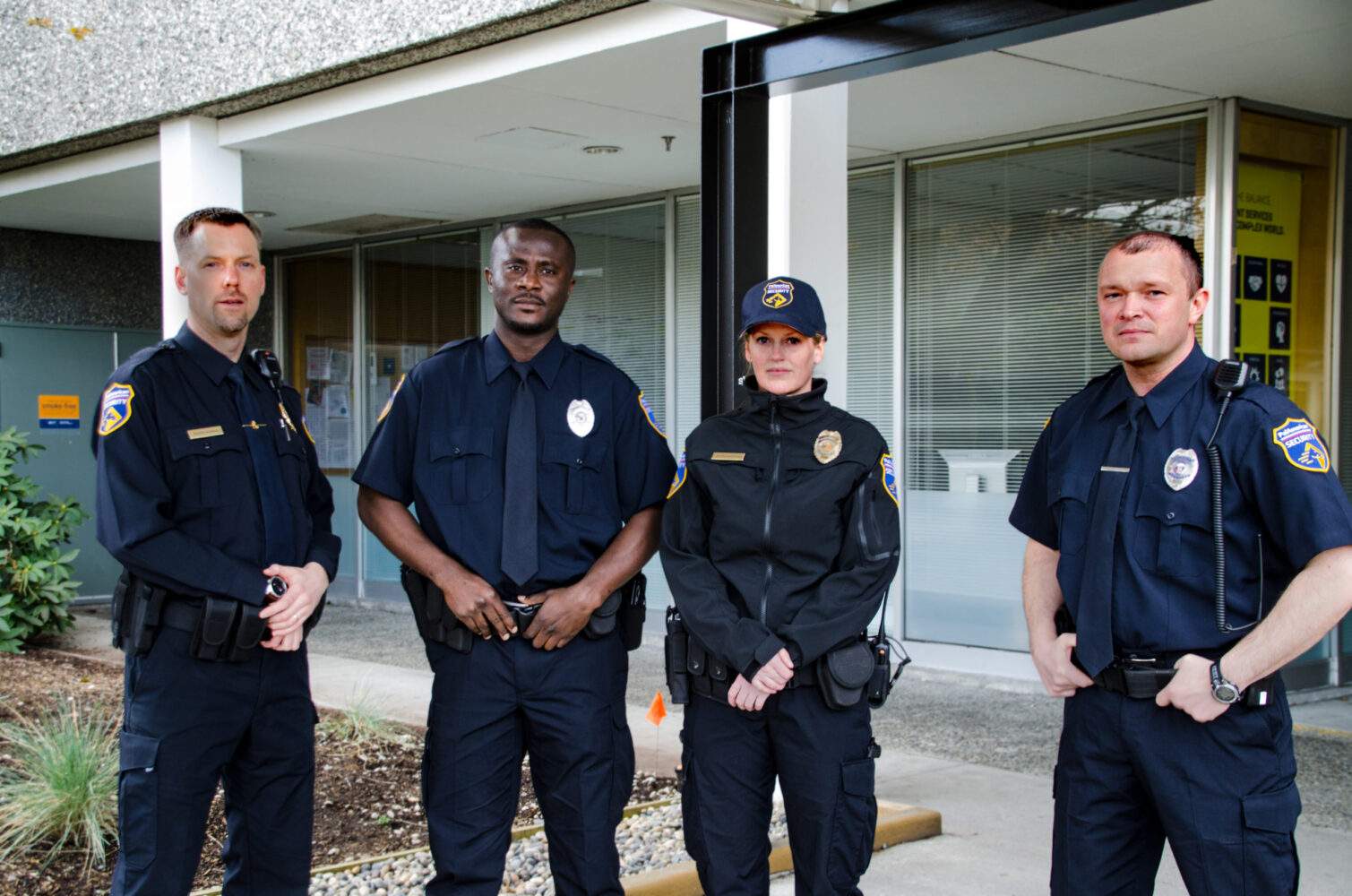
Federal Opportunities
While not specific to California state law enforcement, federal agencies such as the FBI, Drug Enforcement Administration (DEA), and the Bureau of Alcohol, Tobacco, Firearms and Explosives (ATF) maintain offices and operations throughout the state. These positions typically require a bachelor’s degree and offer unique opportunities to work on a national or international level, often collaborating with state and local partners.
Becoming a police officer in California is a challenging yet profoundly rewarding career choice. It demands dedication, resilience, and an unwavering commitment to public service. By understanding the rigorous requirements and processes, aspiring officers can prepare effectively for a career that offers continuous growth, community impact, and the opportunity to make a tangible difference in one of the nation’s most dynamic states.
LifeOutOfTheBox is a participant in the Amazon Services LLC Associates Program, an affiliate advertising program designed to provide a means for sites to earn advertising fees by advertising and linking to Amazon.com. Amazon, the Amazon logo, AmazonSupply, and the AmazonSupply logo are trademarks of Amazon.com, Inc. or its affiliates. As an Amazon Associate we earn affiliate commissions from qualifying purchases.