
The question of “How Far New York To Boston?” is a common one for travelers and locals alike, bridging two of the most historically significant and culturally vibrant cities in the United States. While the physical distance between New York City and Boston might seem straightforward, the journey encompasses a multitude of travel options, each offering a unique perspective on the Northeast corridor. This article delves into the various ways to traverse this relatively short but immensely rewarding distance, exploring the practicalities, the experiences, and the considerations for making the trip between these iconic metropolises.
Understanding the Distance and Travel Time
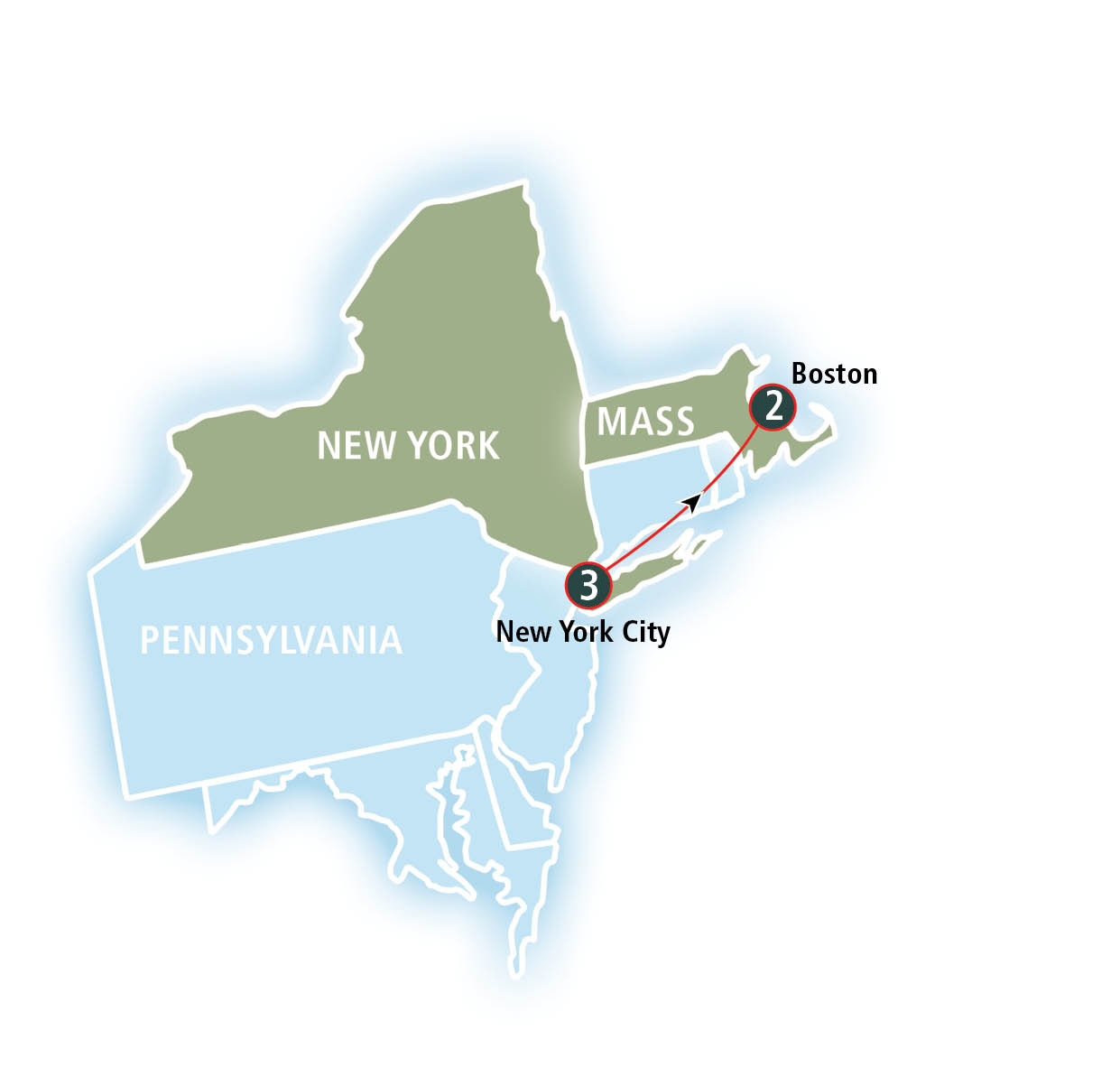
The direct distance between New York City and Boston is approximately 215 miles (about 346 kilometers) as the crow flies. However, the actual travel distance will vary depending on the mode of transportation and the specific routes taken. This figure serves as a baseline, but the real story lies in how this distance is covered and the time it consumes.
By Car: The Open Road Experience
Driving from New York City to Boston is a popular choice for those who value flexibility and the freedom to explore along the way. The most direct route typically involves taking Interstate 95 (I-95) North. The estimated driving time is around 3.5 to 4.5 hours, without accounting for traffic. This timeframe can be significantly extended, particularly during peak travel hours, weekends, or holidays. New York City is notorious for its traffic congestion, and the approaches to Boston can also experience slowdowns.
The journey offers glimpses of the varied American landscape, transitioning from the bustling urban sprawl of New Jersey and Connecticut to the charming towns and coastal vistas of Massachusetts. Travelers might consider stops in notable locations such as the historic city of New Haven, home to Yale University, or the scenic coastal towns of Rhode Island, like Newport. These detours can transform a simple drive into a mini road trip, adding layers of exploration to the travel experience.
Considerations for driving:
- Traffic: This is arguably the biggest factor. Departing New York City during rush hour or approaching Boston at busy times can add hours to your journey. Planning your departure and arrival times strategically is crucial.
- Tolls: The route includes several toll roads, so budgeting for these is essential.
- Parking: Once you arrive in Boston, parking can be challenging and expensive, especially in popular areas. Consider pre-booking parking or utilizing public transportation upon arrival.
- Vehicle Rental: If you’re not a New York or Boston resident, renting a car is an option. Ensure you understand the rental company’s policies for one-way rentals if applicable.
By Train: The Comfortable Commute
For many, the train offers the most comfortable and efficient way to travel between New York City and Boston. Amtrak operates frequent services on the Northeast Corridor line, providing a direct link between Penn Station in New York and South Station or Back Bay Station in Boston.
The journey by train typically takes around 4 to 5 hours, depending on the specific service. Amtrak offers various classes of service, from the standard coach seats to the more luxurious Acela Express. The Acela Express is Amtrak’s high-speed rail service and is the fastest option, often cutting down travel time to around 3.5 to 4 hours.
Benefits of train travel:
- Relaxation: Unlike driving, you can relax, read, work, or simply enjoy the scenery without the stress of navigation or traffic.
- Convenience: Stations are usually located in the heart of the cities, making onward travel by public transport or taxi straightforward.
- Productivity: Wi-Fi is typically available, allowing you to stay connected and productive during your journey.
- Scenery: While much of the route is inland, you’ll still catch glimpses of the diverse Northeastern landscape.
Booking train tickets:
- Advance booking: Booking your tickets in advance, especially for the Acela Express, can often secure better fares.
- Off-peak travel: Traveling during off-peak hours or days can also lead to cost savings.
- Station choice: Be aware of which Boston station your train arrives at (South Station or Back Bay Station) as this might influence your onward travel plans.
By Air: The Quickest, but with Caveats
Flying between New York City and Boston is the fastest option in terms of pure flight time. Several airlines operate frequent flights between New York’s LaGuardia Airport (LGA), John F. Kennedy International Airport (JFK), and Newark Liberty International Airport (EWR), and Boston Logan International Airport (BOS). The flight duration itself is typically around 1 hour.
However, it’s crucial to consider the “total travel time” when flying. This includes:
- Travel to the airport: Getting to your departure airport in New York can take anywhere from 30 minutes to over an hour, depending on your starting point and traffic.
- Airport procedures: Arriving at the airport at least 1.5 to 2 hours before your flight for check-in, security, and boarding.
- Flight time: The actual time in the air.
- Travel from the airport: Once you land at Boston Logan International Airport (BOS), you’ll need to factor in time to deplane, collect any luggage, and then travel into the city center, which can take another 30 minutes to an hour.
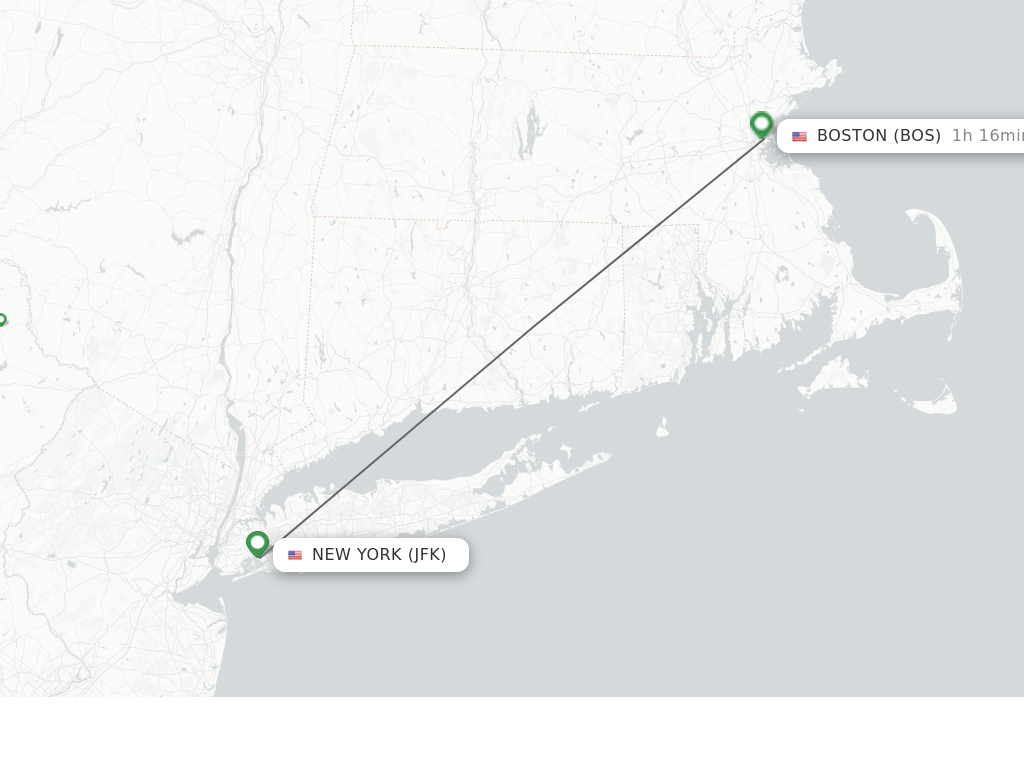
Therefore, while the flight is short, the overall door-to-door time for flying can often be comparable to, or even longer than, taking the train, especially when factoring in the added stress and potential for delays at airports.
Factors to weigh for air travel:
- Cost: Airfares can fluctuate significantly. Sometimes they are competitive with train tickets, other times considerably more expensive.
- Convenience of airports: The location of the airports relative to your starting point in New York and your destination in Boston will impact overall convenience.
- Baggage restrictions: Airlines have stricter baggage allowances and fees compared to trains.
By Bus: The Budget-Friendly Choice
For budget-conscious travelers, the bus is a viable and increasingly comfortable option. Several bus companies, including MegaBus, FlixBus, and Peter Pan Bus Lines, offer services between New York City and Boston. The journey typically takes between 4.5 to 6 hours, depending on traffic and the number of stops.
Buses usually depart from locations such as Port Authority Bus Terminal in New York and arrive at various points in Boston, often near South Station. Many modern buses offer amenities like Wi-Fi, power outlets, and reclining seats, making the longer journey more bearable.
Advantages of bus travel:
- Affordability: Bus tickets are generally the cheapest option for traveling between New York and Boston.
- Frequency: Services are frequent throughout the day.
- Flexibility: A wide range of departure and arrival times are usually available.
Disadvantages of bus travel:
- Travel time: It’s typically the slowest mode of transport.
- Comfort: While improving, comfort levels can still be lower than on trains, especially on longer journeys.
- Traffic: Buses are subject to the same traffic delays as cars.
Experiencing the Cities: Arrival and Exploration
Regardless of how you choose to travel from New York City to Boston, the reward is arriving in two distinct yet complementary urban environments.
Arriving in Boston: First Impressions
Boston is a city steeped in history, where cobblestone streets meet modern skyscrapers. Upon arrival, whether at South Station, Back Bay Station, or Boston Logan International Airport (BOS), you’ll find yourself immersed in a city that proudly displays its American Revolutionary War heritage while also being a hub for innovation and education.
From South Station, you can easily access the MBTA (Massachusetts Bay Transportation Authority), commonly known as “the T,” which provides an efficient subway and bus network to explore the city. If you arrive at Back Bay Station, you’re conveniently located near upscale shopping on Newbury Street and Copley Square, home to the iconic Boston Public Library. If flying into BOS, the Silver Line bus provides a direct connection to the subway system.
What to See and Do in Boston
Once you’ve settled in, Boston offers a wealth of attractions:
- The Freedom Trail: A 2.5-mile (4-kilometer) red-lined path that leads you through 16 historically significant sites, including Faneuil Hall, the Old North Church, and the Bunker Hill Monument. This is an essential experience for understanding the city’s pivotal role in American history.
- Beacon Hill: Wander through the charming, gas-lit streets of this historic neighborhood, known for its elegant brownstones and picturesque atmosphere.
- Fenway Park: Catch a Boston Red Sox baseball game at America’s oldest major league ballpark.
- Museums: Boston boasts world-class museums like the Museum of Fine Arts, Boston and the Isabella Stewart Gardner Museum.
- Academia: Visit renowned universities such as Harvard University in Cambridge and MIT, easily accessible by public transport.
- The Waterfront: Enjoy a stroll along the waterfront, visit the New England Aquarium, or take a harbor cruise.
From Boston to New York: The Return Journey
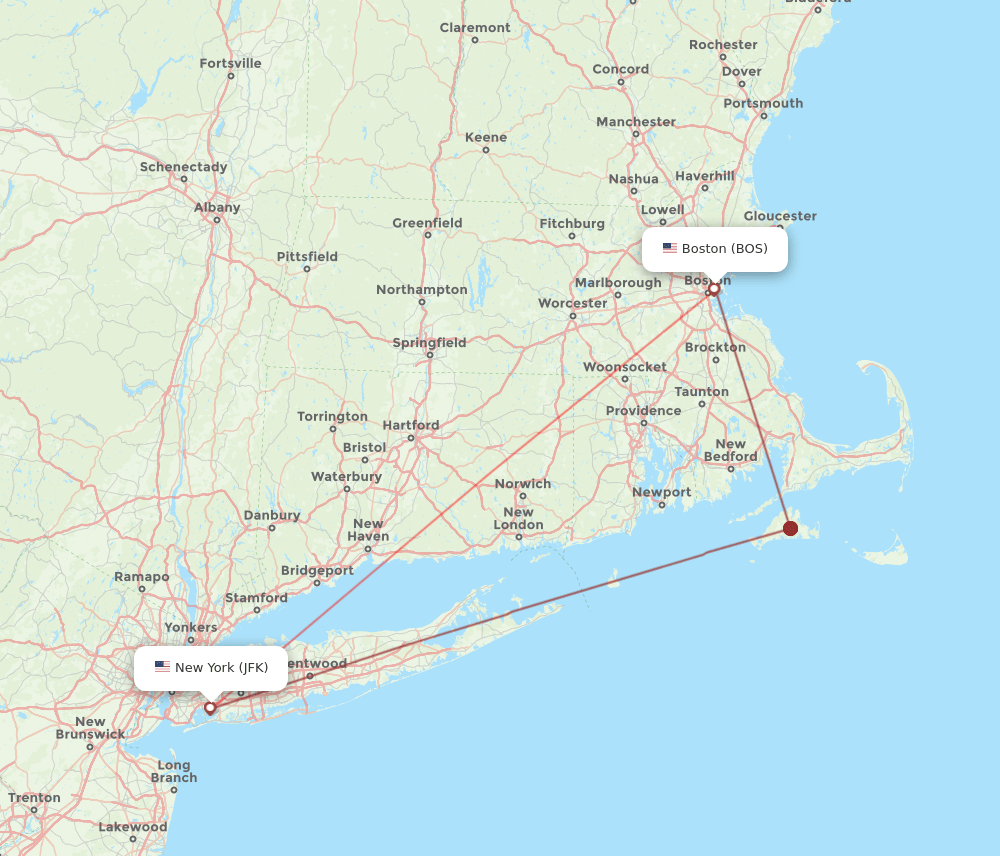
The journey back to New York City mirrors the options available for the outbound trip. Many travelers choose to take the train back, enjoying a relaxing end to their Boston visit. Alternatively, if you have a car, you can revisit favorite spots or explore new ones on the drive south. The choice of transportation for the return journey often depends on the experiences and priorities of the traveler, as well as the time and budget available.
Ultimately, the question of “How Far New York To Boston?” is not just about miles, but about the myriad ways to bridge these two vibrant cities, each offering its own distinct charm and set of experiences. Whether you opt for the efficiency of a high-speed train, the flexibility of a road trip, the speed of a flight, or the economy of a bus, the journey itself is an integral part of the Northeastern travel adventure.
LifeOutOfTheBox is a participant in the Amazon Services LLC Associates Program, an affiliate advertising program designed to provide a means for sites to earn advertising fees by advertising and linking to Amazon.com. Amazon, the Amazon logo, AmazonSupply, and the AmazonSupply logo are trademarks of Amazon.com, Inc. or its affiliates. As an Amazon Associate we earn affiliate commissions from qualifying purchases.