
California, a land of unparalleled beauty and diverse experiences, beckons travelers from across the globe with its iconic coastline, majestic national parks, vibrant cities, and rich cultural tapestry. From the sun-drenched beaches of Southern California to the towering redwoods of the north, the Golden State offers an adventure for every kind of explorer. Yet, as with any popular travel destination, the question of safety is paramount for visitors planning their itinerary. “What is the safest city in California?” isn’t just a casual query; it’s a fundamental consideration that influences where people choose to stay, what attractions they visit, and ultimately, how much they enjoy their journey.

For those planning their next California adventure, understanding the nuances of safety goes beyond simple crime statistics. It involves considering the overall environment, the availability of reliable accommodation options, the sense of community, and the specific needs of different types of travelers—whether it’s a solo adventurer, a family with young children, a couple seeking a romantic escape, or a business professional on an extended stay. This comprehensive guide aims to unpack the concept of safety in the context of California tourism, offering insights into cities consistently ranked high for safety and providing practical tips to ensure a secure and memorable trip, aligning perfectly with your lifestyle and travel preferences.
Decoding “Safe”: Metrics, Perceptions, and the Traveler’s Lens
Defining “the safest city” is more complex than it first appears. While raw crime data provides a crucial starting point, it doesn’t paint the entire picture, especially for a transient population like tourists. A city might have a high overall crime rate due to specific neighborhoods, yet its primary tourist zones could be meticulously monitored and remarkably secure. Conversely, a statistically safe city might still present challenges if a traveler isn’t prepared or aware of their surroundings.
Beyond the Numbers: What Statistics Really Tell Us
When we talk about city safety, the primary source of information often comes from crime statistics compiled by law enforcement agencies, such as the FBI’s Uniform Crime Reporting (UCR) Program or state-level reports. These reports typically categorize crimes into violent crimes (homicide, rape, robbery, aggravated assault) and property crimes (burglary, larceny-theft, motor vehicle theft). Websites like NeighborhoodScout or WalletHub often aggregate and analyze this data to rank cities.
However, interpreting these numbers requires a nuanced approach:
- Per Capita vs. Absolute Numbers: A smaller city might have a low absolute number of crimes, but if its population is also very small, its per capita rate might not be as favorable as it initially seems.
- Types of Crime: Tourists are generally more concerned about petty theft, scams, and personal safety in public spaces rather than, for instance, residential burglaries. Cities with low violent crime rates but higher property crime rates (especially relating to car break-ins) might still feel less safe to visitors.
- Reporting Discrepancies: Not all crimes are reported, and reporting standards can vary, leading to potential inaccuracies.
Therefore, while statistical rankings provide a valuable benchmark, they should be viewed as one piece of a larger puzzle.
The Traveler’s Perspective: Feeling Secure on Your Journey
For tourists, “safe” often translates to a feeling of comfort and security. This perception is influenced by several factors distinct from statistical data:
- Visibility of Law Enforcement: A visible police presence, even if subtle, can greatly enhance a traveler’s sense of security.
- Well-Maintained Public Spaces: Clean, well-lit streets, parks, and public transportation areas contribute to a feeling of order and safety.
- Ease of Navigation: Cities with straightforward layouts, clear signage, and reliable public transit make visitors feel less vulnerable to getting lost or ending up in unfamiliar areas.
- Community Vibe: Friendly locals, active street life during the day and early evening, and a general sense of civic pride can make a city feel more welcoming and secure.
- Accommodation Safety: The security of hotels, resorts, apartments, or villas is paramount. Travelers look for secure access, well-lit parking, and reputable management, often relying on booking platforms and traveler reviews for assurance.
Ultimately, the safest city for one traveler might not be the safest for another. A solo female traveler might prioritize different aspects of safety than a family with young children or an elderly couple.
California’s Safety Havens: Top Contenders for Secure Exploration
Based on consistent low crime rates, excellent community infrastructure, and a generally welcoming environment for visitors, several cities across California frequently emerge as top contenders for the title of “safest.” These locales not only boast impressive safety records but also offer a high quality of life, making them attractive for both residents and tourists seeking peace of mind.
Orange County Oases: Pristine and Peaceful
Orange County consistently ranks as one of the safest regions in California, featuring several cities that are exemplary in their commitment to public safety.
- Irvine: Often cited as one of the safest large cities in America, Irvine is a master-planned community renowned for its low crime rates, excellent schools, and abundant green spaces. For travelers, Irvine offers a clean, orderly environment with beautiful parks like the San Joaquin Wildlife Sanctuary and proximity to popular Southern California attractions without the hustle and bustle of larger urban centers. Accommodation options range from upscale hotels like the Hotel Irvine to convenient business-focused suites. Its well-maintained infrastructure and family-friendly atmosphere make it ideal for those prioritizing peace and quiet.
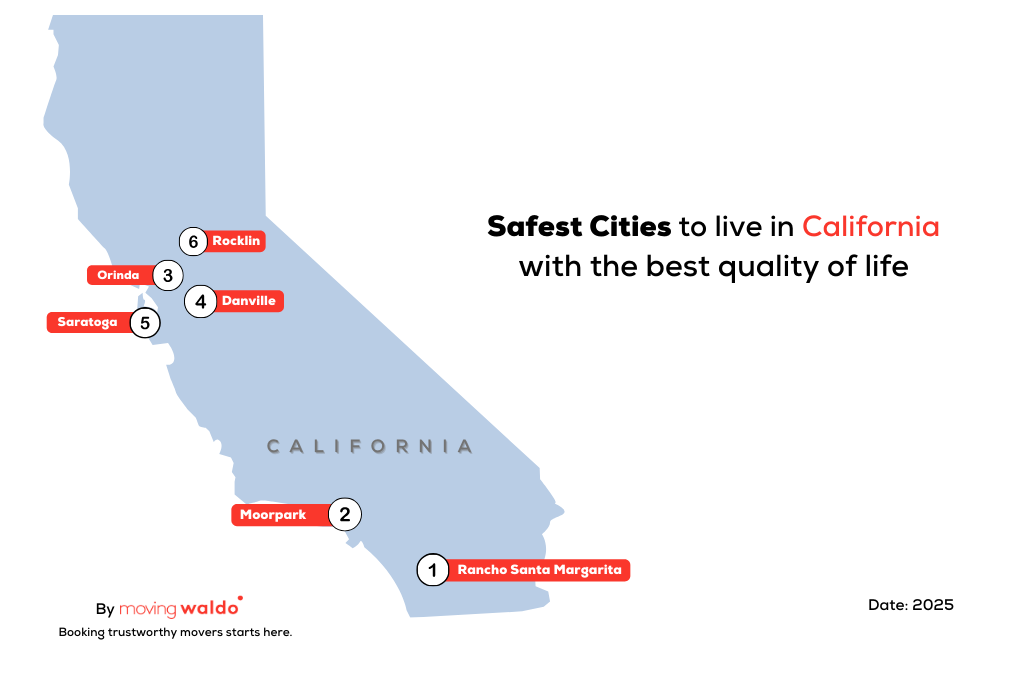
- Rancho Santa Margarita: Nestled in the foothills of the Santa Ana Mountains, Rancho Santa Margarita is another Orange County gem known for its exceptional safety. This community revolves around the picturesque Rancho Santa Margarita Lake, offering outdoor activities and a relaxed lifestyle. It’s perfect for travelers seeking a tranquil escape with access to nature and a strong sense of community.
- Laguna Niguel: Overlooking the Pacific Ocean, Laguna Niguel combines stunning natural beauty with a sterling safety record. Its coastal location provides access to beautiful beaches and scenic hiking trails, while its low crime rates ensure a serene environment. Luxury resorts such as The Ritz-Carlton, Laguna Niguel offer opulent accommodation with breathtaking views, making it a top choice for those seeking a high-end, secure coastal retreat.
Northern California Sanctuaries: Tech Hubs and University Towns

Northern California also boasts several cities recognized for their safety, particularly within the San Francisco Bay Area and Central Valley.
- San Ramon & Pleasanton: These two adjacent cities in Contra Costa County and Alameda County respectively are consistently ranked among the safest in the state. They offer a suburban lifestyle with excellent schools, well-maintained parks, and a strong sense of community. For visitors, they provide a peaceful base for exploring the wider Bay Area, often with more affordable and secure accommodation options compared to downtown San Francisco. Both cities feature charming downtown areas with local culture, food, and boutique shopping.
- Davis: Home to the University of California, Davis, this vibrant university town is known for its progressive values, extensive bike paths, and low crime rates. Davis offers a relaxed, intellectual atmosphere with a focus on sustainability. Travelers can enjoy the UC Davis Arboretum and Public Garden, local farmers’ markets, and a lively food scene. Its youthful energy and community-oriented approach contribute to a very safe environment, particularly for solo travelers and families.
- Palo Alto: While known as a hub of Silicon Valley innovation and wealth, Palo Alto also maintains a strong reputation for safety. Home to Stanford University, the city boasts beautiful architecture, upscale shopping, and a sophisticated atmosphere. Despite its bustling tech industry, Palo Alto retains a community feel and low crime rates, especially in its residential areas and main commercial districts. Luxury hotels like The Clement Hotel Palo Alto offer secure and premium accommodation for discerning travelers.
- Folsom: Located east of Sacramento, Folsom is celebrated for its historical charm, access to Folsom Lake for recreation, and consistently low crime statistics. The city offers a blend of historical landmarks like Folsom Prison Museum and modern amenities. Its family-friendly environment and active community make it a safe and engaging destination for all ages.
These cities demonstrate that safety in California is not confined to one region or type of community. Whether you prefer the coastal serenity of Orange County or the intellectual buzz of a Northern California university town, secure and welcoming destinations abound.
Enhancing Your Personal Safety: Smart Travel Tips for California Explorers
Even in the safest cities, travelers should always remain vigilant and adopt smart safety practices. Personal awareness and preparation are your best allies in ensuring a smooth and worry-free California experience. These tips are relevant whether you’re staying in a top-ranked safe city or exploring a bustling urban center.
Research and Preparation: Your First Line of Defense
- Know Your Neighborhood: Before booking accommodation, research the specific neighborhood. Even within safe cities, some areas might be less desirable after dark. Use online maps, street view features, and read recent reviews from other travelers.
- Secure Your Belongings: Use hotel safes for valuables, avoid flashing expensive jewelry or electronics, and keep your wallet and phone in secure, zippered pockets. Be especially cautious in crowded tourist areas and on public transportation, where pickpocketing can occur.
- Car Safety: If renting a car, never leave valuables visible inside the vehicle, even for a moment. This is particularly important in parking lots near popular landmarks or hiking trails. Always lock your doors and park in well-lit, secure areas.
- Emergency Contacts: Keep important phone numbers (hotel, local emergency services, family) easily accessible. Consider having a physical copy in case your phone battery dies.
Staying Aware and Connected
- Trust Your Instincts: If a situation or an area feels unsafe, remove yourself from it. Your intuition is a powerful safety tool.
- Stay Connected: Inform family or friends about your itinerary, especially if you’re traveling solo. Consider sharing your location via a messaging app.
- Use Reputable Transportation: Opt for licensed taxis, ride-sharing services with verified drivers (always confirm the car and driver before getting in), or established public transit. Avoid hitchhiking or accepting rides from strangers.
- Nighttime Caution: While many California cities are vibrant after dark, exercise extra caution at night. Stick to well-lit, populated streets, especially if you’re alone. Consider taking a taxi or ride-share if you’re heading back to your accommodation late.
- Be Mindful of Scams: Be wary of overly friendly strangers offering unsolicited help or trying to sell you something on the street, especially in tourist hotspots. Politely decline and move on.
Tailoring Your Safe California Experience to Your Lifestyle
The beauty of California lies in its diversity, and this extends to how different travelers can find their perfect safe haven. Whether you’re planning a family trip, a luxury travel escape, a budget travel adventure, or a business stay, there’s a safe city that fits your needs.
Family-Friendly Fortresses: Fun and Secure for All Ages
For families, safety often means more than just low crime rates; it encompasses child-friendly activities, safe parks, and a welcoming community atmosphere. Cities like Irvine, Davis, and Folsom excel in this regard, offering numerous parks, family-oriented events, and a relaxed pace of life. Accommodation often includes family suites or apartments with amenities like pools and play areas, enhancing the overall sense of security and enjoyment. Nearby Anaheim, while busier, also offers highly secure and family-focused resorts around Disneyland Park.
Solo Traveler Sanctuaries: Confidence and Connection
Solo travelers prioritize feeling comfortable and secure while exploring independently. Cities with active public spaces, good public transportation, and a friendly vibe are ideal. Davis, with its university population and pedestrian-friendly layout, offers a great sense of community. Palo Alto provides a sophisticated yet secure environment for those seeking cultural and intellectual pursuits. Many boutique hotels in these areas offer personalized service and a safe haven for individual explorers.
Luxury & Serenity: High-End Security and Comfort
For those indulging in luxury travel, cities like Laguna Niguel and Palo Alto offer exclusive resorts and hotels with top-tier security, discreet service, and unparalleled amenities. Destinations such as Napa Valley or Sonoma County also provide a tranquil, upscale, and inherently safe environment within their charming towns, focusing on local culture, food, and experiences like wine tasting. These areas often have private villas or high-end suites with advanced security systems, ensuring utmost privacy and peace of mind.
Budget-Conscious but Secure: Value Without Compromise
Even budget travel doesn’t mean sacrificing safety. Many of the recommended safe cities, particularly university towns or those slightly outside major metropolitan hubs, offer more affordable accommodation and food options while maintaining their high safety standards. For example, Folsom offers value-driven hotels and numerous free outdoor activities around Folsom Lake. Focusing on well-reviewed accommodation in these areas and utilizing reliable public transportation or shared rides can help maintain a budget without compromising personal security.
In conclusion, while there isn’t a single “safest city” that fits every traveler’s definition, California is rich with destinations that offer exceptional levels of safety, security, and tranquility. By understanding what makes a city safe, conducting thorough research, and practicing smart travel tips, you can confidently plan your next California adventure, secure in the knowledge that you’ve chosen a welcoming and protective environment for your unforgettable experiences. The Golden State awaits, promising safe passage and endless wonders.
LifeOutOfTheBox is a participant in the Amazon Services LLC Associates Program, an affiliate advertising program designed to provide a means for sites to earn advertising fees by advertising and linking to Amazon.com. Amazon, the Amazon logo, AmazonSupply, and the AmazonSupply logo are trademarks of Amazon.com, Inc. or its affiliates. As an Amazon Associate we earn affiliate commissions from qualifying purchases.