
Flagstaff, Arizona, often hailed as a gateway to the Grand Canyon National Park and a vibrant mountain town in its own right, is a popular destination for travelers seeking adventure, natural beauty, and a unique Northern Arizona experience. When planning a trip to this charming city, one of the first questions that comes to mind is often, “How far is it?” Understanding the distances from major metropolitan areas and popular attractions is crucial for mapping out an efficient and enjoyable itinerary. This guide will help you pinpoint Flagstaff, Arizona’s geographical context, detailing travel times, routes, and why this high-altitude haven is worth the journey.

Calculating Your Journey: Proximity to Major Hubs
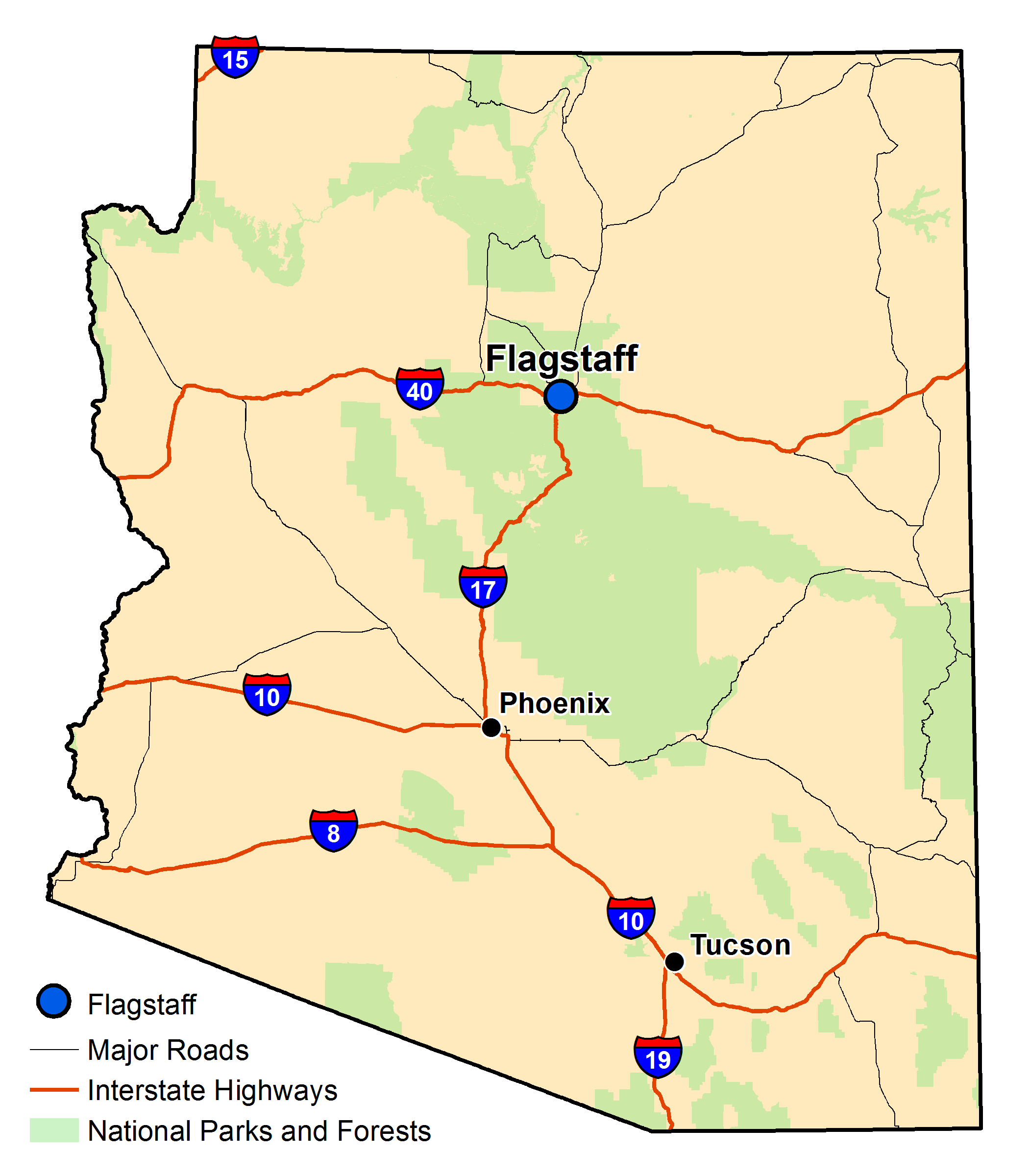
Flagstaff, Arizona’s strategic location makes it easily accessible from several key cities and natural wonders in the Southwestern United States. Its position at the crossroads of major interstates places it within a day’s drive for millions, offering diverse approaches whether you’re coming from bustling cities or the tranquility of other national parks.
From the Grand Canyon’s South Rim
For many, Flagstaff, Arizona serves as the most convenient and well-equipped base for exploring the iconic Grand Canyon National Park. The drive from the Grand Canyon’s South Rim to Flagstaff, Arizona is remarkably short and straightforward. It’s approximately 80 miles, typically taking about 1 hour and 30 minutes to 2 hours, depending on traffic and road conditions. This makes Flagstaff, Arizona an ideal choice for lodging before or after a Grand Canyon National Park visit, providing a wider range of dining and accommodation options compared to those directly at the park. The scenic drive along Highway 180 or US-180 offers glimpses of the vast Coconino National Forest, setting the tone for the natural splendor that awaits.
Phoenix Sky Harbor International Airport
As the largest and busiest airport in Arizona, Phoenix Sky Harbor International Airport (PHX) is the primary gateway for most visitors flying into the state. From Phoenix, Flagstaff, Arizona is about 145-150 miles north, a journey that typically takes around 2 hours and 15 minutes to 2 hours and 45 minutes by car. The drive is predominantly on I-17 North, a well-maintained interstate that gradually ascends in elevation, transforming the desert landscape into pine forests as you approach Flagstaff, Arizona. This route is generally easy to navigate, though travelers should be aware of potential traffic in and around Phoenix during peak hours and weather-related road closures on I-17 during heavy snow in winter months.
Las Vegas and Southern Nevada
For those venturing from the entertainment capital of the world, Las Vegas, Nevada, Flagstaff, Arizona is a manageable drive. The distance is approximately 255-260 miles, requiring about 4 to 4 hours and 30 minutes of driving time. The route generally follows US-93 South through Kingman, Arizona, then connects to I-40 East directly to Flagstaff, Arizona. This journey offers a diverse landscape transition, from the arid desert of Nevada to the high-altitude forests of Arizona. It’s a popular choice for tourists combining a Las Vegas trip with a visit to the Grand Canyon National Park and other Northern Arizona attractions.
Los Angeles and Southern California
Travelers from Southern California, particularly Los Angeles, will find Flagstaff, Arizona to be a longer but very common road trip destination. The distance from Los Angeles to Flagstaff, Arizona is approximately 470-480 miles, with an estimated driving time of 7 to 8 hours, depending heavily on traffic in the Los Angeles metropolitan area and along I-40 East through the desert. This route is a classic American road trip, following the historic path of Route 66 for much of the way, offering a chance to stop at quirky roadside attractions and experience the vastness of the Mojave Desert before reaching the cooler climes of Flagstaff, Arizona.
Choosing Your Route: Driving, Flying, or Rail?
While driving is overwhelmingly the most popular way to reach Flagstaff, Arizona, given its nature as a hub for road trippers and proximity to national parks, other transportation methods are available and may suit different travel preferences.
The Scenic Drive: Road Trip Essentials
The freedom and flexibility of a road trip make driving the preferred option for most visitors to Flagstaff, Arizona. The roads leading to and from the city are generally well-maintained, offering breathtaking scenery, from desert vistas to dense pine forests. Renting a car provides the ultimate convenience for exploring the surrounding areas, including the Grand Canyon National Park, Sedona, and numerous national monuments like Walnut Canyon National Monument, Sunset Crater Volcano National Monument, and Wupatki National Monument. It’s advisable to check weather conditions, especially during winter months, as snow and ice can impact driving conditions on I-17 and local roads. Packing essentials like water, snacks, and a full tank of gas is always wise when traversing longer stretches of highway in Arizona.
Flying In: Nearby Airports and Connections
For those flying, while Flagstaff Pulliam Airport (FLG) offers limited regional flights, primarily connecting through Phoenix Sky Harbor International Airport, the most common approach is to fly into Phoenix Sky Harbor International Airport (PHX) and then drive to Flagstaff, Arizona. This option provides a wider selection of flights, often at more competitive prices. From PHX, travelers can rent a car, utilize a shuttle service, or even take an Amtrak Thruway bus service. The scenic drive from Phoenix to Flagstaff, Arizona is part of the experience itself, revealing Arizona’s diverse landscapes.
Rail Travel: An Alternative Perspective
For a unique travel experience, Amtrak offers service directly to Flagstaff, Arizona via its Southwest Chief route. This train connects Chicago and Los Angeles, making Flagstaff, Arizona an accessible stop for those who prefer not to drive long distances or wish to enjoy the journey through a different lens. While slower than driving or flying, rail travel allows passengers to relax and take in the evolving scenery without the stress of navigating. From Flagstaff, Arizona, one can then take the Grand Canyon Railway from nearby Williams to the Grand Canyon’s South Rim, combining two classic train journeys for an unforgettable adventure.
Why Flagstaff? More Than Just a Stopover
While its strategic location makes it an ideal base for exploring Northern Arizona’s natural wonders, Flagstaff, Arizona itself is a destination brimming with unique appeal. It offers a distinct blend of outdoor adventure, rich history, and a vibrant cultural scene, making it far more than just a stopover point.
Gateway to Natural Wonders
Beyond the Grand Canyon National Park, Flagstaff, Arizona is surrounded by an abundance of natural attractions. It sits at the base of the San Francisco Peaks, home to Humphreys Peak, Arizona’s highest point, offering extensive hiking trails and skiing opportunities at Arizona Snowbowl. The region is dotted with ancient volcanoes, meteor craters, and ancestral puebloan ruins, each telling a story of the land’s geological and human past. The proximity to Sedona’s red rock formations, Petrified Forest National Park, and attractions like Bearizona Wildlife Park means there’s an endless array of outdoor activities and scenic drives within easy reach.
A Charming Mountain Town Experience
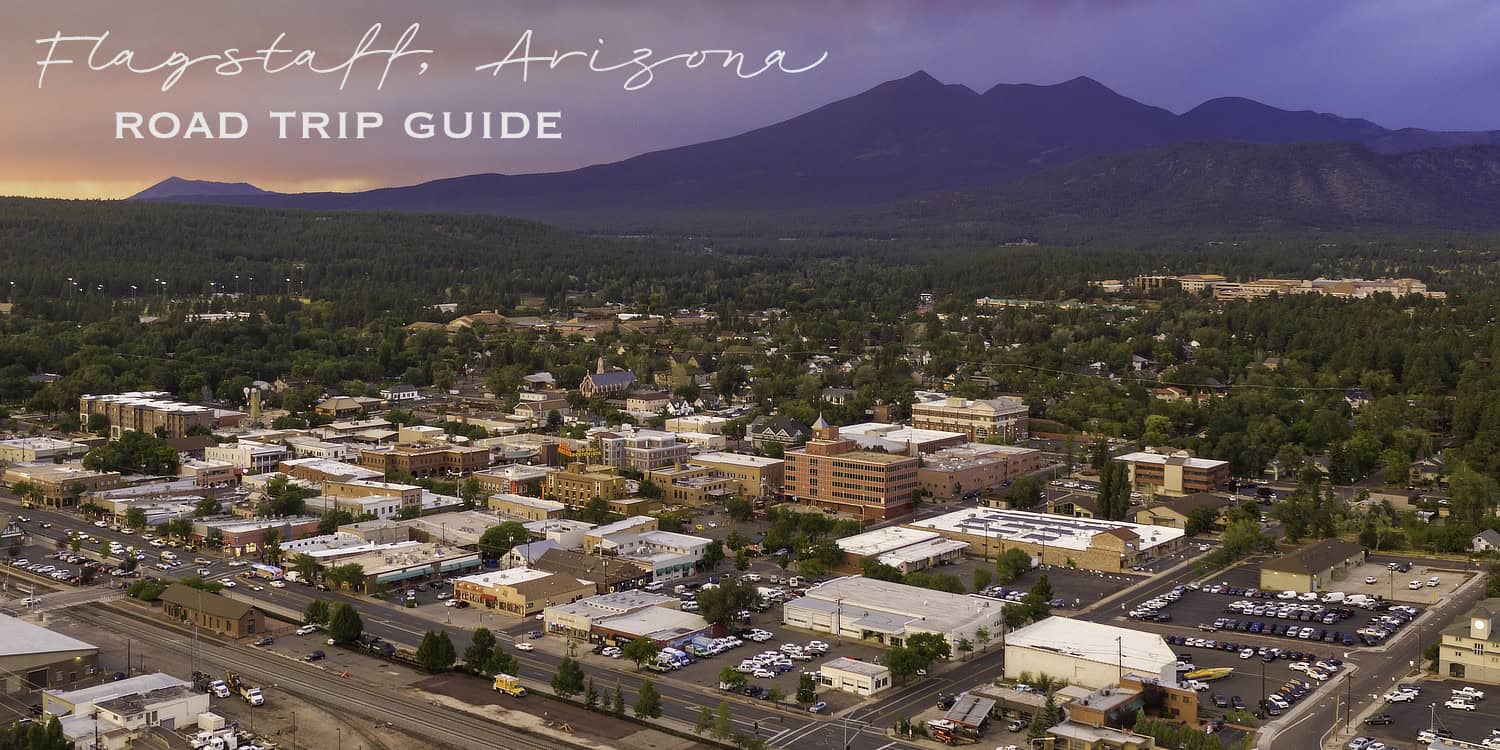
Flagstaff, Arizona boasts a unique character as a high-altitude mountain town. Its historic downtown, nestled along the famous Route 66, is filled with charming shops, local eateries, craft breweries, and art galleries. The city is home to Northern Arizona University, which injects a youthful energy and contributes to a lively arts and music scene. As one of the world’s first International Dark Sky Cities, Flagstaff, Arizona offers unparalleled stargazing opportunities, prominently featuring the historic Lowell Observatory, where Pluto was discovered. This combination of history, culture, and intellectual curiosity creates a welcoming and engaging atmosphere for all visitors.
Seasonal Allure: From Ski Slopes to Hiking Trails
Flagstaff, Arizona truly shines with its distinct four seasons, each offering a different set of activities and visual splendor. Winters bring snow, transforming the city into a winter wonderland perfect for skiing, snowboarding, and snowshoeing at Arizona Snowbowl. Spring and fall are characterized by mild temperatures, ideal for hiking, mountain biking, and exploring the national forests as the aspens change color. Summers are pleasantly warm but rarely hot, providing a refreshing escape from the intense heat of the Arizona desert, making it perfect for outdoor festivals, patio dining, and exploring the scenic beauty of the San Francisco Peaks.
Planning Your Flagstaff Adventure: Essential Travel Tips
To make the most of your trip to Flagstaff, Arizona and its surroundings, consider these practical tips for planning your visit.
Best Time to Visit
The “best” time to visit Flagstaff, Arizona largely depends on your desired activities. For hiking and outdoor exploration, late spring (April-May) and early fall (September-October) offer ideal weather. Summer (June-August) is perfect for escaping the desert heat, with pleasant temperatures and occasional monsoon showers that bring dramatic skies. Winter (November-March) is prime for snow sports and offers a cozy, festive atmosphere, though travelers should be prepared for cold temperatures and potential road closures due to snow.
Where to Stay
Flagstaff, Arizona offers a wide range of accommodation options to suit every budget and preference. From historic hotels in the downtown area that offer easy access to shops and restaurants, to modern chain hotels along I-40 and I-17, there’s plenty to choose from. For a unique experience, consider a cozy cabin rental in the surrounding Coconino National Forest or a charming bed and breakfast. Booking in advance, especially during peak season (summer and ski season), is highly recommended.
Getting Around Flagstaff
While downtown Flagstaff, Arizona is walkable, having a car is almost essential for exploring the greater Flagstaff, Arizona area and its surrounding attractions. Public transportation options are limited to the Mountain Line bus service, which primarily serves the city and university. Taxis and rideshare services are available, but a personal vehicle or rental car offers the most flexibility for day trips to the Grand Canyon National Park, Sedona, and other points of interest.
Beyond Flagstaff: Exploring Northern Arizona
Your journey to Flagstaff, Arizona can easily be part of a larger exploration of the breathtaking Northern Arizona region, extending your travel adventures to truly diverse landscapes and cultural sites.
Day Trips Worth Taking
From Flagstaff, Arizona, numerous incredible day trips are within a couple of hours’ drive. A visit to the red rock country of Sedona (approx. 45 minutes south) is almost mandatory for its stunning beauty, hiking trails, and spiritual vortexes. History buffs and nature lovers will appreciate the ancient pueblo dwellings at Wupatki National Monument and Walnut Canyon National Monument, as well as the geological marvels of Sunset Crater Volcano National Monument, all located just a short drive northeast of the city. For a bit of kitsch and nostalgia, sections of historic Route 66 offer charming stops in towns like Williams, which is also the departure point for the Grand Canyon Railway.
Extending Your Itinerary
If you have more time, consider extending your itinerary to include places further afield but still within a reasonable drive. Prescott, Arizona, known for its historic downtown and “World’s Oldest Rodeo,” is about a 1.5-hour drive southwest. Head north past the Grand Canyon National Park to discover the dramatic landscapes around Page, Arizona, home to Antelope Canyon, Horseshoe Bend, and Lake Powell, offering unparalleled photographic opportunities and water activities. Each of these locations contributes to the rich tapestry of Northern Arizona, making Flagstaff, Arizona an excellent starting point for an unforgettable regional exploration.
In conclusion, while “How Far To Flagstaff, Arizona?” is a practical question, the answer reveals a destination that is not only accessible from major hubs but also perfectly positioned as a launching pad for some of the most spectacular natural and cultural experiences in the American Southwest. Whether you’re driving from California, flying into Phoenix, or arriving by train, the journey to Flagstaff, Arizona promises to be the beginning of an enriching and memorable travel adventure.
LifeOutOfTheBox is a participant in the Amazon Services LLC Associates Program, an affiliate advertising program designed to provide a means for sites to earn advertising fees by advertising and linking to Amazon.com. Amazon, the Amazon logo, AmazonSupply, and the AmazonSupply logo are trademarks of Amazon.com, Inc. or its affiliates. As an Amazon Associate we earn affiliate commissions from qualifying purchases.