
Florida, often celebrated for its sun-kissed beaches, vibrant cities, and world-class attractions, holds another treasure that truly defines its natural and cultural heritage: an extensive network of state parks. Far more than just green spaces, these protected areas offer a mosaic of diverse ecosystems, historical landmarks, and recreational opportunities that captivate millions of visitors annually. The question “How many state parks in Florida?” isn’t merely a numerical query; it’s an invitation to discover the sheer breadth and depth of the Sunshine State’s commitment to preserving its unparalleled natural beauty and rich history.
At its core, the Florida State Parks system is one of the nation’s finest, consistently earning accolades for its management, preservation efforts, and visitor experiences. It stands as a testament to the state’s dedication to making its unique landscapes accessible while safeguarding them for future generations. For anyone seeking to peel back the layers of Florida’s well-known tourist façade and delve into its authentic essence, these parks offer an unparalleled journey.

Florida’s Vast Network of Natural Treasures
The answer to how many state parks exist in Florida is impressively robust, standing at over 175 units. This comprehensive figure encompasses a wide array of designations, including state parks, state trails, state preserves, state historic sites, and state recreation areas. While specific classifications might vary slightly in official documents, the overarching message remains clear: Florida boasts a remarkably extensive and diverse public lands system dedicated to conservation and public enjoyment.
The Official Count and What It Means
When visitors refer to “Florida State Parks,” they are often thinking of the entire system managed by the Florida Department of Environmental Protection (FDEP). The total number, generally quoted as “175 award-winning state parks, trails, and historic sites,” signifies a commitment that goes beyond mere acreage. Each unit, whether a vast wilderness preserve or a quaint historic house, contributes to a larger ecological and cultural tapestry. This count places Florida among the leading states in the nation for the sheer volume and quality of its state park offerings. It represents millions of acres of protected land and water, stretching from the panhandle to the Florida Keys, ensuring that nearly every corner of the state has a natural or historical gem within reach. This extensive network is not static; it continually evolves, with new acquisitions and enhancements further solidifying Florida’s legacy as a steward of its unique environment.
Beyond the Numbers: A System of Diversity
The sheer quantity of parks is only part of the story; their immense diversity is what truly sets Florida’s system apart. This isn’t a collection of uniform wilderness areas but rather a vibrant mosaic reflecting every facet of the state’s geography and history. You’ll find:
- Pristine Beaches and Coastal Dunes: Protecting some of the world’s most beautiful coastlines and the delicate ecosystems they support.
- Crystal-Clear Freshwater Springs: Offering vital habitats and recreational havens in the state’s interior.
- Vast Pine Forests and Wetlands: Home to unique flora and fauna, including endangered species, providing critical ecological services.
- Historic Forts, Plantations, and Archeological Sites: Preserving the narratives of native peoples, early settlers, and pivotal historical events that shaped Florida and the nation.
- Scenic State Trails: Connecting communities and natural areas, offering miles of pathways for hiking, biking, and equestrian activities.
This remarkable variety ensures that no two park experiences are exactly alike, promising endless opportunities for exploration, education, and adventure, whether you’re a nature enthusiast, history buff, or simply seeking a tranquil escape.
Exploring the Rich Tapestry of Florida’s State Parks
Each of Florida’s 175+ state park units offers a unique window into the state’s natural beauty and cultural heritage. From the tropical waters of the south to the rolling hills and forests of the north, the experiences are as varied as the landscapes themselves.
Coastal Gems and Aquatic Wonders
Florida’s coastline is legendary, and its state parks protect some of its most iconic stretches. Bahia Honda State Park in the Florida Keys is a quintessential example, renowned for its award-winning beaches, snorkeling opportunities, and the historic Overseas Highway bridge that looms overhead. Further north, Honeymoon Island State Park offers stunning white sand beaches, shell-strewn shores, and vital nesting grounds for various bird species.
For underwater enthusiasts, John Pennekamp Coral Reef State Park near Key Largo stands as America’s first underwater park. Here, vibrant coral reefs teem with marine life, inviting snorkelers, divers, and glass-bottom boat tours to witness an otherworldly ecosystem. Similarly, St. Andrews State Park in Panama City Beach offers pristine Gulf beaches, jetties for fishing, and a chance to observe diverse coastal birdlife and marine animals. These coastal havens are not just beautiful; they are crucial habitats, protecting delicate ecosystems from human encroachment and environmental challenges.
Springs, Forests, and Inland Escapes
Moving inland, Florida’s state parks reveal a different kind of magic centered around its unique freshwater springs and vast pinewoods. The state is home to one of the highest concentrations of freshwater springs in the world, and many of the most stunning are protected within the park system. Ichetucknee Springs State Park in north Florida is famous for its crystal-clear river, a favorite spot for tubing, snorkeling, and swimming, offering a refreshing escape from the summer heat. Weeki Wachee Springs State Park combines natural beauty with a touch of classic Florida kitsch, famous for its live mermaid shows performed in a submerged theater.

Further into the state’s interior, parks like O’Leno State Park and Paynes Prairie Preserve State Park showcase Florida’s less-known but equally captivating side. O’Leno is one of Florida’s oldest state parks, offering extensive hiking and equestrian trails through ancient forests, with the Santa Fe River disappearing into a sinkhole within its boundaries. Paynes Prairie Preserve State Park near Gainesville is a vast savanna and wetland where wild Florida cattle and bison roam, alongside hundreds of species of birds, providing an unforgettable wildlife viewing experience.
Historical Significance and Cultural Preservation
Florida’s history is as rich and complex as its ecosystems, and the state park system plays a critical role in preserving these stories. Fort Clinch State Park on Amelia Island offers a unique glimpse into Civil War-era life with a remarkably preserved 19th-century fort where reenactors bring history to life. San Marcos de Apalache Historic State Park near St. Marks tells the tale of colonial struggles, with remnants of Spanish, British, and American fortifications standing testament to centuries of conflict and change.
Further back in time, archaeological sites like Crystal River Archaeological State Park preserve ancient ceremonial mounds built by indigenous peoples over 2,500 years ago, offering profound insights into pre-Columbian Florida. These parks serve as open-air museums, educating visitors about the diverse cultures and pivotal events that have shaped the state, making history tangible and accessible for all ages.
Activities and Experiences: What Awaits Visitors
With over 175 units, the range of activities available in Florida’s state parks is virtually limitless, catering to every interest and fitness level. The emphasis is always on providing enriching experiences that connect visitors with nature and history in meaningful ways.
Adventure and Outdoor Recreation
For the active traveler, Florida’s state parks are an adventurer’s playground. Hiking trails range from easy boardwalk strolls through mangroves to challenging treks across rugged scrublands. Cycling enthusiasts can enjoy miles of paved and unpaved trails, including extensive state trails like the Cross Florida Greenway, which traverses the state. Paddling opportunities are abundant, from kayaking serene rivers and spring runs to canoeing through coastal estuaries. Fishing is popular year-round, whether casting a line from a pier into the Gulf or fly-fishing in a quiet freshwater lake. Many parks also offer primitive or developed campsites, providing an immersive overnight experience under Florida’s starry skies, allowing visitors to extend their adventures.
Wildlife Viewing and Nature Observation
Florida’s unique biodiversity makes its state parks prime locations for wildlife viewing. Birdwatchers can spot hundreds of species, from majestic raptors to vibrant wading birds and elusive migratory visitors. Manatees are a common sight in many spring-fed rivers during cooler months, seeking refuge from the colder ocean waters, and parks like Blue Spring State Park offer exceptional viewing platforms. Alligators are ubiquitous residents of Florida’s freshwater habitats, providing thrilling (from a safe distance) observation opportunities. Beyond the charismatic megafauna, the parks protect unique plant communities, including rare orchids, ancient cypress trees, and diverse coastal vegetation, making every visit a chance to discover something new about Florida’s complex ecosystems.
Educational Programs and Interpretive Centers
Beyond self-guided exploration, many parks offer robust educational programs designed to deepen visitors’ understanding and appreciation. Ranger-led tours provide expert insights into a park’s geology, ecology, and history. Interpretive centers and museums feature exhibits that tell compelling stories, from the lives of indigenous tribes to the challenges of coastal conservation. Some historic sites even host living history demonstrations and reenactments, transporting visitors back in time to experience crucial moments in Florida’s past. These programs are invaluable for families, students, and anyone eager to learn more about the environments and histories they are exploring.
Planning Your Visit to Florida’s State Parks
Embarking on an adventure through Florida’s state parks is an enriching experience, but a little planning can greatly enhance your trip, ensuring you make the most of what these incredible natural and historical sites have to offer.
Essential Tips for a Rewarding Experience
- Research Ahead: With over 175 parks, identifying which ones align with your interests is crucial. Utilize the official Florida State Parks website to explore individual park features, activities, and amenities.
- Consider the Season: Florida’s weather varies. Winters (November to April) are generally mild and popular for hiking and camping. Summers can be hot and humid with afternoon thunderstorms, but they are ideal for spring-fed swimming and water activities.
- Reservations are Key: For popular campgrounds, cabins, or specific activities (like tubing at Ichetucknee Springs), making reservations well in advance is highly recommended, especially during peak season and holidays.
- Pack Smart: Bring plenty of water, sunscreen, insect repellent, appropriate footwear for your chosen activities, and a hat. Don’t forget binoculars for wildlife viewing and a camera to capture the stunning landscapes.
- Respect the Rules: Each park has specific regulations regarding pets, litter, wildlife interaction, and designated activity areas. Adhering to these rules helps protect the park’s natural resources and ensures a safe and enjoyable experience for everyone.
- Check for Fees: Most state parks charge a nominal entrance fee per vehicle or per person, which directly supports park maintenance and operations. Annual passes are available for frequent visitors.
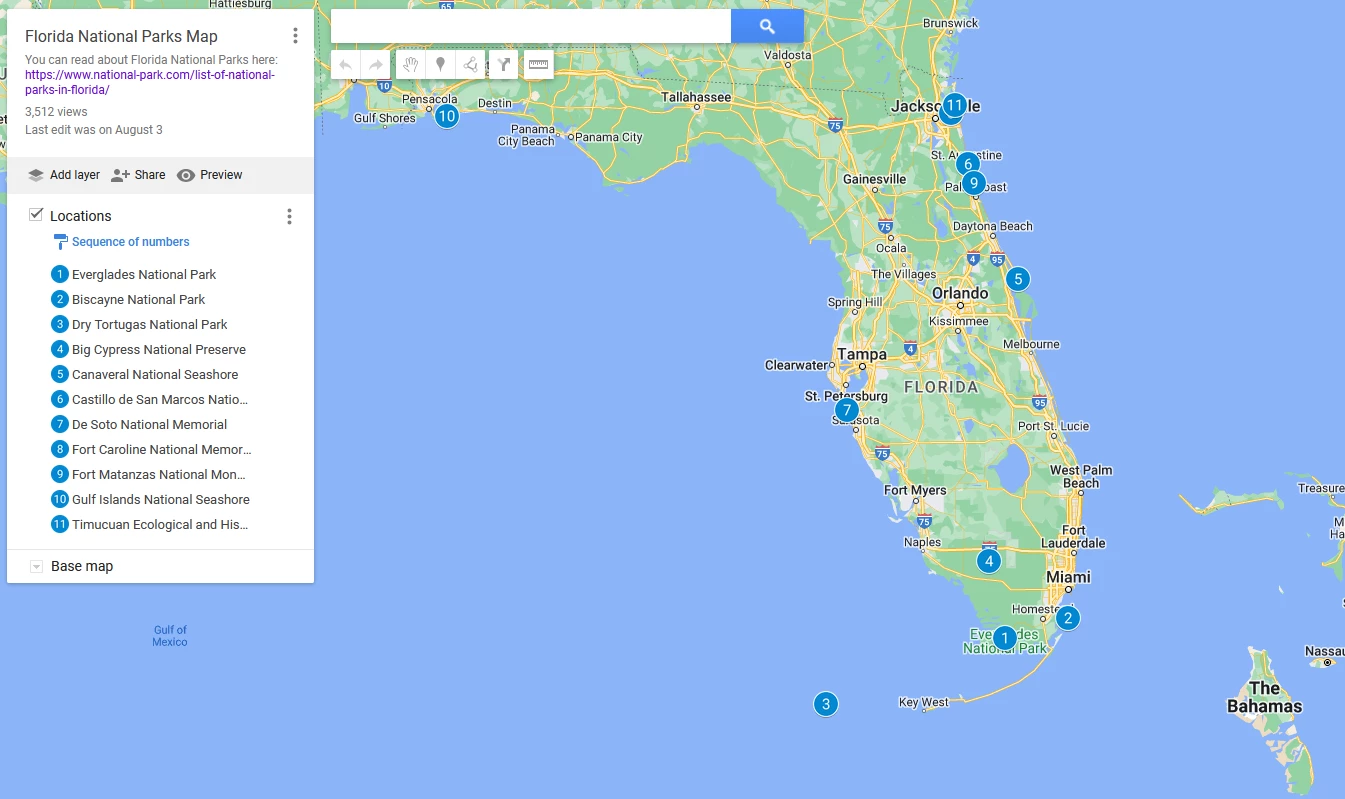
Supporting Conservation and Preservation
When you visit a Florida state park, you’re not just enjoying nature; you’re also directly contributing to its preservation. The fees collected help fund critical conservation efforts, educational programs, and the maintenance of facilities. Beyond monetary support, visitors can play a vital role by practicing Leave No Trace principles, volunteering their time for park cleanups or interpretive programs, and advocating for the continued protection of these invaluable natural and cultural assets. The long-term health and accessibility of Florida’s state parks depend on the collective efforts and stewardship of all who cherish them.
In conclusion, the answer to “How many state parks in Florida?” is a testament to the state’s incredible biodiversity and its unwavering commitment to preserving its natural and historical heritage. With over 175 units offering an unparalleled array of experiences, from the vibrant coral reefs to the ancient spring-fed rivers and storied historical sites, Florida’s state parks are far more than just numbers on a map. They are living classrooms, outdoor playgrounds, and tranquil sanctuaries, inviting everyone to discover the authentic heart of the Sunshine State. Each visit is an opportunity to connect with the wild beauty and rich history that define Florida, promising memories that will last a lifetime.
LifeOutOfTheBox is a participant in the Amazon Services LLC Associates Program, an affiliate advertising program designed to provide a means for sites to earn advertising fees by advertising and linking to Amazon.com. Amazon, the Amazon logo, AmazonSupply, and the AmazonSupply logo are trademarks of Amazon.com, Inc. or its affiliates. As an Amazon Associate we earn affiliate commissions from qualifying purchases.