
The allure of Las Vegas is undeniable. Whether you’re drawn by the dazzling lights of the Las Vegas Strip, the thrill of the casinos, the world-class entertainment, or the promise of an unforgettable escape, planning your journey is the crucial first step. Understanding “how far” involves more than just mileage; it encompasses travel time, transportation options, and the strategic considerations that make your arrival as seamless and enjoyable as your stay. This guide will break down the distances and the best ways to bridge them, ensuring your adventure to the Entertainment Capital of the World is well within reach, no matter your starting point.

Bridging the Miles: Popular Departure Points
The question of distance is inherently personal, tied to your origin. Fortunately, Las Vegas is a remarkably accessible destination, served by a major international airport and connected by a robust network of highways. Understanding the travel time from key regions will help you choose the most efficient and enjoyable mode of transport.
The Western United States: A Stone’s Throw Away
For residents of the Western United States, Las Vegas is often a convenient and popular road trip destination. The relative proximity makes driving a viable and often preferred option, allowing for flexibility and the opportunity to explore along the way.
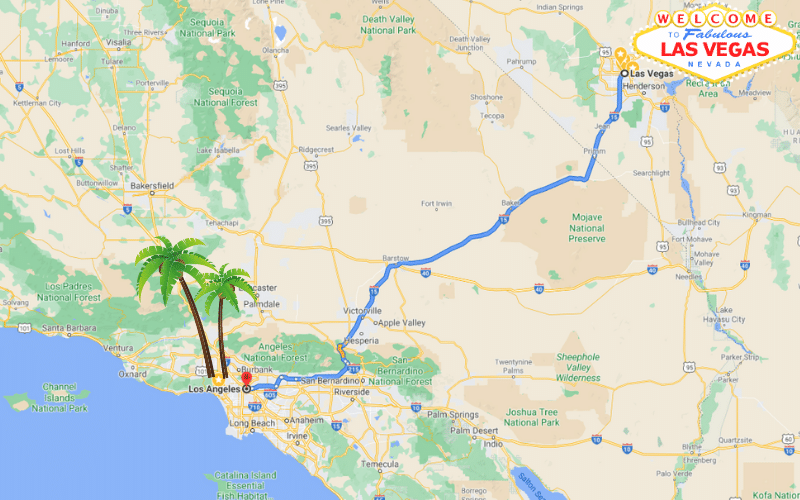
- Los Angeles, California: Approximately 270 miles (435 km). Driving time is typically 4-5 hours, depending heavily on traffic, especially when crossing the Mojave Desert and approaching the city. This is a classic drive, often completed in a single day.
- San Diego, California: Approximately 330 miles (530 km). Driving time is around 5-6 hours, also subject to traffic conditions and the desert crossing.
- Phoenix, Arizona: Approximately 300 miles (480 km). The drive usually takes about 4.5-5 hours, offering a straightforward route through the desert landscape.
- Salt Lake City, Utah: Approximately 420 miles (675 km). This journey takes roughly 6-7 hours, often showcasing diverse scenery as you traverse states.
The Central United States: A Longer Haul, Still Achievable
Travelers from the central regions of the United States will find Las Vegas to be a longer, but still manageable, road trip or a short flight away.
- Denver, Colorado: Approximately 740 miles (1190 km). A significant drive, usually taking 10-12 hours, often best broken up with an overnight stop. Alternatively, a direct flight is a popular and efficient choice.
- Dallas, Texas: Approximately 1270 miles (2040 km). This is a considerable road trip, typically requiring at least two days of driving. Flights are the dominant mode of transport for this distance.
- Chicago, Illinois: Approximately 1750 miles (2815 km). Driving this distance is a multi-day undertaking. For most, flying is the only practical option, with numerous daily flights available.
Beyond the Borders: International Perspectives
Las Vegas welcomes millions of international visitors annually. For these travelers, air travel is the primary and often only feasible method of reaching the city.
- Vancouver, Canada: A flight of approximately 2.5-3 hours, covering around 1150 miles (1850 km) in the air.
- Mexico City, Mexico: Direct flights are common, taking around 3.5-4 hours for a distance of roughly 1800 miles (2900 km).
- London, United Kingdom: Direct flights are less common, but connecting flights are readily available. The total air travel time can range from 11 to 14 hours, covering over 5000 miles (8000 km).
- Sydney, Australia: A significant journey requiring multiple connections. Total travel time can exceed 20 hours, spanning over 9000 miles (14500 km).
Modes of Transport: Navigating Your Journey
The “how far” is also defined by the method of travel. Each option offers a distinct experience, cost, and time commitment.
By Air: The Swift Ascent
McCarran International Airport (now Harry Reid International Airport) is the gateway to Las Vegas, serving as a major hub for both domestic and international flights. It’s consistently ranked among the busiest airports in the world, reflecting its importance as a travel nexus.
- Direct Flights: For those originating from major North American cities such as Los Angeles, Phoenix, San Francisco, Seattle, Denver, and New York City, direct flights are abundant and typically range from 1.5 hours to 5 hours, depending on the departure city.
- Connecting Flights: For travelers from further afield, connecting flights are the norm. Major hubs like Atlanta, Chicago, Dallas/Fort Worth, and Houston often serve as transfer points for flights to Las Vegas.
- Airports Served: The airport is a primary destination for airlines such as Southwest Airlines, American Airlines, United Airlines, and Delta Air Lines, among many others, ensuring ample choice for travelers.
By Road: The Scenic Expedition
For those who enjoy the journey as much as the destination, driving to Las Vegas offers a sense of freedom and the chance to experience the diverse landscapes of the American West.
- Major Interstates: The primary routes converging on Las Vegas include:
- I-15: This is the lifeline for travelers from Southern California and Utah, connecting Los Angeles and Salt Lake City directly to the city.
- US-95: This highway is crucial for those coming from Northern Nevada, Oregon, and parts of Idaho.
- US-93: A vital artery for travelers from Arizona, connecting to I-11 which then leads to I-15.
- Road Trip Considerations:
- Vehicle Preparation: Ensure your vehicle is in good condition, with a focus on tires, fluids, and air conditioning, especially for desert crossings where temperatures can be extreme.
- Fuel Stops: While major routes are generally well-serviced, it’s wise to maintain a decent fuel level, particularly when traveling through less populated desert areas.
- Rest Stops: Plan for regular breaks to combat fatigue. Many rest areas and convenient roadside stops are available along the primary interstates.
- Navigation: GPS devices and reliable mapping apps are essential. Consider having a physical map as a backup, especially in areas with spotty cell service.
- Timing: Be mindful of potential traffic delays, particularly around major metropolitan areas like Los Angeles and during peak travel seasons or holiday weekends.
By Rail: A Nostalgic Perspective
While not as common as flying or driving for reaching Las Vegas from distant locations, train travel offers a unique and often more relaxed way to experience the country. However, direct passenger rail service to Las Vegas is limited.
- Amtrak Service: Amtrak operates a route that stops in Kingman, Arizona, which is about 100 miles from Las Vegas. Travelers can then arrange for shuttle services or rental cars from Kingman to complete their journey. This option is less direct and adds significant travel time compared to other modes.
- Potential Future Developments: There have been ongoing discussions and proposals for high-speed rail projects connecting Southern California to Las Vegas, which, if realized, could offer a competitive alternative in the future.
Planning Your Arrival: Beyond the Distance
Understanding the distance is only part of the equation. Efficient arrival planning involves considering your chosen transport, the time of day, and your onward journey within Las Vegas.
Airport to Hotel: The First Mile
Upon arrival at Harry Reid International Airport, you have several options to reach your accommodation:
- Taxis and Ride-Sharing: Abundant and readily available, offering direct transport to virtually any hotel on or off the Strip.
- Airport Shuttles: Shared-ride vans provide a cost-effective option, though they may make multiple stops before reaching your destination.
- Rental Cars: Convenient for those planning excursions beyond the city or who prefer the flexibility of their own vehicle. Rental car facilities are located a short shuttle ride from the terminals.
- Public Transportation: The RTC (Regional Transportation Commission) operates bus routes that connect the airport to various points in the valley, including the Strip and downtown.
Driving into the City: Navigating the Strip and Beyond
If you’re driving, knowing the best approach to your hotel is crucial, especially during peak traffic hours.
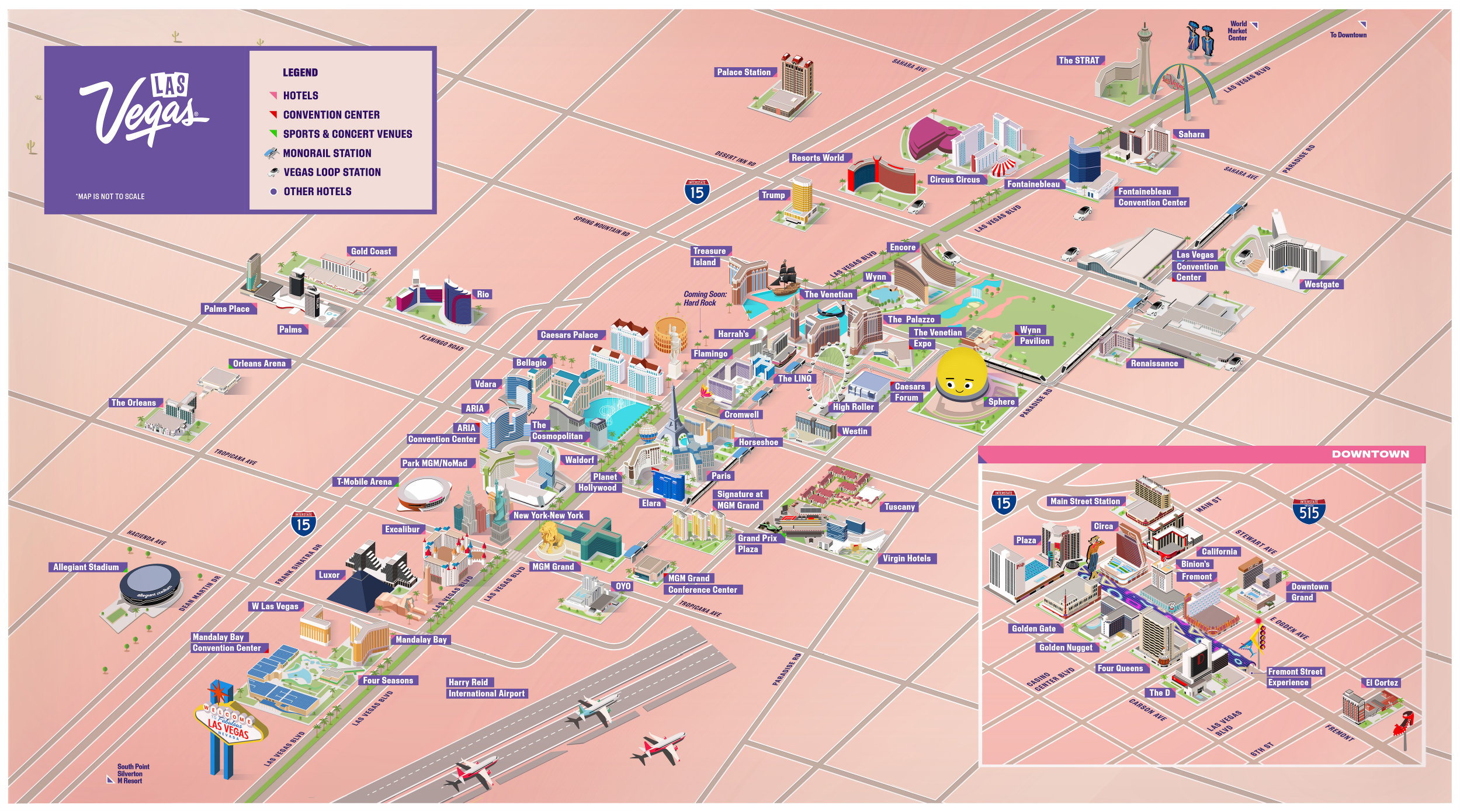
- I-15: Exiting onto Flamingo Road, Tropicana Avenue, or Spring Mountain Road are common access points to the Strip.
- Surface Streets: Navigating Paradise Road or Koval Lane can sometimes offer a less congested alternative to the Strip itself.
- Parking: Most hotels on the Strip offer valet and self-parking, though fees can be substantial. Consider parking at a hotel a little further from the most crowded areas if you plan to explore on foot.
Timing Your Arrival: Beat the Crowds
The time of day you arrive can significantly impact your experience.
- Mid-day: Generally the least congested time for both air and road travel into Las Vegas.
- Late Afternoon/Early Evening: This is often the busiest period as people arrive for weekend getaways and evening entertainment. Expect increased traffic and airport queues.
- Overnight: Can be a peaceful time to travel, with fewer crowds, but can be less convenient if you are seeking immediate assistance or services.
Ultimately, “how far to Las Vegas from here?” is a question with as many answers as there are travelers. By understanding the distances, exploring the various transportation options, and planning your arrival strategically, you can ensure that your journey to this vibrant desert oasis is the perfect prelude to an unforgettable experience.
LifeOutOfTheBox is a participant in the Amazon Services LLC Associates Program, an affiliate advertising program designed to provide a means for sites to earn advertising fees by advertising and linking to Amazon.com. Amazon, the Amazon logo, AmazonSupply, and the AmazonSupply logo are trademarks of Amazon.com, Inc. or its affiliates. As an Amazon Associate we earn affiliate commissions from qualifying purchases.