
Charting Your Course to the Big Sky Country
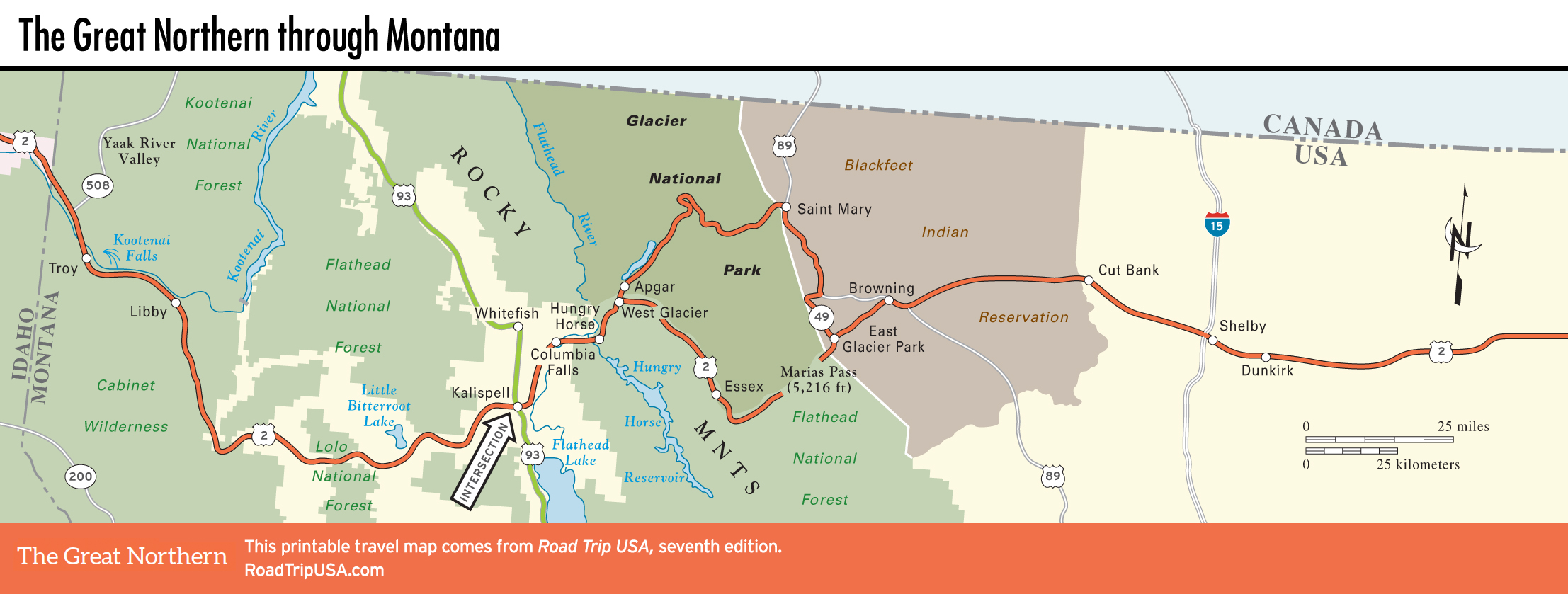
Montana, often referred to as the “Big Sky Country,” beckons with its vast landscapes, rugged mountains, and a spirit of untamed wilderness. For many, the allure of this expansive Western state lies in its promise of adventure, natural beauty, and a respite from the hustle of modern life. Planning a journey to Montana requires understanding the distances involved, the most efficient travel methods, and the unique regional characteristics that define its various access points. Whether you’re envisioning Yellowstone National Park’s geothermal wonders, the majestic peaks of the Glacier National Park, or the historic charm of Bozeman, knowing how far you need to travel is the first step in crafting your unforgettable Montana experience.
Navigating the Skies: Flights to Montana’s Gateways
The most practical way for most travelers to reach Montana, especially from distant locations, is by air. The state boasts several key airports that serve as primary entry points, each offering varying degrees of connectivity and proximity to popular destinations. Understanding these gateways is crucial for optimizing your travel time and costs.
Major Airports and Their Reach
-
Billings Logan International Airport (BIL): Located in the state’s largest city, Billings, BIL is a significant hub, offering a good number of direct and connecting flights from major cities across the United States. It serves as an excellent gateway to the eastern and southern parts of Montana, including access to the Absaroka-Beartooth Wilderness and areas near Cody, Wyoming.
-
Bozeman Yellowstone International Airport (BZN): Situated near Bozeman, BZN is arguably the most sought-after airport for those planning to visit Yellowstone National Park (North and West Entrances) and the popular mountain towns of Bozeman and Big Sky. Its increasing number of direct flights from across the country makes it a prime choice for many Montana-bound travelers.
-
Missoula Montana Airport (MSO): Located in western Montana, MSO is the gateway to the scenic Flathead Lake region, the Mission Mountains, and offers access to the western side of Glacier National Park. It also serves as a convenient entry point for those interested in outdoor activities like skiing and whitewater rafting.
-
Great Falls International Airport (GTF): Serving the central Montana region, GTF provides access to the Upper Missouri River Breaks National Monument and is a good option for exploring the northern plains and historic Lewis and Clark sites.
-
Helena Regional Airport (HLN): As the state capital, Helena offers a smaller but functional airport, connecting travelers to the central part of the state and providing access to nearby recreational areas.
Direct vs. Connecting Flights
The availability of direct flights to Montana varies significantly depending on your departure city. Major hubs like Denver, Seattle, and Minneapolis often have direct routes to the larger Montana airports. Travelers originating from other regions may need to plan for one or more connections, typically through these same hub cities. Booking in advance is highly recommended, especially during peak travel seasons (summer and early fall), to secure the best fares and flight times.
Traversing the Land: Driving Distances and Routes
For travelers who prefer the freedom of the open road or are embarking on a road trip adventure, driving to Montana presents a different set of considerations. The distances can be substantial, requiring careful planning for overnight stops and understanding the most efficient routes.
From Major U.S. Cities
-
From Chicago, Illinois: A classic cross-country drive, reaching Montana from Chicago typically involves a journey of approximately 1,200-1,500 miles, depending on your specific destination within Montana. This route often traverses through states like South Dakota or North Dakota, passing through cities like Sioux Falls or Fargo. A minimum of two to three days of driving is recommended.
-
From Los Angeles, California: The drive from Southern California to Montana is a significant undertaking, spanning roughly 1,500-1,800 miles. This route often takes you through states like Nevada, Utah, and Idaho. Planning for at least three to four days of driving is essential, with potential stops in cities like Salt Lake City or Boise.
-
From Dallas, Texas: Driving from Texas to Montana is another considerable distance, ranging from 1,200 to 1,600 miles. The route often involves passing through states like Oklahoma, Kansas, and Colorado, with potential overnight stops in cities like Denver. A journey of three days is a reasonable estimate.

Scenic Routes and Considerations
Beyond the most direct interstates, Montana offers a wealth of scenic byways and highways that can transform a drive into an integral part of the travel experience. The Going-to-the-Sun Road in Glacier National Park, though within Montana, is a prime example of a destination in itself. When driving, factor in potential weather delays, especially outside of the summer months. Road closures due to snow can occur well into late spring and start again in early fall. Always check road conditions before you depart.
On the Ground: Local Transportation and Getting Around
Once you’ve arrived in Montana, the vastness of the state means that local transportation is key to exploring its many wonders. Renting a car is by far the most common and practical solution for visitors.
Car Rentals
All major car rental companies operate at Montana’s primary airports. Booking your rental car in advance is highly recommended, particularly during peak tourist seasons. A standard sedan is often sufficient for most travel, but if you plan to venture onto unpaved roads or into more remote areas, a higher-clearance vehicle or an SUV might be a better choice. Be prepared for long driving distances between attractions; Montana is a state where you can drive for hours and still be within its borders.
Public Transportation and Alternatives
Public transportation within Montana is extremely limited. While some larger cities like Billings and Missoula have local bus services, they are not designed for inter-city travel or reaching remote natural attractions. There are limited Amtrak train services that pass through Montana, offering a unique, albeit slow, way to see the landscape. However, for comprehensive exploration, a personal vehicle or a rental car is almost indispensable. Some guided tours offer transportation for specific excursions, which can be a good option for day trips or focused itineraries, especially for accessing areas within national parks.
Beyond the Miles: Understanding Montana’s Regional Differences
The question “How far to Montana?” is also implicitly about which part of Montana you intend to visit. The state is remarkably diverse, and the distance to its northern border is vastly different from the distance to its southern edge, especially when considering the geographical context of your starting point.
Eastern Plains vs. Western Mountains
-
Eastern Montana: Characterized by rolling prairies, badlands, and a more remote, sparsely populated landscape, eastern Montana offers a sense of vast solitude. Destinations here might include the Makoshika State Park or the Charles M. Russell National Wildlife Refuge. Access is often via airports like Billings or Great Falls, followed by significant driving.
-
Western Montana: This is the iconic Montana of rugged mountain ranges, crystal-clear lakes, and world-renowned national parks. Glacier National Park, Yellowstone (accessed via Montana), and numerous ski resorts and wilderness areas are found here. Airports like Bozeman, Missoula, and even Kalispell (for Glacier) are primary entry points. The terrain is more challenging, and travel times between points of interest can be longer due to winding mountain roads.
Proximity to Neighboring States and Provinces
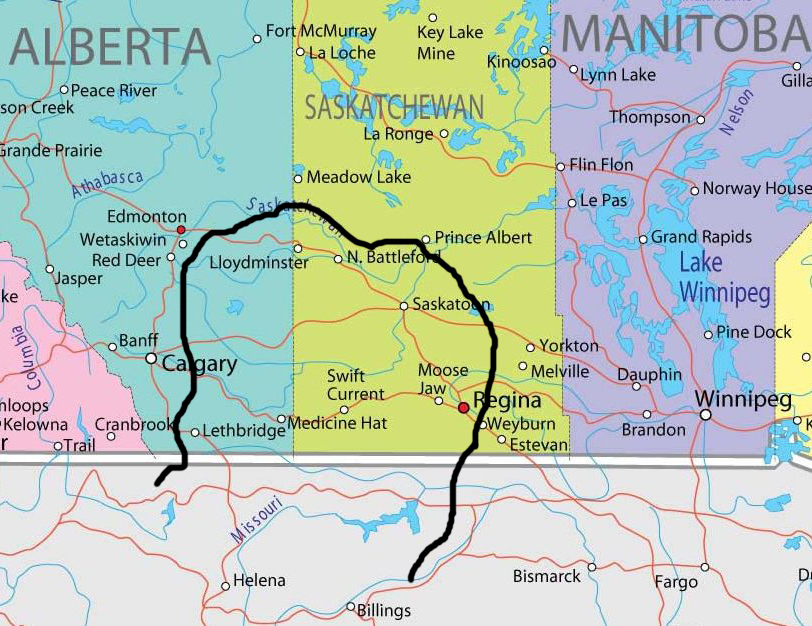
Montana shares borders with several Canadian provinces and U.S. states. Understanding this proximity can influence travel plans.
-
Wyoming: To the south, Wyoming is home to the southern entrance of Yellowstone and the stunning landscapes of Grand Teton National Park. Travelers heading to these areas might fly into Bozeman and drive south.
-
Idaho: To the west, Idaho offers its own vast wilderness, with access points to Montana from areas like Sandpoint or via routes through western Montana.
-
North Dakota and South Dakota: To the east, these states provide access to eastern Montana, often involving long, straight drives across prairie lands.
-
Alberta and Saskatchewan: To the north, these Canadian provinces border Montana, with international crossings leading into northern Montana towns and scenic routes.
Ultimately, the answer to “How far to Montana?” is a multifaceted one, depending on your starting point, chosen mode of transport, and desired destination within this expansive and magnificent state. Each mile traveled, whether by air or by road, is an investment in an experience that promises to be as grand and memorable as the Big Sky itself.
LifeOutOfTheBox is a participant in the Amazon Services LLC Associates Program, an affiliate advertising program designed to provide a means for sites to earn advertising fees by advertising and linking to Amazon.com. Amazon, the Amazon logo, AmazonSupply, and the AmazonSupply logo are trademarks of Amazon.com, Inc. or its affiliates. As an Amazon Associate we earn affiliate commissions from qualifying purchases.