
California is renowned for its vibrant culture, stunning natural landscapes, and innovative spirit, attracting individuals and families seeking a dynamic lifestyle. However, living the “Golden State dream” often comes with a significant financial consideration: taxes. Understanding the intricacies of California’s tax structure is crucial for anyone planning to reside, work, or conduct business within its borders, as these levies profoundly shape personal budgets, business operations, and overall lifestyle choices. For those contemplating a move or a long-term stay, a comprehensive grasp of these financial obligations is paramount to effective lifestyle planning and ensuring financial well-being in one of the nation’s most expensive states.
Understanding California’s Progressive Tax Landscape
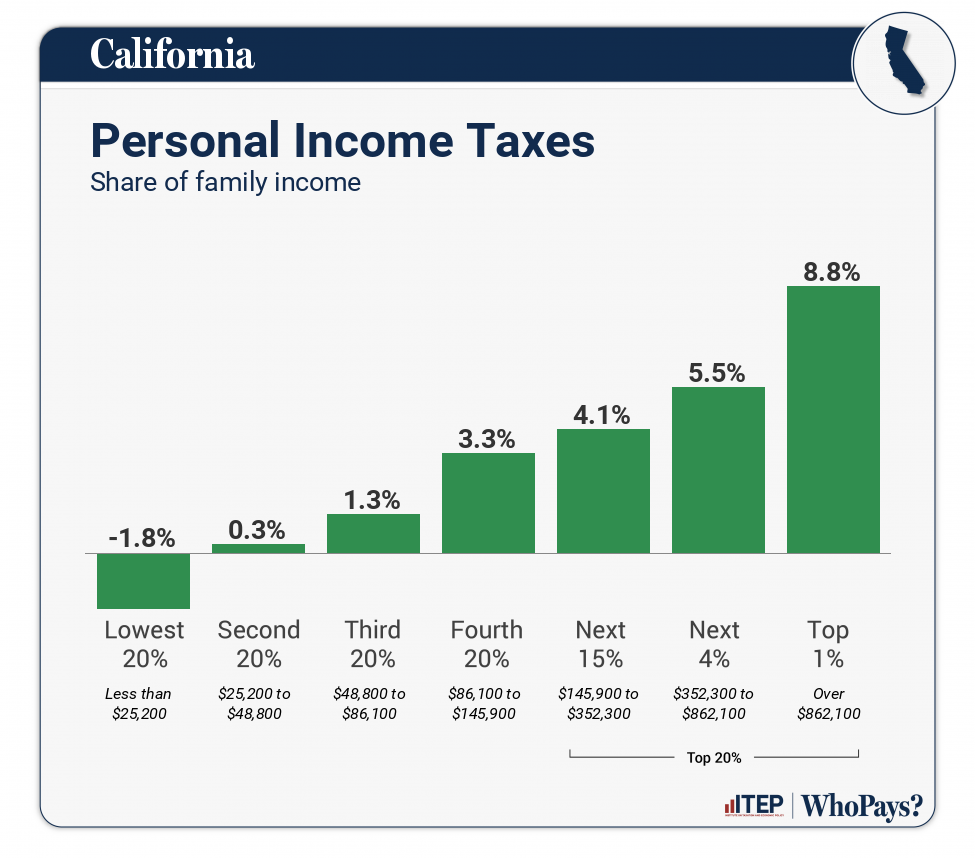
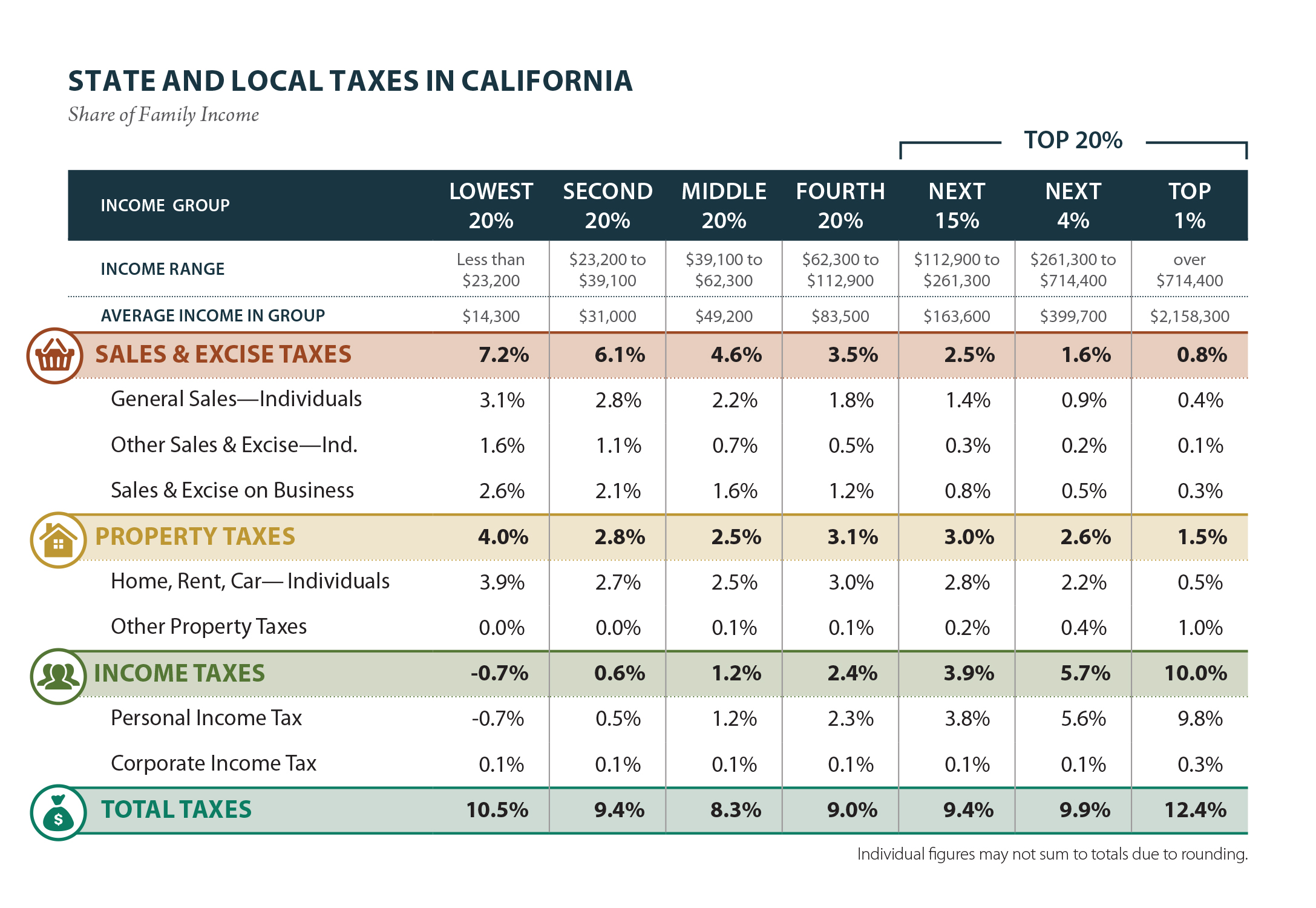
California operates a tax system that is largely progressive, meaning that higher incomes are subject to higher tax rates. This approach aims to distribute the tax burden across different income levels but inevitably places a significant financial demand on high-earners and businesses. Beyond income, the state imposes various other taxes that collectively contribute to its revenue and impact the cost of living for everyone.
Personal Income Tax: High Brackets and Implications
The state’s personal income tax is arguably the most impactful for residents. California boasts some of the highest marginal income tax rates in the United States, reaching up to 13.3% for the highest earners when factoring in the mental health services tax (often referred to as the “millionaire’s tax”). This progressive structure means individuals with lower incomes pay a smaller percentage, but as income rises, so does the tax rate. For those considering a move to California, especially high-income professionals or those in lucrative industries like technology or entertainment, this translates into a substantial portion of their earnings being allocated to state taxes. This directly influences disposable income, savings potential, and the budget available for lifestyle expenditures such as housing, leisure, and luxury goods. Financial planning in California must therefore rigorously account for this significant deduction from gross income.
Sales and Use Tax: A Daily Consideration
Beyond income, consumers in California face one of the highest statewide sales tax rates in the nation, currently at 7.25%. However, this base rate is often augmented by local district taxes, pushing the combined sales tax rate in many cities and counties well above 9%, and in some areas, even over 10%. This tax applies to the sale of most tangible goods, from clothing and electronics to restaurant meals and certain services. For residents, this means that everyday purchases contribute significantly to their overall cost of living. For visitors, especially those on extended stays or planning major purchases, factoring in sales tax is essential for accurate budgeting. This constant levy on consumption influences lifestyle choices, subtly nudging consumers toward more cost-conscious decisions or necessitating higher overall spending to maintain a desired standard of living.
Property Taxes: The California Housing Equation
Property taxes are another critical component of the California tax landscape, profoundly impacting homeowners and indirectly affecting renters through rental prices. Under Proposition 13, property taxes are generally capped at 1% of the assessed value at the time of purchase, plus voter-approved local bonds and levies. The assessed value can only increase by a maximum of 2% per year, regardless of market appreciation, until the property is sold. While Proposition 13 provides some stability for long-term homeowners, new buyers entering California’s historically high-priced real estate market face substantial annual property tax bills based on their purchase price. For example, a home purchased for $1 million could incur an annual property tax bill exceeding $10,000, not including special assessments. This directly impacts housing affordability, which is a cornerstone of lifestyle planning, and often dictates where individuals can afford to live and the quality of life they can achieve in sought-after areas like Los Angeles or San Francisco.
The Lifestyle Impact: Cost of Living and Disposable Income
The cumulative effect of California’s various taxes, combined with its high cost of living, fundamentally shapes the lifestyles residents can afford. It necessitates meticulous financial planning and often requires higher incomes to achieve the same standard of living as in other states.
Housing Affordability: A Primary Concern
Housing costs, already elevated due to demand and limited supply, are further exacerbated by property taxes, which become a recurring financial commitment. For many, the choice between living in a prime urban location like San Diego or a more affordable, yet further afield, suburban community is largely dictated by the interplay of income, mortgage costs, and property tax obligations. Renters are not immune, as landlords often pass on property tax increases and other expenses in the form of higher rents. This reality drives many to accept smaller living spaces, commute longer distances, or make significant trade-offs in other lifestyle areas to secure housing in desirable California locales.
Everyday Expenses: From Groceries to Entertainment
Beyond housing, the impact of sales tax and other hidden taxes affects almost every aspect of daily life. The cost of food, dining out, entertainment, and personal services can feel notably higher than in other states. For instance, a simple outing for dinner and a movie in a major California city will have sales tax applied to the meal and often other taxes on tickets or services. Gasoline prices are also among the highest in the nation, partly due to various state taxes and fees aimed at infrastructure and environmental initiatives. These cumulative costs erode disposable income, forcing individuals and families to be more judicious with their spending or adapt their expectations regarding discretionary lifestyle activities.
Budgeting for the California Dream
Achieving the coveted California lifestyle—whether it’s surfing in Malibu, exploring the vineyards of Napa Valley, or enjoying Hollywood’s entertainment scene—requires a robust financial strategy. For many, this means a higher salary expectation, a more aggressive savings plan, or a willingness to compromise on certain luxuries. Budgeting in California often looks different from other states, with a larger portion of income allocated to essentials like housing and taxes, leaving a comparatively smaller slice for discretionary spending. Understanding this dynamic upfront allows for more realistic financial goal setting and helps manage expectations about what a California lifestyle truly entails financially.
Special Considerations for Different Lifestyles
The impact of California’s taxes varies significantly depending on an individual’s unique lifestyle, residency status, and financial endeavors. From remote workers to retirees, specific tax rules and considerations apply, requiring tailored financial approaches.
Remote Workers and Digital Nomads: Navigating Residency
The rise of remote work has introduced complexities for individuals working for California companies but living elsewhere, or vice versa. California has a broad definition of residency for tax purposes, often pursuing income from individuals who maintain strong ties to the state, even if they spend significant time elsewhere. Digital nomads or remote workers considering making California their base need to understand the implications of establishing residency, which can subject their worldwide income to California income tax. Conversely, those working remotely for a California employer while residing out-of-state might still be subject to California income tax on income sourced from California. This often requires careful documentation and professional advice to avoid double taxation or unintended tax liabilities, directly impacting the viability of a mobile or location-independent lifestyle.
Business Owners and Entrepreneurs: Corporate Tax Insights
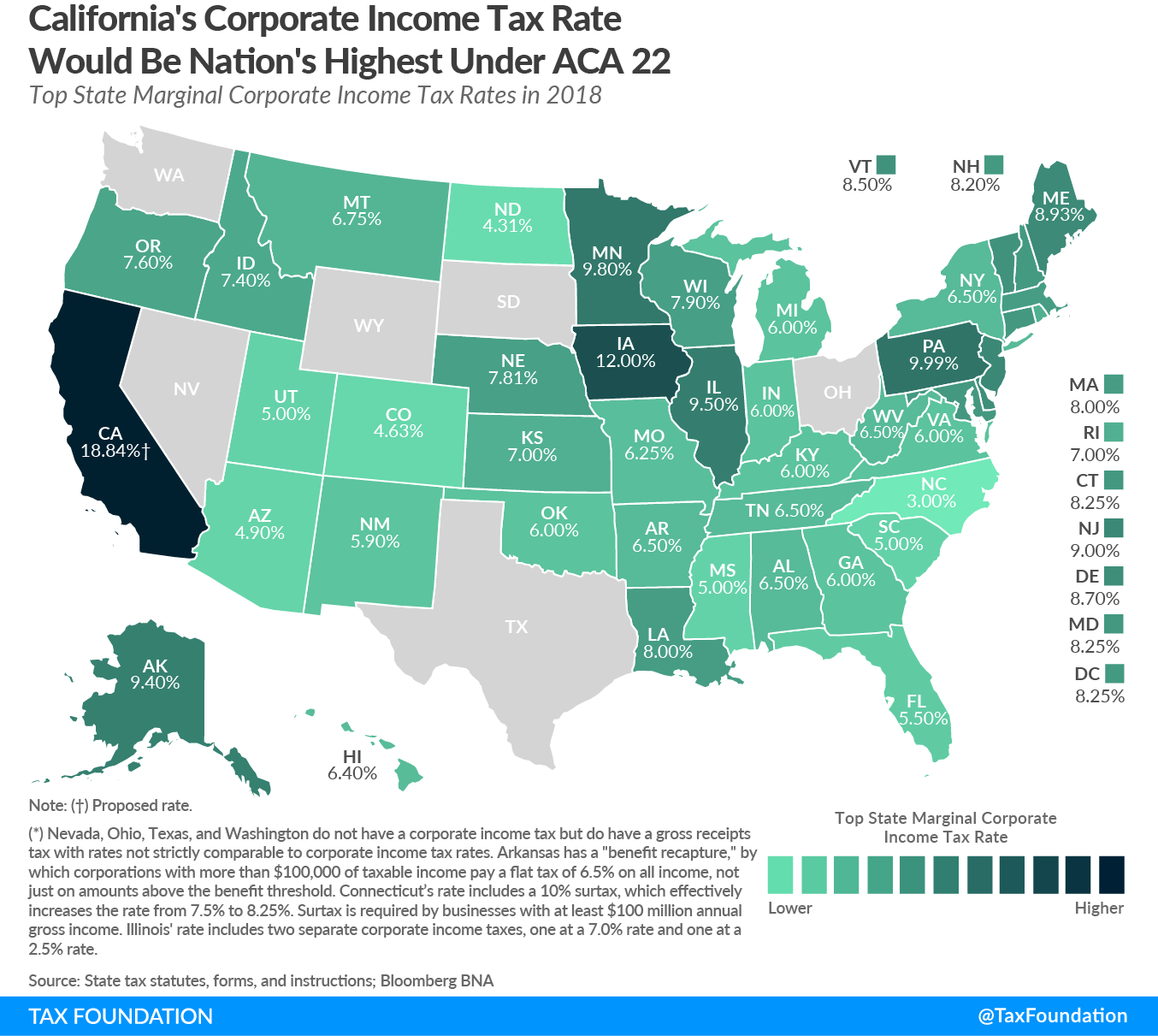
For entrepreneurs and business owners, California’s corporate tax environment also presents unique challenges and opportunities. The state imposes a corporate franchise tax, an 8.84% tax on net income for C-corporations, and an annual minimum tax of $800 for most corporations and LLCs, regardless of profitability. These taxes, combined with complex regulatory requirements, mean that businesses operating in California must factor in significant overheads. For lifestyle businesses, startups, or small enterprises, managing these tax burdens can be critical to survival and growth. Strategic business planning, including entity selection and tax-efficient structuring, is essential to thrive in California’s competitive market and maintain a healthy business lifestyle.
Retirement and Estate Planning in the Golden State
Retirees considering a California retirement often weigh the state’s natural beauty and amenities against its tax implications. While California does not tax Social Security benefits, other retirement income, such as pensions and 401(k) distributions, are subject to its high-income tax rates. Estate planning also takes on added complexity, although California does not have a state estate tax. Nevertheless, the high value of assets, particularly real estate, means that careful planning is necessary to manage potential federal estate taxes and ensure smooth asset transfer. For those envisioning a comfortable retirement lifestyle, understanding how California’s tax policies affect their fixed income and inherited wealth is crucial for long-term financial security and legacy planning.
Strategic Financial Planning for a California Lifestyle
Navigating California’s tax landscape effectively is not just about understanding the rates but about implementing smart financial strategies. Proactive planning can help individuals and businesses optimize their financial position and better achieve their desired lifestyle goals.
Maximizing Deductions and Credits
One of the most effective ways to mitigate the impact of high taxes is to utilize all available deductions and credits. California offers various deductions, such as for mortgage interest, certain medical expenses, and contributions to traditional IRAs or 401(k)s. Additionally, there are state-specific credits, like the California Earned Income Tax Credit (CalEITC) for low-to-moderate income earners, and credits for dependent care or energy-efficient home improvements. Staying informed about these opportunities and working with a knowledgeable tax professional can significantly reduce one’s taxable income and, consequently, their tax liability, freeing up funds for lifestyle enhancements or savings.
Long-Term Financial Health and Wealth Management
For those committed to a California lifestyle, developing a robust long-term financial plan is indispensable. This includes not only tax planning but also strategic investing, wealth accumulation, and asset protection. Given the state’s high cost of living, a substantial emergency fund, diversified investment portfolio, and clear retirement goals are more critical than ever. Engaging with financial advisors who specialize in California’s unique economic environment can provide invaluable guidance, helping individuals make informed decisions that support their lifestyle aspirations while building lasting financial security. This might involve exploring tax-advantaged investment vehicles, establishing trusts, or considering philanthropic strategies.
Evaluating the Trade-Offs: Benefits vs. Costs
Ultimately, the decision to embrace a California lifestyle involves a careful evaluation of the benefits against the costs, with taxes being a major component of the latter. While the financial demands are undeniable, many find the unparalleled opportunities, cultural richness, innovative spirit, and diverse natural beauty of California to be well worth the investment. The state offers a unique blend of experiences, from thriving urban centers like San Jose to serene natural escapes like Lake Tahoe or Yosemite National Park. Understanding the tax burden upfront allows individuals to make informed lifestyle choices, plan realistically, and ensure that their Golden State dream remains financially viable and personally fulfilling.
LifeOutOfTheBox is a participant in the Amazon Services LLC Associates Program, an affiliate advertising program designed to provide a means for sites to earn advertising fees by advertising and linking to Amazon.com. Amazon, the Amazon logo, AmazonSupply, and the AmazonSupply logo are trademarks of Amazon.com, Inc. or its affiliates. As an Amazon Associate we earn affiliate commissions from qualifying purchases.