
Embarking on a journey from the bustling heart of the Midwest to the sun-kissed shores of the Caribbean promises an escape filled with vibrant culture and breathtaking natural beauty. For travelers in Chicago eyeing the tropical allure of Puerto Rico, one of the most pressing questions is often about the flight duration. Understanding the intricacies of this journey, from direct routes to various connecting options, is crucial for planning a seamless and enjoyable travel experience.
The Direct Route: Unpacking Flight Times from Chicago to Puerto Rico
For those prioritizing speed and convenience, a direct flight offers the most straightforward path from Chicago to Puerto Rico. While non-stop options are available, they are not as frequent as connecting flights, making it essential to book in advance.
Typical Non-Stop Duration
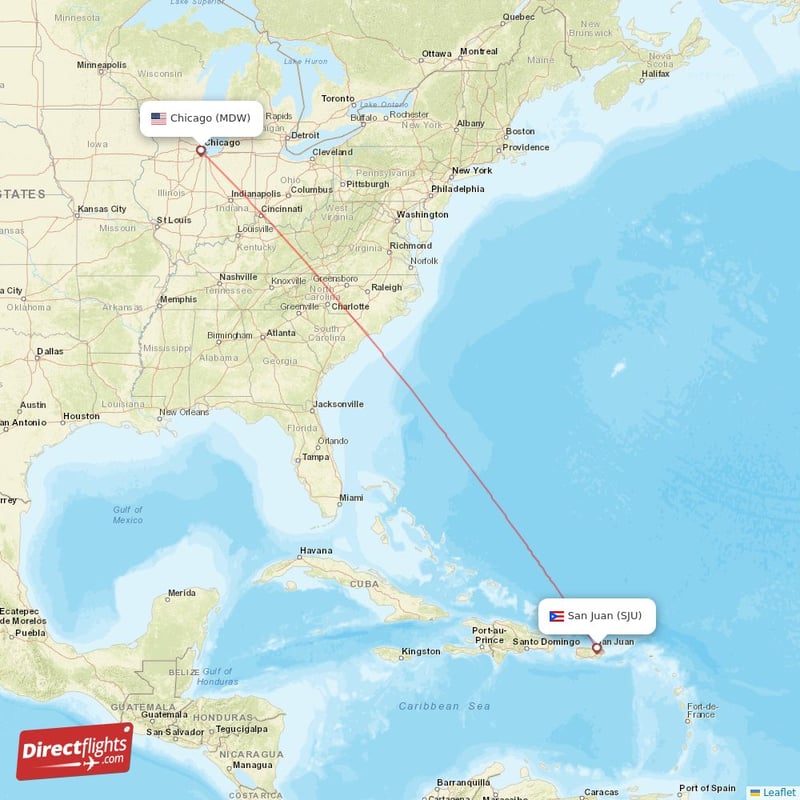
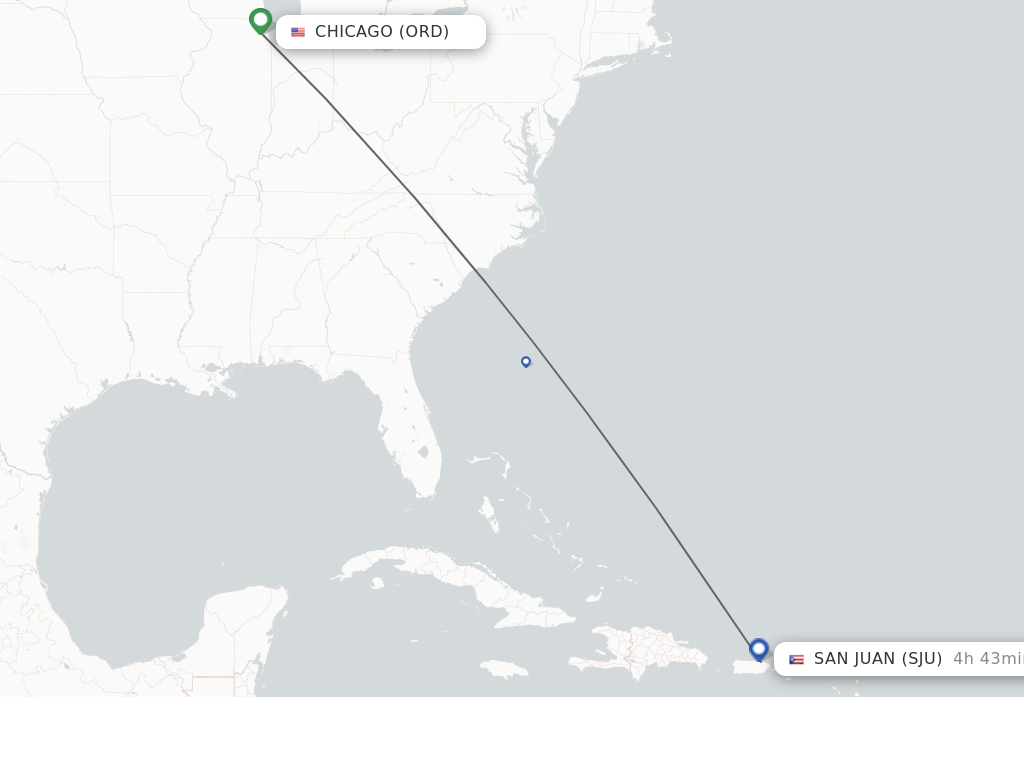
A direct flight from Chicago (O’Hare International Airport or Midway International Airport) to Luis Muñoz Marín International Airport (SJU) in San Juan, Puerto Rico, typically ranges from 4 hours and 30 minutes to 5 hours and 30 minutes. This duration accounts for the distance of approximately 2,050 miles (3,300 kilometers) separating the two points. The specific time can vary slightly based on the airline, the particular flight path taken, and the type of aircraft used. For instance, newer, more efficient aircraft might offer slightly faster travel times.
Factors Influencing Direct Flight Times
While the stated duration provides a good estimate, several elements can subtly alter the actual time spent in the air:
- Wind Speed and Direction: Tailwinds can significantly reduce flight times, pushing the aircraft faster, while headwinds can increase them. Transatlantic and transcontinental flights are particularly susceptible to these atmospheric influences.
- Air Traffic Control (ATC) Delays: Congestion in the airspace around major hubs like Chicago or near the destination airport in San Juan can lead to holding patterns or ground delays, adding minutes to the journey.
- Aircraft Type: Different aircraft models have varying cruising speeds. A Boeing 737, a common narrow-body aircraft for this route, will have a slightly different performance profile than, say, an Airbus A320.
- Flight Path Optimization: Airlines continuously optimize flight paths for fuel efficiency and speed, taking into account weather patterns and restricted airspace. Minor deviations can impact overall duration.
- Gate to Gate vs. Air Time: The published flight time usually refers to “block time,” which includes taxiing to the runway, actual flight, and taxiing to the gate upon arrival. Actual “air time” might be slightly less than the total block time.
Navigating Connecting Flights: Adding Time and Options
Direct flights, while ideal, are not always the most economical or readily available option. Most travelers from Chicago to Puerto Rico will likely encounter connecting flights, which introduce additional considerations regarding total travel time.
Common Layover Cities and Their Impact
Major airline hubs across the continental United States serve as primary connection points for flights heading to Puerto Rico. Popular layover cities include:
- Miami, Florida (MIA): A major gateway to the Caribbean, connecting through Miami is very common.
- Orlando, Florida (MCO): Another frequently used hub in Florida.
- Fort Lauderdale, Florida (FLL): Also a significant hub for low-cost carriers.
- Atlanta, Georgia (ATL): Delta Air Lines‘ main hub, offering numerous connections.
- Charlotte, North Carolina (CLT): A key hub for American Airlines.
- New York (JFK/LGA/EWR): Various New York airports serve as connection points, especially for JetBlue Airways and United Airlines.
The layover city dictates the duration of the second leg of your flight. For instance, a connection in Miami will have a shorter subsequent flight to San Juan (around 2.5-3 hours) compared to one in Atlanta (around 3.5-4 hours).
Calculating Total Travel Time with Layovers
When booking a connecting flight, the total travel time can vary significantly. This includes:
- First Leg Flight Time: The duration of the flight from Chicago to your layover city (e.g., Chicago to Miami is roughly 2.5-3 hours).
- Layover Duration: This is the most variable component, ranging from a quick 45-minute sprint through the airport to several hours, or even an overnight stay. Airlines typically recommend at least 1.5 to 2 hours for connections, especially in larger, busier airports, to account for potential delays and terminal changes.
- Second Leg Flight Time: The duration of the flight from your layover city to San Juan.
Consequently, the total travel time for a connecting flight from Chicago to Puerto Rico can range from 7 hours to 10+ hours, depending heavily on the length of the layover. While longer layovers can be cumbersome, they sometimes offer opportunities to stretch your legs, grab a meal, or even explore a city briefly if the layover is significantly extended.
Advantages and Disadvantages of Connecting Flights
Advantages:
- More Flight Options: Connecting flights offer a wider array of departure times and airlines, providing greater flexibility.
- Potentially Lower Fares: Often, connecting flights are more affordable than direct routes due to increased competition and variable demand.
- Opportunity for Breaks: A longer layover can be a welcome break from sitting, allowing travelers to walk around, eat, or catch up on work.
Disadvantages:
- Increased Travel Time: The most obvious drawback is the extended overall journey duration.
- Risk of Missed Connections: Delays on the first leg can lead to missed connections, causing stress and further delays.
- Luggage Handling: While rare, there’s a slightly higher chance of luggage being mishandled or delayed when transferring between flights.
Airlines and Departure Points: Your Choices from Chicago
Chicago is a major aviation hub, offering numerous options for travelers bound for Puerto Rico. Understanding which airlines operate these routes and from which airport can streamline your booking process.
Major Airlines Offering Routes to San Juan
Several major carriers facilitate travel from Chicago to Puerto Rico, predominantly flying into San Juan’s Luis Muñoz Marín International Airport. These include:
- United Airlines: Often provides direct flights from O’Hare International Airport, as well as connecting options through hubs like New York (EWR) or Houston.
- American Airlines: Also offers direct service from O’Hare International Airport, with extensive connecting routes via Miami, Charlotte, or Dallas.
- Southwest Airlines: Operates primarily from Midway International Airport, with connecting flights often through Orlando, Fort Lauderdale, or Baltimore.
- Spirit Airlines: A budget-friendly option from O’Hare International Airport, typically with connections in Fort Lauderdale or Orlando.
- JetBlue Airways: While not always direct from Chicago, JetBlue Airways offers strong connections to Puerto Rico through their New York (JFK) or Boston hubs.
O’Hare International Airport vs. Midway International Airport
Chicago is served by two major airports, each with its own advantages:
- O’Hare International Airport (ORD): As one of the world’s busiest airports, ORD offers the widest range of airlines and flight options, including most direct flights to Puerto Rico. It’s generally preferred for long-haul and international travel.
- Midway International Airport (MDW): Smaller and closer to downtown Chicago, MDW is primarily a hub for Southwest Airlines and other low-cost carriers. While it may not offer direct flights to Puerto Rico, it provides convenient connecting options, often with competitive pricing.
When choosing your departure airport, consider your proximity to each, transportation costs, and the specific airline preferences.
Best Times to Book and Travel
Flight prices and availability are heavily influenced by demand. Generally, booking 2-3 months in advance can yield better fares, especially for peak travel seasons like winter holidays, spring break, and summer. Traveling during the shoulder seasons (late spring/early summer or early fall) can offer a balance of good weather and fewer crowds, potentially translating to more affordable flights. Weekday flights (Tuesday, Wednesday, Saturday) are often cheaper than weekend travel.
Preparing for the Journey: Comfort and Logistics for a Mid-Haul Flight
A flight of 4.5 to 10 hours falls into the “mid-haul” category, long enough to warrant careful preparation for comfort and efficiency.
In-Flight Amenities and Services
Most airlines operating this route will offer a range of services:
- In-Flight Entertainment: Movies, TV shows, music, and games are standard on longer flights. Consider downloading content to your personal devices as a backup.
- Wi-Fi Connectivity: Available on many flights for a fee, allowing you to stay connected (though often slower than ground-based internet).
- Meal Service: On direct flights or longer connecting legs, a complimentary meal or snack service might be offered, especially by full-service carriers. Budget airlines typically offer buy-on-board options.
- Comfort Items: Pillows and blankets might be available, especially in premium cabins. Bringing your own neck pillow and a light blanket or shawl can significantly enhance comfort.
Packing Essentials for a Longer Flight
Thoughtful packing can make a world of difference:
- Comfortable Clothing: Wear loose-fitting, layered clothing to adjust to temperature fluctuations in the cabin.
- Hydration: Bring an empty reusable water bottle to fill after security. Staying hydrated is crucial on longer flights.
- Snacks: Pack some healthy snacks to avoid reliance on airline food and manage hunger.
- Entertainment: Besides the airline’s offerings, bring books, magazines, or fully charged devices with headphones.
- Personal Care Items: Hand sanitizer, lip balm, moisturizer, and a toothbrush/toothpaste for freshening up.
- Travel Documents: Keep your ID, boarding passes, and any necessary travel documents easily accessible.
Managing Time Zones and Jet Lag
Puerto Rico operates on Atlantic Standard Time (AST), which is one hour ahead of Eastern Standard Time (EST) and two hours ahead of Central Standard Time (CST), where Chicago is located. This means a 2-hour time difference (e.g., 10 AM in Chicago is 12 PM in Puerto Rico).
While this isn’t a massive time zone shift, some individuals may experience mild jet lag. To minimize its effects:
- Adjust your sleep schedule slightly a few days before departure.
- Stay hydrated and avoid excessive caffeine or alcohol.
- Try to acclimate to local time as soon as you arrive, exposing yourself to natural light.
Arrival at Luis Muñoz Marín International Airport: What to Expect Post-Flight
Upon landing at Luis Muñoz Marín International Airport (SJU) in San Juan, your travel journey seamlessly transitions to the vibrant island experience.
Immigration and Customs
Since Puerto Rico is a U.S. territory, domestic flights from Chicago do not require passengers to go through immigration or customs upon arrival in San Juan. This significantly speeds up the deplaning and exit process compared to international travel. You will simply proceed to baggage claim and then to ground transportation.
Ground Transportation Options
SJU offers a variety of transportation options to get you to your final destination:
- Taxis: Readily available outside the terminals. Fixed rates apply to popular tourist zones like Old San Juan, Condado, and Isla Verde.
- Ride-Sharing Services: Uber and Lyft operate efficiently at SJU, offering competitive pricing and convenience.
- Rental Cars: Numerous rental car agencies have counters at the airport, ideal for travelers planning to explore areas beyond San Juan, such as Dorado, Fajardo, or Ponce. Booking in advance is highly recommended.
- Public Transportation: While less convenient for tourists, local buses (TUA) serve various routes from the airport.
- Hotel Shuttles: Many hotels in the immediate vicinity of San Juan offer complimentary shuttle services.

Getting to Your Puerto Rico Destination
The distance and time from SJU to popular destinations vary:
- Isla Verde: Approximately 5-10 minutes, often walkable from airport hotels.
- Condado: Roughly 10-15 minutes by car.
- Old San Juan: About 15-20 minutes by car.
- Dorado: Around 30-45 minutes.
- Fajardo (for ferry to Vieques or Culebra): Approximately 1 hour.
- Ponce: About 1.5-2 hours.
- Aguadilla (BQN – another major airport, often considered for direct flights from specific US cities, but less common from Chicago): Around 2-2.5 hours.
Knowing your final destination in Puerto Rico will help you select the most efficient post-flight transportation, marking the successful culmination of your journey from Chicago to the vibrant heart of the Caribbean.
LifeOutOfTheBox is a participant in the Amazon Services LLC Associates Program, an affiliate advertising program designed to provide a means for sites to earn advertising fees by advertising and linking to Amazon.com. Amazon, the Amazon logo, AmazonSupply, and the AmazonSupply logo are trademarks of Amazon.com, Inc. or its affiliates. As an Amazon Associate we earn affiliate commissions from qualifying purchases.