
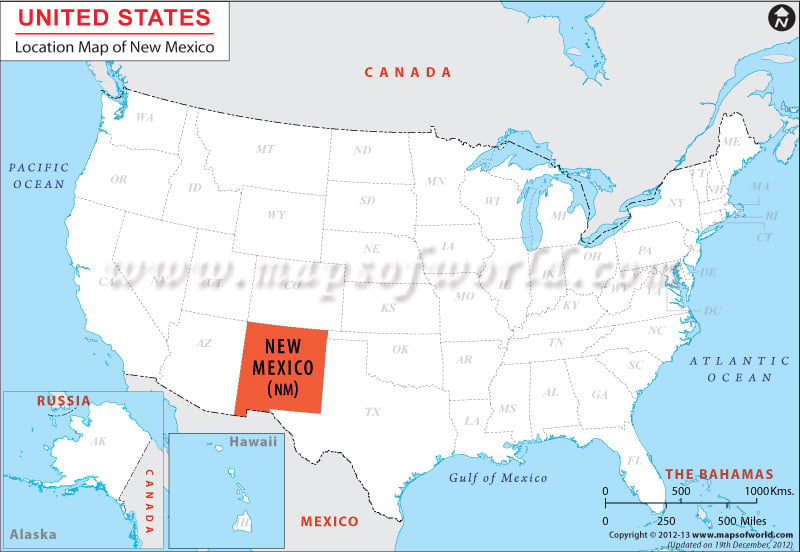
New Mexico, the “Land of Enchantment,” beckons with its unique blend of ancient cultures, breathtaking landscapes, and vibrant artistic communities. But for many, the question isn’t just about why to visit, but how far they truly are from experiencing its magic. This exploration delves into the geographical and experiential distances to New Mexico, offering insights for travelers planning their journey to this captivating American Southwest state. Whether you’re contemplating a cross-country road trip from the East Coast, a flight from the West, or even an international adventure, understanding the distance is the first step towards an unforgettable exploration.

Bridging the Miles: Understanding Your Journey
The literal distance to New Mexico can vary dramatically depending on your starting point. However, the “distance” also encompasses the planning, the anticipation, and the diverse ways one can traverse the miles to reach its borders. This section addresses the practicalities of reaching New Mexico, considering various modes of transportation and the time investment involved.
Navigating the Continental Divide: Driving Distances
For those who prefer the freedom of the open road, driving to New Mexico offers a quintessential American travel experience. The vastness of the country means that drive times are substantial, but they also provide opportunities to witness the diverse tapestry of the United States.
- From the East Coast: A drive from cities like New York City, Washington D.C., or Boston to central New Mexico, such as Albuquerque, can range from 28 to 35 hours of pure driving time. This typically translates to a 3 to 5-day journey, depending on your pace and willingness to drive long hours each day. Key routes often involve major interstates like I-40, which cuts directly across the country, offering glimpses of states like Pennsylvania, Ohio, Illinois, Missouri, Oklahoma, and Texas. Planning for overnight stops in cities like Nashville, Oklahoma City, or Amarillo is crucial for a comfortable and safe trip.
- From the Midwest: Travelers originating from the Midwest, say Chicago or Minneapolis, will find their journey to New Mexico slightly shorter. Driving to Santa Fe, for instance, might take around 17 to 22 hours. This can be comfortably managed in a 2 to 3-day drive, with potential stops in states like Kansas or Colorado. The route can offer a change in scenery from the rolling plains to the foothills of the Rocky Mountains.
- From the West Coast: For those on the Pacific shores, the drive to New Mexico is significantly more manageable. From Los Angeles, reaching Albuquerque is approximately a 12 to 14-hour drive. This can be completed in a single, long day or broken down into a relaxed two-day excursion, perhaps with an overnight stay in Las Vegas, Nevada, or a scenic stop along Historic Route 66 in Arizona. The transition from the desert landscapes of California and Arizona to the high desert of New Mexico is a captivating part of this journey.
- From the Pacific Northwest: From Seattle or Portland, the drive to New Mexico is a considerable undertaking, likely exceeding 20 hours of driving. This would necessitate at least a 3-day trip, potentially passing through states like Oregon, Idaho, Utah, and Colorado. The varied topography, from mountainous passes to expansive high desert, makes this a visually rewarding, albeit lengthy, drive.
Soaring to the Land of Enchantment: Air Travel
For many, the most practical way to cover the distance to New Mexico is by air. Modern airports and extensive flight networks make it possible to reach the state from almost anywhere in the world, dramatically reducing travel time.
- Major Airports and Connectivity: The primary gateway to New Mexico is Albuquerque International Sunport (ABQ), which serves as a hub for major airlines offering direct and connecting flights from numerous domestic and international cities. Other airports, such as El Paso International Airport (ELP) (serving southern New Mexico), Santa Fe Municipal Airport (SAF) (offering limited direct flights but a charming arrival experience), and Doña Ana County Airport (DNA), also facilitate travel.
- Flight Durations:
- From the East Coast (e.g., NYC, Boston): Direct flights to Albuquerque typically range from 4.5 to 5.5 hours. Connecting flights can extend this to 6-9 hours depending on layover times and locations.
- From the Midwest (e.g., Chicago): Direct flights are less common, but connecting flights usually take around 3.5 to 5 hours of flight time, plus layover.
- From the West Coast (e.g., Los Angeles, San Francisco): Direct flights to Albuquerque are plentiful and short, often ranging from 1.5 to 2.5 hours.
- From the Pacific Northwest (e.g., Seattle, Portland): Direct flights are rare, with most journeys involving a connection. Total flight time, including layovers, typically falls between 4 to 7 hours.
- International Travel: Travelers from overseas will likely connect through major U.S. hubs like Dallas/Fort Worth, Denver, or Phoenix before their onward flight to Albuquerque. Total travel time, including international flights and layovers, can range from 12 to 20+ hours depending on the origin and connectivity.
Beyond the Miles: Experiential Distance
The “distance” to New Mexico is also measured in cultural immersion and the depth of experience one seeks. While geographical distance can be quantified, the true journey involves engaging with the unique spirit of the state.
- Cultural Immersion: New Mexico’s rich tapestry of Native American heritage, Hispanic traditions, and burgeoning arts scene means that understanding this cultural distance requires an open mind and a willingness to explore. This isn’t about miles, but about embracing the stories embedded in the ancient pueblos like Acoma Pueblo, the vibrant culinary traditions found in Santa Fe’s renowned restaurants, and the artistic expressions that fill galleries in Taos.
- Natural Wonders: The state boasts awe-inspiring natural beauty, from the otherworldly landscapes of White Sands National Park to the dramatic canyons of Bandelier National Monument and the geological marvels of Carlsbad Caverns National Park. Experiencing these natural wonders requires a commitment to exploration, often involving hiking, scenic drives, and dedicated time to appreciate their grandeur. The distance here is measured in the effort to reach these remote and breathtaking locations and the time spent absorbing their unique ecosystems.
- Historical Exploration: New Mexico’s history is deeply layered, stretching back to ancient civilizations and Spanish colonial times. Visiting historical sites like the Palace of the Governors in Santa Fe or the petroglyphs at Petroglyph National Monument involves traversing not just physical space but also the temporal distance, connecting with the lives and events that shaped this land.
Preparing for the Journey: Planning Your New Mexico Adventure
Understanding “how far” is only the beginning. Effective planning is key to making the most of your journey, whether you’re driving across the country or flying in for a week-long exploration. This section focuses on practical advice for travelers heading to New Mexico.
Logistics of Arrival
The practicalities of reaching your final destination within New Mexico often involve more than just getting to the state’s borders.
- Rental Cars: If you fly into Albuquerque or another major airport, a rental car is almost essential for exploring New Mexico at your own pace. Distances between attractions can be significant, and public transportation outside of major cities is limited. Booking your rental car in advance is highly recommended, especially during peak travel seasons.
- Navigating Within Cities: While larger cities like Albuquerque have some public transport options, many of New Mexico’s most iconic experiences are best accessed with a personal vehicle. This includes venturing to the art colonies of Taos, the historic plazas of Santa Fe, or the natural wonders scattered across the state.
- Time Zone Considerations: New Mexico observes Mountain Time (MT). This is important for flight bookings, itinerary planning, and coordinating with local contacts.
Packing Essentials for the Enchantment
The “distance” to New Mexico also implies a need to prepare for its diverse climates and environments.
- Sun Protection: The high-altitude desert sun is intense, even in cooler months. Pack sunscreen, hats, sunglasses, and lip balm with SPF.
- Layering is Key: New Mexico’s weather can be unpredictable. Days can be warm, while evenings can become quite cool, especially at higher elevations like Santa Fe and Taos. Packing layers of clothing – t-shirts, long-sleeved shirts, sweaters, and a jacket – is crucial for comfort.
- Comfortable Footwear: You’ll likely be doing a lot of walking, whether exploring historic plazas, hiking in national parks, or wandering through art galleries. Comfortable, broken-in walking shoes are a must.
- Hydration: The arid climate means staying hydrated is paramount. Carry a reusable water bottle and refill it frequently.
- Camera: New Mexico offers unparalleled photographic opportunities, from its vibrant landscapes to its rich cultural heritage.
Embracing the Destination: What Lies Beyond the Miles
Once you’ve bridged the geographical distance, the true rewards of New Mexico unfold. This section highlights what awaits visitors, encouraging a deeper engagement with the state’s offerings.
Cultural Tapestry and Artistic Expression
New Mexico’s distance from mainstream cultural trends is precisely what preserves its unique identity.
- Native American Heritage: The state is home to 23 federally recognized Native American Pueblos, each with its own distinct language, traditions, and history. Visiting sites like Acoma Pueblo, perched dramatically atop a mesa, or experiencing a traditional feast day offers a profound connection to this ancient heritage.
- Hispanic Culture and Cuisine: The influence of Spanish colonization is evident throughout New Mexico, from its architecture to its language and, most famously, its food. Explore the bustling farmers’ markets, sample traditional dishes like enchiladas and tamales, and savor the unique flavors of red and green chile. Cities like Las Cruces are particularly known for their Tex-Mex and New Mexican culinary scene.
- The Art Colonies: Santa Fe and Taos are world-renowned artistic hubs, attracting painters, sculptors, and artisans for generations. Wander through Canyon Road in Santa Fe, home to over a hundred galleries, or explore the historic studios and galleries in Taos. The Georgia O’Keeffe Museum in Santa Fe is a must-visit for art enthusiasts.
Landscapes of Awe and Adventure
The natural “distance” you’ll travel within New Mexico is immense, offering a diverse range of breathtaking scenery.
- High Desert Vistas: The characteristic landscape of New Mexico is the high desert, characterized by its arid beauty, sagebrush, piñon pines, and dramatic rock formations. White Sands National Park, with its undulating gypsum dunes, is a surreal and unforgettable experience.
- Mountain Majesty: The northern part of the state is home to the southern Rocky Mountains, offering opportunities for hiking, skiing, and scenic drives. The Sangre de Cristo Mountains provide a stunning backdrop to towns like Taos and Santa Fe.
- Canyons and Caves: Explore the immense geological wonders of Carlsbad Caverns National Park, a subterranean world of stunning stalactites and stalagmites. The rugged beauty of Gila Cliff Dwellings National Monument offers a glimpse into the lives of ancient peoples.
- The Enchanted Circle: This scenic byway in northern New Mexico is a 84-mile loop that showcases some of the state’s most spectacular mountain scenery, including views of the Taos Pueblo and Pecos National Historical Park.
Exploring Iconic New Mexico
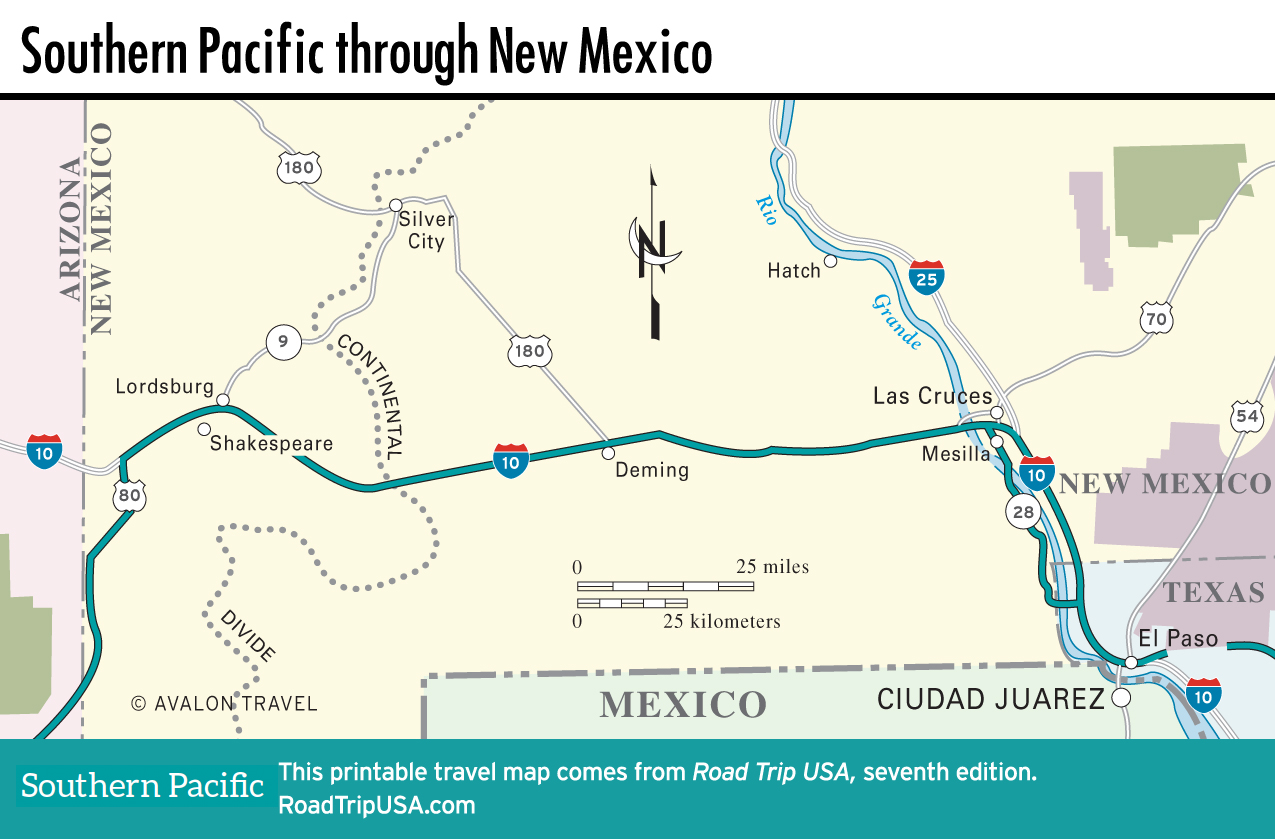
The question of “how far” also leads to iconic landmarks and destinations within the state, each offering a distinct New Mexican experience.
- Santa Fe: The state capital is a feast for the senses, renowned for its historic Plaza, adobe architecture, vibrant art scene, and exceptional culinary offerings. It’s a city that embodies the New Mexican spirit.
- Taos: Famous for its Taos Pueblo, a UNESCO World Heritage site, and its thriving art community, Taos offers a blend of ancient traditions and contemporary creativity.
- Albuquerque: As the state’s largest city, Albuquerque is a gateway to New Mexico’s diverse attractions. It’s known for its International Balloon Fiesta, its historic Old Town, and its role in Breaking Bad. The Sandia Peak Tramway offers stunning views of the city and surrounding landscape.
- White Sands National Park: A truly unique destination, this park features the world’s largest gypsum dune field, creating a surreal, otherworldly landscape.
The distance to New Mexico, whether measured in miles or in the depth of cultural and natural immersion, is a journey well worth undertaking. It’s a destination that rewards the curious, the adventurous, and those seeking an experience that transcends the ordinary.
LifeOutOfTheBox is a participant in the Amazon Services LLC Associates Program, an affiliate advertising program designed to provide a means for sites to earn advertising fees by advertising and linking to Amazon.com. Amazon, the Amazon logo, AmazonSupply, and the AmazonSupply logo are trademarks of Amazon.com, Inc. or its affiliates. As an Amazon Associate we earn affiliate commissions from qualifying purchases.