
While the world-famous Las Vegas Strip offers an unparalleled concentration of entertainment, neon lights, and luxury, the true essence of Southern Nevada lies just beyond the city limits. Tourism in this region has evolved significantly over the last decade, transitioning from a singular focus on the casino floor to a multi-faceted exploration of the high desert. Visitors who venture outside the metropolitan core of Las Vegas will discover a landscape defined by dramatic geology, ancient history, and engineering marvels. This guide explores the most compelling activities and cultural sites situated in the orbit of the “Entertainment Capital of the World,” providing essential tips for a well-rounded desert experience.
Natural Wonders and Outdoor Adventures
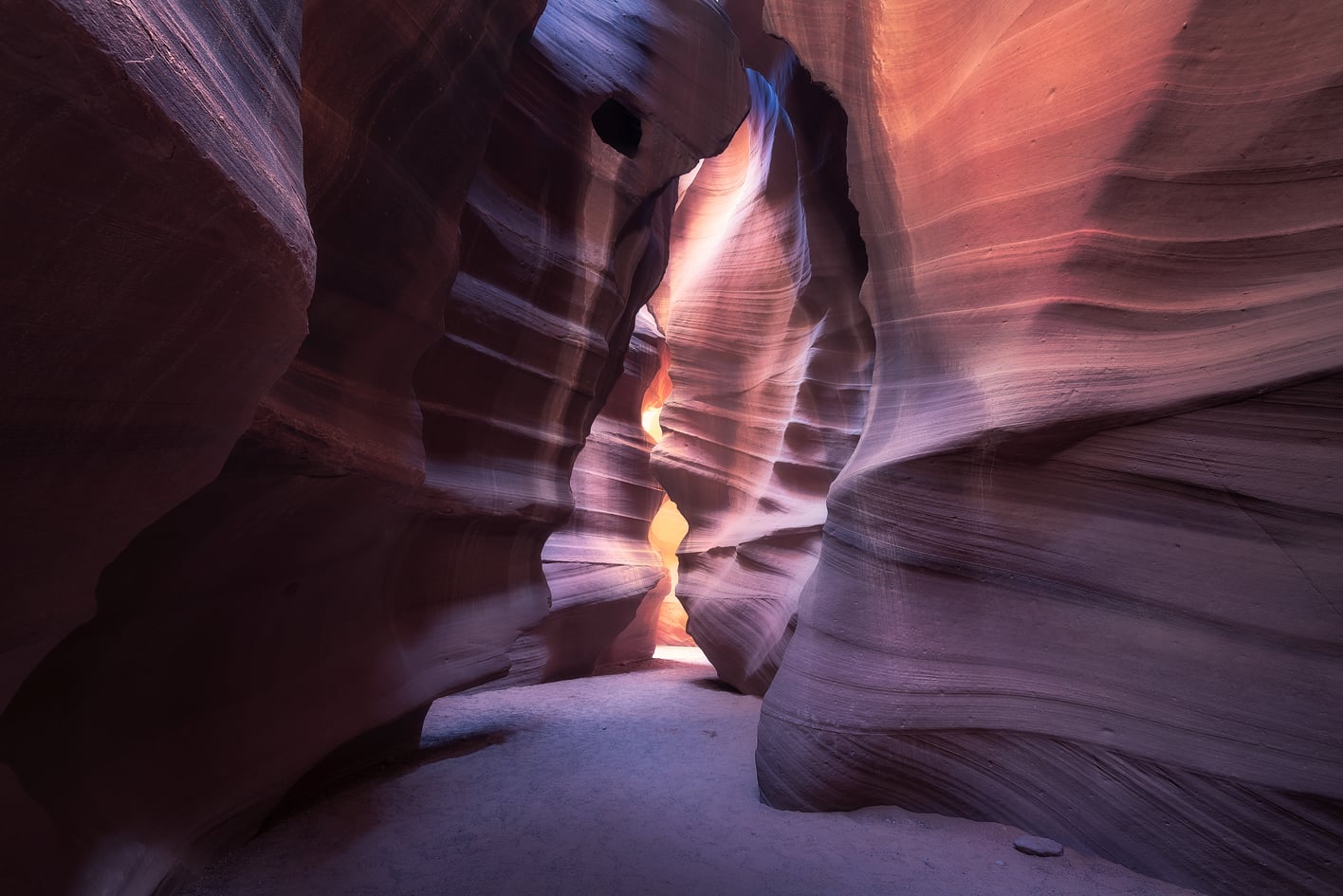
The Mojave Desert is a place of stark, haunting beauty. To understand the local culture of Nevada, one must appreciate the rugged terrain that surrounds the city. Outdoor recreation is a cornerstone of the local lifestyle, with world-class hiking, climbing, and sightseeing located less than an hour from the major resorts.
Red Rock Canyon National Conservation Area
Located a short drive west of Summerlin, the Red Rock Canyon National Conservation Area is perhaps the most accessible natural escape for tourists. This protected area is famous for its towering red sandstone peaks and the Keystone Thrust, a geological fault where older limestone was pushed over younger sandstone. The 13-mile scenic loop is perfect for those who prefer sightseeing from a vehicle, but the real magic happens on the trails. Hikers should explore Ice Box Canyon for its seasonal waterfalls or Calico Tanks for a panoramic view of the distant city skyline. For those interested in local fauna, keep an eye out for desert tortoises and bighorn sheep.
Valley of Fire State Park
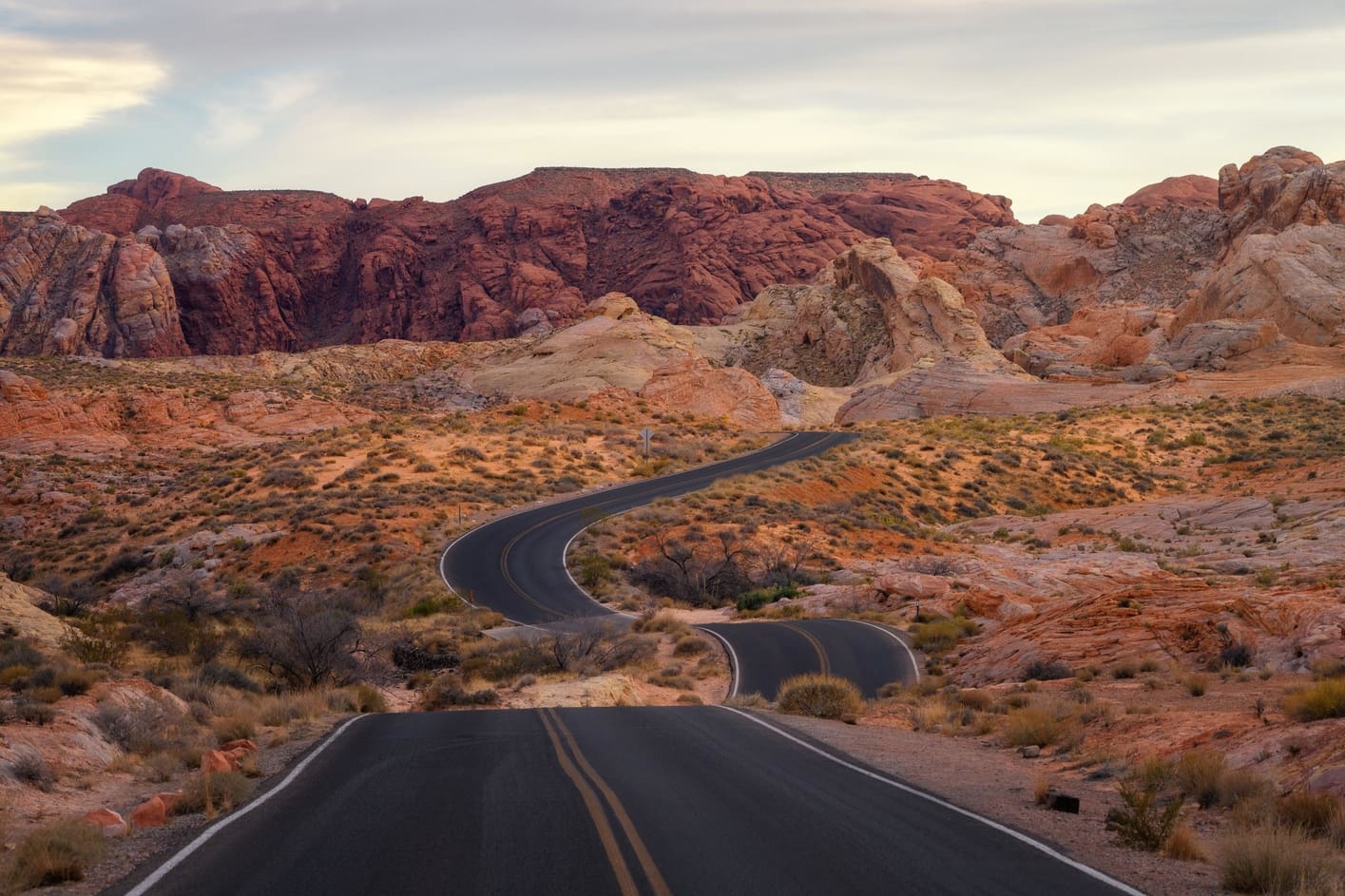
Often described as looking like the surface of Mars, Valley of Fire State Park is Nevada’s oldest and largest state park. Located roughly 50 miles northeast of the city, it features stunning Aztec Sandstone formations that appear to be on fire when reflecting the sun’s rays. Key sights include the Fire Wave, a striped sandstone formation, and Atlatl Rock, which contains ancient petroglyphs carved by the Ancestral Puebloans thousands of years ago. It is a premier location for photography and offers a deep dive into the prehistoric human history of the region.
Mount Charleston and the Spring Mountains
When the desert heat becomes too intense, locals head to Mount Charleston in the Spring Mountains National Recreation Area. At over 11,000 feet, this alpine environment is often 20 to 30 degrees cooler than the valley floor. In the winter, tourists can visit Lee Canyon for skiing and snowboarding, while the summer months offer lush green trails through ponderosa pines. This stark contrast between the desert floor and the mountain peaks highlights the ecological diversity of the United States Southwest.
Iconic Engineering and Historical Landmarks
The development of Las Vegas was made possible by massive infrastructure projects that tamed the Colorado River. Exploring these landmarks provides insight into the mid-20th-century history of the country and the monumental effort required to build a city in such an arid climate.
Hoover Dam and the Mike O’Callaghan–Pat Tillman Memorial Bridge
The Hoover Dam remains one of the most significant engineering feats in human history. Completed in 1936, it creates Lake Mead, the largest reservoir in the country by capacity. Visitors can take guided tours into the heart of the dam to see the massive turbines or walk across the top for views of the Black Canyon. For a different perspective, the Mike O’Callaghan–Pat Tillman Memorial Bridge offers a pedestrian walkway nearly 900 feet above the river, providing the best vantage point for photos of the dam’s face.
Boulder City: The Town That Built the Dam
Unlike its neighbors, Boulder City is one of only two cities in Nevada that prohibits gambling. Founded to house workers during the construction of the Hoover Dam, it retains a charming, historic feel. Tourists can stroll through the Boulder City Historic District, visit the Boulder Dam Hotel, and enjoy local diners and antique shops. It provides a quiet, nostalgic contrast to the high-energy atmosphere of the Las Vegas resorts.
Lake Mead National Recreation Area
Surrounding the waters of the Colorado River, the Lake Mead National Recreation Area offers a variety of water-based activities. Boating, fishing, and kayaking are popular pastimes. One of the more unique experiences is kayaking from Willow Beach up to Emerald Cove, where the water glows a vibrant green under the right lighting conditions. The area is also home to various hot springs, such as Arizona Hot Springs, which can be reached via a moderately challenging hike.
Day Trips to Iconic Grand Landscapes
Las Vegas serves as a strategic hub for visiting some of the most famous national parks in North America. While these destinations require a full day of travel, the experience of seeing these geological wonders is a highlight for many visitors.
Grand Canyon National Park
The Grand Canyon National Park is a bucket-list destination located in Arizona. From Las Vegas, tourists have two main options. The Grand Canyon West, located on the Hualapai Indian Reservation, is about two hours away and features the Grand Canyon Skywalk, a glass-bottomed bridge extending over the rim. Alternatively, the South Rim is a four-hour drive but offers the classic, expansive vistas seen in documentaries. Helicopter tours departing from Henderson Executive Airport provide a quicker, albeit more expensive, way to see the canyon from above.
Death Valley National Park
Crossing the border into California, Death Valley National Park is a land of extremes. It holds the record for the hottest temperature ever recorded on Earth and contains Badwater Basin, the lowest point in North America. Despite its name, the park is teeming with life and features diverse landscapes, from the salt flats to the Mesquite Flat Sand Dunes and the colorful hills of Artist’s Drive. Visiting in the winter or early spring is highly recommended to avoid dangerous heat levels.
Zion National Park
A few hours to the northeast in Utah, Zion National Park offers a different aesthetic of red rock beauty. Known for its massive cream, pink, and red sandstone cliffs, the park is a hiker’s paradise. Famous routes include Angels Landing, which offers dizzying heights and spectacular views, and The Narrows, where visitors hike directly in the Virgin River through a slot canyon. Because of its popularity, the park often requires a shuttle system to manage tourist flow during peak season.
Local Culture and Off-Strip Experiences
To truly engage with Las Vegas tourism, one must look at the cultural projects and historical sites that define the city’s identity outside of the gaming industry. The local arts scene and historical preservation efforts offer a more nuanced look at the desert metropolis.
The Neon Museum and The Mob Museum
Located in Downtown Las Vegas, the Neon Museum is a “boneyard” of retired hotel signs that tells the story of the city’s visual evolution. Walking through the collection of vintage neon is like traveling back in time to the era of Frank Sinatra and the Rat Pack. Nearby, The Mob Museum, officially known as the National Museum of Organized Crime and Law Enforcement, provides a gritty and detailed look at the influence of organized crime on the city’s development and the eventual rise of corporate ownership.
Seven Magic Mountains
A more contemporary addition to the desert landscape is Seven Magic Mountains by Swiss artist Ugo Rondinone. Located about 10 miles south of the city along Interstate 15, this public art installation consists of seven towers of colorful, stacked boulders standing more than thirty feet high. It serves as a creative bridge between the natural desert and the artificiality of the city, becoming one of the most photographed spots in the region.
Springs Preserve
For those interested in sustainability and botany, the Springs Preserve is an award-winning attraction built around the original water source for the city. It features the Nevada State Museum, botanical gardens, and interactive exhibits on desert living. It is an excellent destination for families and anyone looking to understand how a massive city manages its resources in the middle of the Mojave Desert.
Essential Tips for Southern Nevada Tourism
Visiting the areas around Las Vegas requires more preparation than a standard trip to the city center. The environment is beautiful but can be unforgiving for the unprepared.
Transportation and Logistics
While rideshare services like Uber and Lyft are plentiful within the city, they are not practical for exploring the outskirts. Renting a vehicle from Harry Reid International Airport is highly recommended for those planning day trips to Red Rock Canyon or Valley of Fire. Visitors should also be aware that many national parks and conservation areas now require advanced reservations or timed-entry permits, especially during the busy spring and fall seasons.
Seasonal Considerations and Climate
Climate is the most critical factor in planning activities around Las Vegas. The summer months (June through August) regularly see temperatures exceeding 100 degrees Fahrenheit, making mid-day hiking dangerous. If visiting during the summer, outdoor activities should be concluded by 10:00 AM. Conversely, the winter months can be surprisingly cold, especially in high-altitude areas like Mount Charleston or the Grand Canyon. Layered clothing is essential for any desert excursion.
Sustainable Tourism and Safety
When exploring the natural areas of Nevada, it is imperative to follow “Leave No Trace” principles. The desert ecosystem is fragile; footprints and tire tracks can last for decades. Additionally, hydration is paramount. Tourism experts recommend carrying at least one gallon of water per person per day when hiking. Cell service can be spotty once you leave the Las Vegas Valley, so downloading offline maps or carrying a physical map is a wise precaution for those heading into the deeper wilderness of the Mojave Desert.
LifeOutOfTheBox is a participant in the Amazon Services LLC Associates Program, an affiliate advertising program designed to provide a means for sites to earn advertising fees by advertising and linking to Amazon.com. Amazon, the Amazon logo, AmazonSupply, and the AmazonSupply logo are trademarks of Amazon.com, Inc. or its affiliates. As an Amazon Associate we earn affiliate commissions from qualifying purchases.