
Planning a trip to the Crescent City requires more than just checking a map; it requires an understanding of the geography, the transit options, and the sheer cultural magnetism of New Orleans. Whether you are driving across the flat, pine-studded landscapes of the American South or flying into the bustling hub of the Louis Armstrong New Orleans International Airport, the journey is often as much a part of the experience as the destination itself.
Navigating the Map: Proximity and Logistics
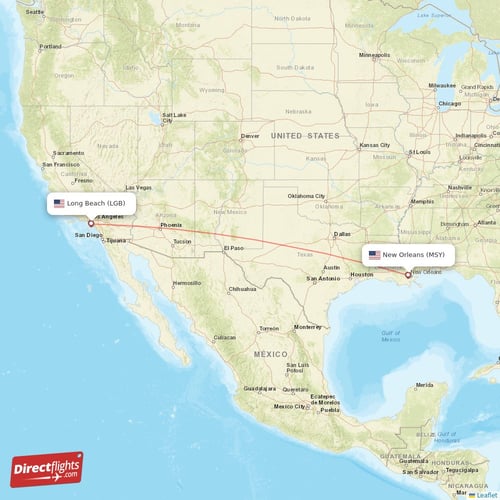
Calculating the distance to this storied metropolis depends entirely on your starting point and your preferred mode of travel. While the city sits firmly on the banks of the Mississippi River in Louisiana, its connectivity to the rest of the United States is facilitated by major interstate arteries and a robust network of domestic flights.

Driving Times from Major Hubs
If you are road-tripping, the time it takes to reach your destination varies significantly. From Houston, Texas, the drive along Interstate 10 is a relatively straightforward five-to-six-hour stretch through the marshlands and coastal plains. If you are venturing from Atlanta, Georgia, prepare for a longer journey of approximately seven to eight hours. For those traveling from the northern reaches, such as Chicago or St. Louis, the route becomes a multi-day expedition, allowing for scenic stops along the way through the heart of the country.
Flight Accessibility
For international and long-distance domestic travelers, flying remains the most efficient way to arrive. Major carriers connect the city to global gateways, ensuring that despite the “distance,” the city feels accessible. Upon landing, travelers are typically only a 20 to 30-minute shuttle or rideshare ride away from the historic core of the city.
Preparing for the Journey: Transit Tips
Once you have determined how far you are traveling, the next step is optimizing your transit experience. Moving into the Deep South requires specific considerations, especially regarding seasonality and local infrastructure.
Choosing the Right Season
The distance to the city is also measured in comfort. Traveling during the peak of summer can be taxing due to the high humidity, while visiting during the late spring or autumn offers a more temperate climate. Many travelers time their arrival to coincide with the New Orleans Jazz and Heritage Festival, meaning that regardless of the distance, you must book your transit and accommodation months in advance to secure a seamless arrival.
Navigating Local Transit
Once you arrive, the “distance” within the city is best navigated by foot, streetcar, or bicycle. The French Quarter is notoriously pedestrian-friendly, and the iconic St. Charles Avenue Streetcar provides a historic and affordable way to travel from the central business district toward the picturesque Garden District. You will find that once you arrive, the need for a private vehicle diminishes rapidly, as the city is designed for lingering rather than rushing.

Bridging the Gap: What Awaits Your Arrival
The question of “how far” often hides a deeper curiosity: is the journey worth the time invested? When traveling to a city with such a distinct soul, the distance matters little once you cross the threshold into the humid, jazz-filled air.
The Historic Charm
Upon reaching your destination, the architectural beauty of the Marigny and Bywater neighborhoods makes the travel time fade into memory. From the iron-wrought balconies of the Bourbon Street area to the solemn beauty of Lafayette Cemetery No. 1, the city offers a visual feast that rewards those who make the trek.
Culinary Landmarks
The proximity to the Gulf of Mexico ensures that the seafood is unparalleled. Whether you have traveled one hundred miles or two thousand, the first bite of a po’ boy or a bowl of gumbo at a local establishment like Café Du Monde confirms that your travel investment was well-placed. The city’s culinary scene is a testament to its history, blending French, Spanish, African, and Caribbean influences into something entirely unique.
Strategic Planning for the Long Haul
If you are planning an extended trip or moving through the region, consider how New Orleans serves as a pivot point for a broader Southern itinerary.
Expanding the Itinerary
For those who enjoy long-distance road trips, the city is an excellent anchor for a larger loop. A drive from Florida westward toward New Orleans offers a glimpse into the diverse ecology of the Southern United States. You might find yourself stopping in Mobile or Biloxi along the way, turning a standard transit day into a coastal exploration.
Essential Travel Documents and Logistics
Regardless of the distance, ensure your travel documents are in order, particularly if you are flying into the city from abroad. The United States Customs and Border Protection protocols at major airports can fluctuate in wait times, so always build a buffer into your arrival schedule. If you are driving, keep an eye on weather reports, as the regional climate can occasionally lead to sudden tropical rain events that impact highway visibility and traffic flow on Interstate 12.
Final Reflections on the Journey
Ultimately, measuring the distance to this city is a subjective exercise. You might be miles away on a map, but the “distance” to the spirit of the Crescent City is bridged the moment you hear the first notes of a trumpet echoing through the Jackson Square or smell the faint scent of chicory coffee on the morning breeze.
Whether you arrive by plane, train, or automobile, the reward is a city that refuses to be compared to any other in the world. As you map out your route and prepare for your departure, keep in mind that the best way to approach this destination is with an open itinerary and a willingness to let the city dictate your pace. Distance is merely a number; the cultural immersion that follows your arrival is the true measure of your journey. As you plan, ensure you have your accommodations settled near key transit hubs to minimize travel fatigue, allowing you to maximize your time exploring the deep, vibrant roots of this Louisiana icon.
LifeOutOfTheBox is a participant in the Amazon Services LLC Associates Program, an affiliate advertising program designed to provide a means for sites to earn advertising fees by advertising and linking to Amazon.com. Amazon, the Amazon logo, AmazonSupply, and the AmazonSupply logo are trademarks of Amazon.com, Inc. or its affiliates. As an Amazon Associate we earn affiliate commissions from qualifying purchases.