
When traveling to the vibrant state of Nevada, visitors often find themselves immersed in the bustling atmosphere of Las Vegas or exploring the historic charm of Virginia City. Amidst the excitement of world-class resorts, high-stakes casinos, and breathtaking natural wonders like Red Rock Canyon, it is easy to forget that local regulations governing communication and privacy can have significant implications for tourists and business travelers alike. One of the most common questions for those visiting the Silver State involves the legalities of recording conversations.
Understanding whether Nevada operates under a “one-party” or “two-party” consent law is essential for anyone looking to document their travels, conduct professional interviews, or capture memories during their stay.

Understanding One-Party vs. Two-Party Consent Laws
In the realm of privacy law, states are generally categorized by how they regulate the recording of electronic, oral, or wire communications. This distinction is vital for maintaining compliance with local statutes while enjoying your stay at premier destinations like the Bellagio Hotel or the Caesars Palace.
The Definition of Consent
Consent laws dictate whether you need the permission of all participants in a conversation to record it. A “two-party” (or “all-party”) consent state requires that every person involved in a communication must agree to the recording. Conversely, “one-party” consent laws allow an individual to record a conversation as long as they are a participant in that conversation, regardless of whether the other parties are aware of the recording.
Nevada’s Legal Standing
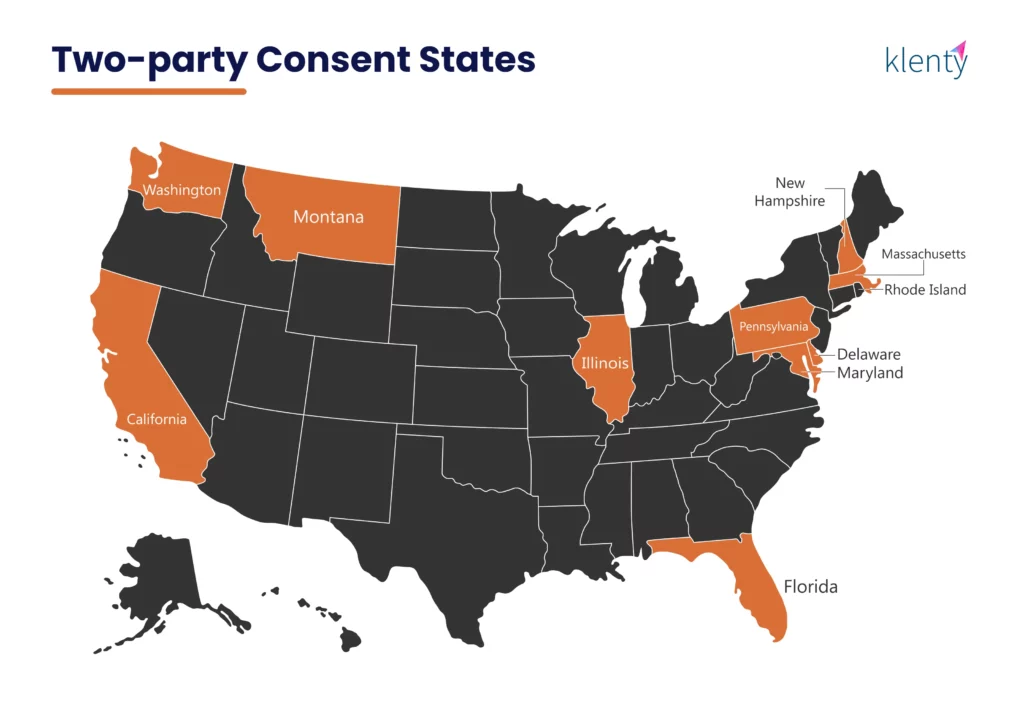
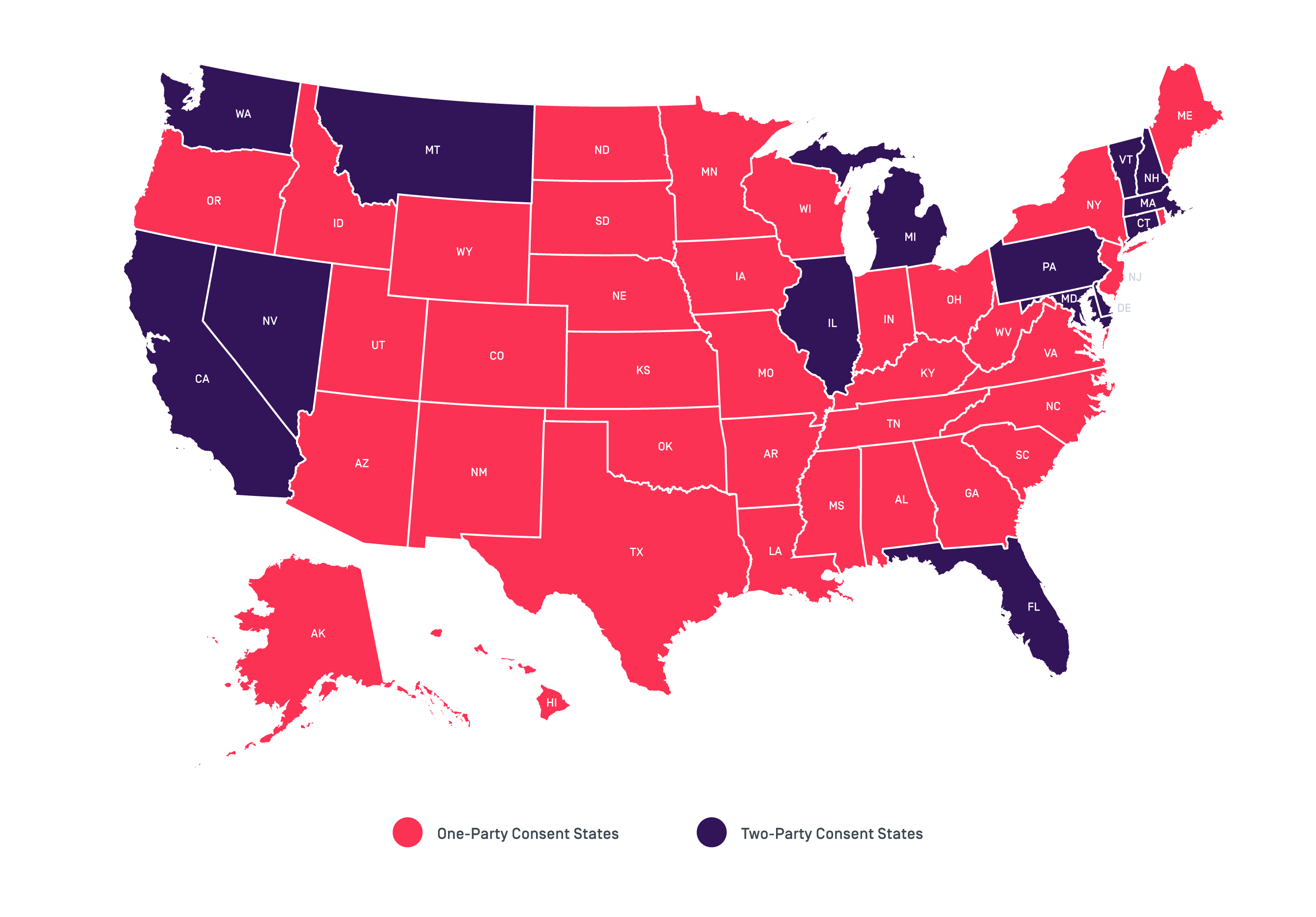
Nevada is officially classified as a “one-party” consent state, or more precisely, a “one-party” notification state under its specific wiretapping statutes. Specifically, Nevada Revised Statute 200.620 stipulates that it is generally lawful for a person to intercept or record a communication if they are a party to that communication, or if one of the parties has given prior consent to the interception. This makes Nevada significantly more permissive than states like California, which enforces strict all-party consent rules.
Navigating Privacy in Public and Private Spaces
While the law grants you the right to record conversations you are part of, the context of your surroundings—whether you are in a bustling lobby of the Venetian Resort or a quiet conference room in Reno—matters. Legal protections for privacy often intersect with property rights, which can complicate the act of recording.
The Expectation of Privacy
Even in a one-party consent jurisdiction, the “expectation of privacy” remains a legal hurdle. If you are recording a conversation in a space where the participants have a reasonable expectation of privacy, you may still face civil litigation or other challenges. For instance, while you might be legally permitted to record a discussion in a public space like the Fremont Street Experience, doing so in a private hotel suite at the Wynn Las Vegas without the knowledge of others could be perceived as an invasion of privacy, regardless of the recording statute.
Hotel Policies and Private Property
It is important to remember that resorts and hotels in Nevada are private property. While state law may permit you to record a conversation you are part of, individual establishments have the right to enforce their own policies regarding photography, videography, and audio recording. Hotels like The Cosmopolitan of Las Vegas often have internal guidelines intended to protect the privacy and comfort of their guests. Violating these policies can lead to being asked to leave the premises or being barred from future stays.
Implications for Travelers and Business Professionals
Whether you are capturing content for a travel blog, conducting a business meeting, or documenting an interaction with a hotel concierge, understanding the practical application of Nevada law is crucial to avoiding unnecessary friction.
Recording Business Conversations
For those traveling to Nevada for trade shows or corporate conferences, the one-party consent rule provides a layer of convenience. If you are participating in a meeting with vendors, potential partners, or colleagues, you are generally not required to disclose that you are recording the interaction. However, common professional courtesy—and potential internal company policies—should always be prioritized. Relying solely on the letter of the law without considering the professional relationship can sometimes damage trust or lead to unwanted social consequences.
Capturing Travel Experiences
Travel influencers and tourists often wish to document their experiences at iconic landmarks like the Hoover Dam or Lake Tahoe. When recording interactions with service staff, tour guides, or locals, keep in mind that while you may be legally in the clear under the one-party rule, you must still adhere to local ordinances and respect the privacy of others.
- Be Mindful of Location: Avoid recording in restricted areas or private back-of-house operations.
- Seek Permission When Possible: In sensitive situations, asking for permission is always the best practice to avoid misunderstandings.
- Respect Signage: Many businesses will post signs prohibiting recording. In these instances, the property owner’s rules supersede your general right to record.
Staying Compliant While Enjoying Nevada
The legal landscape in Nevada is relatively friendly toward individuals who wish to record their own conversations. By operating under the one-party consent framework, the state encourages a level of freedom that is often sought after by travelers and professionals alike.
Practical Tips for Legal Recording
To ensure you remain on the right side of the law and etiquette, follow these simple guidelines:
- Verify Participation: You must be an active participant in the conversation to invoke the one-party consent rule. Recording a conversation that you are not part of—such as placing a recording device in a room and leaving—could constitute illegal eavesdropping, which is a criminal offense in Nevada.
- Mind the State Lines: Remember that if you are communicating with someone in another state, their local laws might apply. If you call someone in a two-party consent state like Washington or Pennsylvania while you are in Nevada, the stricter laws of the other state may govern the recording of that call.
- Respect the Vibe: Nevada thrives on its reputation as a place for indulgence and leisure. Whether visiting the Valley of Fire State Park or enjoying the amenities at the Mandalay Bay Resort, maintaining a respectful demeanor will always serve you better than relying on legal loopholes.
By keeping these factors in mind, you can fully enjoy your time in the Silver State without concern. Whether you are looking to record a business deal, a memorable interview, or simply want to ensure your personal communications remain within legal bounds, Nevada offers a flexible environment that accommodates those who are well-informed about their rights and responsibilities. As you explore everything from the nightlife in Las Vegas to the scenic vistas near Carson City, being a knowledgeable traveler ensures your focus remains on the experience, not the litigation.
LifeOutOfTheBox is a participant in the Amazon Services LLC Associates Program, an affiliate advertising program designed to provide a means for sites to earn advertising fees by advertising and linking to Amazon.com. Amazon, the Amazon logo, AmazonSupply, and the AmazonSupply logo are trademarks of Amazon.com, Inc. or its affiliates. As an Amazon Associate we earn affiliate commissions from qualifying purchases.