
Mention Arizona to many, and the first image that often comes to mind is relentless sunshine and scorching temperatures. It’s a reputation well-earned, especially during the summer months when the mercury regularly climbs to breathtaking highs. However, to simply brand Arizona as “hot” would be to overlook the nuanced climate of this diverse state, its stunning landscapes, vibrant cities, and incredible travel experiences that draw millions of visitors annually. From the low desert valleys to the towering mountain peaks, temperatures vary dramatically, offering a spectrum of experiences for every type of traveler. This article delves into the specifics of Arizona’s heat, exploring its characteristics, seasonal shifts, and, crucially, how visitors can navigate and even thrive in its warmth while enjoying all the unique attractions and luxurious accommodations the state has to offer. Understanding the climate is key to unlocking the full potential of an Arizona adventure, transforming what might seem like an obstacle into an integral part of its charm.
Understanding Arizona’s Climate: The Sonoran Desert’s Embrace
Arizona’s climate is largely defined by its prominent location within the Sonoran Desert, one of the hottest deserts in North America. This geographical reality dictates the state’s temperature patterns, particularly in its central and southern regions. However, Arizona is far from monolithic; its varied topography creates distinct microclimates that offer diverse weather experiences throughout the year.
The Desert Heat Phenomenon
The heat in Arizona is often described as a “dry heat,” a crucial distinction from the humid, sticky heat found in many other parts of the world. While the air temperature can be exceptionally high, the low humidity often makes it feel less oppressive, as the body’s natural cooling mechanism through sweat evaporation is more effective. This doesn’t mean it’s not intense, though. The peak of summer, typically from June through August, sees the most extreme temperatures.
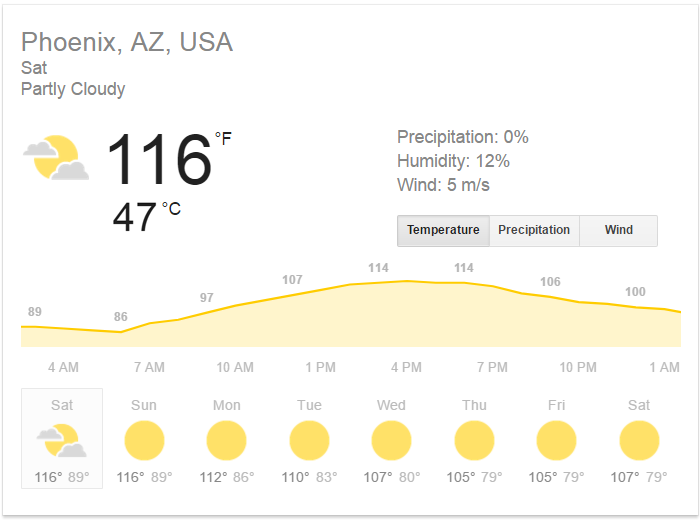
In cities like Phoenix, the state’s capital and largest city, average daily high temperatures in July often exceed 105°F (40.5°C), with many days pushing past 110°F (43.3°C). Record temperatures in Phoenix have reached an astounding 122°F (50°C). Similarly, Tucson, located further south, experiences comparable highs, though often a few degrees cooler due to its slightly higher elevation. Yuma, situated in the southwestern corner of the state near the Colorado River, is consistently one of the hottest places in the United States, with average July highs frequently around 107°F (41.7°C) and record highs reaching 124°F (51.1°C). These extreme temperatures are a direct result of strong solar radiation, clear skies, and arid conditions.
Seasonal Variations and Microclimates
Despite the notorious summer heat, Arizona offers significant seasonal variation. The northern parts of the state, with their higher elevations, provide a dramatic contrast. Flagstaff, for example, sits at an elevation of nearly 7,000 feet, resulting in a much cooler climate. Summers in Flagstaff are pleasantly warm, with average July highs in the low 80s°F (27-28°C), and winters bring abundant snowfall and freezing temperatures, making it a popular skiing destination. Sedona, famous for its stunning red rock formations, also enjoys milder temperatures than the desert valleys, with summer highs typically in the mid-90s°F (35°C), which is considerably more comfortable than Phoenix.
Beyond the four distinct seasons, Arizona also experiences a unique phenomenon known as the monsoon season, typically from mid-June to mid-September. During this period, humidity levels increase, and the desert skies often erupt with spectacular thunderstorms, bringing torrential rains, dramatic lightning displays, and powerful winds. While these storms offer a temporary respite from the heat, they also introduce a different kind of intensity to the climate. For the rest of the year, particularly from October through May, Arizona’s weather is often idyllic. Winters are mild and sunny, with daytime temperatures in Phoenix averaging in the 60s°F (15-20°C), making it a prime destination for those seeking to escape colder climates. This mild period is considered the peak tourist season, offering perfect conditions for outdoor activities and exploration.
Thriving in the Arizona Heat: Travel & Lifestyle Tips
Visiting Arizona doesn’t mean you have to succumb to the heat. With smart planning and an adoption of the local lifestyle, you can have an incredibly rewarding experience, even during the warmer months. The key is to respect the environment and make choices that prioritize comfort and safety.
Strategic Planning for Your Arizona Adventure
The timing of your visit is perhaps the most crucial factor. For those who prefer moderate temperatures, the best time to explore Arizona is from late fall through spring (October to May). During these months, the weather is consistently pleasant, ideal for hiking, golfing, and exploring outdoor attractions. If your travel plans necessitate a summer visit, strategic planning becomes paramount. Embrace the “early bird gets the worm” mentality for outdoor activities, scheduling hikes, scenic drives, or visits to places like Saguaro National Park for the early morning hours, typically before 9 AM. Similarly, many activities can be enjoyed in the late evenings after sunset when temperatures begin to drop.
Hydration is non-negotiable. Always carry more water than you think you’ll need, especially if venturing into natural areas. Electrolyte-rich drinks can also be beneficial. Sun protection is equally vital; wide-brimmed hats, sunglasses, and high-SPF sunscreen should be standard kit. Opt for loose-fitting, light-colored clothing made from breathable fabrics like cotton or linen. If driving, ensure your vehicle is well-maintained, paying particular attention to tires and fluid levels, as extreme heat can be taxing on automobiles. Never leave pets or children unattended in a car, even for a moment, as interior temperatures can reach lethal levels in minutes.
Embracing the Desert Lifestyle
Locals in Arizona have perfected the art of thriving in the heat, and visitors can easily adopt these lifestyle adjustments. The pool culture is perhaps the most iconic adaptation. Most hotels, resorts, and even many private residences boast inviting pools that become the central hub of activity during the day. Many luxury resorts feature elaborate pool complexes with lazy rivers, waterfalls, and swim-up bars, providing a refreshing escape from the sun. Shaded cabanas, misters on patios, and ample indoor air-conditioned spaces are standard amenities designed to maximize comfort.
When the sun is at its peak, shift your focus to indoor attractions. Cities like Phoenix and Tucson offer a wealth of museums, galleries, and shopping centers. The Heard Museum in Phoenix showcases Native American art and culture, while the Musical Instrument Museum offers a fascinating journey through global music. Air-conditioned malls provide an opportunity for retail therapy. As evening approaches, the desert truly comes alive. Many restaurants offer outdoor patio dining, often equipped with misters, allowing guests to enjoy the cooler evening air. Stargazing is another spectacular activity, especially away from city lights, with the clear desert skies offering unparalleled views of the cosmos. Embracing this rhythm – active mornings, relaxed afternoons, and lively evenings – allows you to experience the best of Arizona without being overwhelmed by the heat.

Accommodation & Amenities: Staying Cool in Style
When visiting Arizona, especially during warmer periods, your choice of accommodation can significantly impact your comfort and overall experience. The state’s hospitality sector is well-versed in catering to guests in a hot climate, offering a range of options from opulent resorts to charming boutique hotels, all designed with cooling and relaxation in mind.
Resorts and Hotels Designed for Comfort
Arizona’s travel industry prides itself on providing exceptional service and amenities, particularly when it comes to combating the heat. Luxury resorts are architectural marvels, often incorporating vast, resort-style pools that are true oases. These aquatic playgrounds might feature multiple swimming areas, winding lazy rivers, waterslides, and even dedicated adults-only pools for a tranquil escape. Beyond the water, you’ll find shaded cabanas with comfortable loungers, outdoor misters strategically placed on patios and walkways, and meticulously landscaped grounds with mature trees providing natural shade.
Air conditioning is, of course, a given, but many establishments go above and beyond, ensuring optimal indoor climates. Guests can also enjoy indoor amenities like full-service spas, state-of-the-art fitness centers, and gourmet dining experiences, providing plenty of air-conditioned activities. Notable examples of resorts celebrated for their luxurious cooling features include the Arizona Biltmore, A Waldorf Astoria Resort in Phoenix, known for its historic elegance and sprawling pools including the iconic Catalina Pool. The Phoenician, a Luxury Collection Resort, Scottsdale, in nearby Scottsdale, boasts a stunning three-tiered pool complex. The JW Marriott Desert Ridge Resort & Spa also in Phoenix, features a large aquatic park with a lazy river, making it a family favorite. When booking, checking recent reviews for air conditioning effectiveness and pool facilities can provide invaluable insights into guest satisfaction. Many properties also offer cooling towels, complimentary water bottles, and even poolside service to enhance the experience.
Finding Your Perfect Oasis
Beyond traditional hotels, Arizona offers a wide array of accommodation options. Vacation rentals, including private homes and apartments in cities like Scottsdale, Tempe, Mesa, Gilbert, and Chandler, often come equipped with private pools and fully stocked kitchens, offering a home-away-from-home experience. For those considering a long-term stay, especially popular during the milder winter months for “snowbirds” escaping colder climates, serviced apartments and extended-stay hotels provide convenience and comfort.
Booking strategies can also lead to better deals and availability. During the peak summer months, many high-end resorts and hotels offer significant discounts, turning a luxury stay into a budget-friendly option for those willing to brave the heat. Conversely, the cooler fall, winter, and spring months see higher demand and prices. Utilizing comparison websites is excellent for finding accommodations that align with your specific needs and budget, allowing you to filter by amenities such as multiple pools, spa services, and proximity to indoor attractions. Whether you seek a lavish resort experience or a cozy apartment, Arizona’s accommodations are designed to ensure your comfort, making your stay as refreshing as it is memorable.
Arizona’s Allure: Beyond the Thermometer
While the topic of Arizona’s heat is often front and center, it’s essential to remember that the state’s true appeal lies in its unparalleled natural beauty, rich history, and vibrant culture. The heat, for many, becomes a backdrop to an unforgettable adventure rather than a deterrent.
Iconic Landmarks & Attractions (Heat Permitting)
Arizona is home to some of the world’s most iconic natural landmarks. The majestic Grand Canyon National Park, one of the Seven Natural Wonders of the World, offers breathtaking vistas that are awe-inspiring regardless of the temperature. While the South Rim is accessible year-round, the North Rim (open seasonally) offers slightly cooler temperatures due to its higher elevation. Visits to the canyon during summer should involve early morning excursions and staying hydrated.
The enchanting Red Rocks of Sedona captivate visitors with their vibrant hues and spiritual energy. Sedona experiences milder temperatures than the desert floor, making its hiking trails and scenic drives more enjoyable even in warmer months, particularly during spring and fall. Saguaro National Park, near Tucson, is a testament to the unique beauty of the Sonoran Desert with its iconic saguaro cacti. Early morning visits are recommended to explore the park’s trails and Visitor Centers before the midday sun becomes too intense.
Other remarkable destinations include the engineering marvel that is the Hoover Dam (often visited from Arizona or nearby Las Vegas), the stunning Slot Canyons like Antelope Canyon near Page, and the dramatic horseshoe-shaped meander of the Colorado River at Horseshoe Bend. For a different kind of natural beauty, the White Mountains in eastern Arizona offer forests, lakes, and much cooler temperatures, perfect for summer escapes. Beyond these, historical mining towns like Jerome and Bisbee, or the scenic beauty of Prescott, provide diverse experiences away from the intense heat of the lower deserts. Even in peak summer, indoor attractions such as the Heard Museum and the Musical Instrument Museum in Phoenix or the Arizona-Sonora Desert Museum near Tucson offer air-conditioned cultural immersion.

Culinary & Cultural Experiences
Arizona’s culinary scene is a vibrant fusion of Southwestern, Mexican, and Native American influences. From upscale farm-to-table restaurants in Scottsdale to authentic taco stands in Tucson, there’s a dish to satisfy every palate. While outdoor patio dining is best enjoyed in the cooler months, many establishments have perfected indoor ambiance and climate control for year-round enjoyment. The local food culture embraces unique ingredients like prickly pear and chilies, offering flavors distinct to the region.
Culturally, Arizona is rich with the heritage of numerous Indigenous tribes, whose traditions, art, and history are preserved and celebrated throughout the state. Visiting places like Canyon de Chelly National Monument or Monument Valley offers a profound connection to this ancient legacy. Art galleries, craft fairs, and cultural festivals are common occurrences, especially during the milder seasons, providing opportunities to engage with local artists and communities. Whether seeking adventure, relaxation, or cultural enrichment, Arizona offers an unparalleled travel experience that transcends its reputation for heat.
Ultimately, “how hot does it get in Arizona?” is a question with a multi-faceted answer. Yes, it can get exceptionally hot, particularly in the lower desert regions during summer. However, the state is also home to diverse climates, from the temperate high country to the mild winters of its famous cities. With thoughtful planning, an appreciation for the desert lifestyle, and strategic use of the state’s outstanding accommodations and amenities, the heat becomes just another characteristic of a truly extraordinary destination. From the iconic expanse of the Grand Canyon National Park to the vibrant nightlife of Scottsdale, Arizona invites travelers to discover its unique allure, promising an unforgettable journey regardless of the mercury’s climb. Embrace the sun, plan smart, and prepare to be enchanted by the magic of the Grand Canyon State.
LifeOutOfTheBox is a participant in the Amazon Services LLC Associates Program, an affiliate advertising program designed to provide a means for sites to earn advertising fees by advertising and linking to Amazon.com. Amazon, the Amazon logo, AmazonSupply, and the AmazonSupply logo are trademarks of Amazon.com, Inc. or its affiliates. As an Amazon Associate we earn affiliate commissions from qualifying purchases.