
Planning a trip to the neon-soaked heart of the Mojave Desert requires more than just picking the right show or securing a reservation at a top-tier restaurant. For those heading to Las Vegas, understanding the intensity of the climate is a critical component of travel preparation. While the city is a world-class destination for entertainment, its desert location means the sun is a force to be reckoned with. Knowing what to expect when stepping out onto the Las Vegas Strip can be the difference between an unforgettable vacation and a miserable experience.

The Peak of Summer: Understanding the Scorching Months
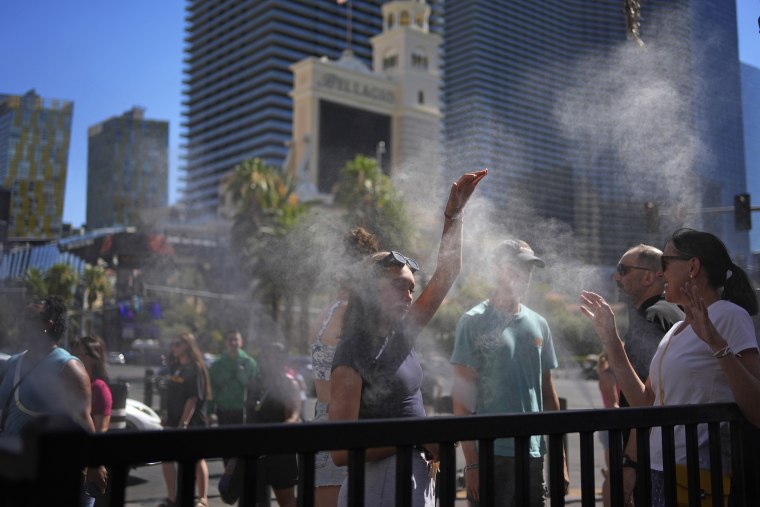
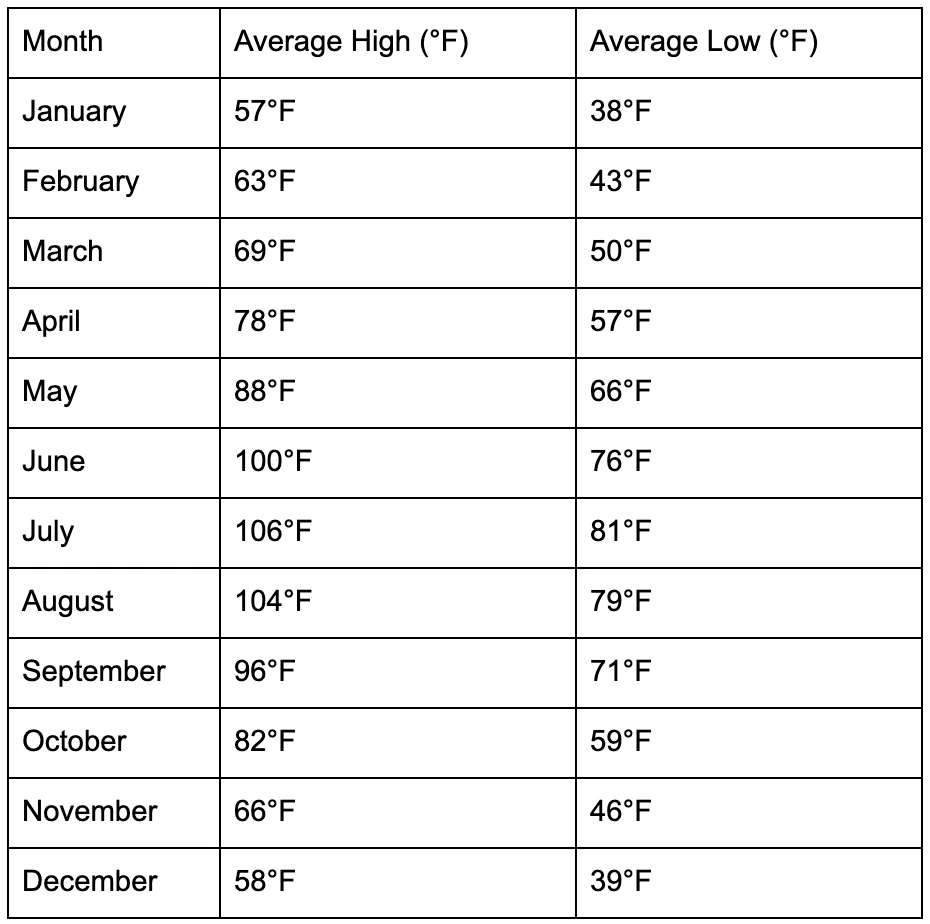
When people ask how hot it gets in Nevada, the short answer is that it reaches extremes that few other major tourist destinations experience. From June through August, temperatures consistently soar into triple digits. It is not uncommon for the mercury to climb well above 105°F (40.5°C) during the day, with occasional heat waves pushing temperatures toward 115°F (46°C).
The Science of Desert Heat
The heat in Las Vegas is characterized by its low humidity. This “dry heat” is often touted as more manageable than the sweltering, humid heat found in tropical climates or the Eastern United States. While it is true that sweat evaporates more quickly, the lack of moisture in the air can lead to rapid dehydration. Visitors often underestimate how much water they are losing because they do not feel the typical “stickiness” associated with humidity. In these conditions, the sun is incredibly intense, and prolonged exposure can lead to heat exhaustion or heat stroke very quickly.
Managing Mid-Day Exposure
If your travel dates fall during the heart of summer, the local strategy is simple: stay indoors or underwater between 11:00 AM and 5:00 PM. Fortunately, the Las Vegas Strip is designed for this. Massive resorts like the Caesars Palace or The Venetian offer extensive climate-controlled environments. You can walk for miles through interconnected casinos, shopping arcades, and lobbies without ever needing to step onto the scorching sidewalk.
Seasonal Fluctuations: Beyond the Summer Peak
While summer dominates the conversation about heat, Las Vegas experiences a wide range of temperatures throughout the year. Understanding the seasonal “shoulder” periods can help you decide when to book your travel.
Spring and Fall: The Golden Window
For many travelers, the best times to visit are mid-spring (late March to May) and mid-fall (late September to November). During these months, the daytime temperatures are generally pleasant, hovering between 70°F and 85°F (21°C–29°C). These periods allow for outdoor activities that are impossible during the summer. Whether you are walking through the Bellagio Conservatory and Botanical Gardens or taking a short drive to the Red Rock Canyon National Conservation Area, the weather is usually comfortable enough for extended periods of time outdoors.
The Surprising Chill of Winter
A common misconception is that because the city is in a desert, it is warm year-round. This is false. From December through February, temperatures can drop significantly. Nighttime lows often dip into the 30s°F (around 0°C–4°C), and daytime highs might only reach the mid-50s°F (10°C–13°C). While you won’t need a heavy parka, you will certainly need a coat if you plan to visit the Fremont Street Experience or walk between casinos at night.
Essential Heat-Safety Tips for Travelers
Regardless of when you visit, the desert environment requires a level of vigilance that travelers from more temperate climates may not be accustomed to. The United States Bureau of Land Management often issues warnings for tourists venturing out of the city limits, but even within the Las Vegas Valley, common sense is the best protection.
Hydration and Sun Protection
- Water is Non-Negotiable: Carry a reusable water bottle and fill it up frequently. Don’t wait until you feel thirsty; by then, you are already dehydrated.
- Sunscreen is Mandatory: The UV index in the Mojave Desert is exceptionally high. Even on a partially cloudy day, you can get a severe sunburn in minutes.
- Clothing Choices: Opt for lightweight, breathable, and light-colored clothing. While it’s tempting to wear a hat and sunglasses, ensure they provide proper UV protection to guard against the reflection of the sun off the pavement.
Recognizing the Signs of Heat Stress
It is vital to monitor your health and the health of your travel companions. Warning signs of heat-related illness include excessive thirst, dizziness, confusion, fatigue, and a sudden cessation of sweating. If you or someone in your group experiences these symptoms, move to a cool, shaded area immediately and drink cool water. If the symptoms persist, do not hesitate to seek help from the security or medical staff at your resort.
Leveraging Resort Amenities to Beat the Heat
One of the greatest luxuries of Las Vegas travel is the way properties have optimized their amenities to account for the extreme heat. When the afternoon sun hits its peak, the focus of the city shifts from street-level sightseeing to pool-side relaxation.
The Pool Scene
Pool culture is a staple of Nevada life. Resorts like the Mandalay Bay offer massive pool complexes, including wave pools and lazy rivers, which are perfect for cooling off. However, remember that even in the water, the sun is active. Applying waterproof sunscreen is crucial, as the refraction of light off the water can increase your exposure.
Strategic Sightseeing
If you are planning to visit landmarks like the High Roller Observation Wheel, try to time your tickets for the early morning or late evening. During the summer, an afternoon ride on the wheel can turn into a greenhouse-like experience. By choosing sunset or night hours, you not only avoid the oppressive heat but also get the benefit of seeing the Las Vegas skyline illuminated against the desert sky.
Ultimately, Las Vegas is a city that thrives despite the challenges of its environment. By respecting the power of the sun and planning your itinerary with the climate in mind, you can fully enjoy the world-class dining, gaming, and entertainment that this desert oasis has to offer. Whether you are lounging by the pool or navigating the Grand Canal Shoppes, being prepared ensures that your focus remains on the fun, not the temperature.
LifeOutOfTheBox is a participant in the Amazon Services LLC Associates Program, an affiliate advertising program designed to provide a means for sites to earn advertising fees by advertising and linking to Amazon.com. Amazon, the Amazon logo, AmazonSupply, and the AmazonSupply logo are trademarks of Amazon.com, Inc. or its affiliates. As an Amazon Associate we earn affiliate commissions from qualifying purchases.