
The landscape of Southern California is as breathtaking as it is volatile. For visitors planning a trip to Los Angeles, the news cycle often carries urgent headlines regarding brush fires that sweep through the surrounding canyons and mountain ranges. Understanding the current status of fire containment is a crucial aspect of travel safety and itinerary planning, particularly when your journey includes stays in iconic locations like the Hollywood Hills or visits to the rugged trails of Griffith Park.
Navigating Fire Season in the City of Angels
Wildfire season in California is not a fixed window; it is a dynamic phenomenon heavily influenced by seasonal winds, rainfall patterns, and drought conditions. When news outlets report on fire containment, they are typically referring to the perimeter of the fire—the line established by firefighters to prevent further spread.

Understanding Containment Percentages
Containment does not always mean the fire is extinguished. A 50% containment status means that firefighters have successfully created a perimeter around half of the blaze, preventing its growth in those specific directions. Travelers should look for updates from official sources such as the Los Angeles Fire Department rather than relying solely on social media speculation. If you have booked a stay near high-risk zones, such as the Santa Monica Mountains, keeping an eye on these percentages is essential for peace of mind.
The Role of Santa Ana Winds
The primary catalyst for rapid fire movement in the region is the Santa Ana Winds. These hot, dry winds originating from the inland deserts can turn a minor brush fire into a fast-moving threat in a matter of hours. During high-wind events, authorities often issue “Red Flag Warnings.” If your travel plans coincide with a Red Flag Warning, it is a signal to remain flexible and prioritize safety over scheduled outdoor excursions in mountainous areas.
Impacts on Local Landmarks and Attractions
While most fires are successfully contained without affecting the urban core, the smoke and air quality can influence the overall visitor experience. It is important to distinguish between areas currently under threat and those that are simply experiencing the aesthetic effects of distant wildfires.
Coastal Destinations and Air Quality
Often, the smoke from fires in the San Gabriel Mountains drifts toward the basin, impacting air quality across the city. While the Santa Monica Pier or Venice Beach may be physically safe from the flames, high particulate matter can cause respiratory discomfort for sensitive travelers. During these periods, focus your itinerary on indoor activities, such as exploring the Getty Center or the Los Angeles County Museum of Art.
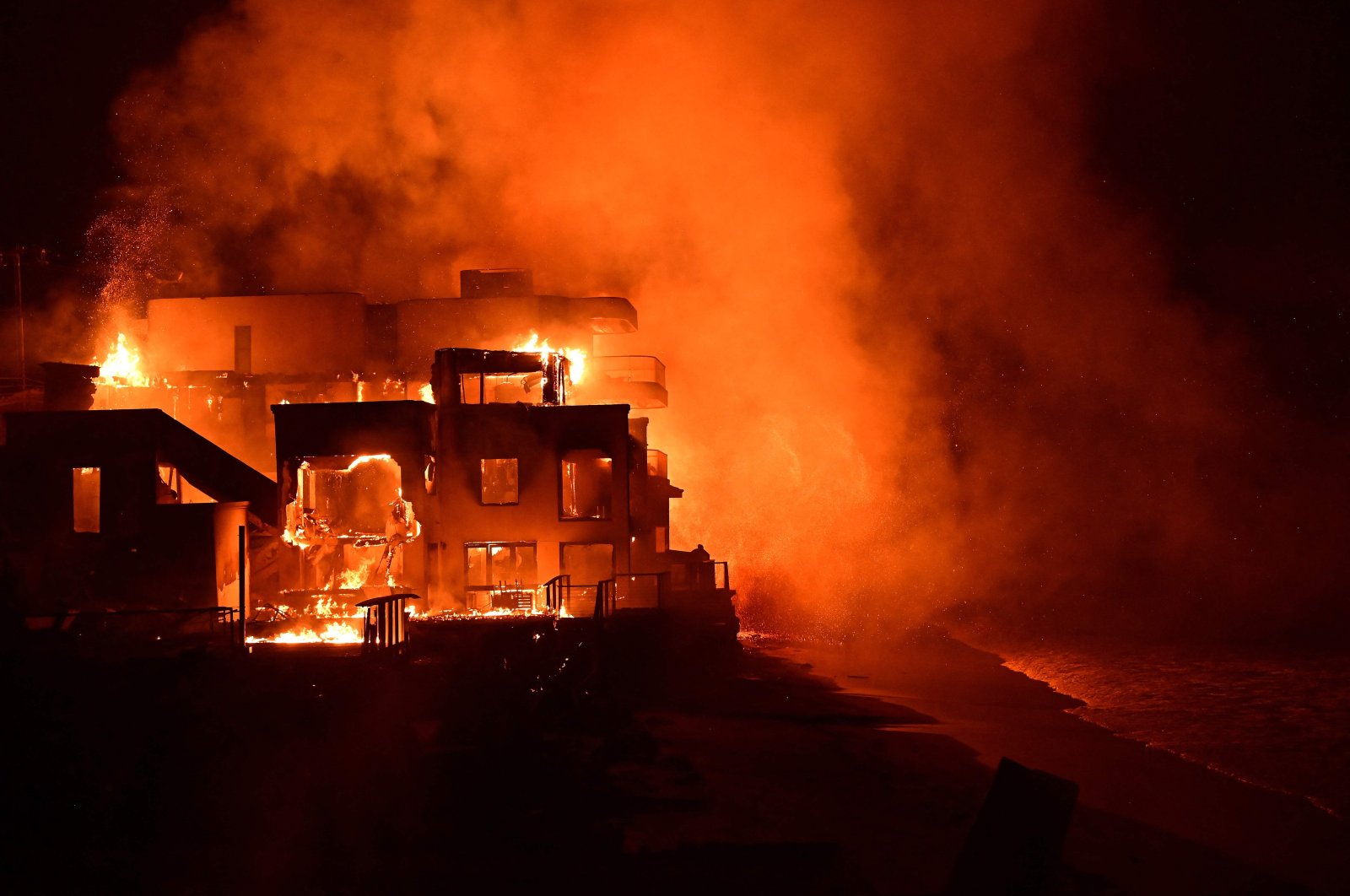
Protecting Natural Spaces
California’s natural beauty is the primary draw for many hikers and outdoor enthusiasts. However, when fires are active, access to trails is strictly controlled. Areas like Topanga State Park or the trails surrounding the Hollywood Sign are frequently closed to protect public safety and provide unfettered access to emergency vehicles. Respecting these closures is not merely a rule; it is a critical component of responsible tourism.
Travel Planning During Fire Risks
Proactive planning is the best strategy for anyone traveling to an area prone to wildfires. By staying informed and maintaining a degree of flexibility, you can enjoy your vacation without unnecessary stress.
Strategies for the Informed Traveler
- Monitor Official Channels: Follow the National Weather Service for real-time weather updates and the California Department of Forestry and Fire Protection for fire status reports.
- Review Your Accommodation: If you are staying in a remote resort or a vacation rental in the canyons, check if the property has a clear evacuation plan. Modern hotels in the Beverly Hills and West Hollywood areas are well-versed in safety protocols.
- Download Local Apps: Utilizing emergency alert applications provided by the city can send real-time notifications directly to your phone, ensuring you are never caught unaware of changing conditions.
Staying Flexible with Itineraries
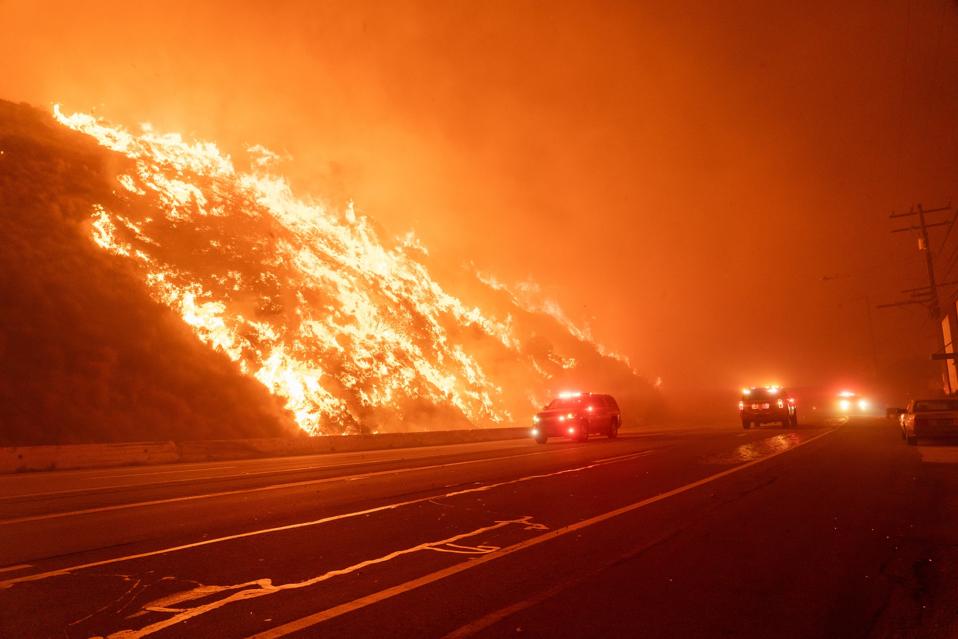
If you had planned a day trip to the Malibu coastline or the scenic drives through the Angeles National Forest, be prepared to pivot. If a fire breaks out nearby, the primary goal of local authorities is to clear the roads for emergency traffic. Having a “Plan B” that involves urban exploration—perhaps visiting Downtown Los Angeles or Little Tokyo—will save your vacation from being derailed by circumstances beyond your control.
Balancing Caution and Enjoyment
Ultimately, the vast majority of visitors to California experience a seamless trip. The regional infrastructure is designed to handle these environmental challenges with remarkable efficiency. Firefighters and emergency services in Los Angeles are among the most experienced in the world, and their priority is always the safety of residents and visitors alike.
The Importance of Preparedness
Being aware of fire containment levels does not mean you must live in fear. Instead, view it as part of being a savvy traveler. Just as one checks the forecast for rain in London or hurricane risks in the Caribbean, checking fire status in Southern California is simply a matter of due diligence. By staying informed through reputable sources and maintaining a realistic outlook, you can navigate your time in the city with confidence.
Whether you are here to explore the history of Hollywood or to relax at a world-class resort in Santa Barbara, your trip can remain an enjoyable, life-enriching experience. Embrace the beauty of the region, keep your plans adaptable, and always prioritize the advice of local safety officials. With the right information, you can focus on what truly matters: soaking in the unique, vibrant culture and the stunning landscapes that make this corner of the world so perpetually captivating.
LifeOutOfTheBox is a participant in the Amazon Services LLC Associates Program, an affiliate advertising program designed to provide a means for sites to earn advertising fees by advertising and linking to Amazon.com. Amazon, the Amazon logo, AmazonSupply, and the AmazonSupply logo are trademarks of Amazon.com, Inc. or its affiliates. As an Amazon Associate we earn affiliate commissions from qualifying purchases.