
The allure of the extreme beckons travelers from every corner of the globe, whether it’s scaling the highest peaks, diving into the deepest oceans, or perhaps, for the truly audacious, tasting the world’s hottest chili pepper. The quest for fiery flavors is a unique form of culinary tourism, drawing intrepid foodies to exotic destinations and pushing the boundaries of their palates. But before we embark on this scorching journey, let’s address a common point of confusion that often surfaces in discussions about superlative heat: the “California Reaper.” While the golden state of California is renowned for its diverse landscapes, innovative cuisine, and a vibrant lifestyle that attracts millions, it is not, contrary to popular belief, the birthplace of the pepper typically referenced when one speaks of “The Reaper.” The true king of capsicum heat, the legendary Carolina Reaper, actually hails from the humble soils of South Carolina, a state rich in history and Southern charm.
This article delves into the blistering reality of the Carolina Reaper, exploring its scorching heat, fascinating origins, and its undeniable impact on both the culinary world and the adventurous traveler’s itinerary. From deciphering the Scoville Scale to uncovering global spicy challenges and the art of savoring extreme heat responsibly, prepare to embark on a journey that will not only awaken your taste buds but also inspire your next travel adventure. We’ll discover how the pursuit of the piquant can lead to unforgettable experiences, connecting food, culture, and the thrill of discovery in ways only a true chili enthusiast can appreciate.
The Carolina Reaper: A Fiery Phenomenon from South Carolina
Forget the “California Reaper” and set your sights on South Carolina, the true home of the undisputed monarch of heat: the Carolina Reaper. Bred by Ed Currie of Puckerbutt Pepper Company in Fort Mill, South Carolina, this pepper has consistently held the Guinness World Record for the hottest chili since 2013, with average heat levels shattering previous records. For the traveler with a penchant for the unique and the extreme, understanding the Carolina Reaper is akin to knowing the highest mountain before attempting its summit – it’s a matter of preparation, respect, and a dash of daring.
The journey of the Carolina Reaper from a humble plant to a global sensation is a testament to dedicated cultivation and Ed Currie’s passion for pushing the boundaries of capsaicin. For those considering a unique travel experience, a visit to South Carolina could even include exploring local markets for pepper varieties or understanding the agricultural roots that foster such extraordinary produce. It’s a compelling narrative that intertwines local culture, scientific innovation, and the thrill of exploring new culinary frontiers, turning a simple pepper into a destination-worthy attraction.

Decoding the Scoville Scale: What Makes a Pepper King?
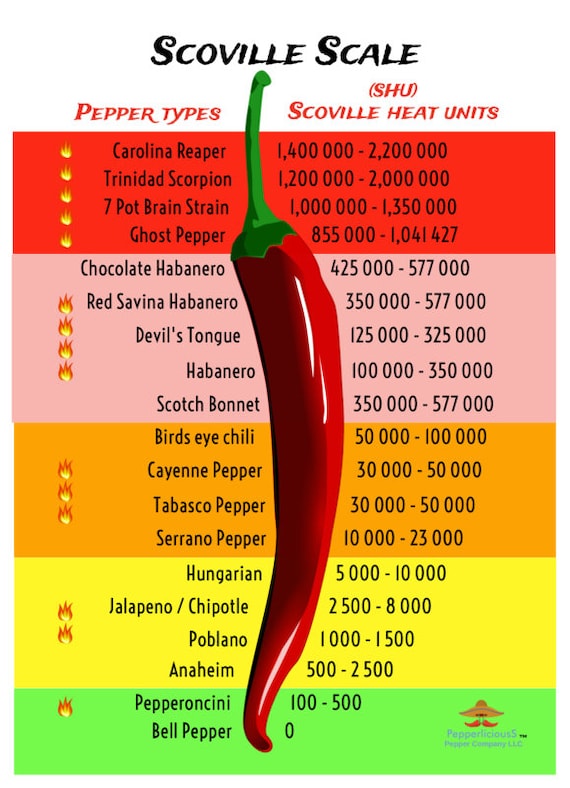
To truly grasp the inferno that is the Carolina Reaper, one must first understand the Scoville Scale. Developed by American pharmacist Wilbur Scoville in 1912, this scale measures the concentration of capsaicin, the chemical compound responsible for a chili pepper’s heat. The Scoville Heat Unit (SHU) indicates how much sugar water it would take to dilute a capsaicin extract until no heat is detectable. To put the Carolina Reaper’s intensity into perspective, let’s look at some common peppers:
- Bell Pepper: 0 SHU
- Jalapeño: 2,500 – 8,000 SHU
- Cayenne Pepper: 30,000 – 50,000 SHU
- Habanero: 100,000 – 350,000 SHU
- Ghost Pepper (Bhut Jolokia): 855,000 – 1,041,427 SHU
- Trinidad Moruga Scorpion: 1,200,000 – 2,000,000 SHU
- Carolina Reaper: 1,641,183 – 2,200,000+ SHU (average 1,641,183 SHU)
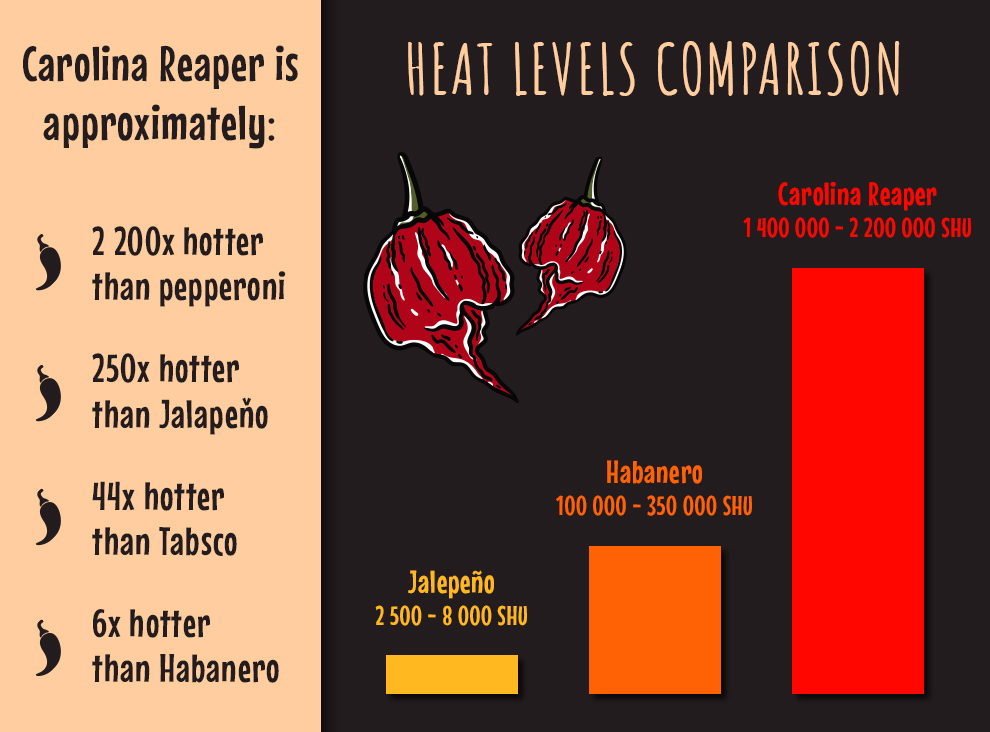
The numbers speak for themselves. The Carolina Reaper isn’t just hot; it’s an extreme culinary force, dwarfing even famously spicy peppers like the Ghost Pepper. For the adventurous traveler, understanding these metrics adds a layer of appreciation to spicy food challenges encountered around the world, from the vibrant street food stalls of Thailand to the fiery curries of India. It highlights how specific destinations have cultivated peppers that define their local cuisine and offer unique, often scorching, experiences for visitors.
Beyond the Hype: The Carolina Reaper’s Flavor Profile
While the Carolina Reaper is notorious for its overwhelming heat, true chili aficionados often speak of its surprisingly complex flavor profile, an aspect that elevates it beyond a mere pain-inducing ingredient. Beneath the initial wave of scorching heat, the Carolina Reaper offers subtle, fruity notes, often described as sweet and citrusy, with hints of chocolate or cherry. This nuanced taste makes it a fascinating ingredient for culinary experimentation, rather than just a gimmick.
In the world of travel, exploring local flavors is paramount, and the Carolina Reaper’s journey from a raw pod to artisanal hot sauces, fiery condiments, and even daring gourmet dishes, reflects a broader trend in food tourism. Chefs and food producers globally are incorporating this pepper, not just for its heat, but for the unique depth it can add. For instance, a luxury travel experience might include a tasting menu featuring expertly balanced dishes that incorporate tiny amounts of Carolina Reaper, showcasing its flavor rather than just its burn. These culinary adventures become part of the local culture and lifestyle, offering an exclusive glimpse into a destination’s innovative spirit.
Culinary Quests: Navigating the World of Extreme Heat as a Traveler
For many globetrotters, travel is about more than just sightseeing; it’s about immersing oneself in local culture, and few things offer a deeper dive into a region’s heart than its food. For the adventurous palate, this often means seeking out the spiciest dishes and the most daring culinary challenges. The Carolina Reaper, though originating in the USA, has fueled a global fascination with extreme heat, inspiring chefs and foodies alike to push the boundaries of spice. This quest for the burn can lead to some of the most memorable and adrenaline-pumping travel experiences.
Whether you’re exploring the bustling night markets of Bangkok, savoring regional specialties in Mexico, or taking on a restaurant challenge in a vibrant USA city, extreme peppers like the Carolina Reaper have carved a niche in culinary tourism. These experiences transcend mere eating; they become rites of passage, stories to tell, and a unique way to connect with local traditions and contemporary food trends.
Spicy Food Challenges: A Traveler’s Ultimate Test
Around the world, restaurants and food vendors capitalize on the human desire for challenge and thrill by offering “fire-eating” contests and ultra-spicy menu items. For the adventurous traveler, participating in a spicy food challenge can be an unforgettable experience, a badge of honor, and a vibrant snapshot of local food culture. These challenges, often featuring everything from ridiculously hot chicken wings to ramen bowls infused with the world’s most potent peppers, are particularly popular in destinations known for their fiery cuisine.
- USA: Many cities host wing challenges, often using peppers like the Carolina Reaper or Ghost Pepper. From local diners to dedicated hot sauce shops, the pursuit of extreme heat is a well-loved pastime. Places like Austin, Texas, and Nashville, Tennessee (with its famous hot chicken) are hotspots for spicy food.
- South Korea: Famous for its Buldak (fire chicken) and spicy ramen challenges, South Korea offers a different kind of burn, often characterized by a delayed, creeping heat. Travelers can seek out specialty restaurants in cities like Seoul for an authentic, scorching experience.
- Japan: While known for its delicate flavors, Japan also embraces extreme spice, particularly in ramen and curry dishes. Some establishments even have multi-level spice challenges, where the top tiers are reserved for only the most hardened chili heads.
- Thailand: The vibrant and aromatic Thai cuisine often features a significant kick. While not always a “challenge” per se, ordering dishes “Phet Mak Mak” (very, very spicy) can be an intense experience, highlighting the country’s indigenous chili varieties.
Tips for participating in such challenges: always know your limits, don’t drink water (it spreads the capsaicin), and have milk or yogurt ready to neutralize the burn. These culinary adventures are a fantastic way to engage with local food scenes and create unforgettable travel memories, whether you conquer the heat or simply enjoy the spectacle.
Incorporating Heat into Your Travel Itinerary
Beyond formal challenges, integrating spicy food exploration into your travel plans can enrich your journey immensely. It’s an immersive approach to tourism that goes beyond famous landmarks and into the heart of local culture.
- Exploring Local Markets: Visiting farmers’ markets or spice bazaars in destinations like Mexico, Peru, or India offers a sensory overload of colors, aromas, and, of course, a dazzling array of chilies. Here, you can learn about regional varieties, their culinary uses, and even sample local hot sauces. In New Mexico, for instance, the annual Hatch Chile Festival is a major draw, celebrating a beloved local pepper with roasting events and culinary demonstrations, transforming a simple ingredient into a cultural landmark.
- Seeking Out Regional Spicy Cuisine: Every region has its signature heat. In China’s Sichuan province, the “mala” (numb and spicy) sensation derived from Sichuan peppercorns offers a unique piquant experience. In Southern India, curries often feature layers of chili heat combined with aromatic spices. For those traveling through Spain, the subtly warm pimientos de padrón offer a milder, yet equally engaging, taste of local pepper culture. Seeking out these specific culinary experiences enhances your understanding of the destination’s heritage and its people’s palate.
- Food Tours and Cooking Classes: Many destinations offer food tours focused on spicy cuisine, guiding you through hidden gems and local eateries. For a more hands-on experience, a cooking class can teach you how to prepare authentic spicy dishes using local ingredients, providing skills and recipes to bring a taste of your travels back home. This form of accommodation and experience-based travel offers a deeper, more personal connection to the places you visit.
The Lifestyle of a Chili Enthusiast: From Home Kitchen to Global Souvenirs
Embracing the world of ultra-hot peppers like the Carolina Reaper is more than just a fleeting culinary trend; for many, it’s a lifestyle. It’s a journey that extends beyond immediate consumption, influencing how one travels, what souvenirs they collect, and even their approach to home cooking. This passion for heat connects individuals across continents, fostering a global community of spice lovers who share tips, recipes, and, of course, battle stories from their hottest encounters.
For the modern traveler, this lifestyle often merges with other aspects of luxury travel or budget-friendly exploration, always seeking out the next unique flavor or the most authentic spicy experience. It’s about more than just enduring the burn; it’s about appreciating the art of pepper cultivation, the science of capsaicin, and the cultural significance of heat in various cuisines.
Bringing the Heat Home: Spicy Souvenirs and Kitchen Adventures
The spirit of a chili enthusiast doesn’t end when the vacation does. One of the most rewarding aspects of this lifestyle is bringing a piece of the fiery adventure home, transforming travel memories into tangible culinary delights.
- Collecting Hot Sauces: For many, an essential travel souvenir is a bottle of local hot sauce. From the smoky chipotle sauces of Mexico to the pungent Sambals of Southeast Asia or artisan blends featuring the Carolina Reaper from specialty stores in the USA, each bottle tells a story and offers a taste of a specific destination. These culinary mementos can spark conversations and reignite travel memories long after the trip has ended, making your kitchen a global pantry.
- Cooking Classes and Recipes: Taking a cooking class abroad focused on spicy regional dishes is an excellent way to deepen your understanding of local ingredients and techniques. Imagine learning to prepare a fiery Sichuan Mapo Tofu in China or a complex Chicken Tikka Masala in India. These skills and recipes become invaluable additions to your culinary repertoire, allowing you to recreate authentic flavors and share your travel experiences with friends and family.
- Growing Your Own Peppers: For the ultimate enthusiast, the journey often extends to cultivation. Growing your own chili peppers, whether common jalapeños or exotic super-hots like the Carolina Reaper, connects you directly to the source of the heat. It’s a rewarding hobby that fosters patience and provides a fresh supply of your favorite ingredient, further embedding the chili lifestyle into daily life.
Safety and Savoring: Responsible Enjoyment of Extreme Peppers
While the thrill of extreme heat is undeniable, responsible consumption and handling are paramount, especially when dealing with peppers like the Carolina Reaper. For the curious traveler or home cook, a few precautions can ensure that the experience remains enjoyable and safe.
- Handle with Care: When preparing raw Carolina Reapers or similar super-hot peppers, always wear gloves. The capsaicin oil can cause severe skin irritation and is incredibly painful if it comes into contact with eyes or other sensitive areas. Ensure good ventilation, as airborne particles can also cause respiratory discomfort.
- Start Small: Never underestimate the power of these peppers. If you’re new to extreme heat, begin with a minuscule amount. A tiny sliver of a Carolina Reaper can be enough to flavor an entire pot of chili or a batch of hot sauce.
- Know Your Limits: Everyone’s tolerance for capsaicin is different. Listen to your body and don’t push yourself beyond comfortable limits. The goal is to experience flavor and a pleasant endorphin rush, not intense discomfort or adverse reactions.
- Have Relief Ready: Dairy products like milk, yogurt, or ice cream are highly effective at neutralizing capsaicin. Starchy foods like bread or rice can also help absorb the heat. Avoid water, which tends to spread the capsaicin rather than dilute it.
Embracing the world of extreme peppers responsibly enhances the overall experience, allowing travelers to savor unique flavors and participate in thrilling culinary adventures without undue risk. It’s about respecting the power of nature and enjoying the incredible diversity that the plant kingdom, and passionate cultivators like Ed Currie, have brought to our tables.
In conclusion, while the search for “How Hot Is A California Reaper?” might lead to a geographical misdirection, it ultimately points us towards the astonishing heat of the Carolina Reaper from South Carolina. This exploration into the world’s hottest peppers opens up a fascinating dimension of travel and lifestyle, inviting adventurers to discover local cultures through their fiery cuisines, participate in thrilling food challenges, and bring a taste of global spice back to their own kitchens. The journey of the chili enthusiast is a vibrant tapestry of discovery, sensation, and connection, proving that sometimes, the most unforgettable travel experiences are those that truly set your palate ablaze.
LifeOutOfTheBox is a participant in the Amazon Services LLC Associates Program, an affiliate advertising program designed to provide a means for sites to earn advertising fees by advertising and linking to Amazon.com. Amazon, the Amazon logo, AmazonSupply, and the AmazonSupply logo are trademarks of Amazon.com, Inc. or its affiliates. As an Amazon Associate we earn affiliate commissions from qualifying purchases.