
Arizona, often referred to as the Grand Canyon State, is synonymous with stunning desert landscapes, vibrant sunsets, and, notoriously, intense summer heat. For travelers planning to visit between June and September, understanding the nuances of Arizona’s summer climate is paramount to a safe, enjoyable, and memorable experience. While the temperatures can soar, the state offers unique opportunities and cooler escapes for those who plan thoughtfully.
Understanding Arizona’s Desert Climate
The climate of Arizona is predominantly arid and semi-arid, characterized by extreme temperatures, particularly during the summer months. This is especially true for the low-desert regions, where the vast majority of the state’s population and popular destinations are located.
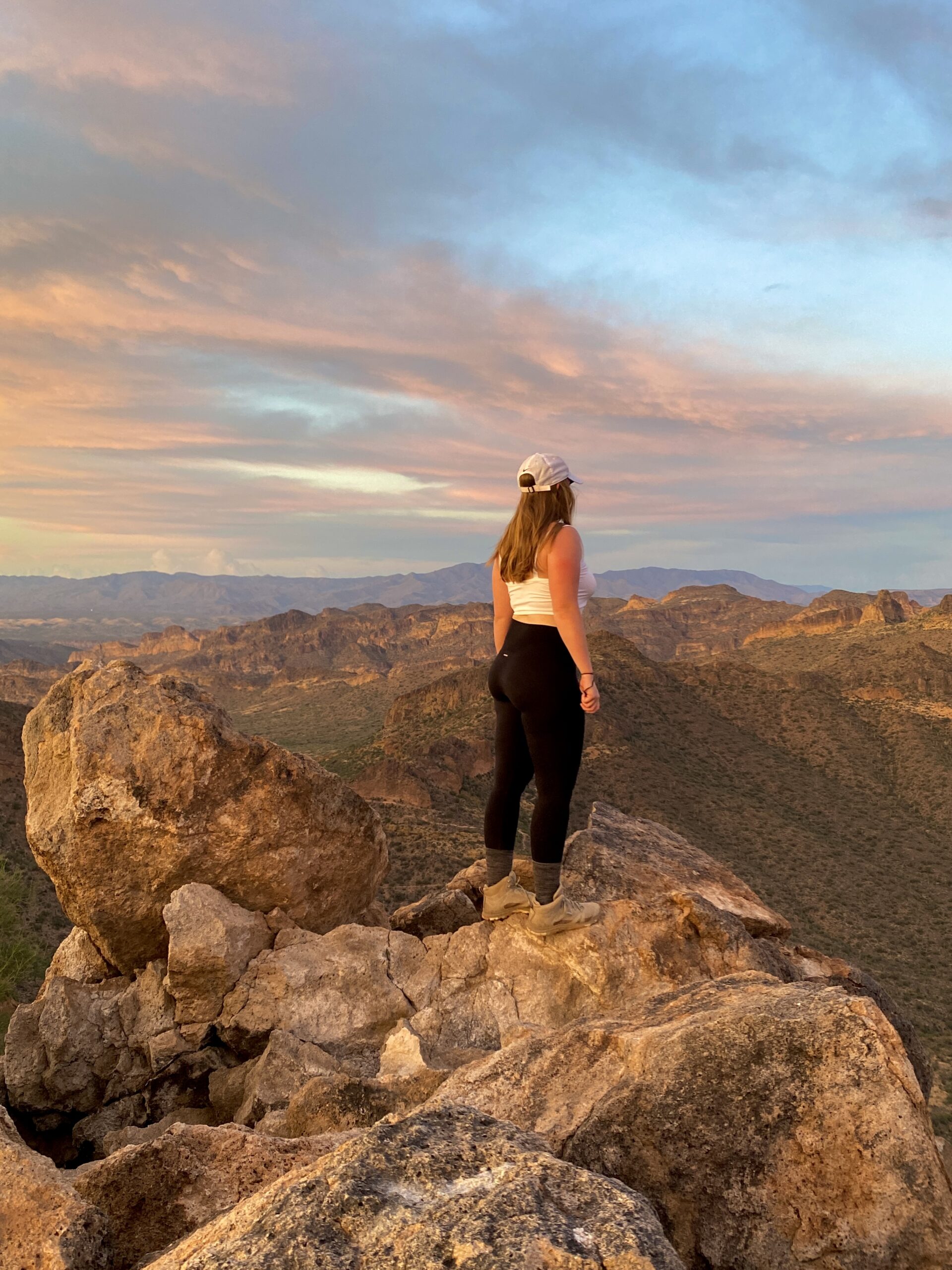
The “Dry Heat” Phenomenon
One of the most frequently discussed aspects of Arizona summers is the “dry heat.” Unlike humid climates where moisture in the air can make high temperatures feel even more oppressive, Arizona’s dry air allows sweat to evaporate quickly, providing a natural cooling effect. While this can make 100°F (38°C) feel less stifling than a humid 90°F (32°C), it is crucial not to underestimate the dangers. Dry heat can lead to rapid dehydration and heatstroke if proper precautions are not taken, as the body’s natural cooling mechanism (sweating) can deplete fluids at an alarming rate. Daily temperatures in cities like Phoenix and Tucson routinely exceed 100°F (38°C) and can often reach 110-115°F (43-46°C) in July and August.
Regional Variations: From Desert Floors to Mountain Peaks
Arizona is a state of diverse elevations, which translates directly into significant climatic variations. While the low deserts bake, higher elevation areas offer a dramatic respite.
The Sonoran Desert regions, encompassing cities like Phoenix, Tucson, Scottsdale, and Mesa, experience the most extreme heat. Here, average daily highs in July often range from 104-107°F (40-42°C), with overnight lows often remaining above 80°F (27°C).
Moving north to the red rock country around Sedona (elevation around 4,500 feet), temperatures are noticeably milder. Summer highs typically hover in the low to mid-90s°F (32-35°C), with comfortable evenings in the 60s°F (16-20°C).
Further north, in cities like Flagstaff (elevation around 7,000 feet) and the Grand Canyon South Rim, summers are delightfully cool. Daytime highs rarely exceed 85°F (29°C), and nights can drop into the 50s°F (10-15°C), making these areas popular summer escapes for Arizona residents and visitors alike.
Monsoon Season Considerations
Late summer, typically from mid-June to mid-September, marks Arizona’s monsoon season. Characterized by dramatic afternoon thunderstorms, heavy rainfall, strong winds, and occasional dust storms (haboobs), the monsoon brings a temporary shift in the weather pattern. While these storms offer a brief cooldown and often spectacular lightning displays, they also introduce increased humidity. Flash flooding can be a serious concern in washes and low-lying areas, and travelers should pay close attention to weather alerts and road closures, especially when exploring backcountry or slot canyons like Antelope Canyon.
Planning Your Summer Arizona Itinerary
Navigating Arizona’s summer heat requires a strategic approach to itinerary planning, focusing on timing, activity selection, and seeking out cooler environments.
Early Mornings and Late Evenings: The Best Times for Exploration
The key to enjoying outdoor activities in Arizona during summer is to embrace the cooler parts of the day. Mornings, especially before 9:00 AM, offer significantly more pleasant temperatures for hiking, biking, or visiting outdoor attractions like Saguaro National Park or the Desert Botanical Garden in Phoenix. As the sun climbs, temperatures rise rapidly. Similarly, late evenings and nights present opportunities for activities like stargazing, enjoying outdoor patios, or exploring illuminated downtown areas. Many attractions adjust their hours in summer to accommodate this, opening earlier and closing later.
Embracing Indoor and Water Activities
During the peak heat of the day (roughly 10:00 AM to 5:00 PM), it’s best to seek refuge indoors or engage in water-based fun. Arizona boasts an impressive array of air-conditioned attractions: world-class museums in Phoenix and Tucson, art galleries, shopping centers, and vibrant culinary scenes. For those seeking to beat the heat directly, numerous resorts offer elaborate pool complexes, lazy rivers, and splash pads. Lake Powell in northern Arizona and sections of the Colorado River provide opportunities for boating, kayaking, and swimming in cooler waters.
Elevated Escapes: Finding Cooler Climates
For travelers who prefer to entirely avoid the desert’s scorching temperatures, Arizona’s high country offers a refreshing alternative. Plan a trip to Flagstaff, often called “Arizona’s Mountain Town,” for hiking in ponderosa pine forests, exploring the nearby Grand Canyon, or visiting the Lowell Observatory. The White Mountains, including towns like Pinetop-Lakeside and Greer, also provide a true mountain escape with cooler temperatures and abundant outdoor recreation. Even Sedona, with its slightly higher elevation, provides a more tolerable experience than the desert floor, especially if activities are planned for mornings and evenings.
Essential Gear and Preparation for Arizona Summers
Proper preparation is not just recommended; it is critical for a safe summer visit to Arizona.
Hydration is Paramount: What to Drink and How Much

Dehydration is the biggest threat in the Arizona summer. Travelers should carry and consume significantly more water than they typically would. A good rule of thumb for moderate activity in the heat is at least one liter of water per hour, and even more if engaged in strenuous activity. Sports drinks with electrolytes can also be beneficial to replenish lost salts, but water should be the primary hydration source. Avoid excessive alcohol and sugary drinks, as these can contribute to dehydration. Always have extra water in your vehicle, especially for longer drives through less populated areas.
Dressing for Success: Light, Loose, and Protective Clothing
Your wardrobe choices can significantly impact your comfort. Opt for lightweight, loose-fitting clothing made from breathable fabrics like cotton, linen, or moisture-wicking synthetics. Light colors reflect sunlight, helping to keep you cooler. Long sleeves and pants, while counterintuitive to some, can actually offer better sun protection than shorts and T-shirts, preventing direct sun exposure and reducing the need for constant sunscreen reapplication.
Sun Protection Strategies
The Arizona sun is powerful year-round, but especially intense in summer.
- Sunscreen: Apply broad-spectrum sunscreen with an SPF of 30 or higher generously and reapply every two hours, or more often if sweating or swimming.
- Hats: A wide-brimmed hat is essential for protecting your face, neck, and ears from direct sun.
- Sunglasses: Protect your eyes from intense UV radiation with quality sunglasses.
- Shade: Seek shade whenever possible, whether under natural formations, umbrellas, or covered patios.
Summer Experiences Not to Miss (and How to Enjoy Them Safely)
Despite the heat, summer in Arizona offers unique and often less crowded experiences.
Stargazing in the Desert
Arizona boasts some of the clearest, darkest skies in the contiguous United States, making it a premier destination for stargazing. Summer nights, though warm in the desert, provide spectacular views of the Milky Way and countless constellations. Many state parks, national monuments, and designated dark sky communities offer excellent viewing opportunities. Consider visiting the Kitt Peak Observatory near Tucson or the Lowell Observatory in Flagstaff for guided experiences.
Water Sports and River Adventures
Cool off with a variety of water-based activities. Rent a houseboat or kayak on Lake Powell or Canyon Lake, go white-water rafting on the Colorado River through the Grand Canyon, or simply enjoy the pools and water parks offered by resorts across the state. Tubing on the Salt River near Mesa is a popular local pastime, providing a relaxed float down a gentle river.
Exploring Arizona’s Unique Culinary Scene Indoors
Arizona’s culinary landscape is vibrant and diverse, blending Southwestern flavors with international influences. Summer is an excellent time to explore award-winning restaurants, from fine dining establishments in Scottsdale to authentic Mexican eateries in Tucson. Take advantage of air-conditioned comfort to savor innovative dishes, local wines, and craft beers. Many restaurants offer “summer specials” or “restaurant week” promotions, providing an incentive to explore.
Common Misconceptions and Pro Tips for Travelers
Understanding the realities and nuances of Arizona summers can significantly enhance your trip.
“It’s a Dry Heat, So It’s Fine”: A Nuanced Perspective
While the dry heat can feel less oppressive than humid heat, it does not make the extreme temperatures any less dangerous. The rapid evaporation of sweat can lead to a false sense of security regarding dehydration. Always respect the heat, even if it feels “bearable,” and follow all hydration and sun protection guidelines rigorously. Heat-related illnesses, including heat exhaustion and heatstroke, are serious medical emergencies.
Vehicle Preparedness for Desert Driving
If you plan on driving extensively, especially between cities or into more remote areas, ensure your vehicle is in excellent condition. Check tires, fluids, and the air conditioning system. Carry an emergency kit that includes extra water, non-perishable food, a fully charged cell phone (with a portable charger), and basic tools. Gas stations can be scarce on certain routes, so plan your fuel stops accordingly. Parking in the shade, if available, can also prevent your car from becoming an oven.

Utilizing Hotel Amenities
Most Arizona hotels and resorts are well-equipped to handle the summer heat. Take full advantage of their amenities: large, often shaded pools; indoor fitness centers; spas; and air-conditioned common areas. Many properties offer cooling towels, complimentary water, and misters by their pools. Don’t hesitate to spend the hottest part of the day relaxing by the pool or enjoying your comfortable, air-conditioned room.
Traveling to Arizona in the summer requires a respectful appreciation for its unique climate, but with careful planning and adherence to safety guidelines, it can be an incredibly rewarding and distinct travel experience.
LifeOutOfTheBox is a participant in the Amazon Services LLC Associates Program, an affiliate advertising program designed to provide a means for sites to earn advertising fees by advertising and linking to Amazon.com. Amazon, the Amazon logo, AmazonSupply, and the AmazonSupply logo are trademarks of Amazon.com, Inc. or its affiliates. As an Amazon Associate we earn affiliate commissions from qualifying purchases.