
For travelers planning a pilgrimage to the neon-lit desert oasis of Las Vegas, understanding the climate is as essential as booking your room or planning your itinerary. Situated in the heart of the Mojave Desert, this iconic city experiences extreme temperature fluctuations that can significantly dictate the pace and nature of your vacation. While the glimmering lights of the Las Vegas Strip might make the city feel like a perpetual, temperature-controlled playground, the reality of the surrounding geography creates a unique meteorological challenge that every visitor should prepare for.
The Seasonal Heat Cycle
The heat in Nevada is not a static phenomenon; it moves through distinct phases throughout the year. Understanding these cycles allows you to pack correctly and choose activities that align with the shifting mercury.
Summer: The Peak Intensity
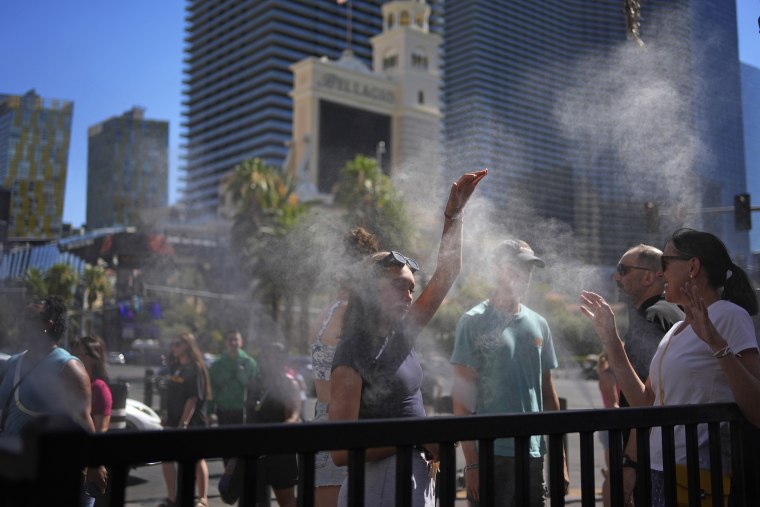
From June through September, Las Vegas enters its most formidable season. It is not uncommon for daily highs to consistently exceed 100°F (38°C), with July and August often pushing the thermometer toward the 110°F to 115°F range. This is the time of “dry heat,” a term often used to suggest comfort, but which can be deceptive. Without the humidity found in coastal regions, sweat evaporates almost instantly, which can mask the body’s dehydration levels. Walking from the Bellagio to Caesars Palace under the midday sun can be physically draining, even if the air feels less “heavy” than a tropical climate.
Shoulder Seasons: The Sweet Spot
Spring (March to May) and Autumn (October to November) represent the most popular times to visit. Temperatures typically settle into a very comfortable 70°F to 85°F range. During these months, the city transitions from a strictly indoor destination to one where outdoor exploration is genuinely enjoyable. Whether you are strolling through the Fremont Street Experience or visiting the Red Rock Canyon National Conservation Area, the mild atmosphere makes these transition months the gold standard for tourism.
Winter: The Surprising Chill
Many visitors are shocked to discover that Las Vegas can get quite cold during the winter months of December through February. While snow is a rarity on the Las Vegas Strip, overnight temperatures can plummet to the low 30s°F (around 0°C), and daytime highs often struggle to reach the 50s°F. If you are planning a winter visit, layering is essential. The desert floor loses heat rapidly once the sun sets, creating a sharp contrast between the bright, sunny days and the freezing nights.
Navigating the Desert Environment

The architecture of Las Vegas has evolved specifically to combat the desert climate. The sprawling resorts and intricate pedestrian bridges are designed to keep the human experience insulated from the environment. However, understanding how to move through this space is vital for a seamless trip.
Managing Internal vs. External Temperatures
The most jarring sensation for a new visitor is the “temperature shock.” Resorts like the MGM Grand or the Wynn Las Vegas are heavily air-conditioned year-round. Moving from an outdoor heat index of 110°F into a casino floor kept at a crisp 68°F can be taxing on the body. It is highly recommended that travelers carry a light sweater or pashmina, even in the heart of summer. Conversely, in the winter, the reverse is true; you may be bundled up to walk between venues, only to find yourself overheated once you reach the interior of a crowded hotel lobby.
Hydration and Sun Protection Strategies
Because the humidity in the Mojave Desert is often below 10%, your body loses moisture much faster than you realize. The dry air is notorious for causing chapped lips, dry skin, and headaches.
- Constant Hydration: Always keep a bottle of water on your person. Even if you do not feel thirsty, the arid air is depleting your fluids.
- UV Protection: The sun in Nevada is exceptionally powerful. If you are venturing out to the Grand Canyon or the Hoover Dam, a high-SPF sunscreen is non-negotiable, even if the sky looks slightly overcast.
- Time of Day: Schedule your outdoor activities for the early morning or shortly after sunset. Most seasoned travelers in Las Vegas avoid the “peak sun” hours of 1:00 PM to 4:00 PM whenever possible.
Choosing Your Time to Travel
The best time to visit Las Vegas depends entirely on your tolerance for heat and your preferred activities.
For Sightseers and Explorers
If your goal is to venture beyond the Las Vegas Strip to see natural wonders like Valley of Fire State Park or Mount Charleston, aim for late April or early October. These times offer the most reliable weather for hiking, photography, and site-seeing without the risk of heat exhaustion. Mount Charleston is a particularly interesting case, as its high elevation provides a natural alpine escape from the heat of the Las Vegas valley floor, often sitting 20 to 30 degrees cooler than the city center.
For Pool Parties and Resort Life
If your trip is centered around the world-famous pool culture of the Cosmopolitan of Las Vegas or the Flamingo Las Vegas, summer is undoubtedly the prime season. The extreme heat acts as a catalyst for the city’s vibrant day-club scene. During these months, the heat becomes part of the atmosphere—it is the excuse for the iced cocktails, the poolside misters, and the late-night outdoor lounging. Just remember that pavement temperatures can be extreme; keep your footwear on when walking between the pool and the resort entrance to avoid burns.

For Budget and Business Travelers
Business conventions and budget-conscious travelers often find the winter months to be the most advantageous. Prices for rooms at properties like The Venetian Resort or Treasure Island often dip significantly when the weather cools. Because the city is built for large-scale indoor movement, the cold weather rarely impacts the quality of a business trip or a conference-heavy stay. You can walk from the Las Vegas Convention Center to various transport hubs through covered or climate-controlled pathways, making the winter weather a negligible factor for those who prefer to stay indoors.
Ultimately, Las Vegas is a city of extremes. It is a place where you can experience the harsh, unforgiving beauty of the Mojave Desert and the ultra-luxurious, temperature-controlled comfort of a five-star resort in the same hour. By respecting the climate and planning your day with the weather in mind, you ensure that the heat remains a backdrop to your experience rather than a hindrance to your enjoyment. Whether you visit when the sun is scorching the pavement or when the desert air is crisp and cold, the city remains an unparalleled destination that thrives regardless of the thermometer’s reading.
LifeOutOfTheBox is a participant in the Amazon Services LLC Associates Program, an affiliate advertising program designed to provide a means for sites to earn advertising fees by advertising and linking to Amazon.com. Amazon, the Amazon logo, AmazonSupply, and the AmazonSupply logo are trademarks of Amazon.com, Inc. or its affiliates. As an Amazon Associate we earn affiliate commissions from qualifying purchases.