
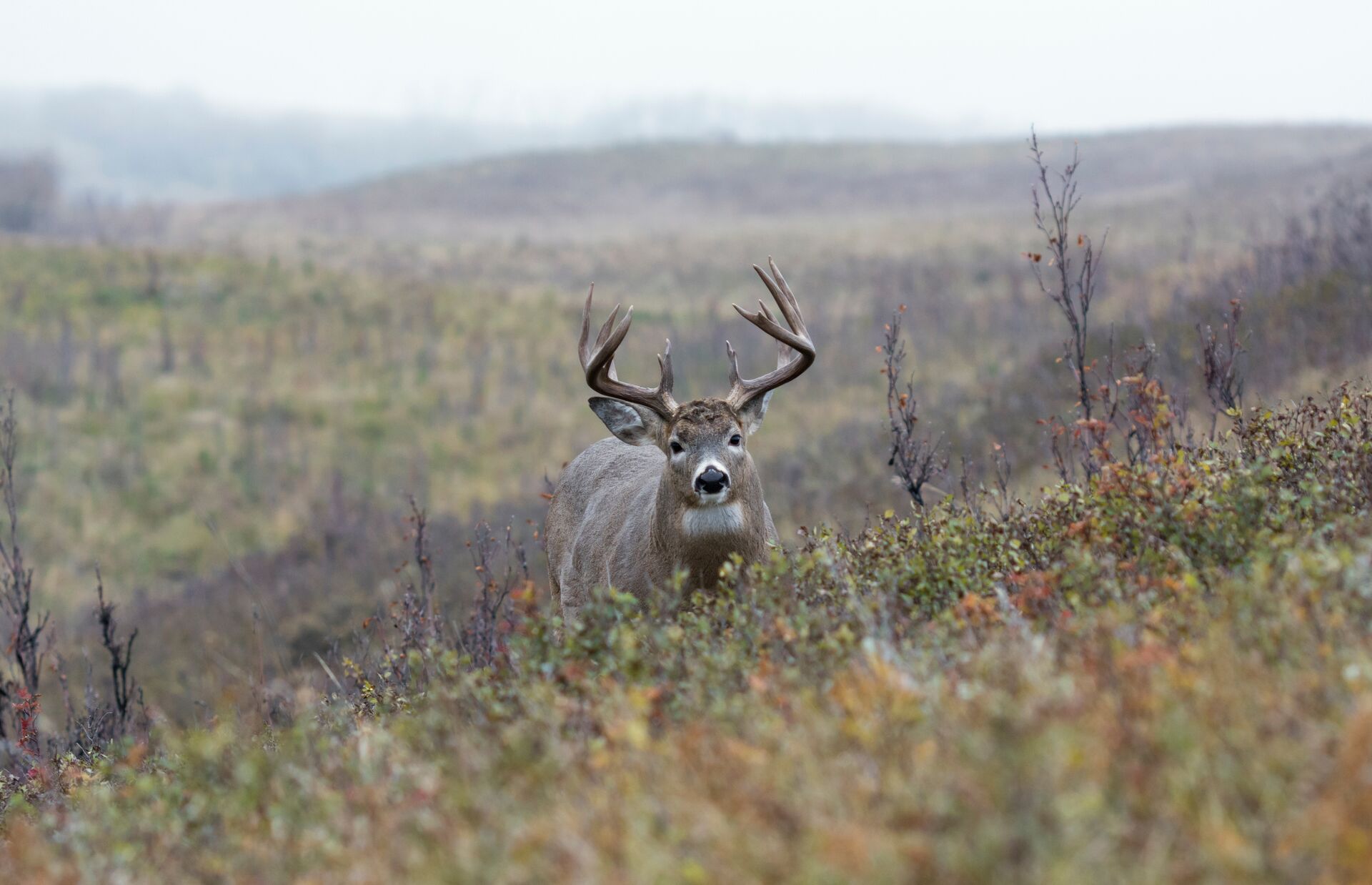
For outdoor enthusiasts and those deeply connected to the rhythm of the wilderness, the arrival of autumn in New York State signals more than just the changing of the leaves; it marks the commencement of a tradition that has been woven into the fabric of the region for generations. Deer hunting is a significant cultural and recreational activity across the vast landscapes of Upstate New York, the Catskill Mountains, and the rolling hills of the Finger Lakes region. Understanding the timing, regulations, and geography of these seasons is essential for anyone looking to engage with the natural environment responsibly and legally.
Navigating the Seasonal Calendar
The New York Department of Environmental Conservation (DEC) manages the deer hunting seasons with meticulous precision to ensure healthy herd populations and sustainable wildlife management. The season is generally divided into several distinct phases, each offering unique challenges and opportunities for hunters.
Archery and Crossbow Seasons
The hunting season typically begins in the early autumn, specifically with archery seasons. In the Southern Zone, which encompasses the majority of the state including the bustling regions near New York City and the Hudson Valley, the early bow season usually kicks off in early October. The Northern Zone, encompassing the rugged Adirondack Park, often sees its archery season start in late September. This early period allows hunters to experience the transition of the forest as summer heat gives way to the crisp, cool air of October.
The Regular Firearms Season
For many, the “Regular” season—the firearms season—is the pinnacle of the year. This period typically begins in mid-November for the Southern Zone and mid-to-late October for the Northern Zone. The timing is strategically chosen to coincide with the “rut,” or the deer breeding season. During this time, deer movement increases significantly, making them more active and visible, which requires hunters to exercise higher levels of patience, preparation, and situational awareness.
Muzzleloader and Late Seasons
Following the regular firearms season, New York often provides late-season opportunities, particularly for muzzleloader enthusiasts. These specialized seasons offer a quieter, more solitary experience in the woods. Late archery seasons also occur in certain locations, such as Suffolk County on Long Island, where geography and population density necessitate highly specific wildlife management strategies.
Geography and Regional Variations
New York State is a geographically diverse entity, and the hunting experience changes dramatically depending on where you choose to set your sights. The state is legally bifurcated into the Northern and Southern Zones, a division that dictates not only the season dates but the ecological character of the hunt.
The Adirondack Wilderness
Hunting in the Adirondack Park is an exercise in endurance and navigation. The terrain is dense, mountainous, and often unforgiving. Because of the harsher winters and lower agricultural presence compared to the southern regions, the deer density in the Adirondacks is different from the suburban-fringe hunting found in the Hudson Valley. Hunters here often seek a more traditional, “deep woods” experience.
The Southern Tier and Finger Lakes
In contrast, the Southern Tier and the Finger Lakes region offer a blend of agricultural land, woodlots, and gentle rolling hills. This area is renowned for higher deer populations, supported by the abundant food sources provided by local farming operations. This environment is highly conducive to deer movement patterns that hunters have tracked and studied for decades.

Island Traditions
Long Island presents a distinct subset of regulations. Due to the high human population and specific conservation needs in places like Suffolk County, hunting here is heavily regulated and often requires specific land-access permits. It is a unique experience that underscores the state’s ability to balance wildlife management with suburban living.
Best Practices and Conservation Ethics
The act of hunting in New York State is not merely about the season dates; it is about adherence to a code of ethics and a commitment to conservation. The New York Department of Environmental Conservation emphasizes safety and the respect for land as the pillars of a successful season.
Safety First
Safety is paramount. Before embarking on any expedition in the wilderness of New York State, hunters must ensure they have completed the mandatory Hunter Education Course. This is not only a legal requirement for obtaining a license but a vital step in learning how to handle firearms, manage tree stands, and identify targets safely. Wearing blaze orange during the firearms season is a non-negotiable standard for visibility and protection.
Respecting Private and Public Land
A significant portion of hunting occurs on state-managed land, such as State Forests and Wildlife Management Areas. These public resources are precious. Hunters are expected to “leave no trace,” packing out everything they pack in and respecting the fragile ecosystems they traverse. When hunting on private property, obtaining explicit, written permission from the landowner is a fundamental requirement of local culture and law. This relationship between hunter and landowner is the bedrock of rural life in New York State.
The Role of Harvest Reporting
Harvest reporting is a critical component of the state’s wildlife management program. When a deer is taken, it must be tagged and reported via the New York State reporting system. This data allows biologists to estimate population counts, track disease spread—such as Chronic Wasting Disease—and adjust season dates and bag limits for future years. Every hunter participates in the scientific process by contributing this data, ensuring that the sport remains viable for generations to come.
Preparing for the Season
As the calendar turns toward the autumn, preparation becomes the primary focus for the dedicated hunter. This involves more than just equipment checks; it requires scouting, physical conditioning, and mental preparation.
Scouting the Landscape
Success is rarely a matter of luck. Experienced hunters spend the late summer and early autumn scouting their areas. They look for “sign”—deer tracks, scat, rubbings on trees, and well-worn trails. Utilizing technology like topographic maps and GPS tools, hunters learn the elevation changes and bedding areas of their chosen location, whether it be in the Catskill Mountains or the farmlands of the Finger Lakes.
Gear and Maintenance
Before the first day of the season, all equipment must be inspected. For those utilizing archery, bow tuning is essential. Firearms should be sighted in at a local range to ensure accuracy. Proper attire is equally important; layering is the key to surviving the unpredictable New York State weather, where a mild morning can quickly transition into a freezing, windy afternoon.

Engaging with Local Communities
Hunting in New York State is a deeply social activity. Many hunters belong to local clubs or gather in small towns to share stories, knowledge, and tips. From the diners in Upstate New York where hunters congregate before the dawn, to the local sporting goods stores where local expertise is dispensed freely, the culture of the hunt is one of camaraderie. It is an opportunity to connect with the landscape, the food source, and the neighbors who share an appreciation for the wild spaces of the Empire State.
By staying informed on the latest updates from the New York Department of Environmental Conservation and respecting the land, hunters can ensure that the tradition of deer hunting in New York State remains a cornerstone of the regional outdoor identity, balancing human activity with the natural splendor of the northeast wilderness.
LifeOutOfTheBox is a participant in the Amazon Services LLC Associates Program, an affiliate advertising program designed to provide a means for sites to earn advertising fees by advertising and linking to Amazon.com. Amazon, the Amazon logo, AmazonSupply, and the AmazonSupply logo are trademarks of Amazon.com, Inc. or its affiliates. As an Amazon Associate we earn affiliate commissions from qualifying purchases.