
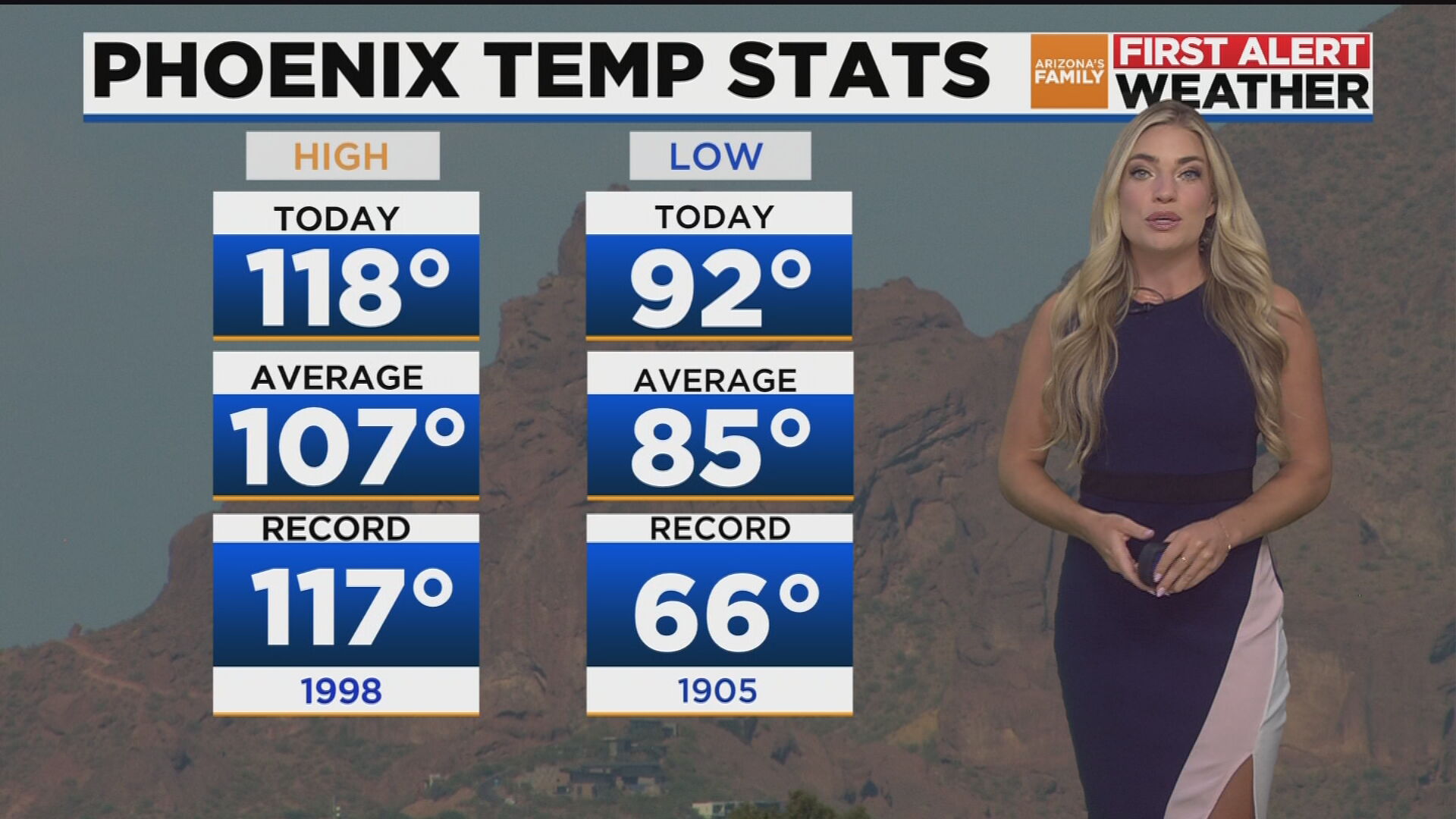
For many travelers, the allure of the desert sun is a powerful draw, promising clear skies and warmth. However, understanding the true nature of the heat in Phoenix, Arizona, is paramount to planning an enjoyable and safe visit. While “today’s” exact temperature can fluctuate, Phoenix is renowned for its intense, arid climate, particularly from May through September. On a typical summer day, temperatures frequently soar above 110°F (43°C), with some days pushing even higher. This isn’t just a number on a thermometer; it’s a defining characteristic of the travel experience in the Valley of the Sun, influencing everything from activity schedules to packing choices and even the pace of life.
Understanding Phoenix’s Desert Climate for Travelers
The formidable heat of Phoenix is a direct consequence of its location within the Sonoran Desert. This unique geographical setting dictates a climate characterized by long, scorching summers and short, mild winters. For a traveler, this means a vastly different experience depending on the time of year they choose to visit.
Seasonal Temperature Variations
While summer in Phoenix can be overwhelmingly hot, the city experiences distinct seasons that offer varying appeal to visitors. The peak summer months of June, July, and August consistently record daily highs exceeding 100°F (38°C), often climbing into the 110s°F (43-46°C). Even overnight, temperatures can remain elevated, providing little relief until the early morning hours. This extreme heat is a crucial factor for those planning travel during this period.
In contrast, the fall, winter, and spring months present a much more temperate and arguably idyllic climate. From November to March, daytime temperatures typically range from the pleasant 60s°F (15-20°C) to the comfortable 80s°F (27°C). This window is widely considered the prime travel season, attracting visitors seeking refuge from colder climates elsewhere. Spring, in particular, showcases the desert in bloom, with vibrant wildflowers transforming the landscape, offering a stark contrast to the barren summer vista. Understanding these seasonal shifts is the first step in tailoring a Phoenix itinerary that aligns with personal comfort and desired activities.
The Dry Heat Phenomenon
One frequently cited characteristic of Phoenix’s heat is that “it’s a dry heat.” While this statement holds some truth and distinguishes it from the humid heat found in other regions, it doesn’t diminish the intensity. The low humidity levels mean that sweat evaporates more quickly, providing a cooling sensation that might make 100°F feel less oppressive than it would in a humid environment. However, this rapid evaporation also means the body can dehydrate much faster, often without the traveler realizing it.
For visitors, the dry heat requires proactive hydration and vigilance against heat-related illnesses. While it might feel more bearable than humid heat, the physiological demands on the body are still significant. The sun’s rays penetrate deeply, making sun protection a non-negotiable aspect of any outdoor excursion. Travelers accustomed to humid climates might initially find the dry air invigorating, but sustained exposure without proper precautions can quickly lead to fatigue, heat exhaustion, or even heatstroke. Recognizing the nuances of the “dry heat” is vital for safe and enjoyable exploration of the Sonoran Desert.
Navigating the Heat: Best Times to Visit
The intense heat of Phoenix undoubtedly shapes the travel experience, but it doesn’t have to deter visitors. Instead, it necessitates thoughtful planning and an understanding of how to best enjoy the destination during different times of the year.
Embracing the Cooler Seasons
For travelers prioritizing outdoor activities, comfortable exploration, and pleasant evenings, the cooler seasons—from late fall through early spring (typically October to April)—are unequivocally the best time to visit. During these months, the weather is perfect for hiking trails like those at Camelback Mountain or Pinnacle Peak, exploring the vibrant flora at the Desert Botanical Garden, or enjoying a round of golf at one of the many world-class courses in Scottsdale or Mesa.
Daytime temperatures are conducive to leisurely strolls through Old Town Scottsdale, outdoor dining on patios, and visiting attractions such as Taliesin West, Frank Lloyd Wright’s winter home and architectural school. Evenings are refreshingly cool, making it ideal for enjoying outdoor concerts, exploring the nightlife in Tempe, or simply relaxing by a resort pool without the oppressive midday sun. During this period, Phoenix truly shines as a premier winter escape destination, offering a robust calendar of events, festivals, and sporting activities that take full advantage of the agreeable climate.
Summer Travel: A Different Perspective
While often considered the “off-season” due to the extreme heat, summer in Phoenix offers its own unique advantages for the discerning traveler. Hotel rates, flights, and even attraction admissions are typically lower, providing significant cost savings. Many resorts, such as the JW Marriott Desert Ridge Resort & Spa or The Phoenician, A Luxury Collection Resort, Scottsdale, offer enticing summer packages with discounted amenities, turning them into veritable oases for escaping the heat.
Travel during the summer months demands a shift in mindset and schedule. Instead of midday hikes, travelers embrace early morning activities, pre-dawn explorations, or focus on indoor attractions. Water parks, resort pools with lazy rivers, and splash pads become central to the daily itinerary. The evenings, while still warm, often bring stunning sunsets and the dramatic monsoon thunderstorms, offering a powerful display of nature’s forces across the desert landscape. For those willing to adapt, summer travel to Phoenix can be a rewarding and surprisingly unique experience, focusing on relaxation, aquatic fun, and budget-friendly luxury.

Essential Tips for Staying Comfortable and Safe
Regardless of the season, a successful trip to Phoenix requires an awareness of the desert environment and proactive measures to ensure comfort and safety, especially when the mercury rises.
Hydration and Sun Protection
These two elements are non-negotiable for any traveler in Phoenix. The dry air, coupled with high temperatures, can lead to rapid dehydration. It is crucial to drink water continuously throughout the day, even if you don’t feel thirsty. Carry a reusable water bottle and refill it frequently; many public places, resorts, and attractions provide water stations. Avoid excessive alcohol and sugary drinks, as they can contribute to dehydration.
Sun protection is equally vital. The Arizona sun is intense, even on seemingly mild days. Always wear a broad-spectrum sunscreen with a high SPF, and reapply it regularly, especially after sweating or swimming. Wide-brimmed hats, sunglasses, and lightweight, light-colored clothing made from breathable fabrics (like cotton or linen) are highly recommended. Seek shade whenever possible, and be particularly cautious during the peak sun hours of 10 AM to 4 PM.
Strategic Activity Planning
To make the most of your travel in Phoenix, strategic planning of your daily activities is key. During the cooler seasons, this might simply mean enjoying the pleasant weather without much restriction. However, in summer, it means completely rethinking your schedule.
Early Mornings and Late Evenings: Schedule outdoor activities like hiking, biking, or sightseeing for the early morning hours, ideally before 8 AM, or late in the evening after sunset. The desert offers breathtaking sunrises, making an early start a picturesque as well as practical choice. Similarly, evenings are perfect for outdoor dining, stargazing, or visiting attractions that offer extended hours.
Midday Retreat: Plan your midday hours (roughly 10 AM to 5 PM) around indoor activities or water-based fun. This is the time to visit museums, art galleries, shopping centers, or simply relax by a resort pool. This approach allows you to experience the best of Phoenix without succumbing to the most extreme heat.
Utilizing Indoor Attractions
Phoenix boasts a wealth of air-conditioned indoor attractions that provide excellent respite from the heat while offering rich cultural and entertainment experiences.
The Heard Museum offers a deep dive into Native American art and culture, providing a fascinating and educational experience. The Musical Instrument Museum (MIM) is another world-class institution, showcasing instruments from across the globe in engaging, interactive exhibits. For those interested in art and design, the Phoenix Art Museum offers diverse collections. Shopping enthusiasts can explore the numerous upscale malls and unique boutiques in Scottsdale and other Phoenix suburbs like Glendale and Tempe. Even university campuses, such as Arizona State University in Tempe, offer indoor attractions and air-conditioned spaces to explore. These indoor havens are crucial for balancing outdoor adventures with comfortable, climate-controlled environments.
Unique Experiences Only Phoenix Can Offer
Despite or perhaps because of its unique climate, Phoenix offers a range of experiences that are distinct to its desert setting, providing memorable travel opportunities throughout the year.
Desert Nights and Stargazing
One of the most magical aspects of the Sonoran Desert in Arizona is its incredible night sky. Away from the city lights, the low humidity and clear skies create perfect conditions for stargazing. Even during the hotter months, evenings bring a relative coolness that allows for comfortable enjoyment of the celestial display. Travelers can venture to designated dark sky areas, participate in guided stargazing tours, or simply recline by a resort pool and marvel at the clarity of the Milky Way. This experience offers a profound connection to the vastness of the desert and is a serene contrast to the daytime heat.
Water-Based Activities and Resorts
Phoenix has mastered the art of luxurious desert living, particularly evident in its world-class resorts. Many, like the Arizona Biltmore, A Waldorf Astoria Resort, boast elaborate pool complexes, lazy rivers, and water slides that provide an instant escape from the heat. These resorts are destinations in themselves, offering everything from spa treatments to fine dining, all within a climate-controlled or water-centric environment. For those seeking more active water pursuits, nearby lakes like Lake Pleasant offer opportunities for boating, jet-skiing, and paddleboarding. Water parks across the metropolitan area also provide thrilling ways to cool down, making aquatic activities a cornerstone of summer travel to Phoenix.

Culinary Delights Beyond the Sun
Phoenix’s culinary scene is vibrant and diverse, offering a range of dining experiences that can be enjoyed regardless of the temperature. From upscale farm-to-table restaurants in downtown Phoenix to authentic Southwestern cuisine, the food landscape reflects the region’s rich cultural heritage. Many restaurants feature sophisticated indoor dining rooms, allowing diners to savor gourmet meals in air-conditioned comfort. For those who enjoy outdoor ambiance, many establishments offer misted patios and shaded courtyards that become inviting as the sun sets. Exploring the unique flavors, from regional Mexican dishes to contemporary American fare infused with local ingredients, provides a delicious way to experience Phoenix that transcends the daily temperature. It is a testament to the city’s resilience and adaptability that it can offer such a high quality of life and visitor experience, even when the heat is at its most intense.
LifeOutOfTheBox is a participant in the Amazon Services LLC Associates Program, an affiliate advertising program designed to provide a means for sites to earn advertising fees by advertising and linking to Amazon.com. Amazon, the Amazon logo, AmazonSupply, and the AmazonSupply logo are trademarks of Amazon.com, Inc. or its affiliates. As an Amazon Associate we earn affiliate commissions from qualifying purchases.