
Divorce is undeniably one of life’s most significant transitions, impacting every facet of an individual’s existence, from emotional well-being to financial security and future lifestyle choices. In California, a key component of many divorce proceedings is the determination of spousal support, commonly known as alimony. Far from being a simple calculation, alimony in California is a complex legal and financial process designed to help spouses adjust to their new realities and maintain a semblance of their established lifestyle. Understanding how alimony is determined is crucial for anyone navigating this challenging period, as it lays the groundwork for financial independence and the shaping of a new life chapter. This insightful guide delves into the nuances of alimony determination in the Golden State, examining the legal frameworks, the factors considered by the courts, and the profound implications for an individual’s post-divorce lifestyle. From temporary arrangements designed to ease immediate financial strain to long-term support intended to foster self-sufficiency, we explore how judicial decisions aim to strike a balance between fairness and practicality, ultimately influencing everything from daily living expenses to the ability to pursue new experiences or maintain beloved travel traditions.
Understanding Alimony: A Pillar of Post-Divorce Lifestyle Adjustment
Alimony, or spousal support, in California serves as a vital financial bridge for spouses transitioning from a shared marital lifestyle to independent living. Its fundamental purpose is to mitigate any unfair economic effects that may arise from a divorce, particularly when one spouse has a significantly lower earning capacity or has sacrificed career advancement for the benefit of the marriage or family. The court’s objective is not to punish either party but to ensure a fair and equitable division of future financial responsibilities, allowing both individuals to move forward with their lives on a stable footing. The determination of alimony is thus a critical component in shaping the financial landscape and lifestyle opportunities available to each spouse post-divorce.
The Core Purpose of Spousal Support in California
The primary goal of spousal support in California is to ensure that both parties can maintain a standard of living reasonably comparable to that enjoyed during the marriage, for a period sufficient to allow the supported spouse to become self-supporting. This doesn’t necessarily mean an exact replication of the marital lifestyle, which may not be feasible given the division of resources. Instead, it aims for a practical and equitable adjustment. For example, if a couple regularly enjoyed international travel and luxury experiences before divorce, the court would consider the financial implications of maintaining a somewhat similar, albeit adjusted, lifestyle for the supported spouse. The court examines the economic realities faced by both individuals, acknowledging contributions made during the marriage, both financial and non-financial, such as child-rearing and homemaking. This holistic view ensures that the transition to single life doesn’t disproportionately burden one spouse, thereby impacting their ability to live a fulfilling and independent lifestyle.
Temporary vs. Permanent Alimony: Differing Impacts on Lifestyle Planning
Alimony in California is typically categorized into two main types, each with distinct implications for lifestyle planning: temporary and permanent (or long-term) spousal support. Temporary alimony is ordered while a divorce case is pending, providing immediate financial relief to the lower-earning spouse. This interim support helps cover living expenses, allowing them to maintain their current lifestyle during the often lengthy legal process. It’s calculated using specific guidelines and is generally easier to obtain. Its impact on lifestyle is immediate, ensuring stability during uncertainty.
Permanent alimony, determined at the conclusion of the divorce, is more complex. While often referred to as “permanent,” it rarely means lifelong support. Instead, it implies a support order that lasts until the court determines it should terminate, either due to specific events (like remarriage) or after a reasonable period for the supported spouse to become self-sufficient. For marriages of “long duration” (typically 10 years or more), the court retains jurisdiction indefinitely, meaning there is no automatic termination date. This type of alimony has a profound, long-term impact on lifestyle, influencing everything from housing choices and career paths to retirement planning and the ability to indulge in activities like travel or leisure. It provides a more sustained financial foundation, enabling the supported spouse to rebuild their life with greater security and flexibility.
Navigating the Legal Framework: Factors Influencing Alimony Awards
The determination of alimony in California is not a rigid formula but rather a comprehensive assessment guided by specific legal statutes and judicial discretion. Unlike child support, which often relies on a calculable guideline, spousal support involves a nuanced evaluation of various factors outlined in the California Family Code. This intricate framework allows courts to tailor support orders to the unique circumstances of each case, ensuring that the final award aligns with principles of fairness and equity, and fundamentally impacts the post-divorce lifestyle of both parties.
The California Family Code: A Guiding Compass for Lifestyle Stability
Section 4320 of the California Family Code lays out a comprehensive list of factors a judge must consider when determining long-term spousal support. These factors serve as a guiding compass, directing the court to assess the entire economic and social context of the marriage and its dissolution. Key considerations include:
- Marital Standard of Living: The lifestyle established during the marriage is a primary benchmark. This includes housing, travel, entertainment, and other expenses that defined the couple’s quality of life. The court aims to allow the supported spouse to maintain a reasonably comparable lifestyle, to the extent feasible.
- Earning Capacity: The court evaluates each spouse’s ability to earn income, considering marketable skills, education, job market for those skills, and the extent to which the supported spouse’s earning capacity was impaired by periods of unemployment or reduced employment due to domestic duties. This directly impacts their capacity to fund their desired lifestyle.
- Contributions to the Supporting Spouse’s Career: If one spouse contributed to the education, training, career, or professional license of the other, this is weighed heavily, as it often means personal sacrifice that impacted their own earning potential and future lifestyle.
- Needs of Each Party: The court considers the needs of each spouse based on the marital standard of living. This covers everything from housing and transportation to healthcare and personal expenses.
- Duration of the Marriage: The length of the marriage is a significant factor. For marriages of long duration (generally 10 years or more), the court retains ongoing jurisdiction and there’s no presumption of an end date for support, offering more long-term lifestyle stability.
- Age and Health of the Parties: Older or less healthy spouses may require more extended support due to reduced earning capacity and increased medical needs, influencing their ability to enjoy a desired lifestyle.
- Domestic Violence: Documented history of domestic violence between the parties is a strong factor against awarding support to an abusive spouse, and for providing support to the victim, impacting their safety and well-being.
- Tax Consequences: The immediate and long-term tax implications of spousal support for both parties are also considered, as they affect net income and financial planning.
These factors are not exhaustive, and the court can consider any other factors it deems just and equitable. This broad discretion ensures that the unique circumstances of each case are addressed, allowing for a tailored support order that profoundly influences the future lifestyle paths of both individuals.
Discretionary Power of the Courts: Tailoring Support to Individual Lifestyles
While the California Family Code provides clear guidelines, judges retain substantial discretionary power in applying these factors to specific cases. This means that two seemingly similar cases might result in different alimony awards, reflecting the nuanced details and arguments presented. The court’s discretion allows for a personalized approach to support, aiming to create an order that truly reflects the individual lifestyles, needs, and capacities of the divorcing spouses. This flexibility ensures that support orders are not cookie-cutter solutions but are carefully sculpted to promote financial and personal well-being post-divorce. For instance, a judge might weigh the potential for one spouse to quickly re-enter the workforce against their commitment to caring for young children, directly impacting the duration and amount of support and consequently, their ability to pursue new educational opportunities or travel experiences. This judicial discernment is critical in ensuring that alimony serves its purpose as an equitable adjustment rather than a rigid imposition.
The Financial Landscape: Calculating Support and Its Lifestyle Implications
The determination of alimony in California is intrinsically linked to the financial realities of both spouses. Courts meticulously analyze income, expenses, and earning capacities to construct a support order that is both fair and sustainable. This financial evaluation has direct and lasting implications for the lifestyle each individual can maintain or build following the divorce. Understanding how these financial elements are assessed is key to grasping the ultimate impact on one’s quality of life.
Income and Earning Capacity: The Foundation of Financial Independence
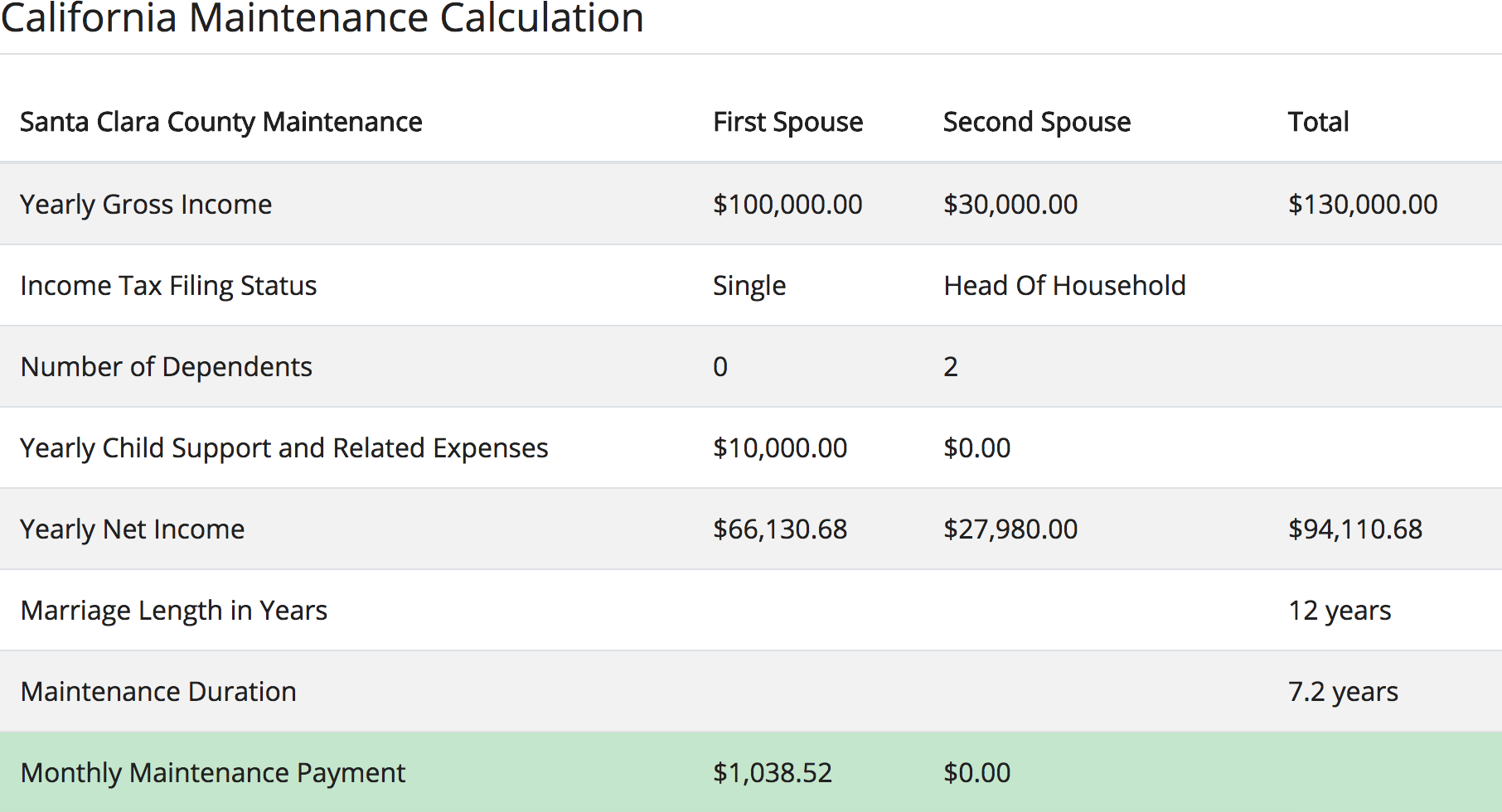
The most fundamental aspect of alimony determination is the assessment of each spouse’s income and earning capacity. This isn’t just about current paychecks; it delves into what each person could earn. If one spouse intentionally underemploys themselves to avoid paying support, or to seek more support, the court can “impute” income, meaning it will assume an earning capacity based on their skills, education, and job market. This concept is crucial for promoting financial independence, as it encourages both parties to maximize their earning potential. The higher the disparity in earning capacity, the more likely substantial support will be awarded. This directly impacts the supported spouse’s ability to fund their desired lifestyle, whether it involves maintaining a comfortable home, pursuing hobbies, or even taking vacations to destinations like Los Angeles or San Francisco. For the supporting spouse, it defines the extent of their financial obligation and how it will affect their own discretionary income and spending habits.
Standard of Living During Marriage: Maintaining a Comparable Lifestyle
A pivotal factor in California alimony cases is the marital standard of living. The court strives to ensure that the supported spouse can maintain a lifestyle reasonably comparable to what they enjoyed during the marriage. This doesn’t mean guaranteeing the exact same level of luxury, which is often impossible with the division of assets and incomes. Instead, it serves as a qualitative benchmark. Did the couple dine out frequently? Did they travel regularly? What kind of housing did they inhabit? The answers to these questions help the court understand the “lifestyle” that alimony is intended to support. This consideration is vital for the supported spouse, as it aims to prevent a drastic decline in their quality of life. For the supporting spouse, it dictates the financial commitment required to help uphold that standard, influencing their own budgeting and future expenditures.
The Impact of Alimony on Future Financial Planning (e.g., travel, housing, investments)
The alimony order has far-reaching implications for both parties’ future financial planning and lifestyle choices. For the recipient, it provides a foundation for budgeting, allowing them to plan for housing, daily expenses, and potentially saving for future goals. This financial predictability can empower them to pursue new educational paths, re-enter the workforce, or even plan for leisure activities and travel that contribute to a fulfilling post-divorce life. For the payer, alimony represents a significant ongoing expense that must be factored into their budget, impacting their ability to save, invest, or spend on discretionary items like luxury travel or real estate. The tax implications, though changed by the 2017 Tax Cuts and Jobs Act (where alimony is no longer deductible for the payer or taxable for the recipient for divorces finalized after December 31, 2018), still require careful consideration in overall financial strategy. Strategic financial planning around alimony is crucial for both parties to ensure long-term stability and the ability to achieve their individual lifestyle aspirations.
Duration and Modification: Adapting Alimony to Evolving Lifestyles
Alimony orders are not always static; they are designed to adapt to the changing circumstances of life. The duration of spousal support and the potential for its modification are critical elements that determine how long and under what conditions alimony will impact the financial and personal lifestyles of both the payer and the recipient. Understanding these aspects is essential for long-term financial planning and adapting to new life stages.
The “Half the Length of Marriage” Guideline and Its Exceptions
For marriages of “short duration” (typically less than 10 years in California), there is a general guideline that spousal support should last for approximately half the length of the marriage. The rationale behind this guideline is to provide the supported spouse with enough time to become self-sufficient, mirroring the period of dependency. For instance, if a couple was married for eight years, alimony might be ordered for about four years. This guideline offers a clear end-date, allowing both parties to plan for a future free of alimony obligations or reliance. However, this is merely a guideline, not a strict rule. Courts can deviate from it based on the specific factors outlined in Family Code 4320, especially if one spouse’s ability to become self-supporting is significantly hampered by age, health, or childcare responsibilities. These exceptions acknowledge that not all transitions can be neatly fitted into a formula, and some individuals may require more time to achieve a stable and independent lifestyle.
When Lifestyles Change: Grounds for Alimony Modification
Life is dynamic, and circumstances can change significantly after a divorce is finalized. California law allows for the modification of alimony orders if there is a “material change in circumstances” that substantially impacts the financial situation of either spouse. Common grounds for modification include a significant increase or decrease in either spouse’s income, a job loss, retirement, a serious illness, or the remarriage or cohabitation of the supported spouse. For example, if the supporting spouse loses their job, their ability to pay alimony is affected, potentially leading to a reduction in the support order, which in turn impacts the recipient’s lifestyle. Conversely, if the supported spouse secures a high-paying job, their need for support may diminish. These modifications are crucial for ensuring that alimony orders remain fair and relevant to the current lifestyles and financial capacities of both parties, reflecting their evolving realities.
Termination of Alimony: Achieving Financial Autonomy
Alimony does not last forever, and its termination is a significant milestone signaling greater financial autonomy for both parties. In California, spousal support typically terminates upon the death of either party or the remarriage of the supported spouse. For marriages of “long duration” (10 years or more), as mentioned, the court generally retains indefinite jurisdiction to modify or terminate the order, meaning there is no automatic end date. However, the court can still terminate support if the supported spouse becomes self-supporting or if there are other compelling changes in circumstances. The concept of “self-sufficiency” is central to the ultimate goal of alimony: to enable the supported spouse to become financially independent. When alimony ends, both individuals gain full financial control over their income and assets, allowing them to fully shape their independent lifestyles, make unfettered travel plans, and pursue financial investments without the direct legal ties of spousal support. This final stage of the alimony journey represents the culmination of the adjustment process, opening doors to complete financial freedom and personal reinvention.
Strategic Planning for a New Lifestyle: Beyond the Courtroom
While the courtroom plays a crucial role in determining alimony, the journey towards a stable and fulfilling post-divorce lifestyle extends far beyond legal judgments. Strategic planning, often involving alternative dispute resolution and professional guidance, empowers individuals to navigate the complexities of financial separation and consciously design their future. This proactive approach helps shape a new lifestyle that aligns with personal aspirations, financial realities, and newfound independence in California.
Mediation and Negotiation: Crafting Personalized Lifestyle Solutions
Not all alimony determinations require contentious litigation. Mediation and negotiation offer divorcing spouses the opportunity to collaboratively craft personalized solutions for spousal support that reflect their unique circumstances and lifestyle goals. In mediation, a neutral third party facilitates discussions, helping both spouses reach mutually agreeable terms outside of court. This process can be less adversarial, more cost-effective, and often leads to more sustainable agreements because both parties have actively participated in their creation. For instance, a couple might agree on a specific step-down plan for alimony payments, allowing the supported spouse to gradually increase their financial independence while the supporting spouse adjusts their budget. This flexibility can be particularly beneficial for coordinating financial planning for children, ensuring continued support for activities or educational paths that contribute to the family’s overall lifestyle. Crafting solutions through negotiation and mediation empowers individuals to take control of their future, leading to outcomes that better support their desired lifestyle adjustments than a judge’s potentially rigid order.
Professional Guidance: Securing Your Future Financial and Travel Freedoms
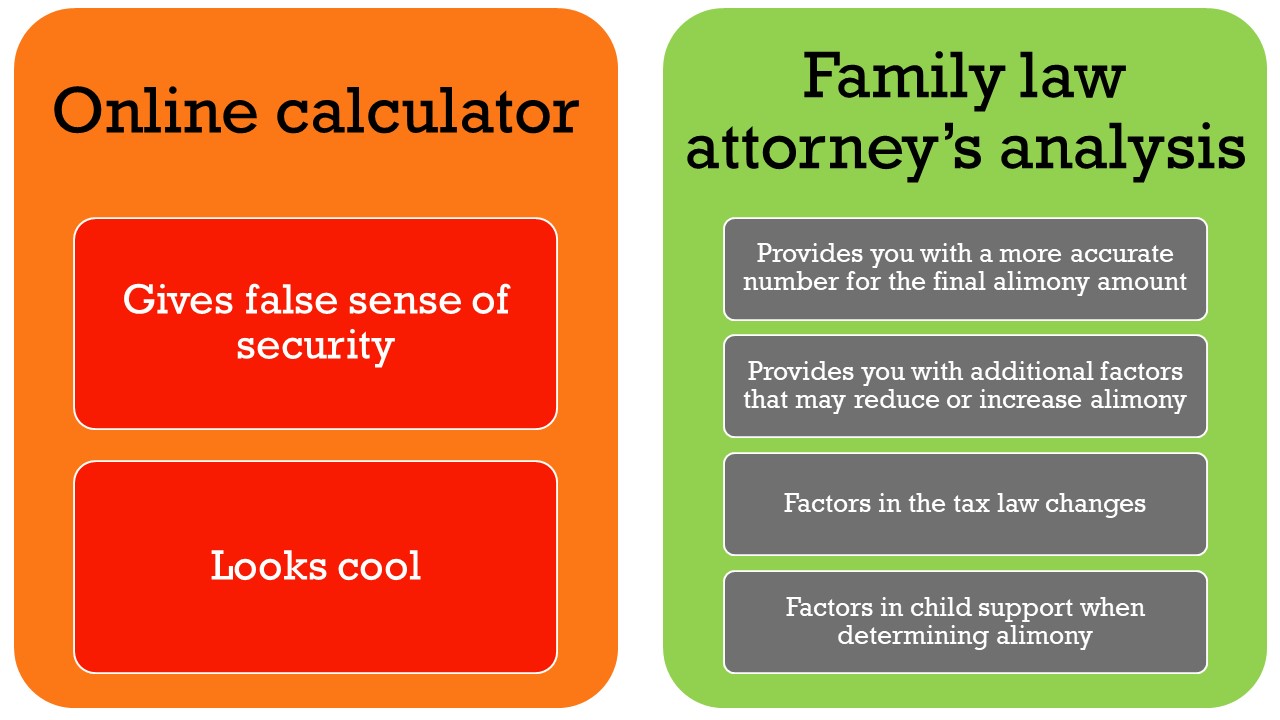
Navigating alimony determination and its long-term lifestyle implications can be overwhelming. Engaging qualified professionals, such as family law attorneys, financial advisors, and therapists, is crucial for securing a stable future. A skilled family law attorney can explain the intricacies of California law, advocate for your interests, and guide you through the legal process, ensuring that the alimony order is fair and sustainable. Financial advisors specialize in post-divorce financial planning, helping individuals budget, invest, and make informed decisions about their assets and support payments. They can project future financial stability, factoring in alimony, and assist in planning for significant lifestyle elements like homeownership, retirement, or travel goals. For instance, an advisor could help a recipient plan how to use their support to save for a down payment on a new home or fund a long-desired trip to Yosemite National Park once financially stable. Therapists can provide emotional support, helping individuals cope with the stress of divorce and transition into their new life confidently. Together, these professionals form a robust support system, equipping individuals with the tools and knowledge to rebuild their lives and achieve desired financial and lifestyle freedoms.

Embracing a New Chapter: Rebuilding Your Life in California
Ultimately, the determination of alimony in California is a foundational step in embracing a new chapter of life. While the legal process can be challenging, the outcome provides a framework for financial stability, enabling individuals to redefine their lifestyles and pursue new opportunities. Whether it involves starting a new career, exploring personal interests, or embarking on new travel adventures across the diverse landscapes of California, alimony helps smooth the path towards self-sufficiency and contentment. It’s an opportunity to reshape personal narratives, redefine independence, and consciously design a future that reflects personal values and aspirations. By understanding the intricate process of alimony determination and strategically planning for the future, individuals can confidently navigate post-divorce life and build a fulfilling, independent lifestyle. The goal is not merely to survive the transition but to thrive, utilizing the support received or provided as a stepping stone towards a richer, more intentional life in the Golden State.
LifeOutOfTheBox is a participant in the Amazon Services LLC Associates Program, an affiliate advertising program designed to provide a means for sites to earn advertising fees by advertising and linking to Amazon.com. Amazon, the Amazon logo, AmazonSupply, and the AmazonSupply logo are trademarks of Amazon.com, Inc. or its affiliates. As an Amazon Associate we earn affiliate commissions from qualifying purchases.