
Colorado, a state synonymous with majestic mountain ranges, vibrant outdoor adventures, and breathtaking natural beauty, experiences a diverse and often dramatic climate. Understanding its weather patterns is paramount for any traveler planning a trip, ensuring they can pack appropriately and optimize their experiences, whether they’re aiming for snowy slopes or sun-drenched hiking trails. This guide delves into the nuances of Colorado’s weather, from its high-altitude influences to seasonal variations, empowering you to make the most of your visit to the Centennial State.
The Altitude Effect: A Key Climatic Driver
The most significant factor influencing Colorado’s weather is its elevation. The state boasts the highest average elevation of any state in the United States, with over 50 of its peaks exceeding 14,000 feet. This consistent high altitude has profound effects on temperature, precipitation, and air pressure, creating distinct microclimates across the state.
Temperature Fluctuations
Temperatures in Colorado are heavily dictated by elevation. Higher elevations, particularly in the Rocky Mountains, are significantly colder than lower-lying areas like the Eastern Plains. Even during the summer months, it’s not uncommon for snow to fall at higher elevations, while cities like Denver may experience pleasant, warm days. This means that regardless of the season, packing layers is always a wise strategy when venturing into mountainous terrain.
Precipitation Patterns
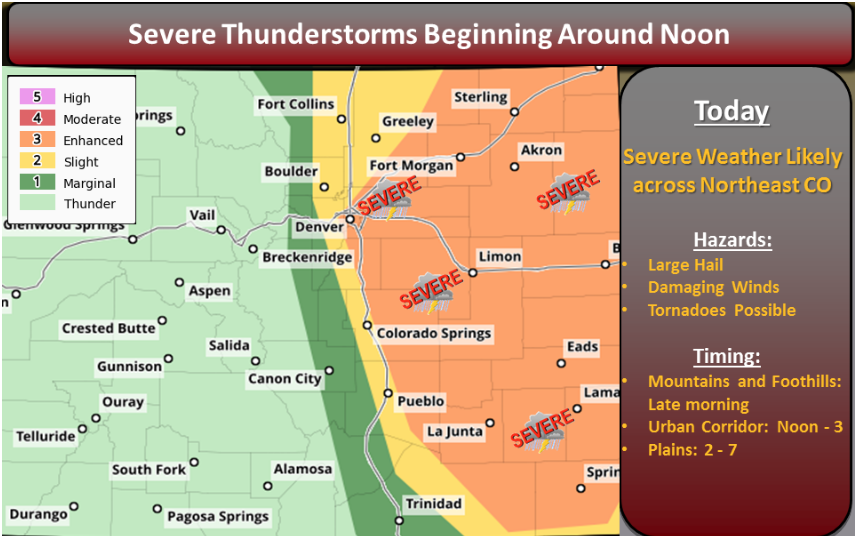
The mountainous regions are also where most of Colorado’s precipitation falls. These areas act as a natural barrier, capturing moisture from incoming weather systems. This results in abundant snowfall during the winter, crucial for the state’s thriving ski industry in destinations like Aspen and Vail. Conversely, the plains often experience drier conditions, though they can be subject to severe thunderstorms during the warmer months.
Sun and Sunshine
Despite potential for snow, Colorado is renowned for its sunshine. The high altitude and often clear skies mean that sunshine is abundant year-round. Denver, for instance, is often cited as one of the sunniest major cities in the USA. This sunshine can be intense, especially at higher elevations, so sun protection is a must, even on cooler days.
Seasonal Weather Snapshots
Colorado’s distinct four seasons each offer a unique weather profile, catering to different types of outdoor enthusiasts.
Spring (March – May): A Transitional Period
Spring in Colorado is a study in contrasts. It’s a period of significant transition, where winter’s grip begins to loosen, but remnants often linger.
Mountain Snowfall and Skiing
For much of the state, especially in the mountains, spring still offers excellent skiing conditions. Resorts often remain open well into April, and sometimes even May, with longer daylight hours making for enjoyable days on the slopes. However, weather can be unpredictable, with late-season snowstorms still a possibility.
Thawing and Mud Season
As temperatures rise, snow begins to melt, leading to what is colloquially known as “mud season” in some mountain towns. Trails can become muddy and impassable, and avalanche risk can increase in the backcountry. This period might be less ideal for hiking in higher elevations but can be perfect for exploring lower-altitude areas or enjoying the emerging greenery.
Plains Thunderstorms
On the eastern plains, spring marks the beginning of thunderstorm season. These storms can be dramatic, bringing heavy rain, hail, and even tornadoes, particularly in April and May.
Summer (June – August): Warm Days and Cool Nights
Summer in Colorado is generally pleasant, characterized by warm, sunny days and cooler nights, especially at higher elevations.
Mountain Recreation
This is peak season for hiking, biking, camping, and exploring national parks like Rocky Mountain National Park. Daytime temperatures in the mountains are typically mild, though afternoon thunderstorms are common. These storms are usually brief but can be intense, so it’s advisable to start hikes early in the day and be aware of weather forecasts.
City Summer
Cities like Boulder and Colorado Springs enjoy warm, dry summers with plenty of sunshine. Outdoor festivals, concerts, and farmers’ markets are abundant. Evenings can still be cool, making for comfortable sleeping.
High-Altitude Heat
While generally cooler, higher elevations can still experience intense daytime heat when the sun is strong. Pack accordingly for sun exposure.
Autumn (September – November): A Kaleidoscope of Color
Autumn in Colorado is arguably the most visually stunning season, with aspens turning vibrant shades of gold. The weather is often crisp and clear, offering a brief window of ideal conditions before winter arrives.
The Golden Aspens
The peak of the fall foliage typically occurs from mid-September to early October, depending on the elevation and specific year. Areas like Aspen, Crested Butte, and the San Juan Mountains are prime destinations to witness this spectacular natural display.
Crisp Air and Clear Skies

The air in the fall is often incredibly clear, offering unparalleled views of the mountain vistas. Days are typically sunny and cool, with temperatures dropping significantly after sunset. This is a fantastic time for hiking and scenic drives.
Early Snowfall
As the season progresses into November, the first significant snowfalls can occur in the mountains, signaling the imminent start of the winter sports season.
Winter (December – February): A Snow Lover’s Paradise
Winter in Colorado is defined by snow, cold temperatures, and opportunities for winter sports.
Ski Season Glory
This is the heart of ski season. Resorts across the state receive substantial snowfall, creating ideal conditions for skiing, snowboarding, and other snow-related activities. Popular destinations include Breckenridge, Steamboat Springs, and Telluride.
Extreme Cold and Snow
Temperatures can plummet, especially at higher elevations, with sub-zero Fahrenheit readings being common. Snowfall can be heavy and persistent, sometimes leading to road closures and travel disruptions. Avalanche warnings are a serious concern in mountainous backcountry areas.
Sunny Winter Days
Despite the cold and snow, Colorado often experiences beautiful, sunny winter days, known as “bluebird days” by skiers. These days offer stunning visibility and a chance to enjoy the snowy landscapes in pleasant, though cold, conditions.
Understanding Microclimates and Regional Differences
Colorado’s geography is incredibly varied, leading to distinct weather patterns even within relatively short distances.
The Front Range
The urban corridor along the Front Range (including cities like Denver, Aurora, and Fort Collins) experiences a semi-arid climate with distinct seasons. It’s generally warmer and drier than the mountains but can be subject to strong winds, especially from the east.
Chinooks and Blizzards
The Front Range is also known for occasional “Chinook” winds, warm, dry winds that can rapidly raise temperatures in the winter, often melting snow. Conversely, it can also experience severe blizzards.
The Western Slope
The Western Slope of Colorado, encompassing areas like Grand Junction, tends to be warmer and drier than the rest of the state. It features desert-like landscapes and experiences a more pronounced temperature range between day and night.
The San Luis Valley
This large, high-altitude valley in south-central Colorado is known for its extreme temperature fluctuations and often windy conditions. It’s a unique ecosystem with its own distinct climate.
Preparing for Colorado’s Weather
Regardless of the season or your specific destination within Colorado, some general preparation tips will enhance your travel experience.
Layering is Key
This cannot be stressed enough. The weather can change rapidly, and temperatures can vary dramatically with elevation. Packing a base layer, insulating mid-layer (like fleece or down), and a waterproof/windproof outer shell will prepare you for almost any condition.
Sun Protection
The sun’s rays are more intense at higher altitudes. Always use sunscreen, wear a hat, and consider sunglasses, even on cloudy days.
Hydration
The dry air, especially at high altitudes, can lead to dehydration. Drink plenty of water.
Checking Forecasts
Always check the local weather forecast before heading out for the day, especially if you are engaging in outdoor activities in the mountains. Websites and apps dedicated to mountain weather can be invaluable.
Emergency Preparedness
For any backcountry excursions, inform someone of your plans, carry appropriate safety gear, and be aware of potential hazards like altitude sickness, rapidly changing weather, and wildlife.
By understanding the unique climatic characteristics of Colorado and preparing accordingly, your visit to this magnificent state promises to be an unforgettable adventure, filled with awe-inspiring landscapes and exhilarating experiences.
LifeOutOfTheBox is a participant in the Amazon Services LLC Associates Program, an affiliate advertising program designed to provide a means for sites to earn advertising fees by advertising and linking to Amazon.com. Amazon, the Amazon logo, AmazonSupply, and the AmazonSupply logo are trademarks of Amazon.com, Inc. or its affiliates. As an Amazon Associate we earn affiliate commissions from qualifying purchases.