
South Dakota, a state steeped in the grandeur of the Great Plains and dotted with iconic landmarks, presents a unique geographical and temporal curiosity: a timezone boundary that bisects the state. This seemingly minor detail has significant implications for travelers, businesses, and the daily lives of residents. Understanding where and why this temporal divide exists is key to navigating the state effectively and appreciating its nuanced character.
The Temporal Divide: Mountain vs. Central Time
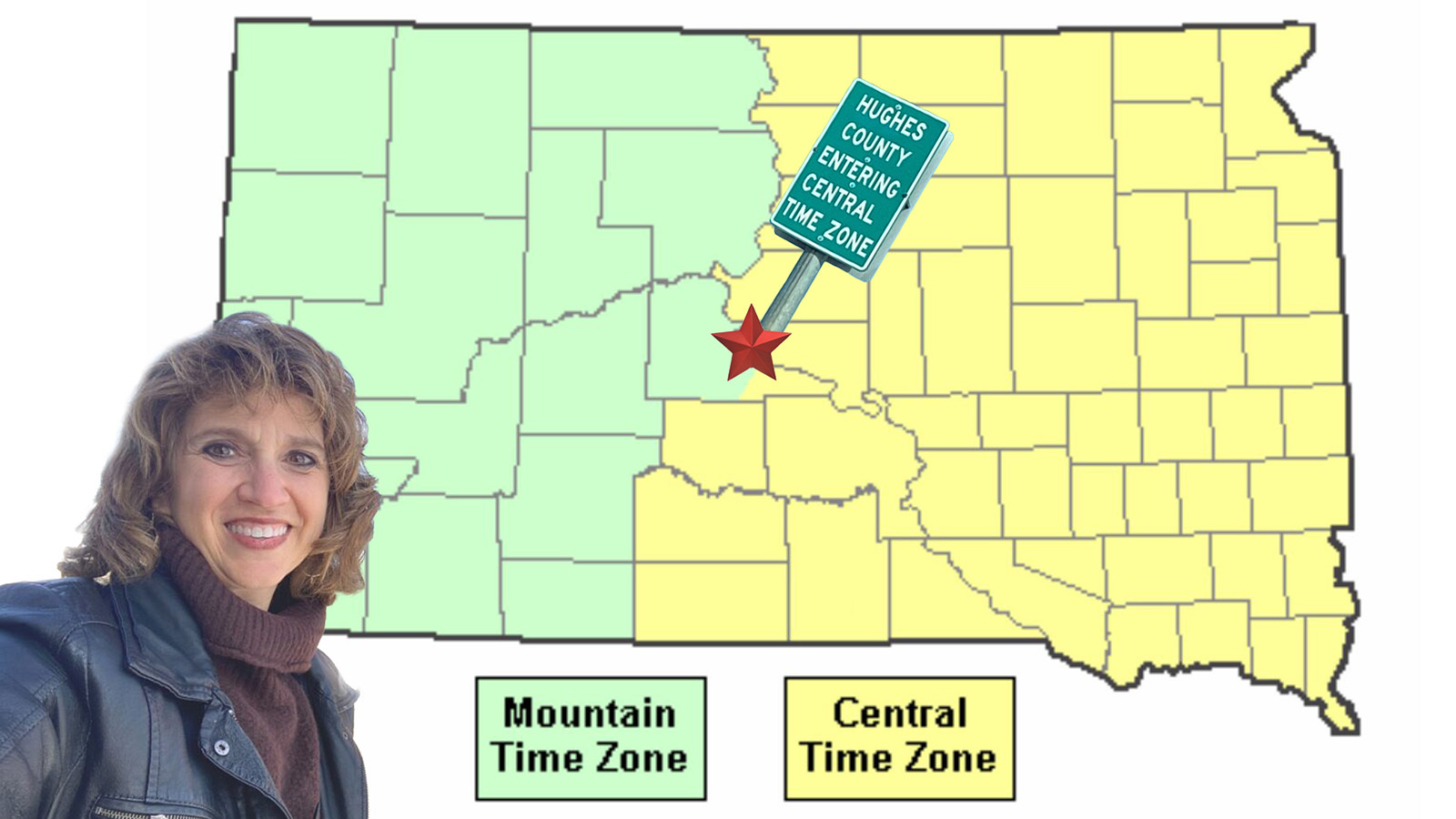
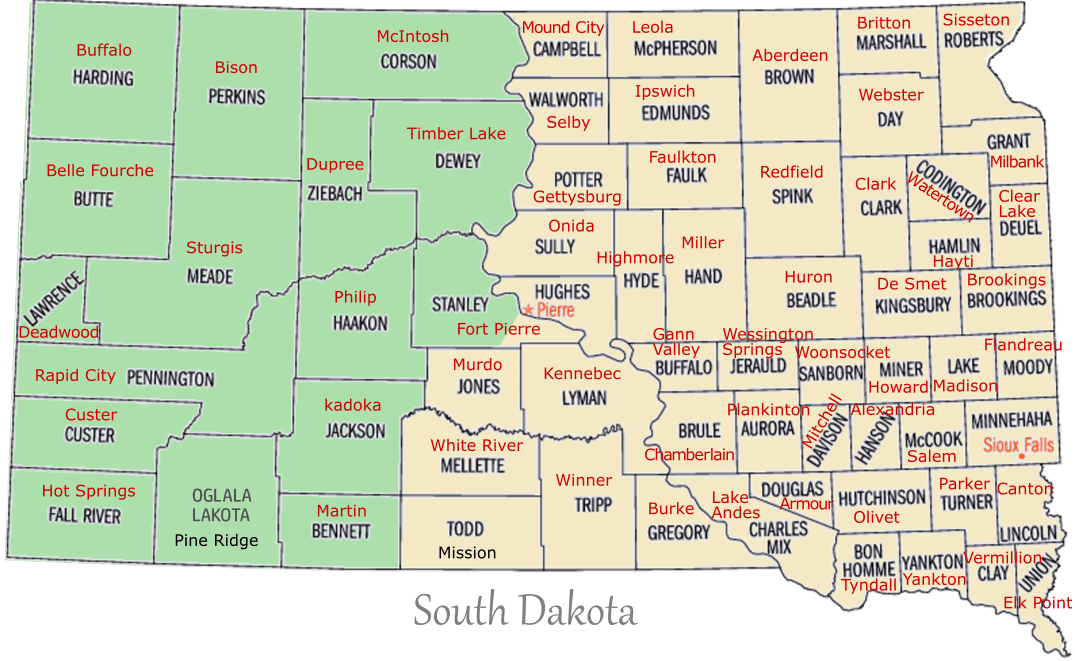
The vast majority of South Dakota observes Central Standard Time (CST), aligning with much of the central United States. However, a significant western portion of the state adheres to Mountain Standard Time (MST). This temporal schism runs roughly along the border of Potter County and Sully County, extending south.
Understanding the Zones
Central Standard Time (CST) is observed in the eastern two-thirds of South Dakota. This includes major population centers like Sioux Falls, the state’s largest city, and the capital, Pierre. Cities and towns east of this dividing line operate on CST, which is UTC-6 during standard time and UTC-5 during daylight saving time.
Mountain Standard Time (MST) is observed in the western third of South Dakota. This region encompasses iconic destinations such as the Black Hills and the city of Rapid City. Areas west of the temporal boundary operate on MST, which is UTC-7 during standard time and UTC-6 during daylight saving time.
The practical effect of this division is a one-hour difference between the eastern and western parts of the state. When it is 10:00 AM CST in Sioux Falls, it is 9:00 AM MST in Rapid City. This can lead to interesting logistical considerations for anyone traveling across the state, especially for those accustomed to a uniform time zone.
Navigating the Time Zone Boundary
The time zone boundary in South Dakota is not a marked line on a highway or a clearly delineated border on a map that most travelers would readily identify. Instead, it follows county lines and a general north-south trajectory. For visitors, this means a conscious awareness is necessary, particularly when planning travel between different parts of the state.
Practical Implications for Travelers
When planning an itinerary that spans both time zones, it’s crucial to account for the one-hour difference. This is especially important for:
- Flight and Train Schedules: If you are arriving in or departing from airports like Sioux Falls Regional Airport (which is in CST) and then driving to Rapid City Regional Airport (which is in MST), or vice-versa, you’ll need to factor in the time zone shift for connections and arrival times.
- Accommodation Bookings: While hotels will generally operate on local time, it’s good practice to confirm check-in and check-out times relative to your expected arrival or departure zone.
- Activity and Tour Bookings: Many popular attractions, such as tours in the Black Hills or ranger programs at Badlands National Park, operate on MST if they are in the western part of the state. Conversely, events in eastern South Dakota will be on CST.
- Business Meetings and Appointments: If conducting business across the state, precise timing is essential to avoid missed connections or misunderstandings.
- Communication: Be mindful of the time difference when calling businesses or individuals in different parts of the state, especially during early morning or late evening hours.
While the time zone difference is a constant, the observation of Daylight Saving Time adds another layer of complexity. Both time zones in South Dakota observe Daylight Saving Time, meaning the one-hour difference remains consistent throughout the year, whether it’s standard or daylight time. This simplifies matters slightly, as you don’t have to worry about the difference changing, only the absolute time.
Historical Context and Reasons for the Divide
The division of South Dakota into two time zones is a legacy of the early 20th century, a period when time zones were being standardized across the United States. The decision to split the state was largely driven by practical considerations related to the railroad industry and the desire to align with major transportation routes.
Railroad Influence and Standardization
In the early days of rail travel, maintaining consistent schedules was paramount. The Chicago, Milwaukee, St. Paul and Pacific Railroad (known as the Milwaukee Road) and the Chicago and North Western Railway were significant players in South Dakota. These railroads had established time zone boundaries that influenced the development of communities along their routes.
The eastern portion of the state was more closely tied to the time used in Chicago and the Midwest, which fell within Central Standard Time. Conversely, the western part of South Dakota, particularly the burgeoning communities around the Black Hills, had closer economic and transportation ties to regions operating on Mountain Standard Time.
Shifting Boundaries and Modern Realities
Over time, there have been various proposals and discussions about re-aligning the time zone boundary within South Dakota. However, the current division has largely persisted due to established infrastructure, existing business practices, and the inertia of tradition.
For many residents, particularly those living near the boundary, the dual time zones are simply a fact of life. They are accustomed to the one-hour shift and incorporate it into their daily routines. Businesses that operate across the state have developed systems to manage the temporal difference.
Experiencing the Time Difference: A Unique Aspect of Travel
The temporal divide in South Dakota offers a subtle yet intriguing dimension to the travel experience. It’s a reminder that even within a single state, geographical and historical factors can create unique characteristics.
East River vs. West River: A Tale of Two Times
The informal distinction between “East River” and “West River” South Dakota is not just about geography; it’s also about time. “East River” generally refers to the areas east of the Missouri River, which are primarily in CST. “West River” encompasses the larger, less populated region west of the Missouri River, falling into MST.
This division influences everything from local news broadcasts, which often cater to specific time zones, to the timing of community events. For a visitor, acknowledging this temporal difference can enhance the immersive quality of their journey.

Planning Your Journey Across the Divide
When planning your exploration of South Dakota, consider the time zone implications for your most significant stops.
- Starting East: If your journey begins in Sioux Falls and you plan to drive west towards the Black Hills and Mount Rushmore National Memorial, remember that as you travel west, you will “gain” an hour. A departure at 9:00 AM CST from Sioux Falls will mean you arrive at your first MST destination at what feels like 9:00 AM locally, but is effectively 10:00 AM CST.
- Starting West: Conversely, if you begin in Rapid City and head east towards Mitchell or Sioux Falls, you will “lose” an hour. A 9:00 AM MST departure from Rapid City will mean you arrive at your CST destination at what feels like 11:00 AM locally, effectively being 11:00 AM CST.
This temporal transition can be a fun element to notice. It’s a tangible way to experience the vastness and the unique character of the state. Whether you’re marveling at the granite faces of Mount Rushmore, exploring the geological wonders of the Badlands, or enjoying the vibrant cultural scene in Sioux Falls, being aware of the time zone can add an extra layer of navigational awareness and appreciation for the diverse landscape of South Dakota.
LifeOutOfTheBox is a participant in the Amazon Services LLC Associates Program, an affiliate advertising program designed to provide a means for sites to earn advertising fees by advertising and linking to Amazon.com. Amazon, the Amazon logo, AmazonSupply, and the AmazonSupply logo are trademarks of Amazon.com, Inc. or its affiliates. As an Amazon Associate we earn affiliate commissions from qualifying purchases.