
Understanding the atmospheric conditions of Los Angeles is essential for any traveler planning to visit the sprawling metropolis of Southern California. Often depicted in cinema as a land of perpetual sunshine and golden hour glows, the reality of the climate in the United States second-largest city is slightly more nuanced. While Los Angeles does indeed enjoy a Mediterranean climate, characterized by mild, wet winters and warm to hot, dry summers, the city’s vast geography creates a tapestry of microclimates. From the cool breezes of Santa Monica to the arid heat of the San Fernando Valley, knowing what to expect can make the difference between a perfect vacation and an uncomfortable one.
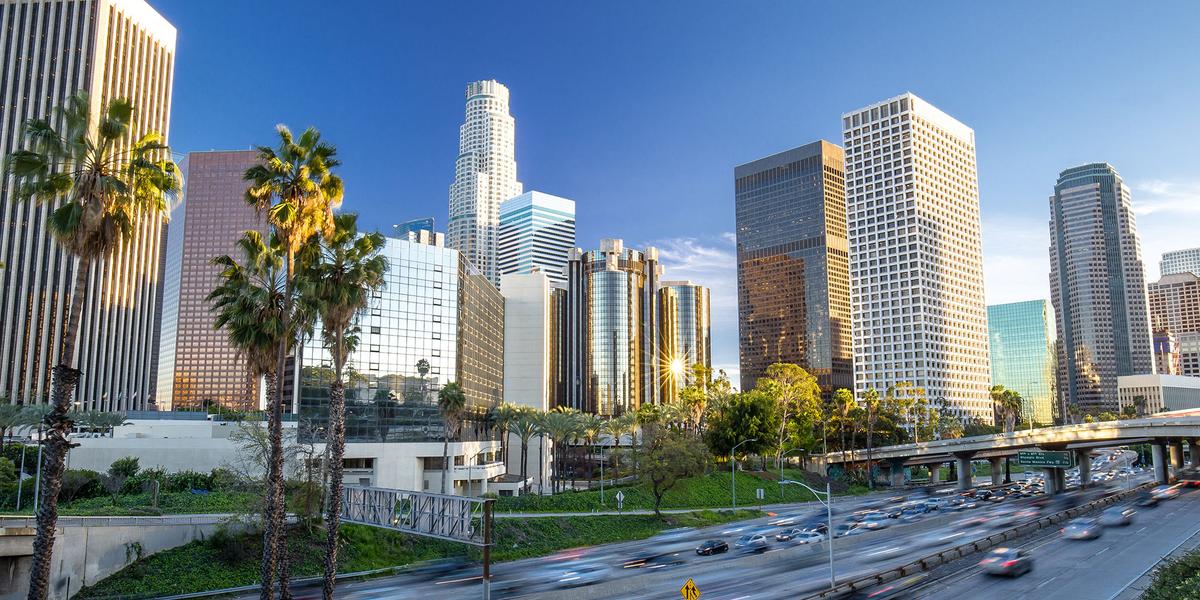
A Seasonal Guide for Planning Your Los Angeles Adventure
The traditional four seasons are somewhat blurred in Southern California, but distinct shifts in weather patterns occur throughout the year. For the traveler, these shifts dictate not only what to wear but also which attractions are most accessible and enjoyable.
Spring: The Best Time for Outdoor Exploration
Spring, spanning from March to May, is arguably the most pleasant time to visit Los Angeles. During these months, the city sheds the last of its winter rains, leaving the landscape surprisingly lush and green. Temperatures typically hover between 60°F and 75°F (15°C to 24°C), making it the ideal window for hiking the Hollywood Hills or visiting the Griffith Observatory.
The air is crisp, and the visibility is often at its peak, providing stunning panoramic views of the city skyline and the Pacific Ocean. Travelers visiting during this period should be aware of the “May Gray” phenomenon, where a thick marine layer of clouds hangs over the coast, though these usually burn off by mid-afternoon.
Summer: Coastal Breezes and High Season
June through August brings the quintessential California summer. However, visitors should be prepared for “June Gloom,” an extension of the marine layer that can keep the beaches of Malibu and Venice Beach overcast for much of the morning. Once the clouds dissipate, the sun is intense.
Temperatures in Downtown Los Angeles and inland areas like Pasadena can easily climb into the 90s°F (32°C+). This is the peak tourist season, where crowds flock to Universal Studios Hollywood and the Santa Monica Pier. The heat is dry, which many find more manageable than the humidity of the East Coast, but staying hydrated and using sun protection is mandatory for any outdoor itinerary.
Fall: Warm Temperatures and Fewer Crowds
September and October are often the hottest months in Los Angeles, a surprise to many visitors expecting a cool autumnal transition. This period is frequently marked by the Santa Ana Winds, hot and dry gusts coming from the inland deserts.
Despite the heat, fall is a fantastic time for travel. The summer crowds have thinned, and the ocean water is at its warmest, making it the best time for surfing or swimming at Zuma Beach. The evenings begin to cool down significantly, providing a refreshing break from the daytime highs.
Winter: The Mild California Sun
From December to February, Los Angeles experiences its “winter.” While much of the United States is grappling with snow, Angelenos are often wearing light sweaters. Daytime temperatures usually range from 55°F to 68°F (13°C to 20°C).
This is the city’s rainy season. Rainfall in Los Angeles usually comes in short, heavy bursts rather than prolonged drizzles. These storms often leave the sky remarkably clear, offering the best views of the snow-capped San Gabriel Mountains in the distance. It is a peaceful time for cultural exploration at the Getty Center or the Los Angeles County Museum of Art.
Understanding the Microclimates of the City of Angels
One of the most fascinating aspects of Los Angeles travel is the regional variation in weather. Because the city is nestled between the mountains and the sea, the temperature can vary by as much as 20 degrees between neighborhoods.
Coastal Regions: Santa Monica and Malibu
The coastal areas are dominated by the influence of the Pacific Ocean. Places like Santa Monica, Malibu, and Marina del Rey remain significantly cooler than the rest of the city year-round. In the summer, while the rest of the city swelters, the coast remains a comfortable 70-75°F. For travelers who prefer moderate temperatures and sea air, booking a stay near the beach is the best strategy.
Central and Downtown Los Angeles
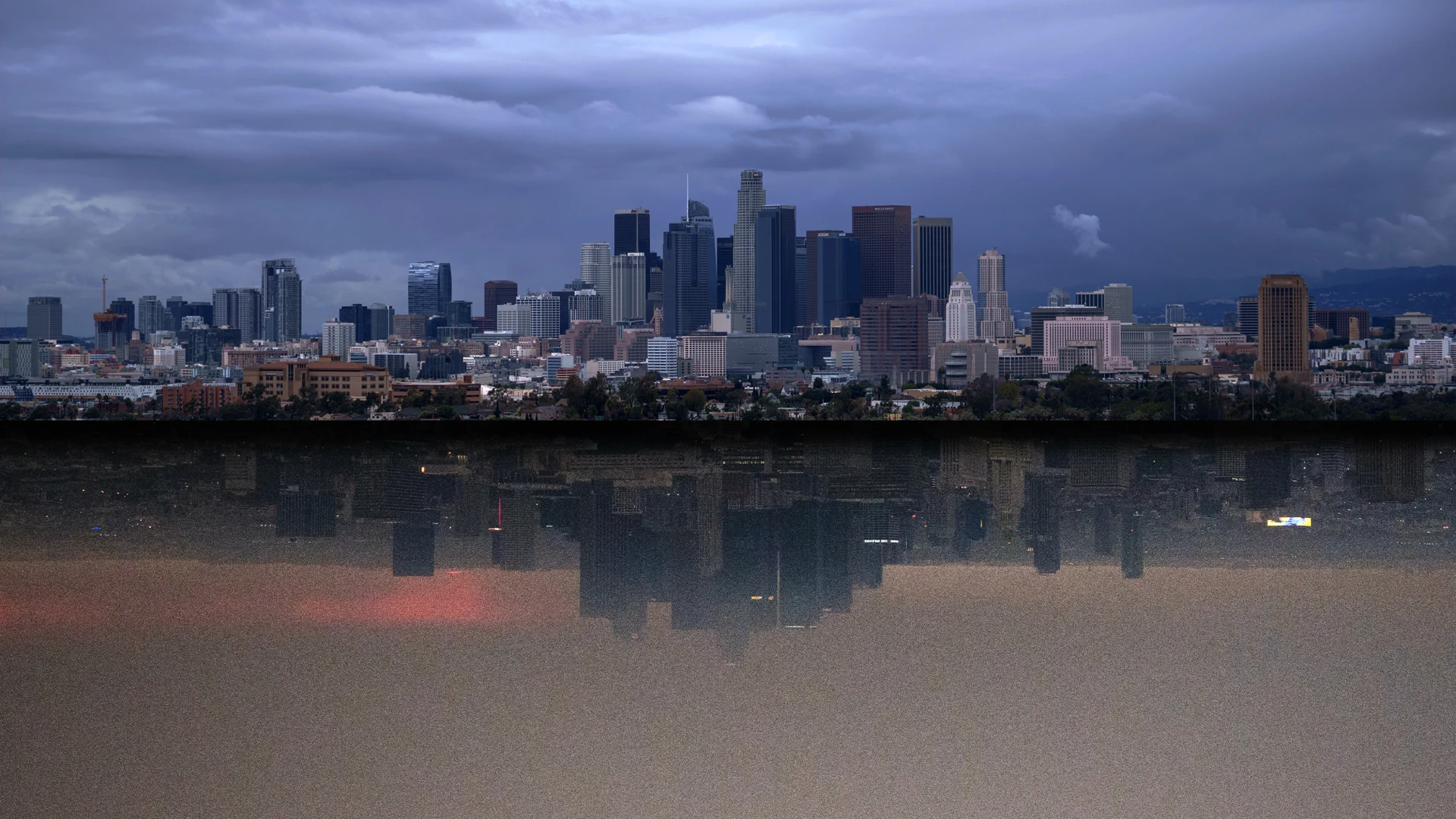
As you move inland toward Beverly Hills and Downtown Los Angeles, the cooling effect of the ocean begins to fade. These areas are characterized by classic urban heat. During the day, the concrete and skyscrapers trap heat, while the nights remain pleasantly balmy. This area is the heart of the city’s dining and nightlife scene, and the weather is generally conducive to outdoor patio dining almost every night of the year.
The San Fernando Valley and Inland Heat
North of the Santa Monica Mountains lies the San Fernando Valley. For travelers visiting attractions like Burbank or the various film studios, be prepared for much higher temperatures. The mountains act as a barrier, blocking the cool marine air from reaching the valley. In the summer months, it is not uncommon for temperatures here to exceed 100°F (38°C). If your travels take you here, plan for indoor activities during the midday peak.
Strategic Travel Planning Based on the Forecast
A well-timed trip to Los Angeles allows you to maximize the city’s diverse offerings. By aligning your itinerary with the most likely weather patterns, you can ensure a seamless experience.
Beach Days and Water Sports
For those looking to soak up the sun at Venice Beach or try their hand at surfing in Malibu, the late summer and early fall are unbeatable. The water temperature of the Pacific Ocean peaks in August and September. If you visit earlier in the summer, remember that the morning fog can be deceptive; even through the clouds, the UV index remains high, so sunscreen is essential.
Hiking and Nature Trails
Hiking is a staple of the Los Angeles lifestyle. To enjoy trails like those in Runyon Canyon Park or the trek up to the Hollywood Sign, aim for the spring months. The wild mustard plants bloom in bright yellow across the hills, and the temperatures are cool enough to endure the steep inclines without the risk of heat exhaustion. Always start your hikes early in the morning to catch the best light and the freshest air.
Museum Hopping and Indoor Attractions
On the rare occasion that Los Angeles experiences rain or extreme heat, the city offers world-class indoor experiences. The Getty Villa in Pacific Palisades or the The Broad museum in Downtown Los Angeles provide climate-controlled environments that house some of the world’s finest art. These are excellent “backup” plans for days when the weather doesn’t cooperate with outdoor sightseeing.
Essential Packing Tips for the Southern California Climate
The key to dressing for Los Angeles is versatility. Because the temperature can fluctuate wildly between noon and night, and between the beach and the valley, layers are your best friend.
Layering for the Temperature Drop
Even on the hottest summer days, once the sun sets over the Pacific Ocean, the temperature can drop by 20 degrees. Travelers are often seen in Santa Monica wearing shorts during the day and shivering in a light jacket by 8:00 PM. A denim jacket, a light sweater, or a stylish pashmina is an essential item for any Los Angeles suitcase.
Footwear for Urban and Trail Adventures
Los Angeles is a city of extremes. You might find yourself walking the paved stars of the Hollywood Walk of Fame in the morning and navigating the dusty trails of Griffith Park in the afternoon. Comfortable walking shoes are a must. While flip-flops are acceptable at Venice Beach, they aren’t practical for the amount of walking required at Disneyland Resort or through the expansive galleries of the Huntington Library.

Sun Protection and Hydration
Regardless of the season, the Southern California sun is potent. A wide-brimmed hat, high-quality sunglasses, and a reusable water bottle are more than just accessories; they are travel necessities. The dry air, especially during the Santa Ana Winds season, can lead to dehydration faster than many realize.
By understanding the unique rhythms of the weather in Los Angeles, travelers can better appreciate the city’s vast beauty. Whether you are chasing the surf in Malibu, exploring the trendy boutiques of Silver Lake, or enjoying the historic charm of Echo Park, the climate of the City of Angels is just another part of its undeniable allure. Plan for the sun, prepare for the layers, and enjoy the endless possibilities of this coastal paradise.
LifeOutOfTheBox is a participant in the Amazon Services LLC Associates Program, an affiliate advertising program designed to provide a means for sites to earn advertising fees by advertising and linking to Amazon.com. Amazon, the Amazon logo, AmazonSupply, and the AmazonSupply logo are trademarks of Amazon.com, Inc. or its affiliates. As an Amazon Associate we earn affiliate commissions from qualifying purchases.