
Florida, often known as the Sunshine State, is a prime destination for travelers seeking everything from pristine beaches and theme parks to vibrant cities and serene natural escapes. While public transportation options exist in major urban hubs, truly experiencing the breadth of what Florida has to offer often necessitates the freedom of personal transportation. For aspiring drivers, whether new residents or those visiting for an extended period, obtaining a learner’s permit is the foundational step towards unlocking this independence and navigating Florida’s extensive roadways. This comprehensive guide will walk you through the precise process of acquiring your learner’s permit in Florida, ensuring you’re well-prepared for your journey on the open road.
Eligibility: Who Can Apply For A Florida Learner’s Permit?
Before embarking on the application process, it’s crucial to understand the baseline eligibility requirements set by the state of Florida. Meeting these criteria is the first hurdle to clear on your path to responsible driving and exploring the state’s countless attractions.
Age Requirements
The primary age requirement for a Florida learner’s permit is that you must be at least 15 years old. There is no upper age limit, meaning individuals of any age can apply as long as they meet the other criteria. This entry point at 15 allows young drivers to begin supervised practice early, fostering a gradual learning curve before they are eligible for a full driver’s license.
Residency and Identity
Applicants must demonstrate proof of Florida residency. This typically involves providing documents that show you live in the state, such as utility bills, lease agreements, or a deed. Furthermore, you must provide valid proof of identity, which generally includes a birth certificate, valid U.S. passport, or a certificate of naturalization. For non-U.S. citizens, specific immigration documents will be required. Proving your identity and residency is a critical step in preventing identity fraud and ensuring the integrity of the state’s licensing system.
Parental Consent (for Minors)
If you are under 18 years old, a crucial additional step is obtaining parental or guardian consent. This is typically done by having a parent or legal guardian sign a Parental Consent Form (Form HSMV 71142) in the presence of a Florida Department of Highway Safety and Motor Vehicles (DHSMV) examiner or a notary public. This emphasizes the state’s commitment to parental involvement in the early stages of a minor’s driving education and ensures that young drivers have the necessary support and supervision as they learn.
Essential Steps Before Visiting The DMV
Preparing thoroughly before your visit to the Florida DMV (Department of Motor Vehicles) – or more accurately, a local driver’s license service center – can save you significant time and frustration. There are several mandatory courses and examinations that must be completed, or at least prepared for, prior to your in-person application.
Complete the Traffic Law and Substance Abuse Education (TLSAE) Course
A mandatory prerequisite for all first-time drivers in Florida is the completion of a Traffic Law and Substance Abuse Education (TLSAE) course. This four-hour course covers crucial topics such as traffic laws, the dangers of impaired driving, and safe driving practices. It’s designed to equip new drivers with a foundational understanding of the responsibilities that come with operating a motor vehicle. The TLSAE course can be taken online through approved providers, offering flexibility and convenience. You must complete this course before you can take the knowledge exam.
Prepare for the Class E Knowledge Exam
The Class E Knowledge Exam, often referred to as the written test, assesses your understanding of Florida traffic laws, road signs, and safe driving practices. The exam consists of 50 multiple-choice questions, and you must answer at least 40 correctly (80%) to pass. While the exam can be taken at a DMV service center, many approved third-party providers also offer the online version for eligible applicants (typically those under 18, with specific restrictions). Regardless of where you take it, thorough preparation is key. The official Florida Driver Handbook is your primary study resource, available online from the DHSMV website. Familiarizing yourself with this handbook will not only help you pass the test but also lay the groundwork for safe driving habits as you navigate Florida’s bustling highways and scenic routes.
Gather Required Documentation
This is perhaps the most critical preparatory step. Arriving at the DMV without the correct documents will result in immediate delays. Florida follows strict REAL ID compliance, meaning you’ll need to provide several pieces of identification. Always bring original documents, as photocopies are generally not accepted.
- Primary Identification: One document proving your identity. Examples include a U.S. birth certificate, valid U.S. passport, certificate of naturalization, or a valid alien registration card.
- Proof of Social Security Number: Your original Social Security card or a W-2 form, pay stub, or SSA 1099 form showing your full Social Security Number.
- Proof of Residential Address: Two different documents proving your Florida residential address. Examples include a utility bill, bank statement, or lease agreement. These documents must be from different sources and dated within the last 90 days.
- Proof of Parental Consent (if applicable): If you are under 18, the Parental Consent Form (HSMV 71142) signed by a parent/guardian.
It is highly recommended to review the official DHSMV website for the most current and comprehensive list of acceptable documents, as requirements can sometimes change.
Your Visit To The Florida DMV: What To Expect
Once you’ve completed the TLSAE course, studied for your knowledge exam, and meticulously gathered all necessary documentation, you’re ready to visit a Florida driver’s license service center. Booking an appointment online beforehand is highly advisable to minimize wait times.
The Application Process
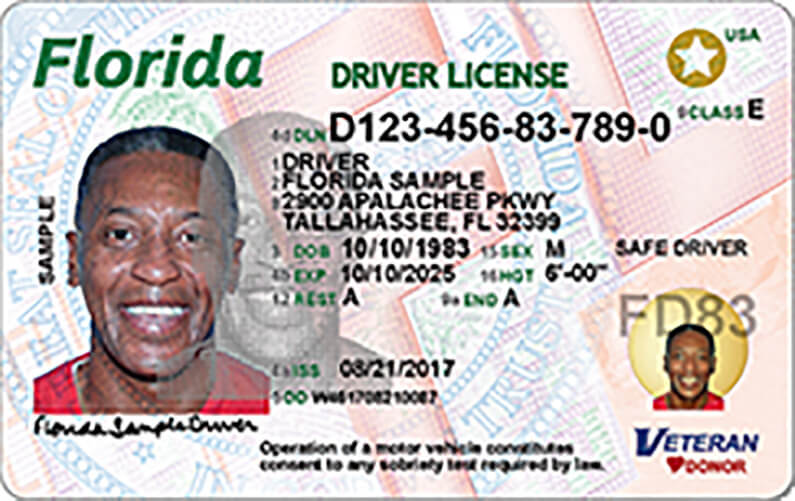
Upon arrival, you will typically check in and be directed to a counter where an examiner will review your collected documents. They will verify your identity, residency, and that you meet all eligibility requirements. This is also where you will present proof of your TLSAE course completion. You will fill out an application form and have your photo taken for your new permit.
Vision and Hearing Tests
As part of the application, you will undergo basic vision and hearing tests. The vision test typically involves reading letters or numbers on an eye chart. The hearing test is generally a brief screening to ensure you can hear adequately for safe driving. These tests are straightforward and are designed to ensure you possess the basic sensory abilities required to operate a vehicle safely on Florida’s roads.
Passing the Knowledge Exam
If you haven’t already taken the Class E Knowledge Exam online or with a third-party provider, you will take it at the service center. The test is usually administered on a computer. Once completed, your score will be provided instantly. Remember, a score of 80% or higher is required to pass. If you fail, you will typically have to wait a day or more before you can retake the test and pay an additional fee for each attempt.
Permit Issuance and Fees
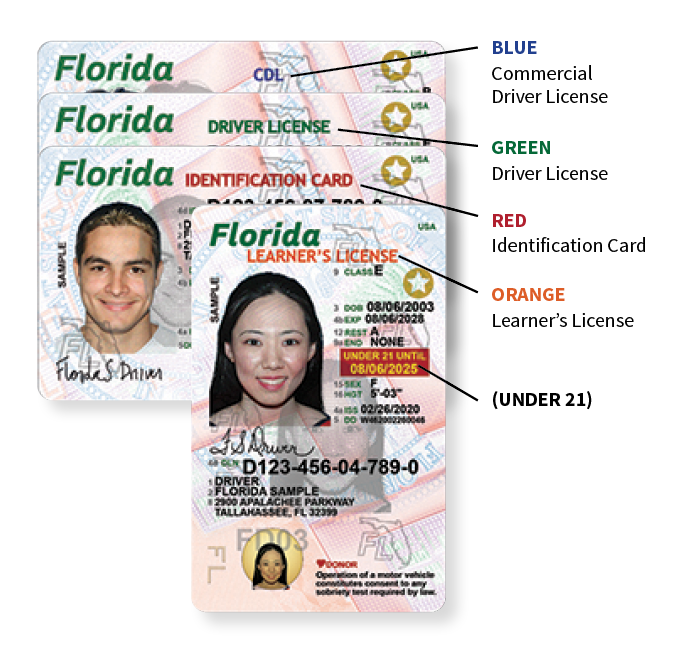
Once you have successfully passed all tests, verified your documents, and completed the application, you will pay the required fee for your learner’s permit. As of the time of writing, the fee for a Florida Class E learner’s license is $48.00, though it’s always wise to check the DHSMV website for the most current fee schedule. After payment, your official Florida learner’s permit will be issued to you, usually on the same day. This physical card is your official authorization to begin supervised driving.
Understanding Your Florida Learner’s Permit Restrictions
Receiving your learner’s permit is an exciting milestone, granting you the legal right to begin learning to drive. However, it comes with important restrictions designed to ensure safety and allow for supervised practice. Understanding these limitations is critical for compliance and for developing good driving habits.
Supervised Driving Requirements
The most significant restriction is that a learner’s permit holder must always be accompanied by a licensed driver who is at least 21 years old and occupies the front passenger seat. This supervising driver must hold a valid Class E or higher driver’s license and be capable of taking control of the vehicle if necessary. This mentorship ensures that new drivers receive real-time guidance and can learn from experienced individuals, crucial for navigating Florida’s diverse driving conditions, from quiet residential streets to multi-lane interstates.
Daylight Hours and Beyond
For the first three months after your permit is issued, you are only permitted to drive during daylight hours (defined as from 6:00 AM to 10:00 PM). After these initial three months, you may drive until 10:00 PM. Driving at night presents additional challenges, and these restrictions are in place to allow new drivers to gain confidence and experience during conditions of optimal visibility before tackling the complexities of nighttime driving.
The Path to a Full Driver’s License
Your learner’s permit is valid for a full year, providing ample time to accumulate the necessary driving experience. To advance to an intermediate driver’s license (for those under 18) or a full Class E license, you must hold your learner’s permit for at least one year without any traffic convictions. Additionally, you must complete a minimum of 50 hours of supervised driving, including 10 hours at night, with the aforementioned supervising driver. Once these requirements are met and you pass a driving skills test (road test), you can apply for your full license, truly unlocking the freedom to explore all corners of Florida.
Maximizing Your Florida Driving Experience
With your learner’s permit in hand, you’re now poised to embark on practical driving experience, which is invaluable for becoming a safe and confident driver. This permit is not just a piece of plastic; it’s your ticket to discovering the vast and varied landscapes of Florida.
Practice Makes Perfect
The 50 hours of supervised driving are a minimum, but more practice is always beneficial. Drive in various conditions: in light traffic, on highways, during different times of the day (within your permit’s restrictions), and in diverse weather. Explore different parts of your local area, from the bustling streets of Miami or Orlando to the quieter coastal roads of the Florida Keys or the panhandle. Each experience will hone your skills and improve your decision-making abilities behind the wheel. Focus on mastering fundamental maneuvers, understanding traffic flow, and developing spatial awareness.
Exploring Florida’s Roadways Responsibly
Your learner’s permit is the first step towards independent travel across Florida. Imagine driving through the historic streets of St. Augustine, cruising down the scenic Highway A1A along the coast, or heading inland to explore the natural beauty of Ocala National Forest. The freedom to drive allows you to discover hidden gems and major attractions alike. However, this freedom comes with immense responsibility. Always adhere to traffic laws, remain vigilant, and prioritize safety above all else. Florida’s roads can be busy, especially in tourist areas like near Walt Disney World Resort or during peak season, so defensive driving is paramount.

From Permit Holder to Florida Explorer
Ultimately, obtaining your learner’s permit in Florida is more than just navigating bureaucratic steps; it’s about gaining the ability to fully immerse yourself in the travel experiences this state offers. Whether you dream of road-tripping to Everglades National Park, visiting the space coast at Kennedy Space Center Visitor Complex, or simply enjoying the flexibility of driving yourself to a local beach, your learner’s permit is the essential first leg of that journey. By diligently following the steps outlined, you’ll be well on your way to earning your full license and enjoying the boundless travel opportunities that await you in the vibrant and diverse state of Florida. Safe travels!
LifeOutOfTheBox is a participant in the Amazon Services LLC Associates Program, an affiliate advertising program designed to provide a means for sites to earn advertising fees by advertising and linking to Amazon.com. Amazon, the Amazon logo, AmazonSupply, and the AmazonSupply logo are trademarks of Amazon.com, Inc. or its affiliates. As an Amazon Associate we earn affiliate commissions from qualifying purchases.