
December in Hawaii presents a unique blend of tropical warmth and the gentle onset of the islands’ “winter” season. While it’s a far cry from the chilly winters experienced in many parts of the world, December brings subtle shifts to the archipelago’s famously pleasant climate, influencing everything from beach days to mountain excursions. Understanding these nuances is key to planning an unforgettable Hawaiian getaway during the festive holiday season. This guide will delve into the typical weather patterns, island-specific variations, and practical tips to ensure your December visit to paradise is as perfect as you envision.

December’s Climate Profile in the Aloha State
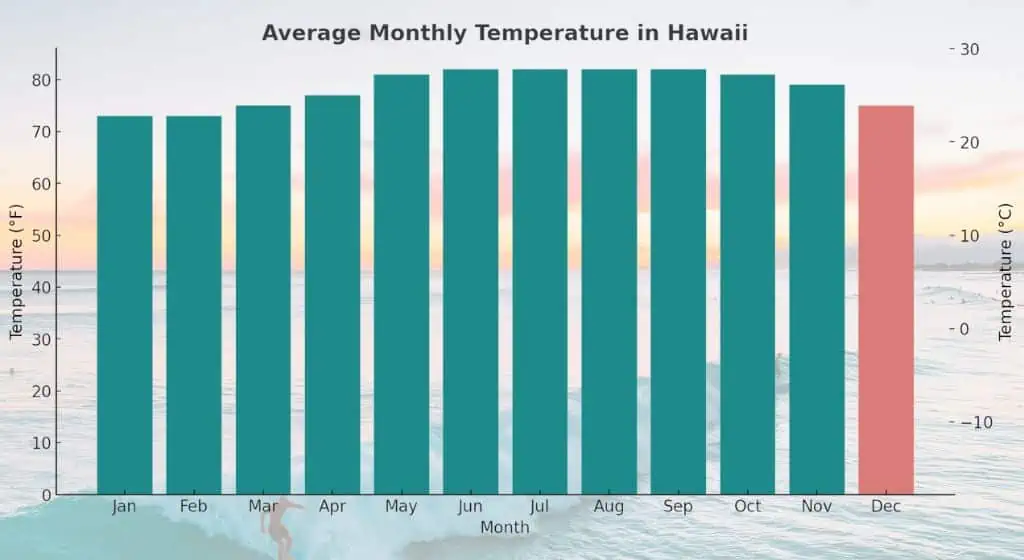
Hawaii’s December weather is characterized by slightly cooler temperatures, increased rainfall, and more active ocean conditions compared to the drier, hotter summer months. However, the term “winter” here should be taken with a grain of salt, as average daytime temperatures remain remarkably comfortable, often inviting travelers to escape colder climates elsewhere.
Temperature Trends Across the Islands
Throughout December, temperatures across the major Hawaiian islands remain consistently mild and pleasant. On average, coastal areas typically experience daytime highs ranging from 78°F to 82°F (25°C to 28°C). Nights are comfortably cool, with lows generally hovering between 65°F to 70°F (18°C to 21°C).
It’s important to note that temperatures can vary depending on elevation and location. Higher altitudes, such as those found on Maui’s Haleakala or the Big Island’s volcanoes, will be significantly cooler, potentially dropping into the 40s or 50s °F (4-10 °C) during the day, and even colder at night. Even coastal temperatures can feel cooler with the presence of trade winds or during a rainy spell. Despite these variations, the overall climate is ideal for outdoor activities, requiring only light layers for evenings or specific excursions.
Understanding Rainfall: Windward vs. Leeward
December marks the beginning of Hawaii’s wetter season, which typically extends through March. This means an increased likelihood of rain showers, though they are often brief and localized. The key to understanding Hawaiian rainfall lies in the distinction between “windward” and “leeward” sides of the islands.
- Windward Sides: These are the eastern and northeastern coasts, which face the prevailing trade winds. They receive significantly more rainfall, leading to lush, verdant landscapes. Showers here can be frequent but often pass quickly, sometimes manifesting as a light drizzle rather than heavy downpours. Places like Hilo on the Big Island or the North Shore of Oahu are classic examples of windward exposure.
- Leeward Sides: These are the western and southwestern coasts, protected from the trade winds by the islands’ volcanic peaks. They are considerably drier and sunnier, often experiencing little to no rain even when windward areas are getting wet. Kona on the Big Island, Kihei and Wailea on Maui, and Waikiki on Oahu are prime examples of leeward zones, known for their abundant sunshine and beautiful beaches.
Travelers visiting in December should expect some rain, particularly if exploring the windward regions or interior valleys. However, these showers often contribute to the islands’ vibrant beauty and rarely last long enough to completely derail a day’s plans. It’s common to experience sun and rain within the same hour, especially in certain areas.
Ocean Conditions and Water Temperatures
December’s ocean conditions are notably more dynamic than in the summer. While water temperatures remain wonderfully warm, averaging between 75°F to 78°F (24°C to 26°C), making swimming and snorkeling enjoyable, the increased winter swells bring significant changes to wave activity.
The North Shores of islands like Oahu, Maui, and Kauai become world-renowned stages for big-wave surfing contests during December. Iconic spots such as Banzai Pipeline and Waimea Bay on Oahu showcase massive swells that attract professional surfers and spectators from around the globe. While thrilling to watch, these conditions make swimming and even approaching the shore dangerous on these coasts.
Conversely, the leeward (south and west) shores typically remain calmer and more suitable for swimming, snorkeling, and other water activities. Always check local beach conditions and heed lifeguard warnings, as conditions can change rapidly. Even on calmer coasts, rogue waves can occur, so caution is always advised, especially when enjoying the pristine beaches of Hawaii.
Island-Specific Weather Nuances
While the general December weather patterns apply across the archipelago, each island possesses unique microclimates and geographical features that influence its specific conditions.
Oahu: Urban Beaches and Mountain Rains
Oahu, home to Honolulu and the bustling Waikiki Beach, experiences classic windward-leeward dynamics. The leeward side, encompassing Waikiki and much of the capital, tends to be sunnier and drier, offering excellent beach weather. Rainfall is usually minimal here, often occurring as short, passing showers.
However, the Koʻolau Mountains that run along the windward side of the island catch the trade winds, resulting in more frequent rain, especially in areas like Kaneohe and Kailua. The North Shore in December is famous for its colossal winter swells, making it a surfing paradise but less ideal for casual swimming. Temperatures on Oahu generally range from the mid-60s at night to the low 80s during the day, creating a comfortable environment for exploring city attractions like Diamond Head or historical sites like Pearl Harbor.
Maui: Diverse Microclimates
Maui is renowned for its incredible microclimates, and December showcases this diversity. The popular resort areas of Lahaina, Ka’anapali, Kihei, and Wailea on the leeward west and south coasts are typically sunny and warm with minimal rainfall. These areas are excellent for beach activities, snorkeling, and relaxing by the pool.
Conversely, the windward side, including the scenic Road to Hana and the lush eastern coast, receives significantly more rain, contributing to its vibrant waterfalls and dense rainforests. Visiting Haleakala National Park for sunrise or sunset will require very warm clothing, as temperatures near the summit can drop below freezing, even during the day. December is also the peak of the whale-watching season off Maui’s coast, offering spectacular sights of humpback whales.
Kauai: The Garden Isle’s Lushness
Kauai, known as the “Garden Isle,” is generally the wettest of the main islands, and December often brings more consistent rainfall, particularly to its north shore. Areas like Hanalei and Princeville will see frequent showers, leading to dramatic waterfalls and incredibly vibrant greenery.
The drier leeward south shore, around Poipu, offers more reliable sunshine for beachgoers. The majestic Na Pali Coast is often best viewed by boat or helicopter during December, as hiking trails can be muddy and challenging. Despite the rain, Kauai’s beauty is undeniable, and the brief showers often create stunning rainbows, adding to its magical allure.
Big Island: Volcanic Vistas and Varied Zones
The Big Island of Hawaii boasts the most diverse set of microclimates, encompassing everything from tropical rainforests to volcanic deserts and alpine tundras. The Kona side (west) is the driest and sunniest, offering excellent conditions for beach activities, coffee farm tours, and exploring historical sites.
The Hilo side (east) is famously wet, receiving abundant rainfall that feeds its numerous waterfalls and lush vegetation. December typically enhances this rainfall. Hawaii Volcanoes National Park, located between the wet and dry zones, can experience varying weather, from cool and foggy to clear and mild. The summits of Mauna Kea and Mauna Loa will be very cold, often experiencing freezing temperatures and even snow in December, a stark contrast to the tropical beaches below.
Preparing for Your December Hawaiian Getaway
A December trip to Hawaii requires thoughtful preparation to fully enjoy the islands’ unique winter charm. Understanding what to pack and how to adapt your itinerary will enhance your experience.
Essential Packing List
While Hawaii’s December weather is warm, packing smart for the season means including a few additional items beyond typical beachwear:
- Layered Clothing: Essential for temperature fluctuations. Think light shirts, shorts, but also a light jacket or sweater for evenings, higher elevations, or air-conditioned spaces.
- Rain Gear: A lightweight, packable rain jacket or umbrella is highly recommended, especially if you plan to explore windward areas or rainforests.
- Swimsuits: Multiple options are always good, given how much time you’ll likely spend in the water.
- Sun Protection: Sunscreen, a wide-brimmed hat, and sunglasses are non-negotiable, even on cloudy days, as the UV index remains high.
- Sturdy Footwear: Sandals are great for the beach, but waterproof hiking shoes or comfortable walking shoes are vital for exploring trails, volcanic terrain, or city streets.
- Waterproof Bag: Useful for protecting electronics and valuables during boat trips or unexpected showers.
- Insect Repellent: Especially if venturing into lush, wet areas.
Adapting Activities to the Season
December’s weather can influence which activities are best suited for your trip:
- Embrace the Rain: Don’t let occasional showers deter you. Many rainforest hikes and waterfall visits are even more spectacular after a fresh rain.
- Chase the Sun: If one side of an island is rainy, check the forecast for the leeward side – often, it’s sunny and clear. Flexibility with your plans allows you to optimize for the best weather.
- Water Sports: Stick to the leeward coasts for swimming, snorkeling, and paddleboarding. For surfing enthusiasts, the North Shores offer incredible spectacle, but exercise extreme caution.
- Whale Watching: December marks the beginning of the humpback whale migration season, making boat tours an unmissable activity, particularly off the coast of Maui.
- Indoor Attractions: Have a backup list of indoor activities like museums, aquariums (e.g., Maui Ocean Center), or art galleries for exceptionally rainy days.
Navigating Holiday Crowds and Pricing
December is a peak travel season in Hawaii, particularly around Christmas and New Year’s. Many visitors seek to escape colder climates, leading to increased demand for flights, accommodations, and popular attractions.
- Book in Advance: To secure preferred dates and potentially better rates, it is crucial to book flights, hotels, and rental cars several months in advance. Last-minute bookings during this period can be challenging and significantly more expensive.
- Higher Costs: Expect prices for lodging, flights, and even some activities to be at their highest during the latter half of December. If budget is a concern, consider visiting in early December before the holiday rush fully kicks in.
- Patience is Key: Attractions, restaurants, and beaches will be more crowded. Factor in extra time for travel, dining, and activities, and embrace the festive atmosphere. Reservations for popular restaurants and excursions are highly recommended.
Embracing Hawaii’s Winter Charm
Despite the subtle shift in weather, December offers unique and compelling reasons to visit Hawaii, making it a truly magical time to experience the islands.
Whale Watching Season
One of the most compelling reasons to visit Hawaii in December is the beginning of the humpback whale migration season. These majestic creatures travel thousands of miles from the frigid waters of Alaska to the warm, shallow Hawaiian waters to breed and calve. From December through May, the waters surrounding the islands, especially between Maui, Lanai, and Molokai, become a prime viewing ground. Witnessing a humpback whale breach or seeing a mother and calf swim together is an awe-inspiring experience that defines a winter visit. Numerous tour operators offer dedicated whale-watching excursions, providing unparalleled opportunities for close encounters with these gentle giants.
Surfing Spectacles
For those captivated by the power of the ocean, December is the time to witness world-class surfing. The legendary North Shores of Oahu, with famous breaks like Pipeline, Sunset Beach, and Waimea Bay, host prestigious international surfing competitions. Watching professional surfers tackle enormous waves is an electrifying experience. Even if you’re not a surfer, the sheer scale and power of the winter swells are breathtaking, making for incredible photography opportunities and unforgettable memories. Remember to observe from a safe distance and always respect ocean safety guidelines.
Festive Atmosphere
December in Hawaii is infused with a unique holiday spirit, blending traditional Hawaiian culture with festive decorations and events. While you won’t find snowmen, you’ll discover “Mele Kalikimaka” (Merry Christmas) greetings, hula performances with a holiday twist, and tropical-themed lights adorning palm trees. Many resorts and communities host special events, concerts, and Christmas luaus. The atmosphere is generally vibrant and celebratory, offering a distinct cultural experience where the aloha spirit shines brightly amidst the holiday cheer.
Making the Most of December in Hawaii
A successful December trip to Hawaii hinges on preparedness, flexibility, and a willingness to embrace all facets of the islands’ winter season.
Flexibility is Key
The most important advice for December travel to Hawaii is to remain flexible with your plans. While forecasts can provide a general idea, weather patterns can be localized and shift quickly. If a planned beach day on one side of an island looks rainy, be ready to pivot to a drier leeward beach or an indoor activity. Similarly, if a hike is too muddy, consider an alternative cultural tour or a scenic drive. A flexible itinerary ensures that you can adapt to conditions and still maximize your enjoyment.
Utilizing Weather Forecasts
Stay updated on local weather forecasts, particularly those specific to the exact areas you plan to visit. Apps and websites like the National Weather Service (NWS) or local news channels offer detailed, real-time information. Pay attention to warnings for high surf, flash floods, or strong winds, especially if you plan water activities or hiking in remote areas. Knowing what to expect allows you to plan your day safely and efficiently.

Exploring Diverse Experiences
December’s weather, with its mix of sun, showers, and powerful ocean swells, actually encourages visitors to explore the full breadth of Hawaiian experiences. Beyond the typical beach and snorkeling activities, consider:
- Rainforest Hikes: Experience the lush interiors, vibrant flora, and stunning waterfalls.
- Volcano Excursions: Witness the otherworldly landscapes of Hawaii Volcanoes National Park on the Big Island.
- Cultural Sites: Delve into Hawaiian history and traditions at museums, ancient heiau (temples), or during a traditional luau.
- Scenic Drives: Explore coastal roads and mountain passes, often revealing breathtaking vistas and hidden gems.
In conclusion, December in Hawaii is a period of dynamic and beautiful weather. While it leans towards the wetter side compared to summer, the temperatures remain inviting, the whale watching is spectacular, and the big waves create an unparalleled surfing scene. With smart planning and a flexible mindset, a December trip to the Aloha State can be an incredibly rewarding and memorable experience, offering a unique blend of tropical relaxation and festive holiday spirit.
LifeOutOfTheBox is a participant in the Amazon Services LLC Associates Program, an affiliate advertising program designed to provide a means for sites to earn advertising fees by advertising and linking to Amazon.com. Amazon, the Amazon logo, AmazonSupply, and the AmazonSupply logo are trademarks of Amazon.com, Inc. or its affiliates. As an Amazon Associate we earn affiliate commissions from qualifying purchases.